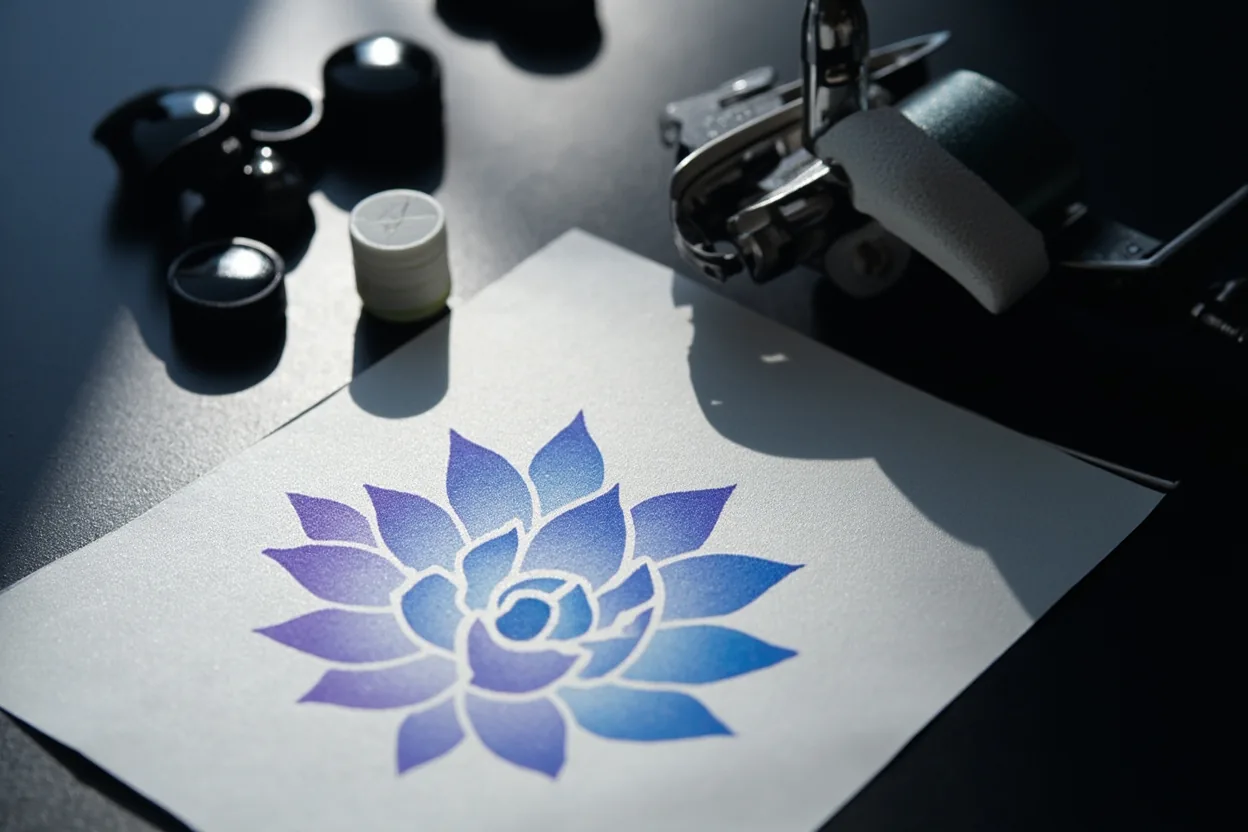
Lotus tattoo meaning is usually described as purity or growth, but the symbol has more weight than a pretty flower. The lotus grows through mud and opens above the water. That image is why people use it for resilience, recovery, spiritual change, and quiet strength.
Quick answer: A lotus tattoo usually symbolizes growth, resilience, purity, spiritual rising, rebirth, and beauty after difficult conditions. It can be personal, decorative, or spiritual depending on color, placement, style, and cultural context.
Growth through difficult conditions
The lotus is a growth symbol because of where it starts. Mud, water, stem, flower. That makes it useful for tattoos about recovery, grief, discipline, sobriety, identity change, or a season you had to survive quietly.
A lotus does not need extra symbols to say that. Clean petals and good placement can carry the meaning alone.
The lotus grows roots-down in mud and still pushes a clean bloom to the surface. That’s exactly why people getting this tattoo are usually marking something they survived, not something they were handed. Addiction recovery, grief, toxic relationships, serious illness. The design earns its meaning on people who’ve actually been through the mud, and any artist worth their salt can feel that difference during a consultation.
From a tattoo standpoint, that symbolism translates well to bold, upward-facing designs. A fully open bloom reads as arrival, as making it through. A closed bud or half-open flower reads as still in process, still climbing. Most clients don’t realize they have that choice, so ask your artist to sketch both versions before you commit to a direction.
Spiritual meaning and cultural care
The mud is not the backstory. The mud is the point.
The lotus appears in Buddhist and Hindu visual traditions, where it can connect to purity, enlightenment, divinity, and spiritual awakening. If that is why you want it, research the tradition behind the design and be careful with sacred imagery.
If you want the lotus as a personal growth symbol, you can keep it simple: a single flower, no deity, no script you do not read, no borrowed sacred mark used as decoration.
Hindu, Buddhist, and Egyptian traditions all claim the lotus, and each tradition loads it with slightly different weight. In Buddhism it represents detachment and purity of mind. In Hinduism it sits under Lakshmi’s feet, tied to abundance and grace. If you’re pulling from a specific tradition, do a little research so your placement and posture match the cultural context. A lotus with a deity or mandala behind it reads very differently than a standalone bloom.
Cultural respect here isn’t about gatekeeping, it’s about making the tattoo stronger. If you want a Buddhist lotus, talk to your artist about whether it faces up or out, whether a dharma wheel belongs in the composition, whether Sanskrit underneath actually fits your life. Tacking on sacred geometry because it looks cool without understanding it usually produces weaker, busier work that doesn’t age as well.
Lotus color meaning
| Color | Meaning mood | Tattoo note |
|---|---|---|
| Black ink | Strength, discipline, elegance | Strong choice for aging |
| Pink | Softness, devotion, beauty | Needs enough saturation |
| White | Purity, calm, spiritual clarity | Often better shown with negative space |
| Blue | Wisdom, calm, control | Works best with clear outline |
| Red | Love, heart, intensity | Keep the design simple |
White lotus reads as purity and spiritual enlightenment, closest to the Buddhist ideal. Pink is the most traditional, tied directly to the Buddha himself, warm and approachable. Purple carries a mystical, esoteric edge, solid choice for someone drawn to spiritual practice without a single-religion anchor. Red is passion and compassion combined, common in Hindu contexts. Blue is rarer, associated with wisdom and the control of senses, and it photographs beautifully in color realism.
From a technical standpoint, color choices also affect longevity. Saturated reds and deep purples hold longer than pastels in most skin types. Light pinks and whites fade faster, especially in high-wear zones like hands or feet. Your artist should be pulling pigments that are rated for long-term saturation, not just whatever looks good in fresh photos. Ask specifically what brand of ink they’re using and how those colors perform after two or three years.
Best placements
Lotus tattoos like symmetry. Sternum, spine, upper back, forearm, shoulder, ankle, and thigh can all work if the petals are sized correctly. Tiny lotus tattoos often lose petal clarity, so simplify the shape before shrinking it.
For delicate versions, see minimalist lotus tattoos and minimalist tattoo ideas.
Spine, sternum, and upper back are the top three placements for lotus work right now. The vertical symmetry of the flower lines up perfectly with the body’s center line, and those zones have enough flat real estate to let the petals breathe. Thigh and calf both work great too, especially for larger pieces that need room to expand. Fine line lotus on the wrist or inner forearm reads clean and delicate but requires a skilled hand because any wobble shows.
Ribs are popular for lotus tattoos and genuinely spicy pain-wise, a solid seven out of ten for most people. Foot and ankle placements look sharp fresh but fade faster because of constant friction from shoes and socks. If you want it on your foot, budget for a touch-up at the one-year mark. Knee ditch and inner elbow are high-wear fold zones that blur more over time, so bold lines over fine line is the smarter call in those spots.
Design ideas
- Single black lotus on the forearm.
- Fine line lotus along the spine.
- Lotus with water lines under the petals.
- Ornamental lotus sternum piece.
- Small ankle lotus with simplified petals.
- Lotus and moon pairing for cycles and growth.
Geometric lotus designs, where each petal is built from clean triangles or sacred geometry shapes, hold up incredibly well over time because the crisp, graphic lines don’t depend on delicate shading to read. Watercolor lotus work looks stunning fresh but needs a bold black outline underneath or the color edges will ghost out within five years. Mandala-integrated lotus is one of the most requested combinations in any shop right now, and it works because both elements share radial symmetry.
Black and grey realism lotus with water droplets or lily pad background gives the piece a grounded, organic feel. Whip shading in the petals creates soft gradients without going full color, heals nice, and suits most skin tones. Fine line single-needle lotus is having a serious moment but requires consistent aftercare and a low-sun lifestyle because UV breaks down those hairline marks faster than bold work. If you’re outdoors a lot, go bolder or plan on yearly SPF protection on the tattoo.
FAQ
What does a lotus tattoo mean?
A lotus tattoo often means growth, resilience, purity, spiritual rising, and becoming better after difficult conditions. The meaning changes with color, style, and cultural context.
Is a lotus tattoo spiritual?
A lotus tattoo can be spiritual, especially because the flower is important in Buddhist, Hindu, and broader Asian art traditions. It can also be chosen as a personal growth symbol.
Where do lotus tattoos look best?
Lotus tattoos work well on the forearm, sternum, spine, shoulder, ankle, thigh, and back when the petals have enough room for clean symmetry.