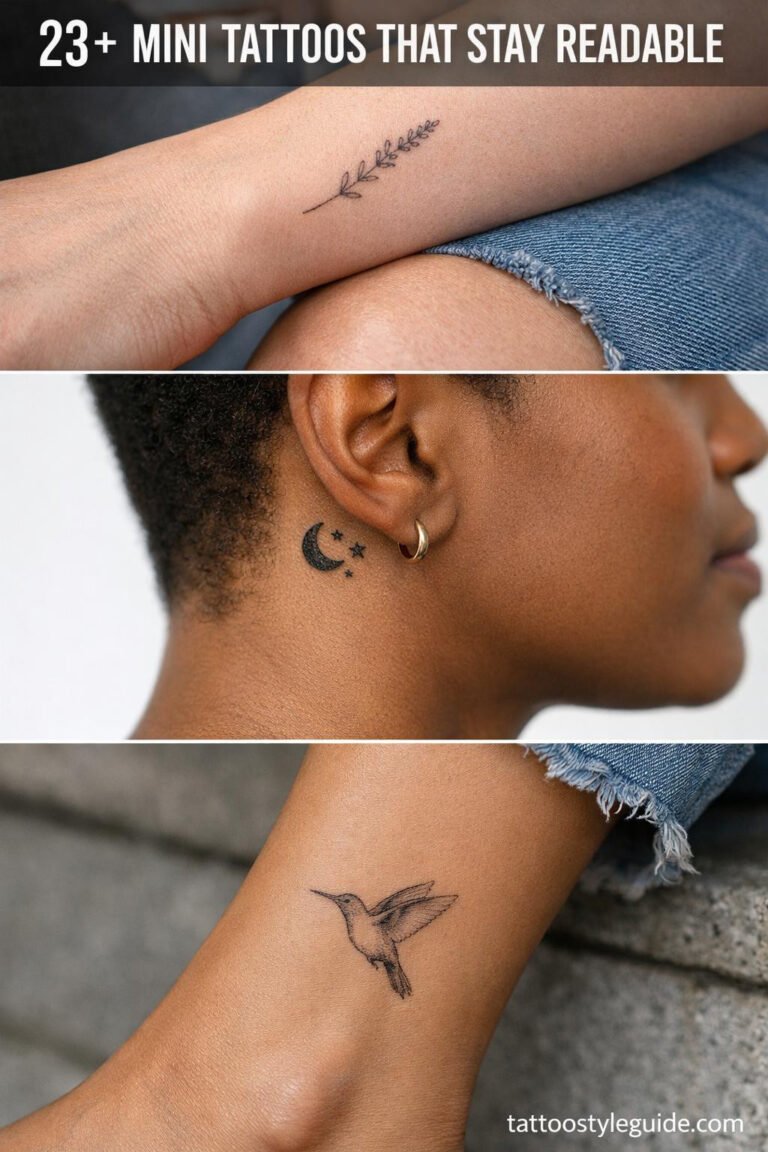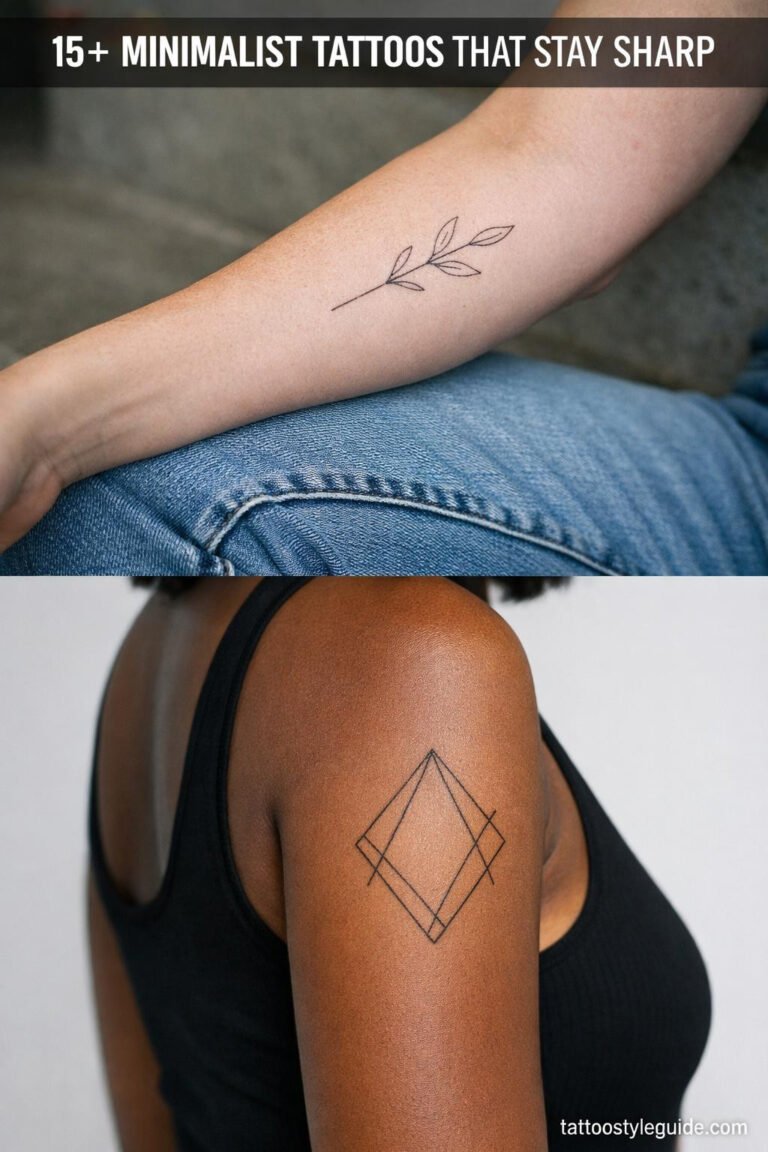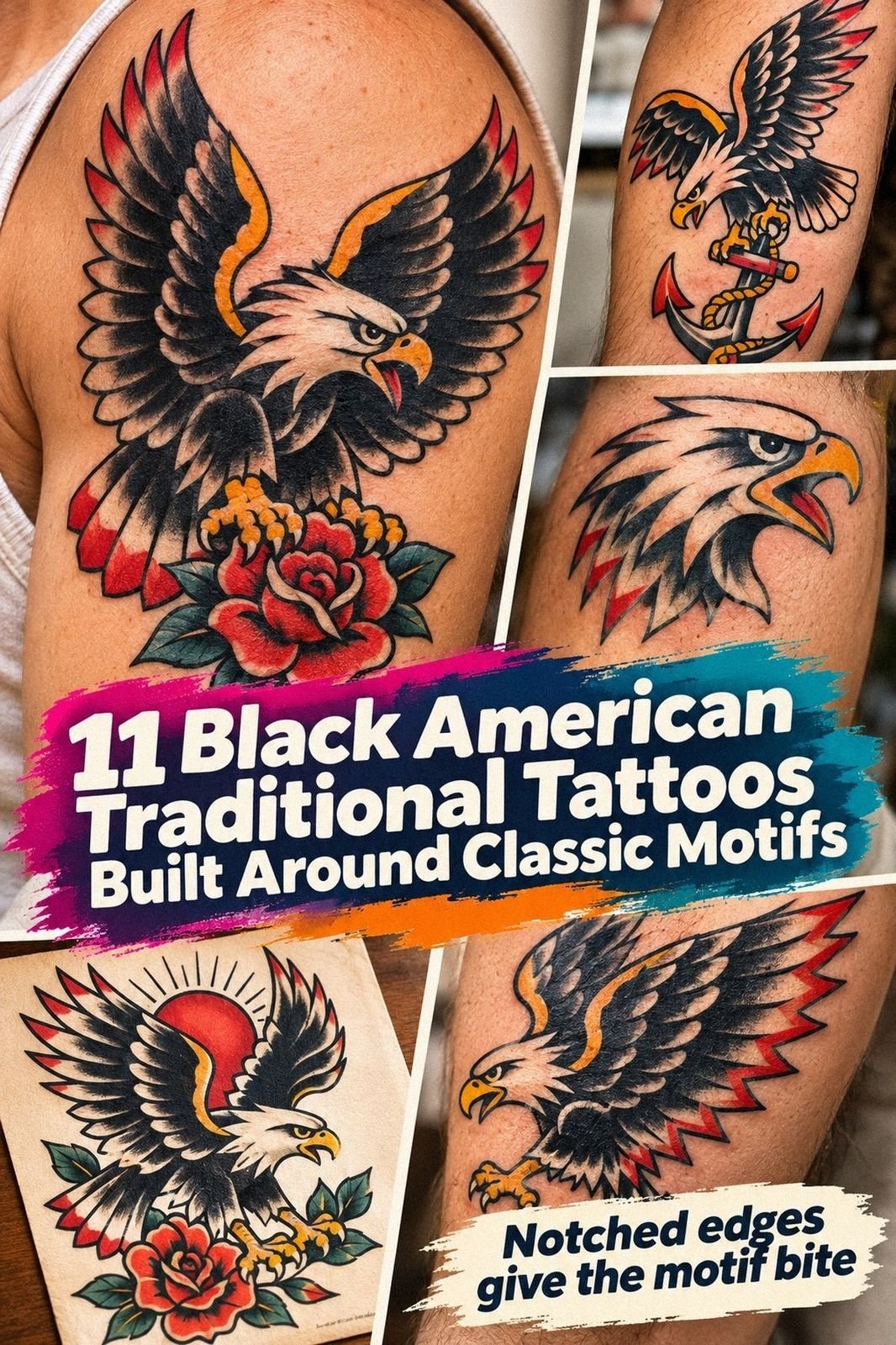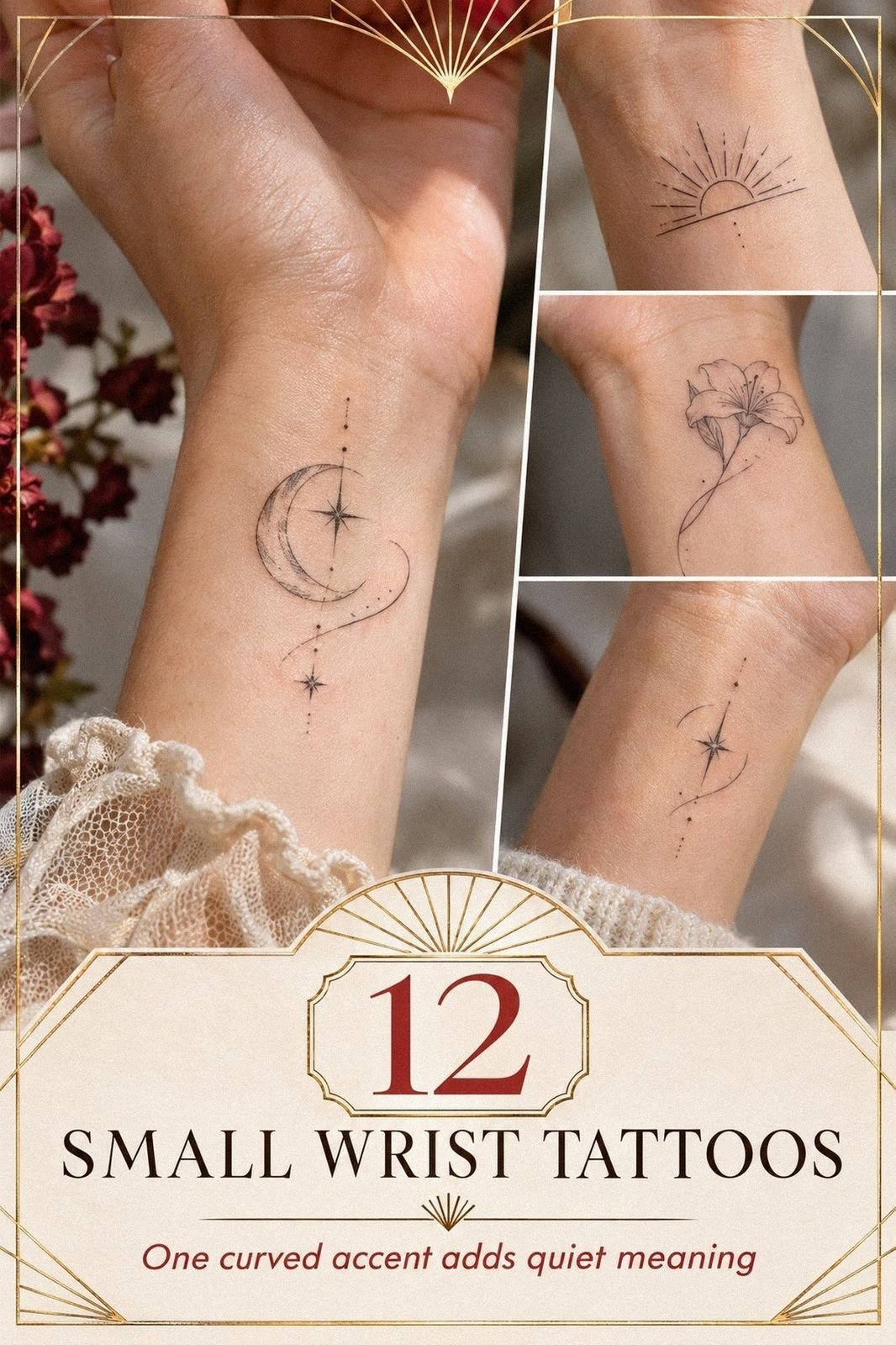
Behind the ear tattoo ideas unique enough to feel personal can still age cleanly if you give the design breathing room. I almost made my first tiny piece too small for the spot. Don’t cram detail into that little curve. A clean shape, solid black, and smart placement will carry you much farther.
- Tiny Fine-Line Heart Behind the Ear
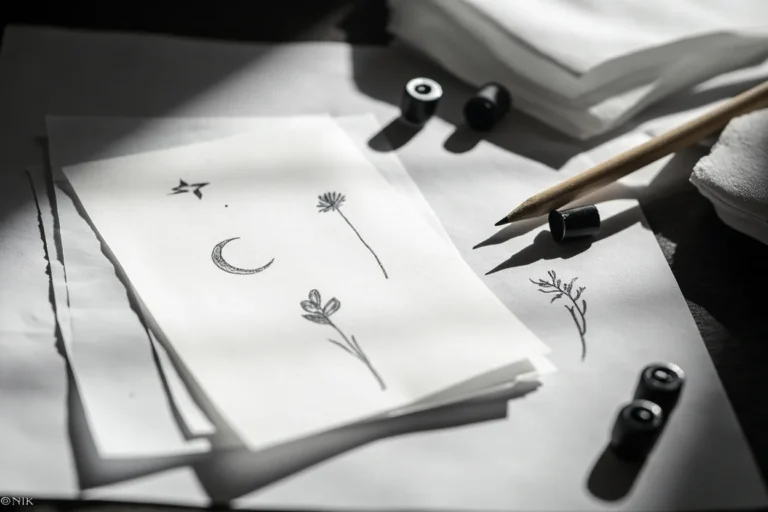
- Botanical Lavender Sprig Behind the Ear
- Delicate Red-Ink Rose Behind the Ear
- Minimalist Crescent Moon Behind the Ear
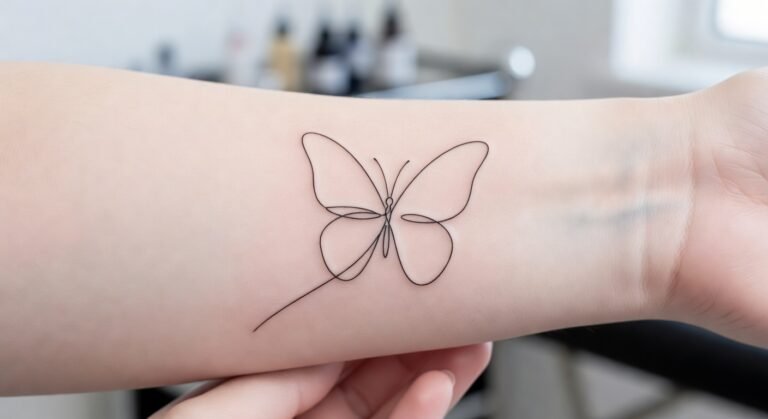
- Small Black Butterfly Behind the Ear
- Meaningful Initials Behind the Ear
- Behind-the-Ear Angel Number Tattoo
- Watercolor Wildflower Behind the Ear
- Behind-the-Ear Script Word Tattoo
- Tiny Finger-Inspired Symbol Behind the Ear
- Black-and-Grey Snake Behind the Ear
- Behind-the-Ear Matching Initial Tattoos
- Fine-Line Sun Behind the Ear
- Small Paw Print Behind the Ear
- Behind-the-Ear Birthdate Tattoo
- Geometric Triangle Behind the Ear
- Tiny Japanese Wave Behind the Ear
- Behind-the-Ear Portrait Silhouette
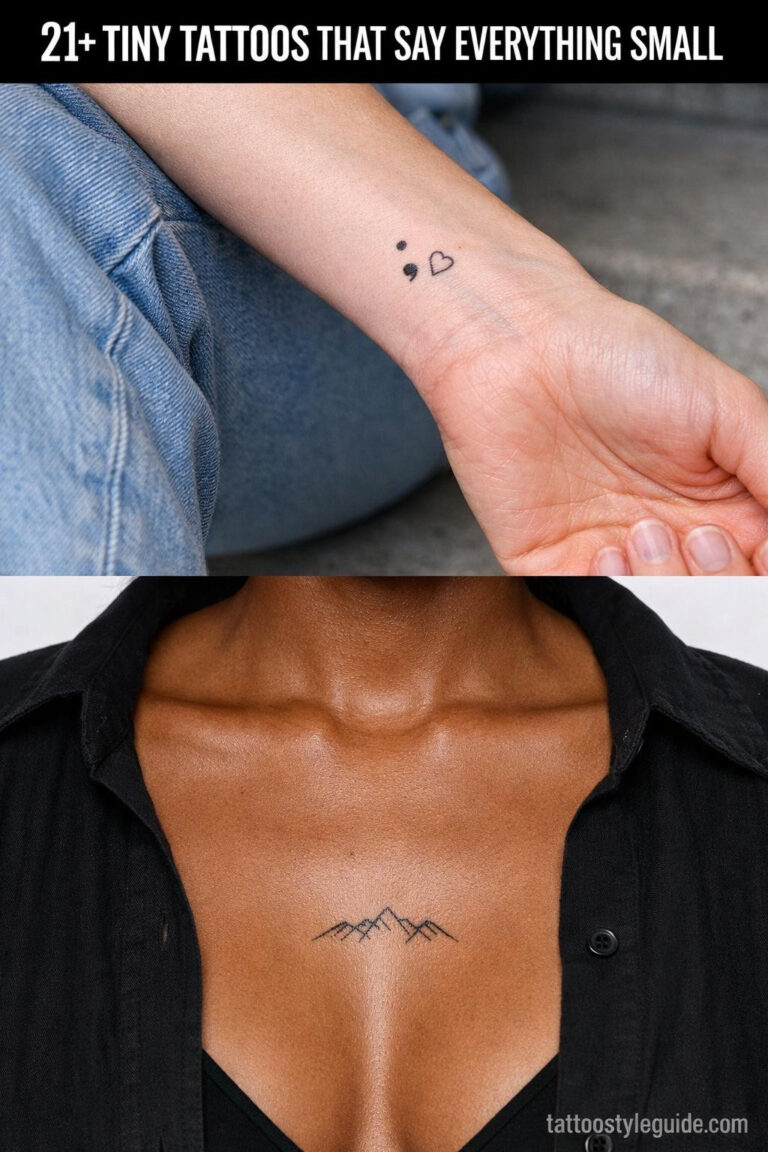
- Minimalist Semicolon Behind the Ear
1Tiny Fine-Line Heart Behind the Ear
Keep the heart simple: one clean pull with a single-needle liner and no fussy inner detail. On fair, cool-pink skin, that tiny black outline looks soft without disappearing. I’d place it just behind the upper ear curve, not jammed into the crease where hair, glasses, and movement can chew it up.
You want about 0.3 to 0.5 inches of open skin around it. That sounds picky.
It’s why the heart still reads as a heart years later instead of becoming a dot with anxiety. Black heals more reliably here than pale pink or grey, and it’s a calming first tattoo choice.
2Botanical Lavender Sprig Behind the Ear
Let the lavender follow the natural downward flow from the ear toward the neck. A fine-line lavender stem with five or six separated buds has that gentle, organic feel without turning into soup. Medium warm-ivory skin gives the black linework a crisp contrast in daylight.
Don’t ask for twenty tiny petals. You’ll get a more refined tattoo if your artist uses negative space between the buds and a slightly thicker stem.
I like pepper shading only at the base, because dense grey wash can heal patchy in this small placement. Keep your hair off it while it’s fresh.
3Delicate Red-Ink Rose Behind the Ear
A small rose in healed red tattoo ink can look charming behind the ear, especially on medium olive skin. The key is line structure. Watercolor-looking red without a black or deep-red outline tends to fade into a vague blush faster than people expect.
I’d use a muted wine-red outline and two or three open petals, not a full cabbage rose. It feels intimate, but it still has readable anatomy.
Red can heal beautifully, though you should patch-test if you’ve had sensitivity before. And yes, sunscreen matters once it’s healed.
UV is brutal on red.
4Minimalist Crescent Moon Behind the Ear
Use the ear’s curve as part of the design. A black crescent moon placed along the outer mastoid area can look like it’s tucked there on purpose instead of dropped onto random skin. Golden tan skin gives that slim arc a bright, clean read.
Skip tiny stars around it unless you’re willing to bump the whole design larger. The moon should be at least 0.6 inches long so its tips don’t blur together later.
Lines feel sharper in this bony spot, but the actual session is short. You can handle a few spicy minutes.
5Small Black Butterfly Behind the Ear
Choose a flash-style butterfly with bold outer wings and very little interior decoration.
6Meaningful Initials Behind the Ear
Initials work when you treat them like lettering, not a scribble. On deep ebony skin, a fine-line serif initial with enough line weight can heal clear and elegant. Go for one letter or two at most, with a little space between them.
I’ve seen people choose elaborate cursive for this spot, then wonder why it healed fuzzy. That size behind the ear is gonna mush out if every letter loops into the next. A small Roman serif, clean block letter, or simple lowercase script ages nicer.
Keep it personal, but let it breathe.
7Behind-the-Ear Angel Number Tattoo
Angel numbers need room between digits. A vertical 111 tattoo or 444 placed just behind the ear can feel subtle, modern, and meaningful without shouting. Fine-line lettering is great here when every number gets a deliberate, single-pass line.
Would 1111 look cooler than 111? Maybe.
But four narrow digits can become cramped on a small ear placement, especially if you want them under 0.75 inches tall. I’d pick three digits, use black ink, and ask for healed lettering photos before booking.
Crispy lines matter more than a trendy font.
8Watercolor Wildflower Behind the Ear
Anchor watercolor with line. Always. A watercolor wildflower tattoo needs a black or deep-plum stem underneath the soft color so it doesn’t heal flat.
On medium warm-ivory skin, little washes of violet, blue, and muted pink can look dreamy without getting loud.
Use color as spice, not the entire recipe. I’d ask for one saturated flower head and a few diluted petals fading down the neck.
That gives you movement while leaving the skin calm. Don’t overwork the area chasing perfect blends, though.
Behind-ear skin gets irritated fast, and irritated skin doesn’t heal cute.
9Behind-the-Ear Script Word Tattoo
Pick a word you can live with, then pick a font your artist can tattoo. A single-word script tattoo should run vertically or on a gentle diagonal behind the ear, following your neck instead of fighting it. “Breathe,” “always,” or a name can work if the letters stay open.
I’d avoid ultra-thin handwritten fonts with hairline loops. They look romantic fresh, then the downstrokes spread and close the counters in letters like a, e, and o. Ask for a stencil at normal viewing distance.
If you can’t read it in the mirror, your future self won’t either.
10Tiny Finger-Inspired Symbol Behind the Ear
Borrow the scale of finger tattoos, not their high-wear problems.
11Black-and-Grey Snake Behind the Ear
Let a slim snake curve with the anatomy instead of forcing a straight vertical design. A black-and-grey snake with a bold head, open scales, and soft grey wash can look dramatic behind the ear without becoming heavy. Deep brown skin with warm undertones gives the black outline real presence.
You don’t need every scale. Seriously.
I’d use grouped scale marks, a dark eye, and one clear S-curve so the snake reads instantly. Tiny realism is the losing option here because it asks too much from too little skin.
Give the head more contrast and the body less detail. That’s the move.
12Behind-the-Ear Matching Initial Tattoos
Matching initials should match in placement and line weight, not necessarily in exact font. A paired initial tattoo behind each person’s ear can be intimate without looking like a copied stamp. On deep ebony skin, slightly bolder black lettering will stay more visible than a whisper-thin line.
You and your person should both see the stencil before the needle starts. One ear may sit higher, one hairline may curve differently, and that’s normal.
I’d keep each initial around 0.5 to 0.75 inches tall. Matching doesn’t mean identical anatomy. It means the tattoos feel like they belong together.
13Fine-Line Sun Behind the Ear
Build the sun around a readable center. A fine-line sun tattoo with a small solid circle and eight to twelve rays looks warm, timeless, and far cleaner than fifty hair-thin rays. Fair cool-pink skin can make the negative space around it feel especially bright.
But don’t make every ray the same length. A few longer rays give it life, while the shorter ones keep the shape compact.
I like a 0.75-inch overall diameter for this spot. It’s small enough to stay private, large enough that you won’t lose the sun’s shape after normal line spread.
14Small Paw Print Behind the Ear
A paw print can be sweet without looking childish if you keep the pads solid and slightly separated. A black paw print tattoo works best tucked just behind the lower ear, where the round pads have enough smooth skin to stay clear. Medium warm-ivory skin gives the fill a soft but bold contrast.
I’d skip adding your pet’s full name in tiny script below it. That turns a clean symbol into a crowded label.
If you want a memorial detail, use one tiny heart-shaped pad or a date elsewhere on the neck. Keep this one simple.
Solid fill heals nice when you don’t scratch at it fifty times.
15Behind-the-Ear Birthdate Tattoo
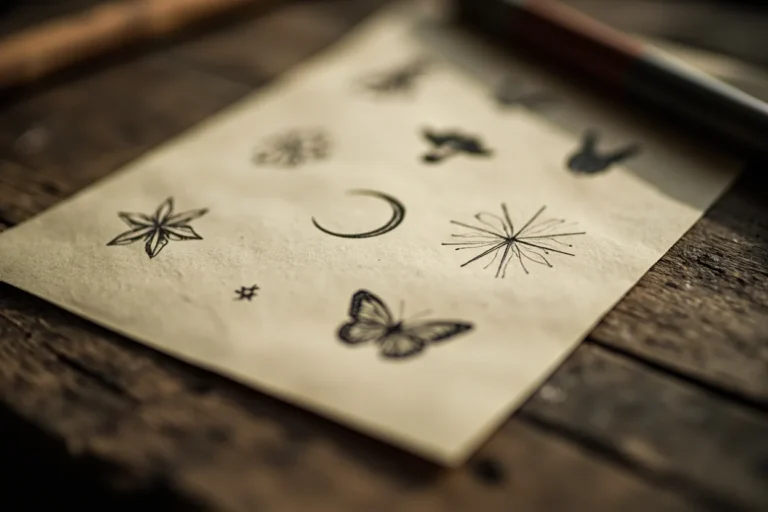
Birthdates need a format that won’t turn into microscopic bookkeeping. A Roman numeral date tattoo can look refined on an aged-paper flash reference, but the numerals must be spaced and thick enough to survive. Short dates work better than long strings of numbers.
You can also choose a month-and-day format with a dot separator, like 04.17, if you want the design less formal. I’d avoid adding flowers, stars, initials, and coordinates all in one piece.
That’s how a meaningful tattoo gets chewed up. One date. Clean typography.
Plenty of skin around it.
16Geometric Triangle Behind the Ear
Use geometry that respects a curved body part. A three-line triangle tattoo behind the ear should be slightly larger than you think, with confident lines that don’t overlap the ear fold. Golden tan skin gives simple black geometry a captivating, high-contrast look.
The Three-Line Rule is simple: three sides, one small negative-space center, no tiny shading pattern. I’d skip dotwork packed into the triangle because it can heal unevenly in this narrow placement.
Your artist should make each side with one clean pull, not ten fuzzy ones. Precision matters here.
17Tiny Japanese Wave Behind the Ear
Keep the wave illustrative, not a compressed copy of a full sleeve panel.
18Behind-the-Ear Portrait Silhouette
A silhouette is smarter than a tiny full portrait in this location. A micro-realism silhouette of a profile, pet, or child can feel intimate while keeping the tattoo readable on deep ebony skin. You get the emotion from the outline and negative space, not from trying to tattoo every eyelash.
The Shadow-Shape Method works because contrast does the heavy lifting. Ask for a clear forehead, nose, chin, and neck line, then one solid black area or soft grey wash.
I’d skip a full shaded face behind the ear. That much detail is likely to heal muddy, and you deserve better than a tiny grey blob.
19Minimalist Semicolon Behind the Ear
A semicolon is small, personal, and easy to place well, but it deserves the same care as a larger tattoo. A black semicolon tattoo should sit on smooth skin behind the lower ear, not directly in the deepest crease. Fair cool-pink skin makes that minimal mark look subtle and clear.
Choose a dot and comma shape with enough separation. If they touch after healing, the meaning gets lost visually.
This placement can be spicy because you’re close to bone, but it’s over quickly. Tap out for five rather than pass out on me.
You’ll leave with something quiet that still holds its ground.
What Behind-the-Ear Tattoos Cost and How They Heal
Most behind-the-ear tattoos land around $100 to $300 because studio minimums matter more than the actual minutes in the chair. Tiny doesn’t always mean cheap. You’re paying for a clean station, a skilled hand, sterile setup, and an artist who knows when to tell you that your reference is too detailed.
First few days, it’s an open wound. Wash gently with unscented soap, pat it dry, then use a thin layer of fragrance-free ointment or lotion your artist recommends.
Don’t suffocate it. Pools, direct sun, sweaty helmet straps, and picking flakes are all bad news.
The Placement Reality I Tell Clients
I’m Hazel, and I’ll be blunt: behind-the-ear tattoos are not fragile, but they are not magic either. I’ve watched people bring in Pinterest screenshots with hairline-thin branches, three names, a moon phase sequence, and a dozen dots, all meant to fit in a patch of skin smaller than a business card. It looks delicate on a screen.
On living skin, it needs a better plan.
The ear area moves when you sleep, wear glasses, use headphones, wash your hair, and pull your hair back. That doesn’t make it a bad placement. It means your artist needs to work with the flow.
The best pieces sit on the flatter skin behind the ear and use the ear curve as a guide. They don’t force a rectangle into a crescent-shaped area.
I also push back when someone says they want “tiny but super detailed.” Those two requests fight each other. Fine line can age soft and elegant, but every line broadens a little as your skin lives its life.
That’s normal. The tattoo that reads from across the room in ten years is usually the one with contrast, simple shapes, and enough open skin between parts.
Black is your best friend for longevity. Color is spice.
Red can be lovely, grey wash can heal velvety, and watercolor can look peaceful when anchored with line. But if you want a tattoo that stays legible through hair growth, sun exposure, and time, choose the clearest version of the idea.
Your skin isn’t printer paper. Treat it with some respect.
What People Always Want to Know
How much does a behind-the-ear tattoo usually cost?
Usually, expect about $100 to $300 for a small behind-ear tattoo. Studio minimums often run $50 to $100, while many US artists charge $100 to $250 hourly. Your price depends on placement, linework, region, and whether your artist is drawing custom.
Are behind-the-ear tattoos good for a first tattoo?
Yes, they can be a solid first tattoo if you choose a simple black design. The session is usually short, the area stays fairly private, and you can pick something meaningful without committing to a large piece. Keep it readable, not microscopic.
How do I choose an artist for a behind-the-ear tattoo?
Choose an artist with healed examples of clean fine-line tattoos, not only fresh photos. You want crisp lettering, smooth curves, and black that healed evenly. Check studio hygiene, ask about placement, and walk if the artist agrees to tattoo an over-detailed design without discussion.
How much do behind-the-ear tattoos hurt?
They’re usually moderate to spicy because the skin sits close to bone. The pain is brief, though.
Lines feel sharp, shading feels like a dull burn, and color packing is often the spiciest part. Outer arm, calf, thigh, and shoulder are generally more chill.
How long does a behind-the-ear tattoo take to heal?
Surface healing takes about 2 to 3 weeks, while full settling can take 2 to 3 months. Wash with gentle unscented soap, moisturize lightly, and avoid pools and direct sun. It’ll peel like a sunburn, so don’t pick the flakes.
What’s the best placement behind the ear?
The best placement is usually the flatter skin just behind the ear, following the natural neck flow. You’ll get better visibility when hair is tucked back and less distortion than in the deepest crease. Keep designs away from constant glasses or headphone friction.
Where I’d Start First
If I had to pick one, I’d start with the tiny fine-line heart. It’s simple enough to age cleanly, but it doesn’t look like filler. Pin the heart for later and bring it to an artist as a vibe reference, not a photocopy.