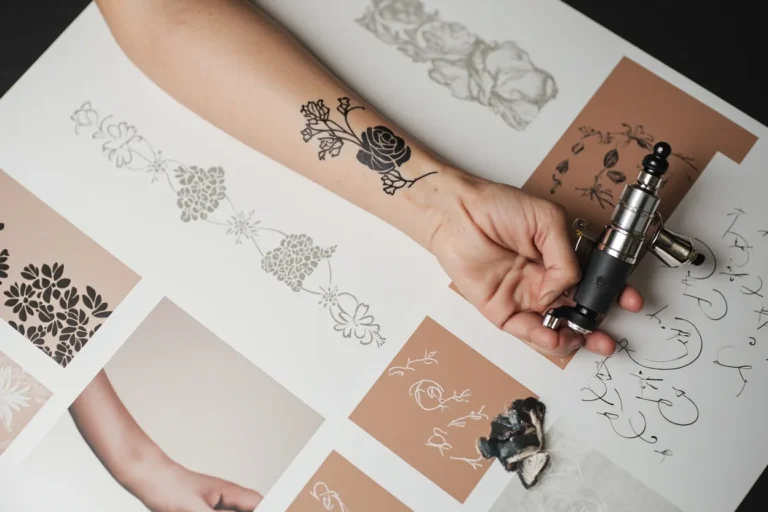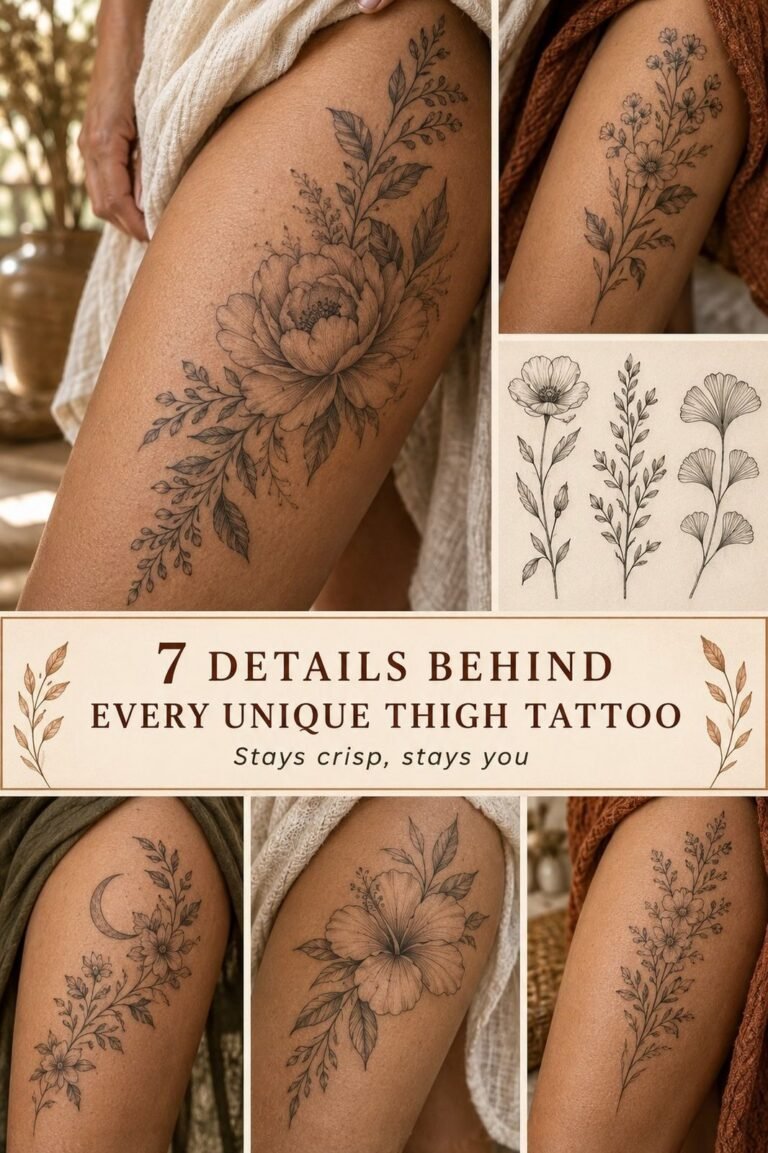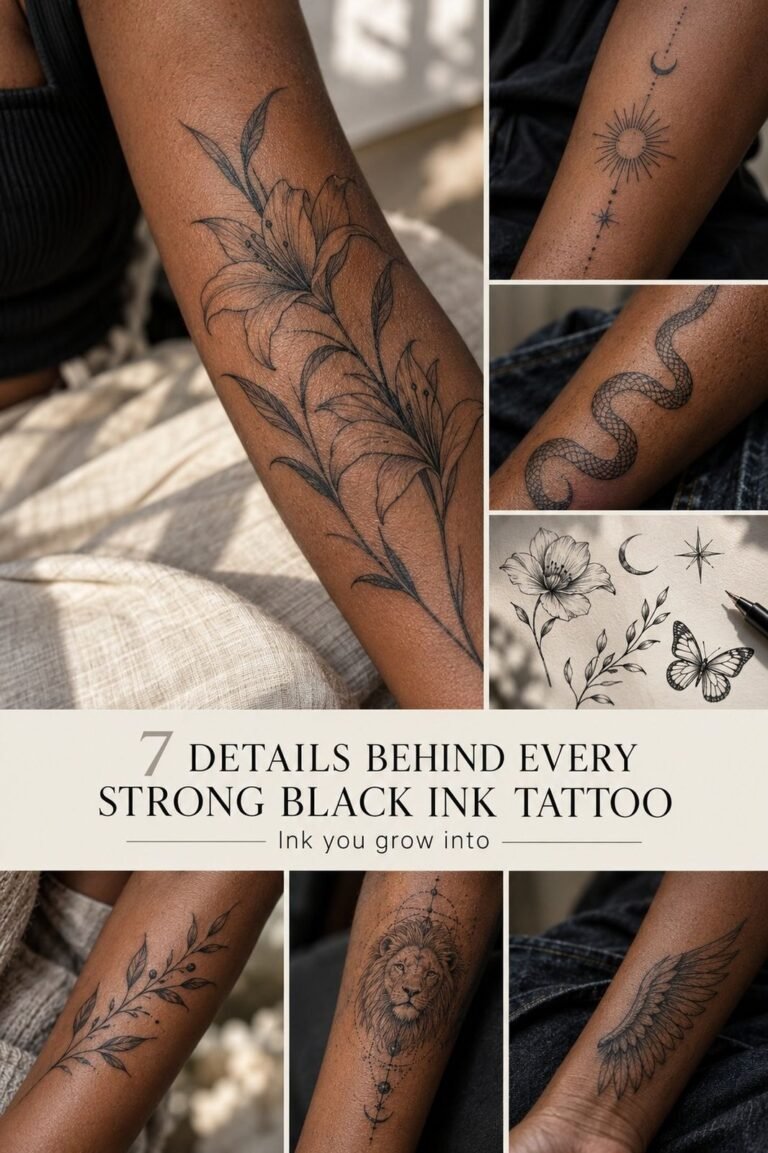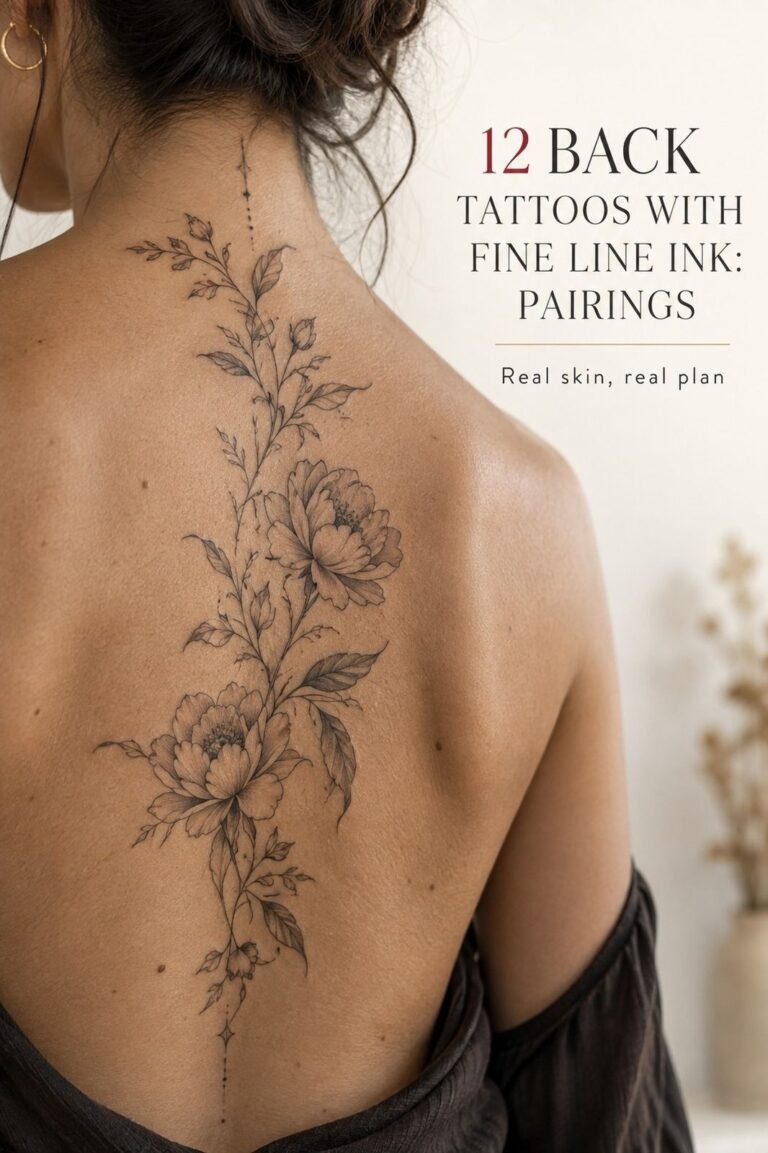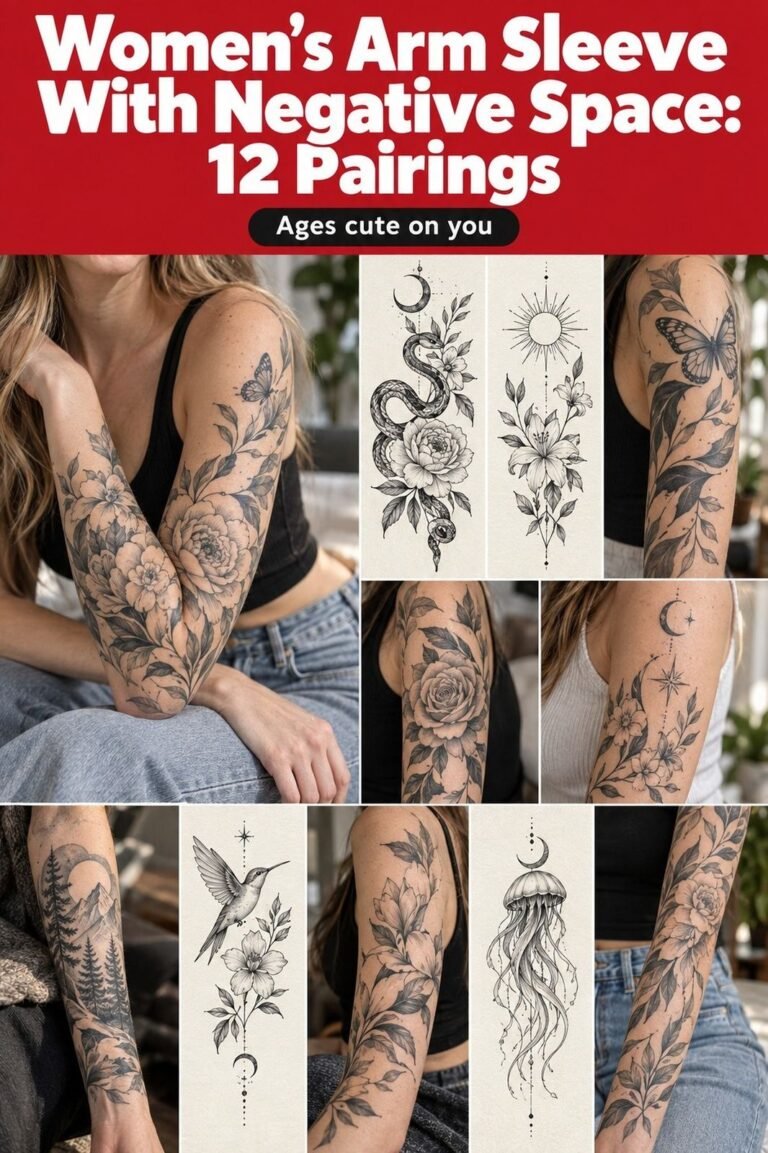
Forearm tattoo ideas work well because the skin is relatively flat, visible, and easy for the artist to access. That also means the design has nowhere to hide.
Quick answer: Good forearm tattoo ideas include fine line florals, traditional motifs, blackwork symbols, animals, script, geometric pieces, meaningful dates, patchwork designs, and pieces that can later connect into a sleeve.
Forearm ideas by size
Forearm tattoos can be small, medium, or sleeve-building pieces. Size changes the whole decision.
| Idea | Best use | Watch-out |
|---|---|---|
| Small symbol | First tattoo | May feel lonely if too tiny |
| Medium floral | Readable statement | Needs flow with arm |
| Traditional motif | Bold long-term work | Choose strong colors or black |
| Geometric design | Clean structure | Straight lines expose errors |
| Patchwork starter | Future sleeve | Plan spacing early |
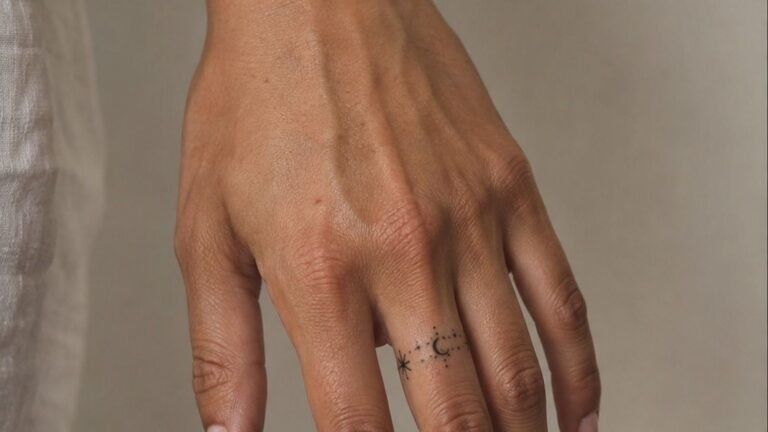
Small pieces, think two to three inches, live best on the inner forearm just below the elbow ditch or up near the wrist. That zone stays flat, heals clean, and a tight little design reads sharp for years. Go smaller than two inches with fine line and you’re gambling. Thin strokes in a compact space tend to fill in after the first heal, especially on anyone with warm or oily skin.
Full sleeves and large panels need room to breathe, so map the design from wrist to elbow ditch before your artist draws a single line. A strong forearm piece, roughly four to seven inches, hits the outer forearm best. The muscle there gives the design a natural anchor and keeps it from warping when you flex. Medium pieces in that three to five inch range are the sweet spot for most clients: enough detail to tell a story, not so much that it becomes a commitment you can’t finish.
Visibility changes the decision
The forearm never lies, every style shows exactly what it's made of.
Forearm tattoos are easy to see every day. That is good if you want the design to feel part of your style, and bad if you are unsure about the subject.
The outer forearm is often a calmer first tattoo placement than ribs, feet, or fingers. The inner forearm can feel more sensitive but still works for many people.
The outer forearm is basically a billboard. Rolled-up sleeves, short sleeves, tank tops, doesn’t matter, that real estate is visible almost every waking hour. That’s great for bold black and grey or saturated traditional work that reads from across the room. It’s not ideal if you work a client-facing job with a conservative dress code, because a standard dress shirt won’t cover it.
The inner forearm is more of a private viewing. You control the reveal by rotating your wrist. Fine line portraits, small scripts, and delicate botanical work look stunning there. Just know the inner arm is spicier than the outer, especially toward the wrist and the elbow ditch, and skin there can be thinner, which means your artist needs to be dialed in on pressure to avoid blowout on those crisp lines.
Before you commit
Use the forearm layout to your advantage.
- Ask whether the tattoo should face you or others.
- Ask how it could connect to future work.
- Ask how sun exposure affects the style.
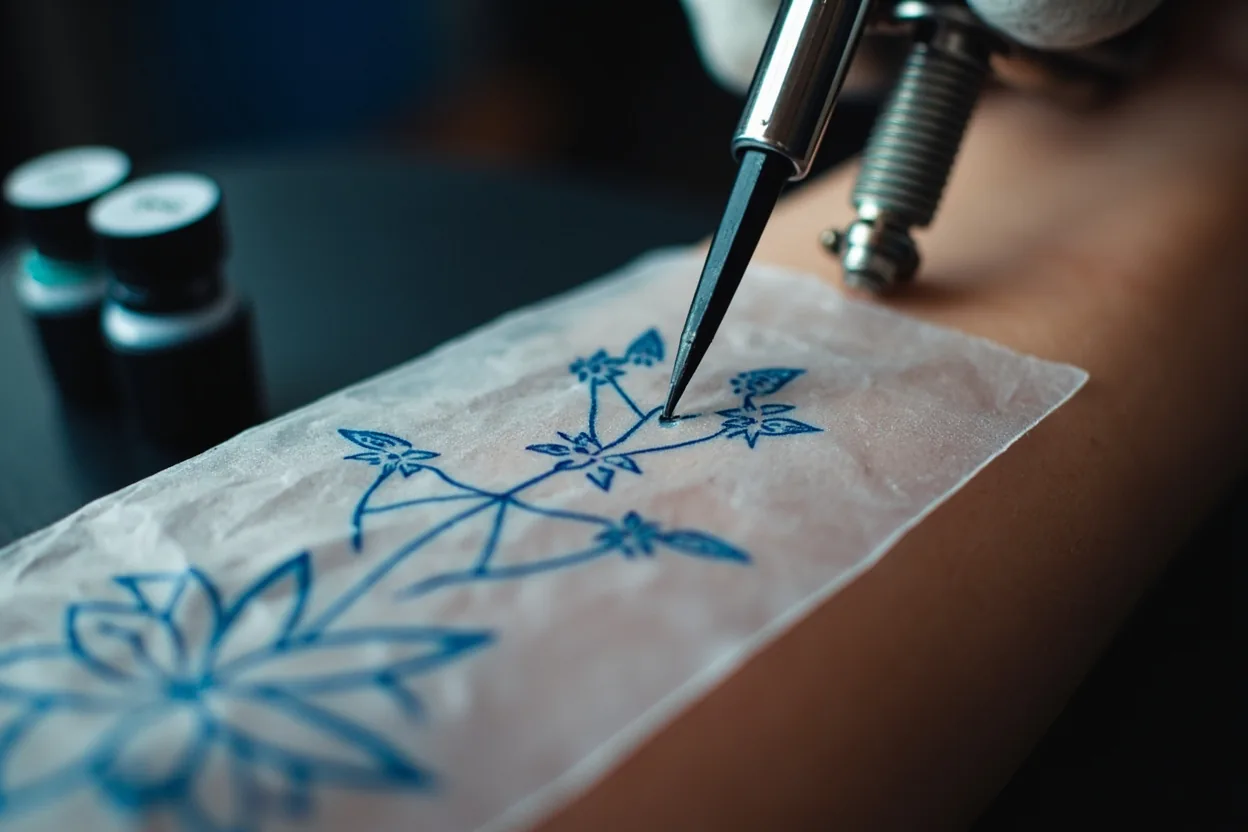
- Ask to check the stencil with your arm relaxed.
Talk to your artist about how the design sits relative to your natural arm rotation. Some people pronate their forearm inward habitually, which means a design facing one direction when you’re standing might look sideways to everyone else in conversation. Stand in front of a mirror with your arm at a relaxed position, not flexed, not extended, and check the orientation. That’s the position most people will see it from.
Healing on the forearm takes two to four weeks for the surface, and three to six months for the ink to fully settle into the skin. High-wear zones like the inner wrist and over the elbow see more friction from sleeves, desk edges, and daily movement. Budget for a touch-up, especially on fine line work. Black and grey with whip shading and bold traditional pieces hold up with less intervention, but fine line color is the most likely to need attention after the first year.
Forearm mistakes
Do not choose a forearm tattoo only because it photographs well. You will see it constantly.
If you might want a sleeve later, do not scatter random small tattoos without thinking about future spacing.
The biggest forearm mistake is going too small with too much detail. An artist can draw a tight geometric mandala at two inches, but by month six it can look like a smudge. Bold will hold. If you love detail-heavy work, size it up or have your artist simplify the line weight so every element stays readable after the skin heals and settles. Anything thinner than a quarter millimeter in a high-wear zone is a risk.
Placement drift is another one clients don’t think about until it’s done. Designs placed too close to the wrist wrap awkwardly on smaller forearms, and anything centered poorly on the arm can look crooked when you hold it at a natural angle. Sit with your arm relaxed and have your artist place the stencil that way, not while you’re flexing or holding your arm up. Also skip sun exposure for at least four weeks post-session. The forearm gets hammered by UV compared to covered skin, and fading in the first few months is brutal on color saturation.