Soft girl tattoo ideas can be charming without becoming disposable. The trick is making the design gentle without making it too weak to heal.
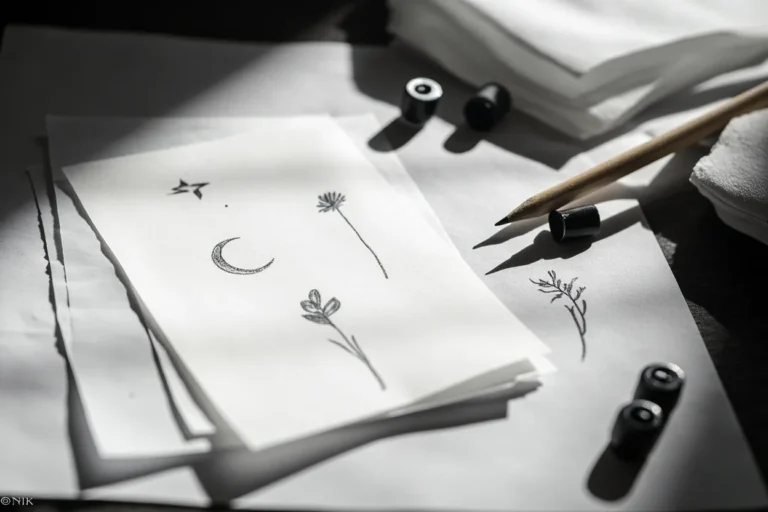
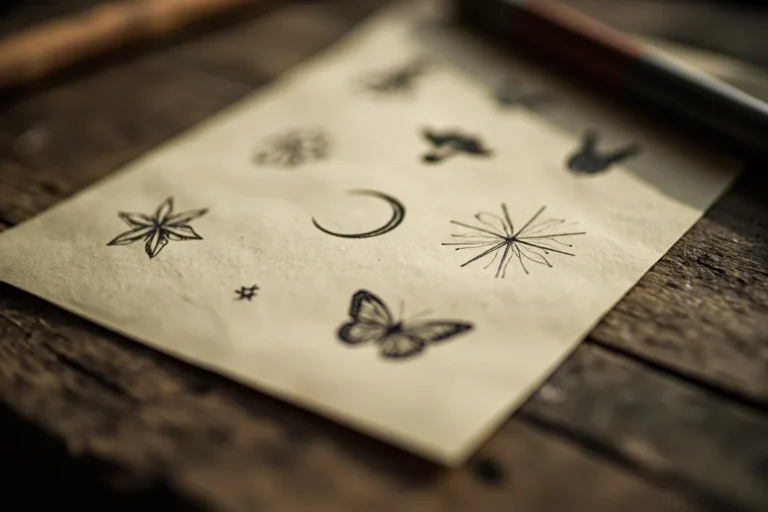
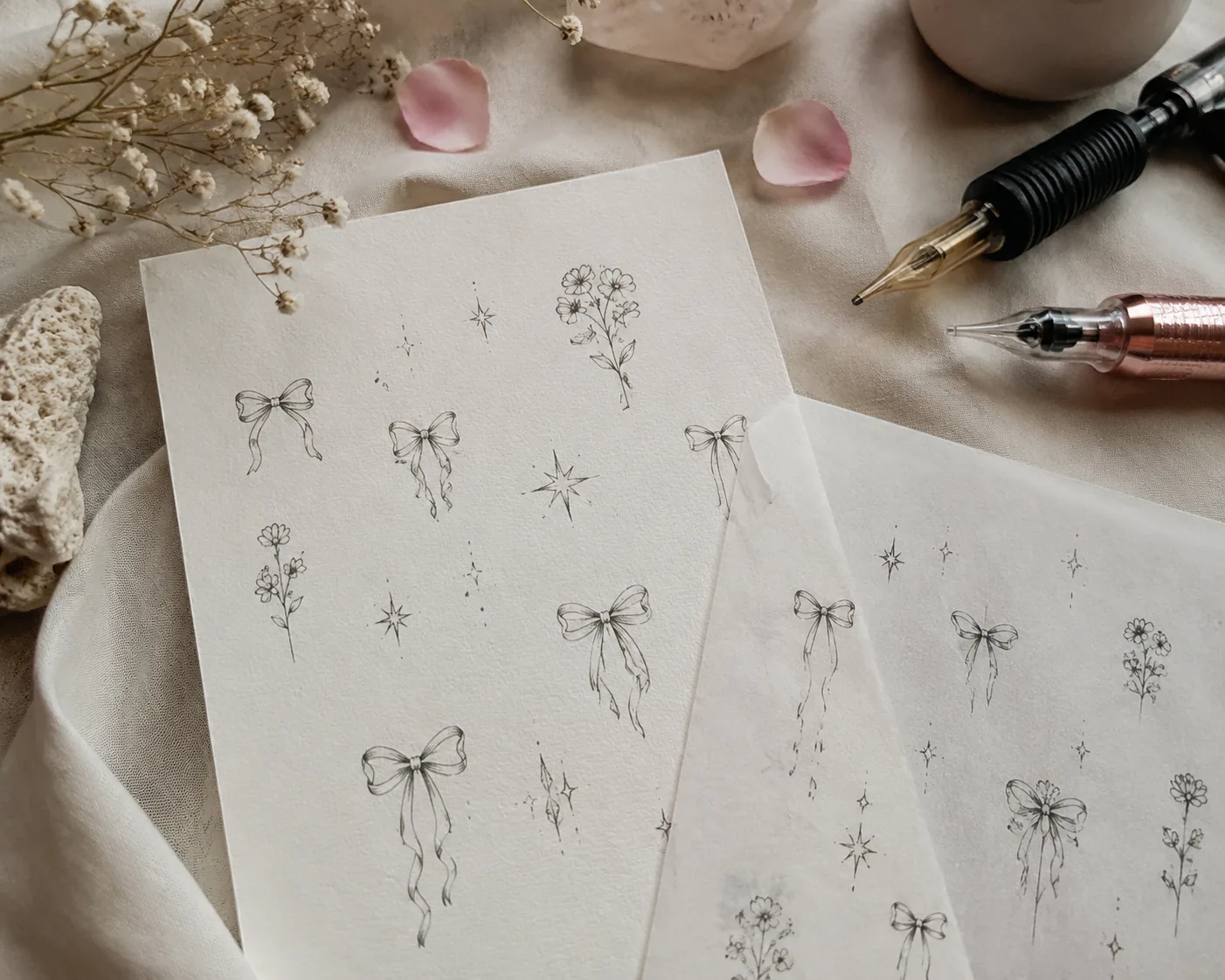
Quick answer: Good soft girl tattoo ideas include small flowers, bows, stars, hearts, butterflies, cherries, tiny script, moons, sparkles, and fine line symbols placed with enough spacing to stay readable.
Soft tattoo directions
Soft designs work best when they choose one cute idea and keep it clean.
| Option | Best use | Keep in mind |
|---|---|---|
| Tiny bow | Playful feminine mark | Loops need space |
| Small flower | Soft personal symbol | Petals can blur |
| Sparkle or star | Simple accent | Do not make it microscopic |
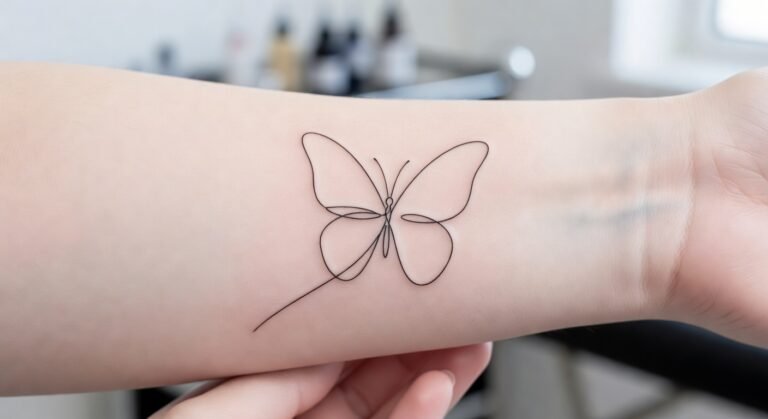
| Butterfly | Change and softness | Wing detail needs size |
| One-word script | Private phrase | Keep lettering readable |
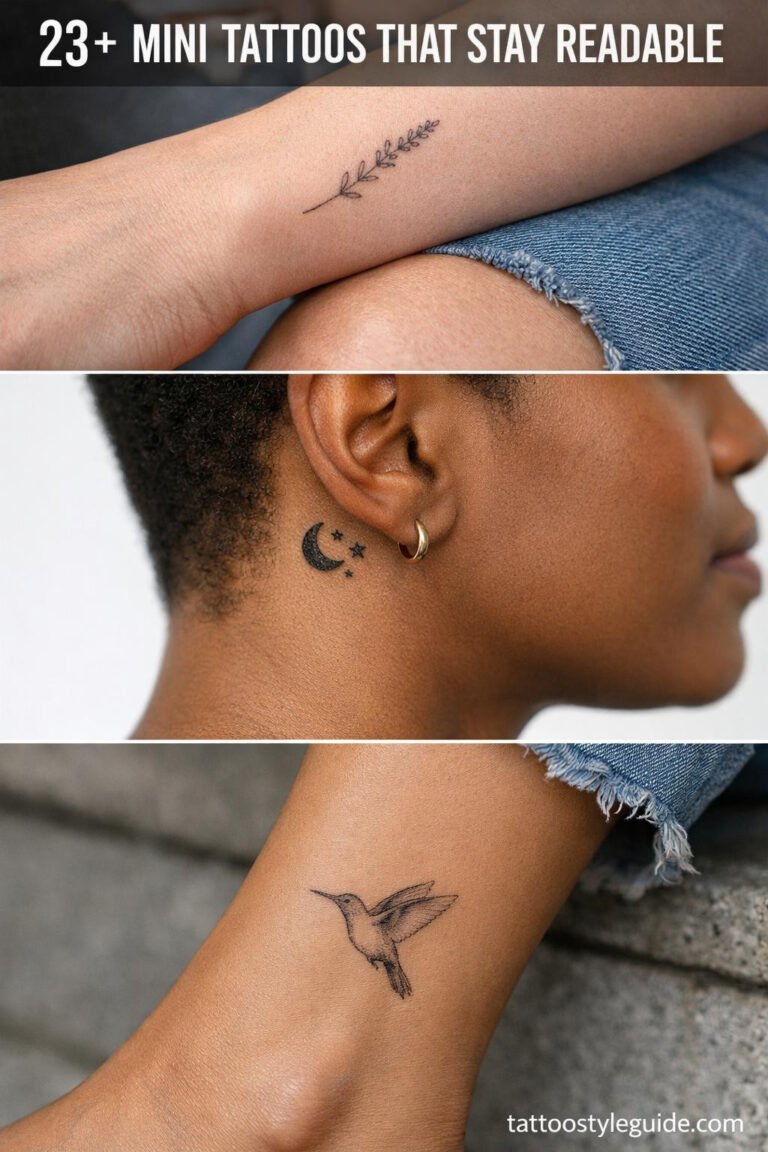
Soft girl tattoos lean heavily into florals, butterflies, stars, clouds, and vintage-cute imagery, but the ones that actually hold up over time share a specific quality: they’re drawn with enough weight in the linework that the design still reads five years in. Fine line micro pieces can look stunning fresh, but if the artist is working under 0.5mm line width with zero shading backup, you’re gambling on blowout and fade by year three. Ask your artist whether they whip shade the petals or leave them open. A little texture inside the shapes buys you years of clarity.
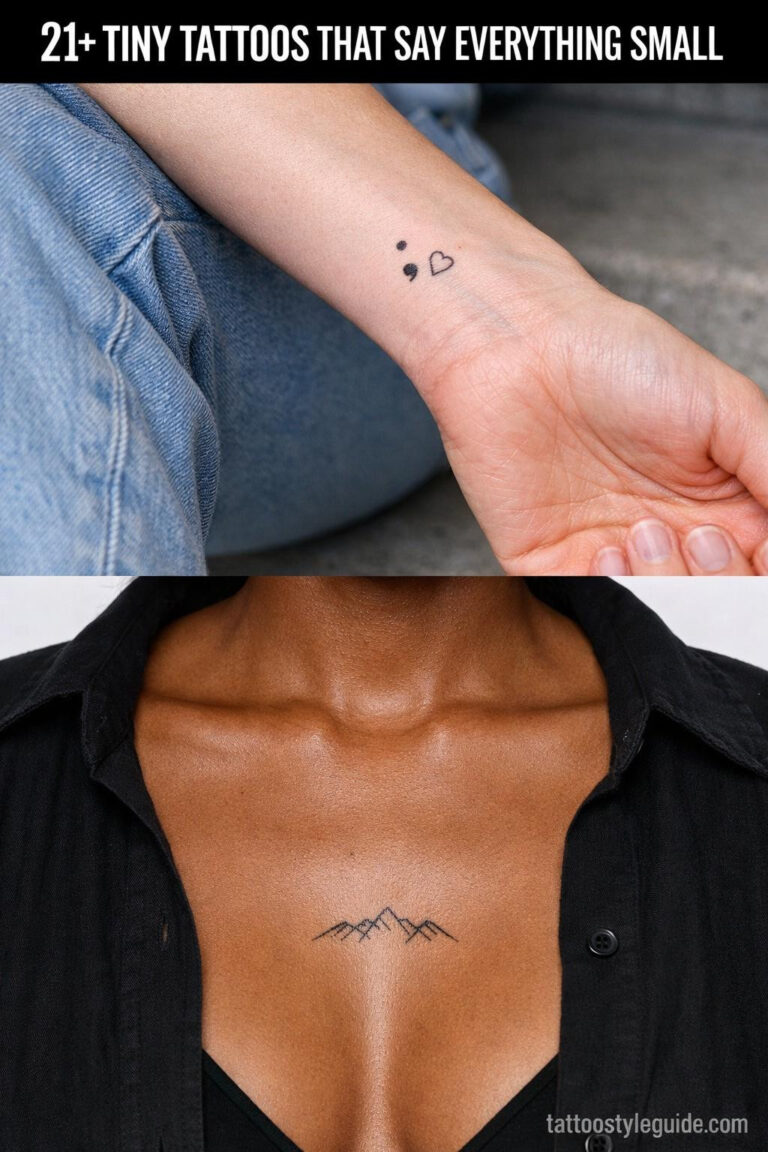
Placement matters as much as style here. Inner wrist, sternum, ribcage, and behind-the-ear are all popular soft-girl zones. The sternum and ribs look incredible healed but run spicy during the session. Inner wrist is lower on the pain scale and heals fast, usually two to three weeks, but it’s a high-wear zone so moisturizing during healing is non-negotiable. Behind the ear fades faster than most spots because of friction from hair and earrings, so go slightly bolder than you think you need.
What makes this work on real skin
Soft doesn't mean temporary, the right linework outlasts every trend.
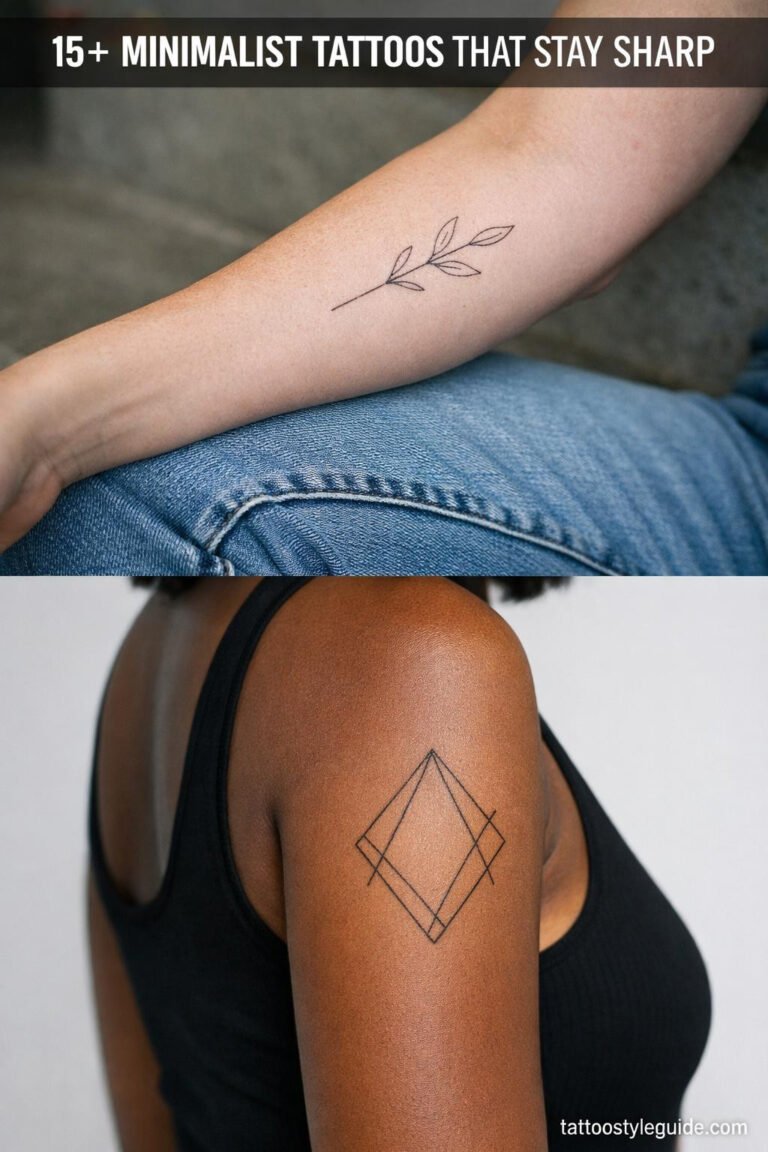
Soft does not mean invisible. A slightly stronger line can keep the tattoo cute longer.
Choose placements with lower friction if you want fine line softness: forearm, upper arm, shoulder, rib, or ankle rather than fingers.
Skin tone and undertone affect how soft-palette colors read long-term. Pastels, lavender, baby pink, and soft yellows look crispy on lighter skin fresh out of the session, but on medium to deep skin tones those same pigments muddy fast because there’s not enough contrast against the dermis. Swapping to saturated versions of those colors, think jewel-toned purple instead of lavender, or black and grey with soft shading instead of pastel color, gives you the same vibe with way better longevity across all skin tones.
The linework structure underneath is the real skeleton of the piece. Bold will hold is a cliche because it’s true. A butterfly with a 1pt outline and zero fill will look like a smudge in a decade. The same butterfly drawn with confident, clean outlines and some whip shading in the wings will still read from across the room at year ten. Your artist’s portfolio should have healed photos, not just fresh ones. If they can’t show you work that’s two or more years old, that’s information.
Before you book or apply it
Ask the artist which details should be simplified before the tattoo gets too tiny.
- Use one main motif.
- Keep spacing open.
- Ask for healed fine line examples.
- Avoid high-friction placements for the most delicate designs.
Do your skin prep before the appointment. Moisturize the area daily for at least a week out, show up hydrated, and don’t sunburn the spot. Sunburned or peeling skin forces the artist to either reschedule or work on compromised canvas, and ink doesn’t seat cleanly in damaged skin. Avoid blood thinners like alcohol and ibuprofen for 24 hours before your session. For placements like the ribcage or sternum, eat a real meal beforehand. Those sessions run spicy and your blood sugar dropping mid-session is a problem.
If you’re considering henna as a test run before committing to ink, stick to natural henna only. Black henna contains PPD, a chemical that causes serious allergic reactions and can leave permanent scarring. Real natural henna stains orange to dark brown, lasts one to three weeks depending on placement and skin chemistry, and is genuinely useful for testing whether you like a design’s scale and position on your body. Hands and wrists take henna the darkest. Torso stains lighter because the skin is softer and less keratinized.
Mistakes to avoid
Do not copy every micro tattoo from one aesthetic board into a patchwork without spacing.
Do not make the tattoo so light that it only works in the fresh photo.
The biggest mistake is going too small and too fine on a high-movement area. A delicate 2-inch floral on your ankle sounds perfect until you realize that zone flexes constantly, sweats, and rubs against shoes during healing. Ink migration and blowout are more common there than on flatter, lower-friction spots. If you want something dainty on the ankle, size it up by at least 20 percent from what you’re picturing and make sure the outlines have actual weight. Your artist should push back if the design is too intricate for the placement.
Don’t skip the touch-up appointment. Fine line soft-girl work often needs a pass at six to eight weeks healed to pack in any spots where the ink didn’t seat fully. Most reputable artists include one free touch-up in the price of the piece. Skipping it because you think it looks fine fresh is how you end up with a patchy tattoo at the two-year mark. Also, sunscreen on healed tattoos is not optional if you want color and line clarity. UV breaks down pigment faster than anything else.