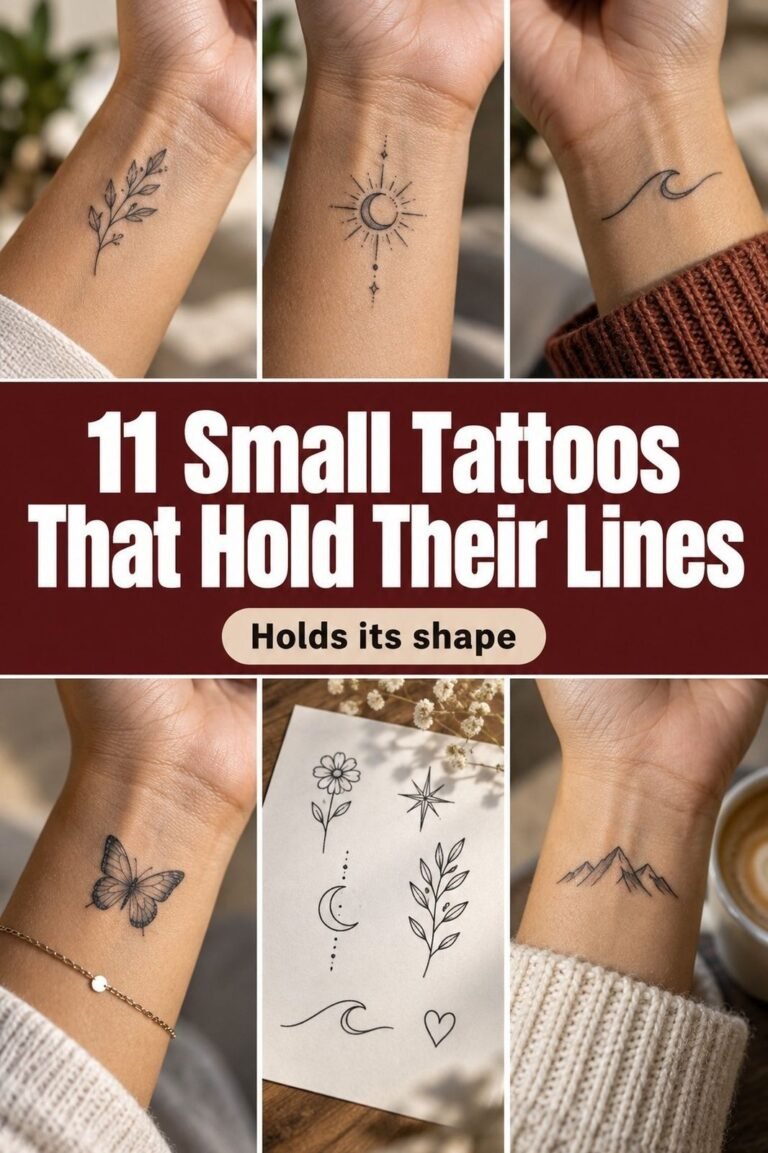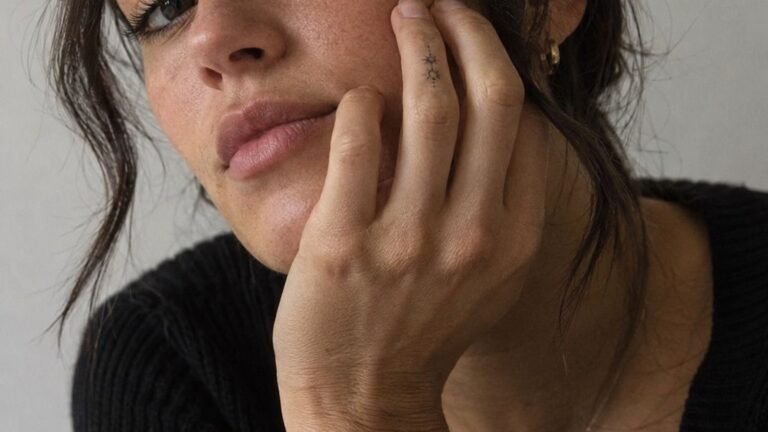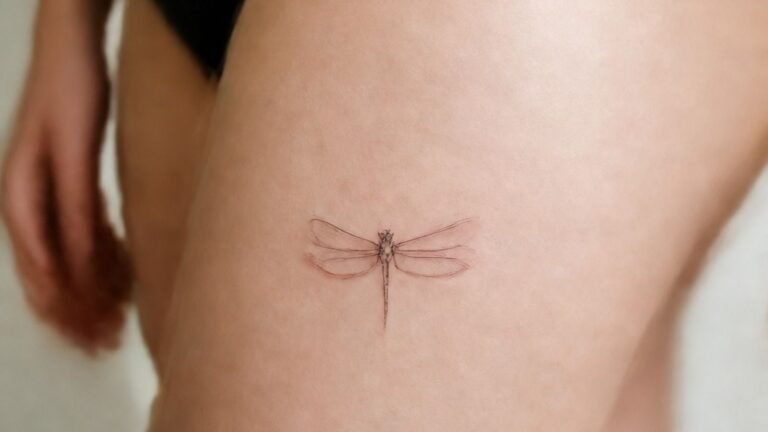
A face tattoo is the most visible, most permanent and least forgiving placement in tattooing. Done well, a small fine line piece can suit you for life. Done on impulse, it follows you into every job interview, border check and first impression you will ever have.
Quick answer: Face tattoos are among the most painful and least reversible tattoos you can get. Temple, brow and forehead hurt most because the skin is thin over bone. Fine line symbols and small ornamental work age better than dense blackwork or lettering. Before you commit, weigh the employment and social cost honestly, then test the placement with a long temporary first.
What you are actually deciding
Almost every other placement gives you an exit. A forearm hides under a sleeve, a thigh under jeans, a chest piece under a shirt. The face does not. You wear it in every conversation, on your passport photo, in every job you apply for and every room you walk into. That is the whole point for some people, and the reason it deserves more thought than any other tattoo you will ever consider.
This is not here to talk you out of it or to lecture you. It is here to give you the honest picture: how much it hurts by zone, what it costs you socially and professionally, why removal is so hard on facial skin, which styles actually hold up, and what you can expect to pay. If you read all of it and still want the piece, you will at least be walking in with your eyes open.
Pain by zone of the face
The bone rule
The rule across the whole face is simple. Thin skin sitting close to bone, packed with nerve endings, hurts more. There is very little fat or muscle on the face to cushion the needle, so vibration travels straight into the skull and teeth. That buzzing sensation is what most people remember more than the surface sting.
| Zone | Pain level | Why |
|---|---|---|
| Forehead and hairline | Very high | Thin skin straight over bone, intense vibration through the skull |
| Temple | High | Thin skin, dense nerves, close to the eye and hairline |
| Brow ridge | High | Bone and nerves around the eye socket make it sharp and zingy |
| Nose bridge and side | Very high | Cartilage and thin creased skin sit in the brutal range |
| Cheek (flat area) | Medium high | A little more tissue, but still thin and near bone |
| Under eye and cheekbone | High | Very thin skin and proximity to the eye |
| Jawline | High | Bone close to the surface, strong vibration into the teeth |
| Chin | Medium high | More tissue than the forehead, but heavy buzzing through the jaw |
What makes it worse
Pain also climbs with the design itself. A small clean line near the temple is over quickly. Solid black fill or dense shading hurts far more because the needle passes over the same skin again and again. Sitting tired, dehydrated or hungover makes all of it worse, and the face is not the place to find that out.
Ask for the smallest version of the idea that still reads clearly. On the face, restraint ages better than ambition, and a piece that needs less needle work means less pain and less skin to repair if you change your mind.
What it costs, in money and in friction
Pricing
Face tattoos run from roughly $200 for a tiny, quick piece by a competent artist to $1,500 or more for detailed work from someone with a strong reputation in facial placement. The premium is not just for skill. It is for the artist’s willingness to take on a piece that will be scrutinized daily, photographed constantly, and blamed on them if anything goes wrong.
Most artists charge a flat session rate for faces rather than by the hour, because the stress and precision demand their full concentration regardless of clock time. Expect to pay more in major cities, less in smaller markets, and remember that the lowest bid is rarely the right one for this placement.
The social bill
A visible face tattoo remains one of the most stigmatized body modifications in mainstream working life. This is not a moral judgment, it is the situation you are choosing to live inside. Studies on hiring have consistently found that people with visible tattoos are filtered out of customer-facing and management roles more often, and the face removes any chance of covering up for an interview.
Some industries barely notice. Tattooing, music, nightlife, gaming and parts of the creative and startup world are largely indifferent, and in a few of them it can even read as a fit. Others are far less forgiving. Banking, insurance, law, healthcare, aviation, education and most public service roles still treat a face tattoo as a liability, fairly or not.
Geography matters too. In some urban scenes it barely registers, while in many countries a face tattoo is strongly linked to gangs or marginalization and draws real hostility. You also cannot opt out of it on a hard day. It shapes dating, travel and every cold first impression, with no off switch.
None of this means you should not do it. It means you should know which doors narrow before you walk through the studio, not after.
Why removal is so hard on the face
The skin problem
People talk themselves into face tattoos by telling themselves lasers have improved. They have, but facial skin is among the most delicate and cosmetically unforgiving on the body. Laser removal on the face carries higher risks of scarring, pigment changes and texture damage than on the back or thigh. The skin is thin, sun-exposed, and constantly moving with expression. Multiple sessions are guaranteed, complete removal is not, and the process is expensive, often running into thousands of dollars with no promise of clean skin at the end.
Covering a face tattoo is even harder. There is little surrounding skin to pull from, and the face does not tolerate large, dark coverup pieces gracefully. What goes on your face needs to be treated as permanent in a way that arm or leg work does not.
The aging factor
Facial skin ages faster than almost anywhere else. Sun exposure, expression lines, collagen loss and gravity all work against tattoo clarity. A piece that looks crisp at twenty-five can blur and migrate significantly by forty, especially around the eyes and mouth where skin moves most. This is not a reason to avoid face tattoos entirely, but it is a reason to choose styles that accommodate change rather than fight it.
Styles that actually hold up
Fine line and ornamental
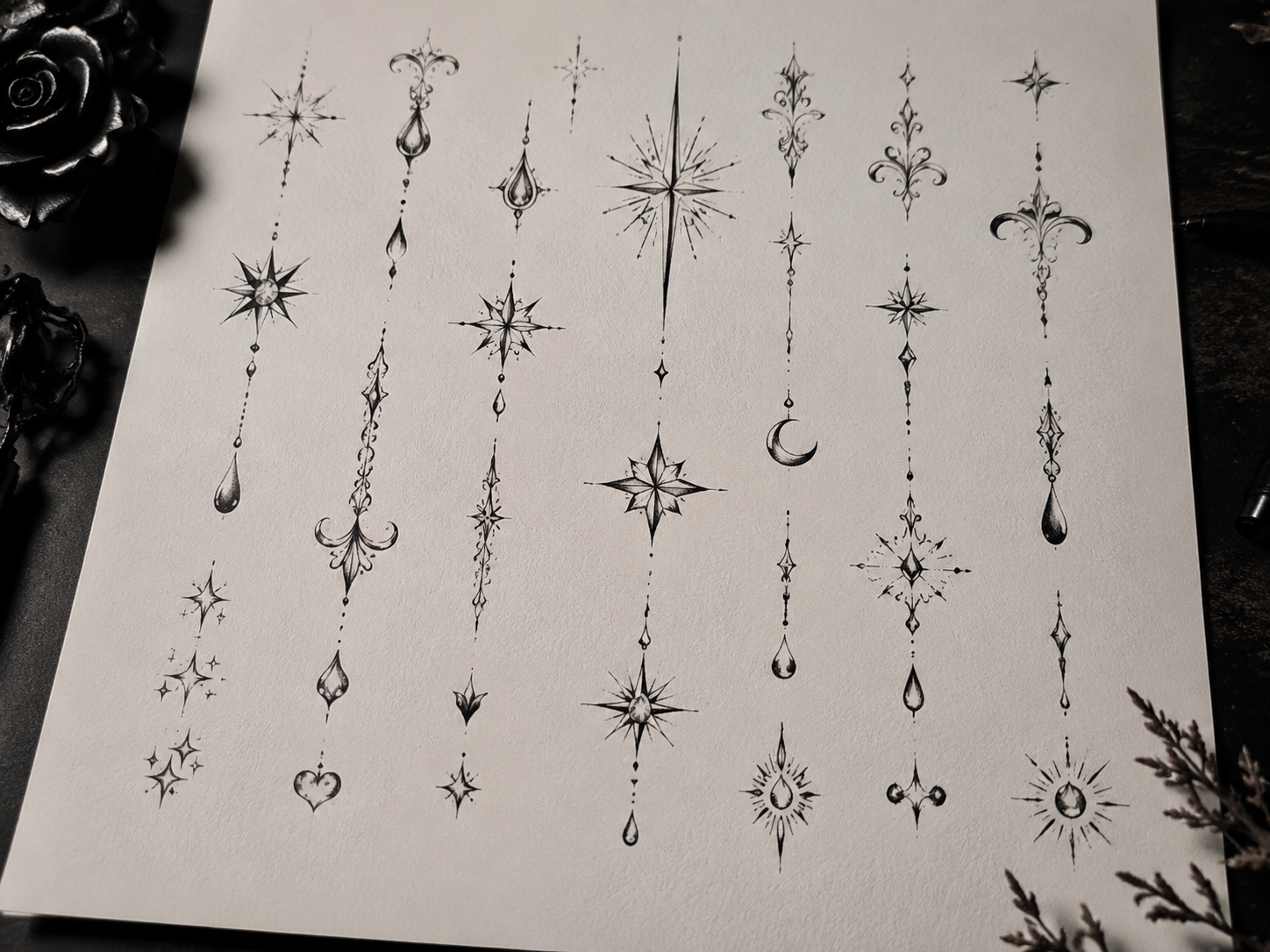
Small, single-needle ornamental work, dotwork mandalas, tiny symbols and clean geometric shapes tend to age best on the face. They rely on line clarity rather than solid fill, which means less trauma during application and less visible degradation as the skin shifts. The temple, jawline and side of the neck are the most forgiving canvases for this approach.
Keep it away from the mobile zones: crow’s feet, laugh lines, the center of the forehead where expression creases run deepest. A dot or line that crosses an active wrinkle will distort predictably and unattractively.
What to avoid
Dense blackwork, heavy tribal, large lettering and solid fill all age poorly on facial skin. They require more passes with the needle, which traumatizes thin skin and increases blowout risk. Lettering in particular is dangerous: tiny text spreads and blurs, becoming illegible within a few years, and larger text dominates the face in a way that few people want long-term.
Going too small is equally risky. Extremely fine detail, miniature portraits, hair-thin lines: these look impressive fresh but spread aggressively on face skin, turning into soft blurs that are neither attractive nor meaningful. The sweet spot is simple, legible, slightly bolder than you think you need, and placed on relatively stable skin.
Testing before committing
The best advice I can give is to wear a temporary version for several months. Henna, jagua, or high-quality cosmetic temporary tattoos applied to the exact placement let you experience the reactions, the mirror shock, the job conversations, and the sleep-on-it mornings. Most people who do this either confirm their choice with confidence or realize the placement was impulse, not identity. Either outcome is valuable.
Choosing the right artist
Book only with an artist who has a dedicated portfolio of healed face tattoos, not just fresh photos. Fresh work hides migration and blowout that show up at six months. Ask to see pieces they did two or three years ago, on skin similar to yours. If they hesitate, go elsewhere.
The consultation matters more than for other placements. A good facial tattoo artist will talk you out of bad ideas, suggest scale adjustments, and refuse work they do not believe will age well. If someone agrees to whatever you want without pushback, they are not respecting the placement.
Hygiene standards should be immaculate. The face is close to the eyes, nose and mouth, all entry points for infection. The studio should feel closer to a medical environment than a social one.
What to Remember
A face tattoo is not like other tattoos. The pain is sharper, the social cost is real, the removal is uncertain, and the aging is accelerated. The styles that work are simple, stable and slightly conservative by design. The artists who should do it are selective, experienced and willing to say no.
If you still want it after all of that, you are probably ready. Walk in knowing exactly what you are buying, what you are giving up, and what you will see every morning for the rest of your life. That is the only honest way to get a face tattoo.
Frequently Asked Questions
What is the most painful place to get a face tattoo?
The forehead, temples, nose bridge and under-eye area are generally the most painful. These zones have thin skin sitting directly on bone with dense nerve clusters, so needle vibration travels into the skull and teeth with little cushioning.
How much does a face tattoo typically cost?
In the US, expect $200 to $1,500 or more. Small simple pieces from competent artists start around $200-400. Detailed work from artists with strong facial portfolios runs higher, often as flat session rates rather than hourly pricing.
Can face tattoos be removed?
Laser removal is possible but difficult on facial skin. The risk of scarring, pigment changes and texture damage is higher than on the body. Complete removal is not guaranteed, multiple expensive sessions are required, and coverups are extremely limited due to lack of surrounding skin.
What tattoo styles age best on the face?
Fine line ornamental work, small geometric symbols, dotwork and clean single-needle designs tend to hold up. Avoid dense blackwork, large lettering, solid fill, and extremely fine detail that spreads into blur as skin ages.
Should I try a temporary tattoo before getting a real face tattoo?
Yes. High-quality temporary tattoos or henna applied to the exact placement for several months let you experience daily visibility, social reactions and professional contexts before committing to permanence.