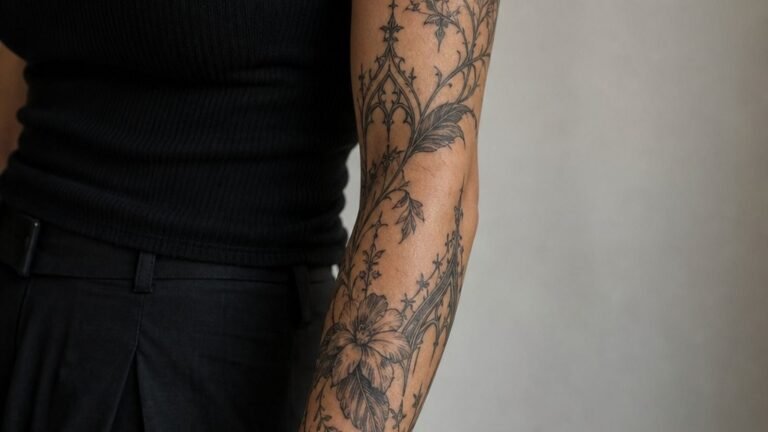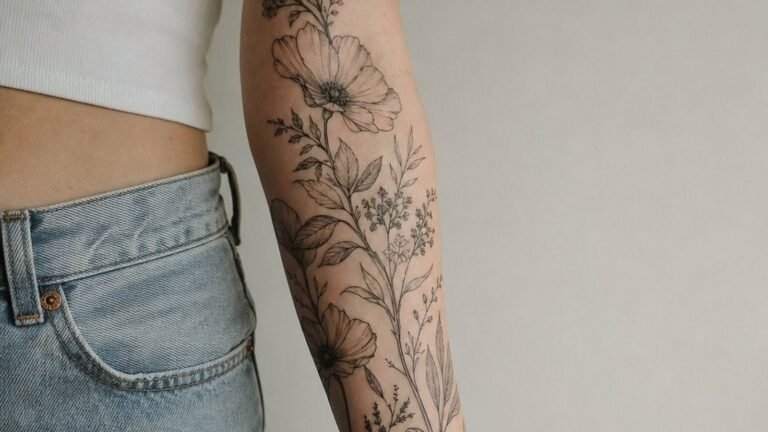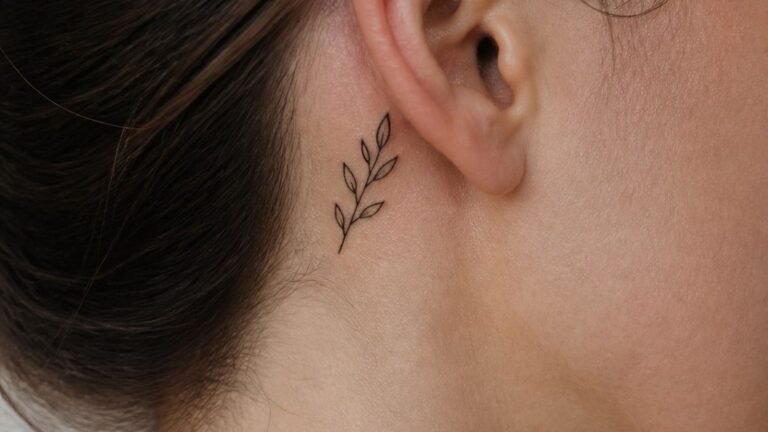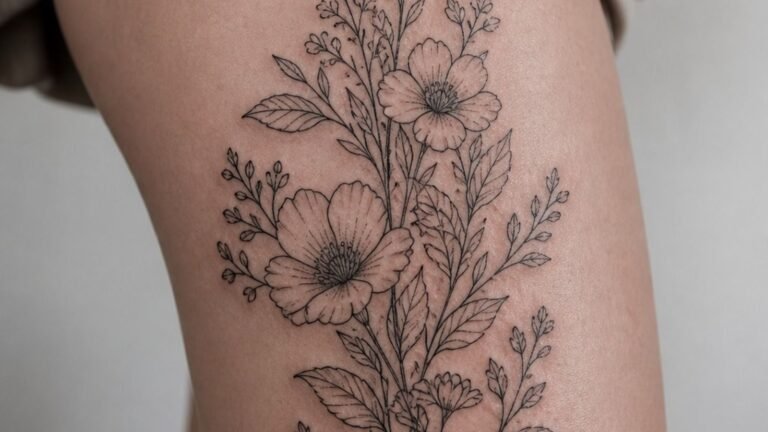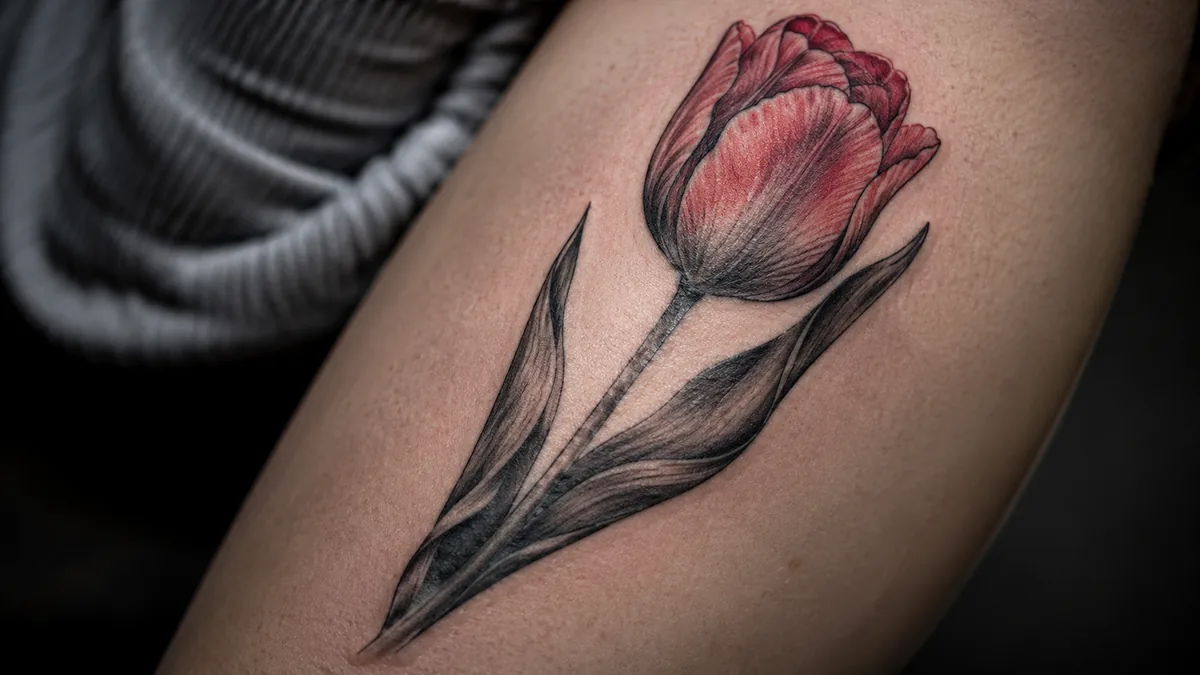
The tulip is one of those flowers that actually carries weight. It’s not just a pretty bloom people pick because it looks soft. The tulip has centuries of real symbolism behind it, and on skin it reads with clarity, whether you go bold traditional or ultra-fine line.
a tulip tattoo says something about love, new beginnings, or passion. The specific message depends on color, style, and what the person brings to it. Let’s break it all down so you know exactly what you’re committing to.
Core Meaning: What a Tulip Tattoo Actually Represents
The tulip’s primary symbolism is perfect love, deep attachment, and passionate devotion. That meaning goes back centuries and it still holds today. Unlike the rose, which can signal everything from romance to grief, the tulip is more specific. It speaks to a kind of pure, wholehearted feeling, not complicated love, not obsessive love, just full and sincere.
Beyond love, tulips are strongly tied to rebirth and renewal because they bloom in early spring after a hard winter. A lot of people get a tulip tattoo after surviving something, a loss, a rough chapter, a personal reinvention. The flower rising from the ground is the whole story right there.
Historical and Cultural Background
Same flower, six colors, six completely different things to say.
Tulips carry serious cultural weight in Ottoman and Persian traditions. The flower was prized in the Ottoman Empire from the 15th century onward and became a symbol of paradise and divine perfection in Islamic art. The Dutch Golden Age made tulips famous globally through the tulip mania of the 1630s, when single bulbs sold for absurd prices. That history baked abundance and prosperity into the flower’s meaning.
In Victorian flower language, giving someone a tulip meant declaring your love. A red tulip specifically said ‘I love you.’ That coded meaning translated naturally into tattoo culture. Today many people who know that history choose a tulip over a rose precisely because it feels less cliché while carrying an equally strong romantic message.
Color Meaning and What It Changes
Color does serious work on a tulip tattoo. Red is the classic, meaning passionate romantic love. Pink softens it toward affection, caring, and good wishes. Yellow tulips historically meant hopeless love or cheerfulness, depending on the era and culture, but most people today read yellow as optimism and fresh energy. Purple signals royalty, admiration, and respect.
White tulips represent purity, forgiveness, and new starts. Black tulips, while rare in nature, show up in tattoos regularly and carry elegance, mystery, and power. If you’re going black and grey and want the symbolism to stay strong, the shape and shading do the heavy lifting. A clean, well-structured tulip in grey wash reads every bit as intentional as a saturated color piece.
Design Variations and Style Options
Traditional American style gives you a bold, solid tulip with thick outlines and flat saturated color. It holds over decades, reads from across the room, and ages gracefully because the bold will hold. This works especially well on larger placements like the thigh or upper arm. Japanese-influenced interpretations sometimes pair the tulip with other spring imagery, keeping that rebirth theme cohesive.
Fine line tulips are everywhere right now, and they look crispy when they’re fresh. Single-needle work with delicate petals and thin stems looks stunning on the inner arm or collarbone. Fair warning though, fine line on high-wear zones or textured skin fades faster and can blur without good aftercare. Black and grey realism lets the petals look almost photographic, which works beautifully for memorial pieces.
Placement and How It Heals
The tulip’s natural vertical shape makes it ideal for the forearm, shin, side of the calf, or upper arm. It flows with the body without needing to be forced into a square or circular composition. A single stem tulip on the inner wrist is a classic, simple, and readable. Wrap a few stems around the ankle and you’ve got something that moves with you.
Pain level varies a lot by placement. The outer thigh and upper arm are forgiving, not too spicy. The inner bicep, ribs, and ankle bone get uncomfortable fast. Bony spots also carry more blowout risk, especially with fine line work. Ask your artist to keep line weights appropriate for the zone. A piece on the foot heals harder because of friction, so expect some touch-up work if you go that route.
Who Gets Tulip Tattoos and Why
Tulip tattoos attract people who want something floral but more specific than a rose. A lot of clients come in with personal stories tied to the flower, a grandmother’s garden, a city they loved in the Netherlands, a season they’re trying to memorialize. Others choose it as a memorial tattoo, pairing it with a name or date to represent the person who passed as a beautiful thing that came and went.
The tulip also draws people going through transitions. Career changes, end of a hard relationship, getting clean, moving countries. That spring-after-winter energy resonates. It’s not gender-specific at all. The design scales from hypermasculine traditional with bold outlines to delicate fine-line botanical depending on execution. The meaning stays consistent regardless of how the style leans.
Making It Personal: Details That Add Depth
You can push a tulip tattoo beyond the generic by thinking about what surrounds it. Pair it with a meaningful date written in a simple script. Add a specific number of blooms, three tulips for three kids, one for a lost loved one. A tulip with roots showing ground the rebirth symbolism visually. Botanical-style designs with detailed leaves and stems pull in a more scientific, intellectual vibe.
Consider combining the tulip with other flowers that reinforce your specific message. Tulip and forget-me-nots together speak to love and memory. Tulip and lavender reads as calm devotion. If you’re going for something cultural, working with an artist who understands Ottoman or Dutch illustration styles can give the piece real historical authenticity rather than just a generic flower shape.