Hawaiian tattoo meanings center on honoring one’s ancestry, spiritual protection, and deep connection to the land and sea. These designs, rooted in centuries of Polynesian tradition, serve as visual storytelling that marks personal milestones, family lineage, and an individual’s relationship with the natural world. Traditional Hawaiian tattooing, known as kakau, was performed by master practitioners called kahuna who held sacred knowledge of both technique and symbolism.
Symbolism & History
Hawaiian tattoo symbolism draws from the islands’ unique ecosystem and spiritual beliefs. Each element carries specific significance that has been passed through generations of practitioners.
- Sea turtles (honu): Represent longevity, navigation, and the connection between land and ocean
- Shark teeth (niho mano): Signify strength, adaptability, and protection for fishermen and warriors
- Tiki figures: Depict guardian spirits or ancestral gods who offer guidance and shelter
- Plumeria and hibiscus flowers: Symbolize beauty, femininity, and the delicate balance of island life
- Wave patterns: Represent the ocean’s power, continuity, and the flow of life itself
- Spearheads: Indicate courage, warrior spirit, and the ability to overcome obstacles
The practice of kakau was nearly suppressed during the 19th century under missionary influence but experienced a powerful revival in the 1990s. Contemporary Hawaiian tattoo artists now blend traditional hand-tapping methods with modern techniques, ensuring cultural knowledge survives while adapting to present-day expression.
Common Variations & Styles
Hawaiian tattoo art encompasses several distinct approaches that vary in technique, placement, and visual density.
- Traditional kakau: Bold black lines and geometric patterns, often applied using hand-tapping methods with bone or boar tusk tools
- Neo-Hawaiian: Blends traditional motifs with contemporary shading, color gradients, and realistic elements
- Tribal fusion: Combines Hawaiian patterns with broader Polynesian influences from Samoa, Maori, or Tahitian traditions
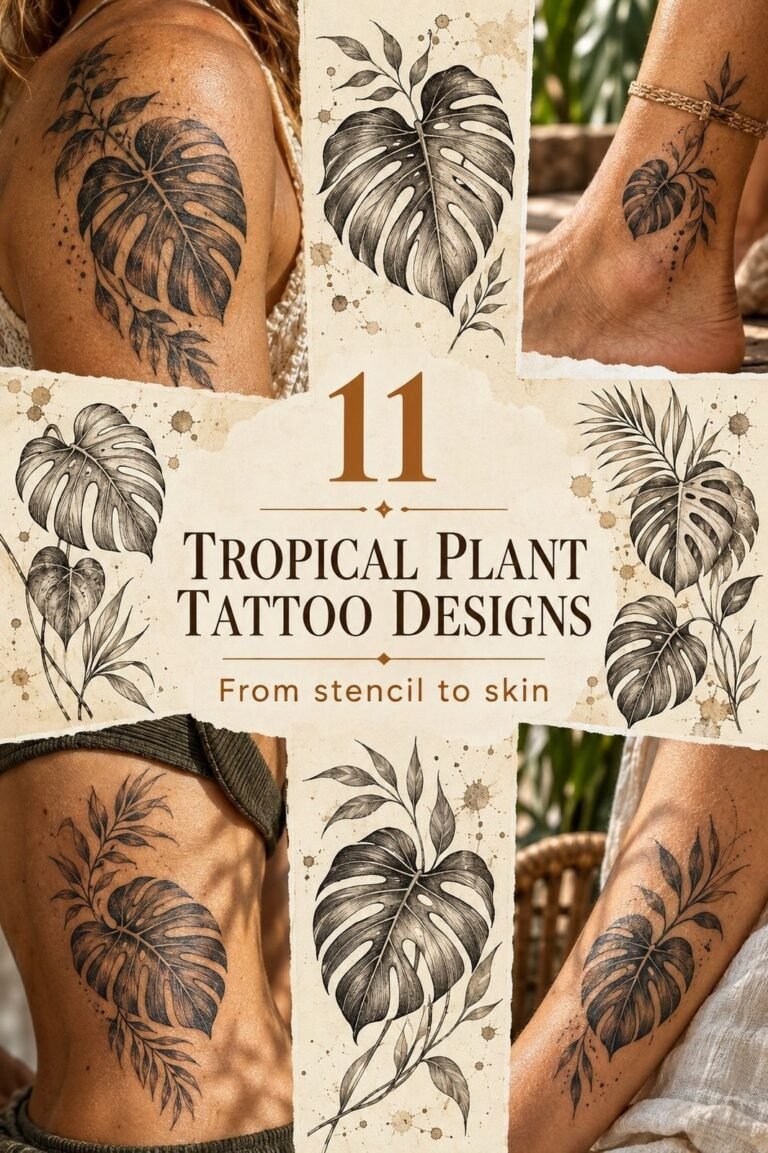
- Illustrative Hawaiian: Features detailed renderings of native flora, fauna, and landscape scenes with softer edges
- Minimalist line work: Simplified single-motif designs for subtle, modern wearability
The choice between these styles often depends on whether the wearer seeks cultural authenticity, personal aesthetic preference, or a balance of both. Full sleeve and leg pieces in traditional style remain most faithful to historical practice, while smaller placements allow for contemporary interpretation.
Best Placements
Traditional Hawaiian tattooing followed specific protocols regarding body placement that reflected social status and personal achievement. Modern wearers may honor or adapt these conventions based on their intentions.
- Full sleeves and legs: Most traditional placement, allowing for cohesive narrative storytelling through interconnected patterns
- Chest and upper back: Reserved for significant spiritual or ancestral designs in historical practice
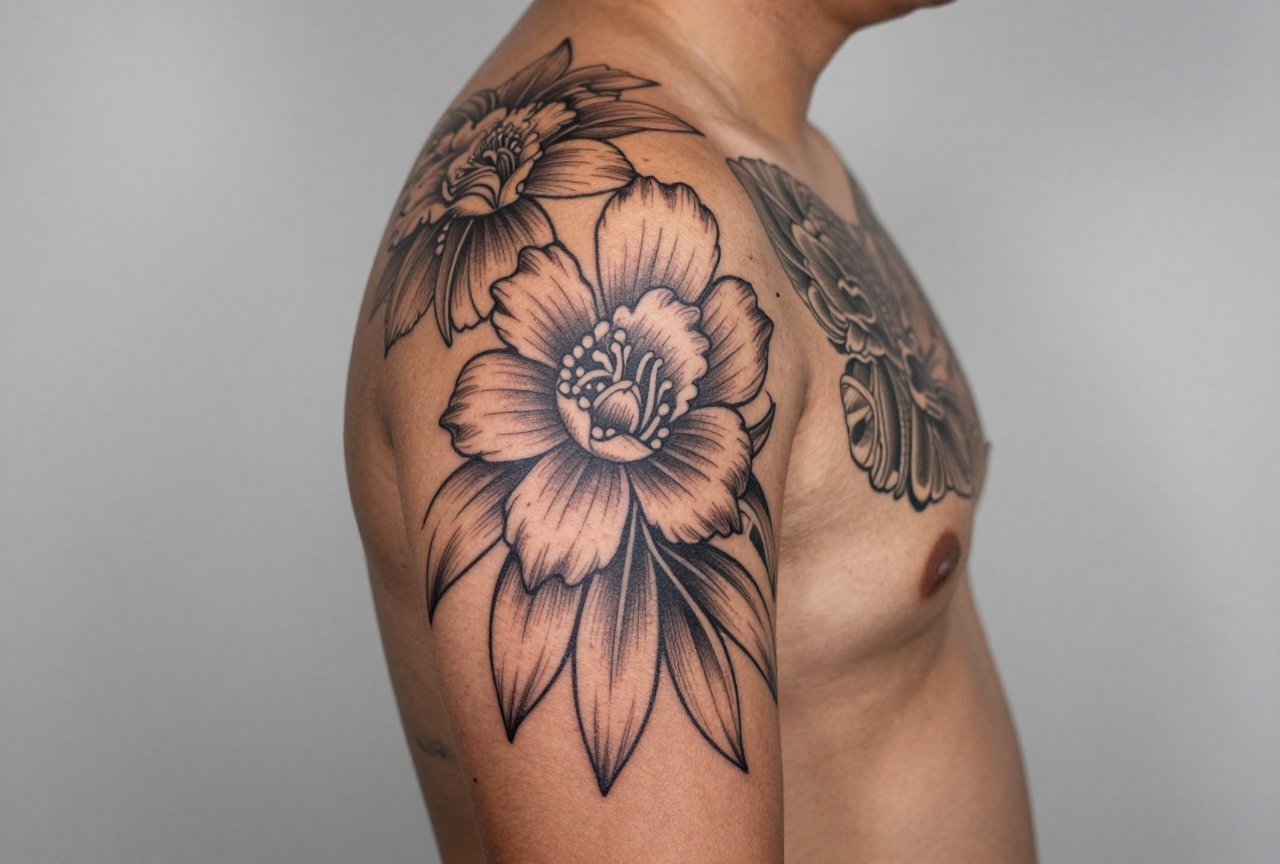
- Shoulder caps: Popular for turtle and wave motifs that flow naturally with muscle contours
- Forearm and calf: Versatile areas for medium-sized single motifs or band patterns
- Ribcage and side torso: Accommodates elongated designs like swimming turtles or flowing water
The body’s natural curves influence how traditional patterns are adapted, with skilled artists flowing lines to complement rather than fight anatomical structure.
Who Chooses This Tattoo / Personal Meanings
Hawaiian tattoos attract a diverse range of individuals united by specific connections to the islands’ culture and imagery.
- Native Hawaiians and Polynesian descendants: Wear these tattoos as cultural reclamation, honoring ancestors and maintaining identity despite historical suppression
- Island residents and transplants: Mark permanent connection to a place that transformed their lives
- Surfers and ocean enthusiasts: Express spiritual relationship with the sea and its creatures
- Travelers with profound Hawaiian experiences: Commemorate powerful journeys, memorials, or life changes that occurred on the islands
- Spiritual seekers: Draw on the protective and grounding associations of traditional symbols
Many wearers emphasize that meaningful Hawaiian tattooing requires more than aesthetic appreciation. Respectful adoption involves understanding the cultural context, researching accurate symbolism, and ideally working with artists who maintain genuine connection to Hawaiian traditions rather than generic tropical imagery.
Similar Symbols
Hawaiian tattoo motifs exist within a broader Polynesian visual language that shares common origins across the Pacific. Recognizing these distinctions helps prevent inappropriate mixing of sacred traditions.
- Samoan pe’a: Elaborate geometric patterns covering the body from waist to knees, traditionally marking male chiefs with specific social significance
- Maori ta moko: Facial tattooing using spiraled koru patterns that encode individual genealogy and status, with designs specific to each person
- Tahitian tatau: Dense geometric work often covering large areas, source of the English word “tattoo”
- Fijian masi patterns: Less commonly tattooed but influential in textile and tapa designs that sometimes inspire body art
- Marquesan cross: Geometric element found across Polynesian traditions symbolizing balance and harmony
While these traditions share oceanic origins, each carries distinct rules, sacred meanings, and cultural protocols. Conflating them disrespectfully remains a common concern among Pacific Islander communities.
Final Thoughts
Hawaiian tattoo meanings offer remarkable depth for those willing to engage beyond surface-level tropical aesthetics. The most powerful pieces emerge from genuine cultural understanding, personal relevance, and collaboration with artists who honor the kakau tradition. Whether as ancestral reclamation, spiritual protection, or profound connection to island life, these tattoos continue evolving as living cultural practice rather than mere decoration.