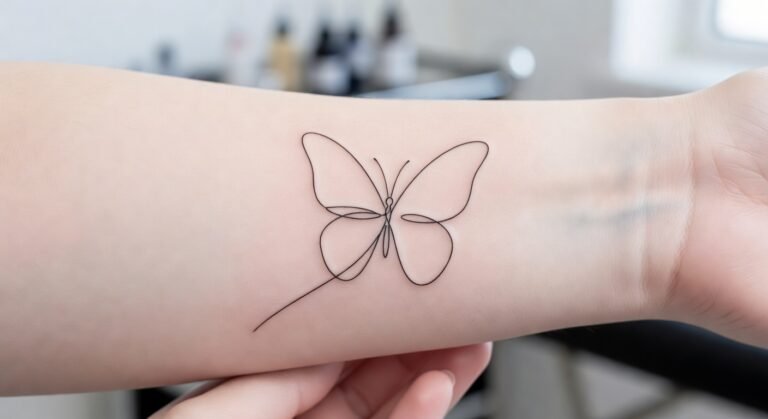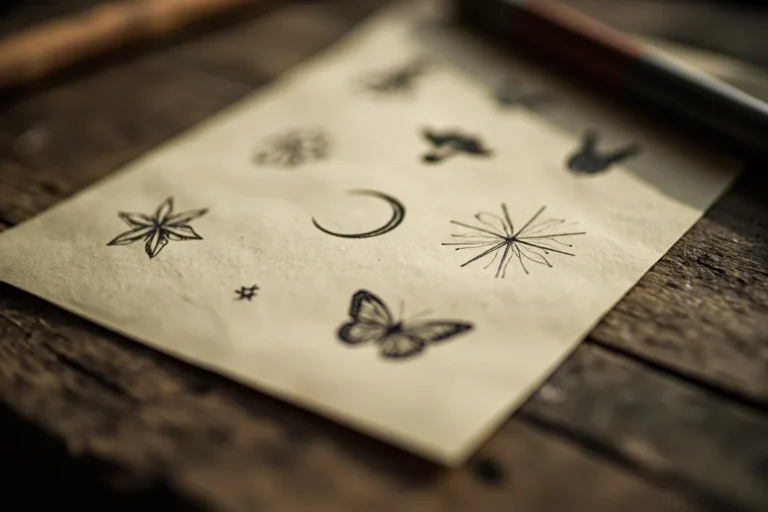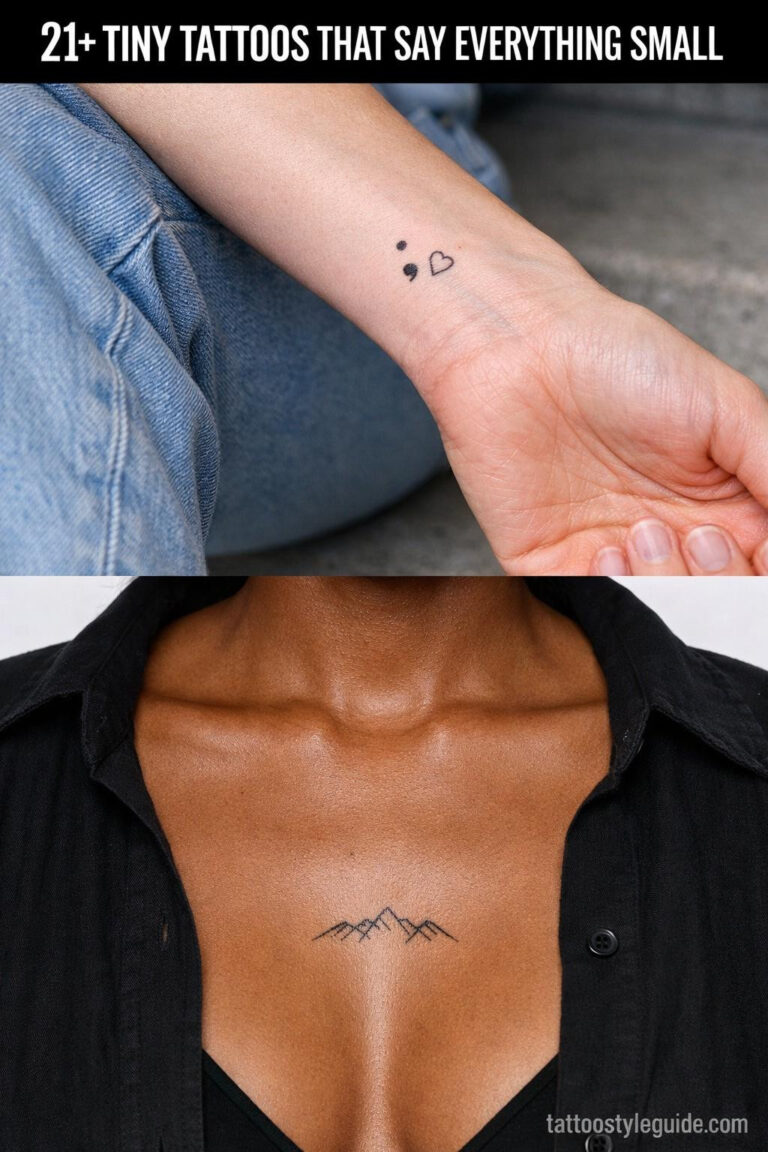
Deep meaning finger tattoos are miniature declarations of identity, belief, and personal history worn on one of the most visible yet intimate parts of the body. These small symbols carry disproportionate weight because fingers are constantly in motion, seen by others during every handshake, gesture, and daily task. The meaning derives from both the chosen symbol itself and the deliberate act of placing it somewhere impossible to ignore, making each design a permanent commitment to whatever value or memory it represents.
Symbolism & History
Finger tattoos trace back thousands of years across multiple cultures. In ancient Egypt, finger markings signified religious devotion and protection in the afterlife. Sailors in the 18th and 19th centuries popularized specific finger symbols, with “HOLD FAST” across knuckles serving as a literal prayer for grip strength during storms. Prison and gang cultures later adopted finger tattoos as coded language, though mainstream adoption has largely reclaimed these placements for personal rather than institutional expression.
The symbolism of finger placement itself matters enormously. The ring finger has hosted love symbols since Roman times, based on the belief that a vein connected directly to the heart. The index finger represents authority and direction. The middle finger carries obvious rebellious connotations. The pinky suggests subtlety and secret-keeping. Choosing which finger carries which symbol adds interpretive layers beyond the image itself.
Common Variations & Styles
Design choices for meaningful finger symbols fall into recognizable categories:
- Letter and word symbols: Single characters from Hebrew, Arabic, Sanskrit, or other scripts carrying spiritual significance; initials of lost loved ones; Roman numerals marking pivotal dates
- Minimalist icons: Tiny anchors (stability), semicolons (mental health continuation narratives), crosses, moons, or suns rendered in fine line work
- Numerical symbols: Angel numbers, coordinates of meaningful locations, or personal lucky numbers in delicate typography
- Matching set symbols: Complementary designs across both hands, such as keys and locks, sun and moon, or puzzle pieces shared between partners
- Dot and line patterns: Three dots (“mi vida loca” or simply “ellipsis” suggesting ongoing story), single horizontal lines (simplicity or mourning bands), or geometric finger bands
Style constraints are practical rather than purely aesthetic. Finger skin regenerates rapidly and lacks the subcutaneous fat that helps ink settle in other locations. Bold, simple lines outperform intricate detail. Black ink generally ages more reliably than color on fingers.
Best Placements
Within the finger category, placement options create distinct effects:
- Knuckle fronts: Most visible, most traditionally associated with statement pieces and text
- Finger sides: Semi-concealed, discoverable during conversation or specific gestures, suggesting intimacy and selectivity
- Between fingers: Hidden in plain sight, requiring deliberate display, often chosen for deeply personal or potentially controversial symbols
- Finger pads: Rare due to rapid fading and discomfort during application, but occasionally chosen for maximum concealment
Many collectors build coordinated systems across multiple fingers rather than isolating single symbols, creating narrative sequences or thematic collections visible only when hands are positioned deliberately.
Who Chooses This Tattoo / Personal Meanings
Finger symbol tattoos attract individuals seeking permanent yet portable reminders. People in recovery often choose semicolons or dates marking sobriety anniversaries, placing them where they see them during moments of craving. Widows and widowers sometimes wear wedding date numerals after removing physical rings. Survivors of violence may reclaim agency through symbols of strength placed where assailants once controlled them.
Artists, musicians, and other professionals whose hands are central to their work sometimes choose symbols representing their craft, literally embodying their creative identity. Others select protective symbols derived from family heritage, maintaining cultural connection in diaspora circumstances.
The commitment level signals intensity of meaning. Finger tattoos hurt more than most locations, fade faster requiring touch-up dedication, and remain virtually impossible to conceal professionally. Choosing this placement despite these factors communicates that the symbol’s significance outweighs practical inconvenience.
Similar Symbols
Collectors drawn to finger symbols often explore related tattoo categories:
- Wrist and inner forearm bands: Similar visibility with more design space and better longevity
- Behind-ear symbols: Comparable intimacy and selective revelation
- Knuckle phrase tattoos: The traditional eight-letter format expanded into full words across both hands
- Palm symbols: Even more extreme visibility and fading challenges, rarely chosen but conceptually related
- Toe and foot symbols: Inverse logic, similarly small but maximally concealed rather than exposed
Final Thoughts
Deep meaning finger tattoos occupy a unique position in body art, combining maximum visibility with minimal canvas space. This tension forces ruthless clarity, what cannot be simplified into a few millimeters probably does not belong on a finger. The best designs distill entire life philosophies into marks readable at handshake distance. They acknowledge impermanence through their known fading, requiring ongoing maintenance that mirrors the active commitment any meaningful practice demands. Whether chosen for spiritual protection, memorial, rebellion, or pure aesthetic pleasure, these fingertip symbols transform ordinary gestures into continuous performances of identity. The hand you extend to the world literally carries your chosen message, making every introduction a potential revelation.
Related Tattoo Meanings
- Couple Tattoo Meaning: Symbols of Love, Commitment Connection
- Chinese Writing Tattoo Meaning: Symbolism, Styles Personal Significa
- Chinese Words Tattoo Meaning: Symbolism Ink
- Explore more