
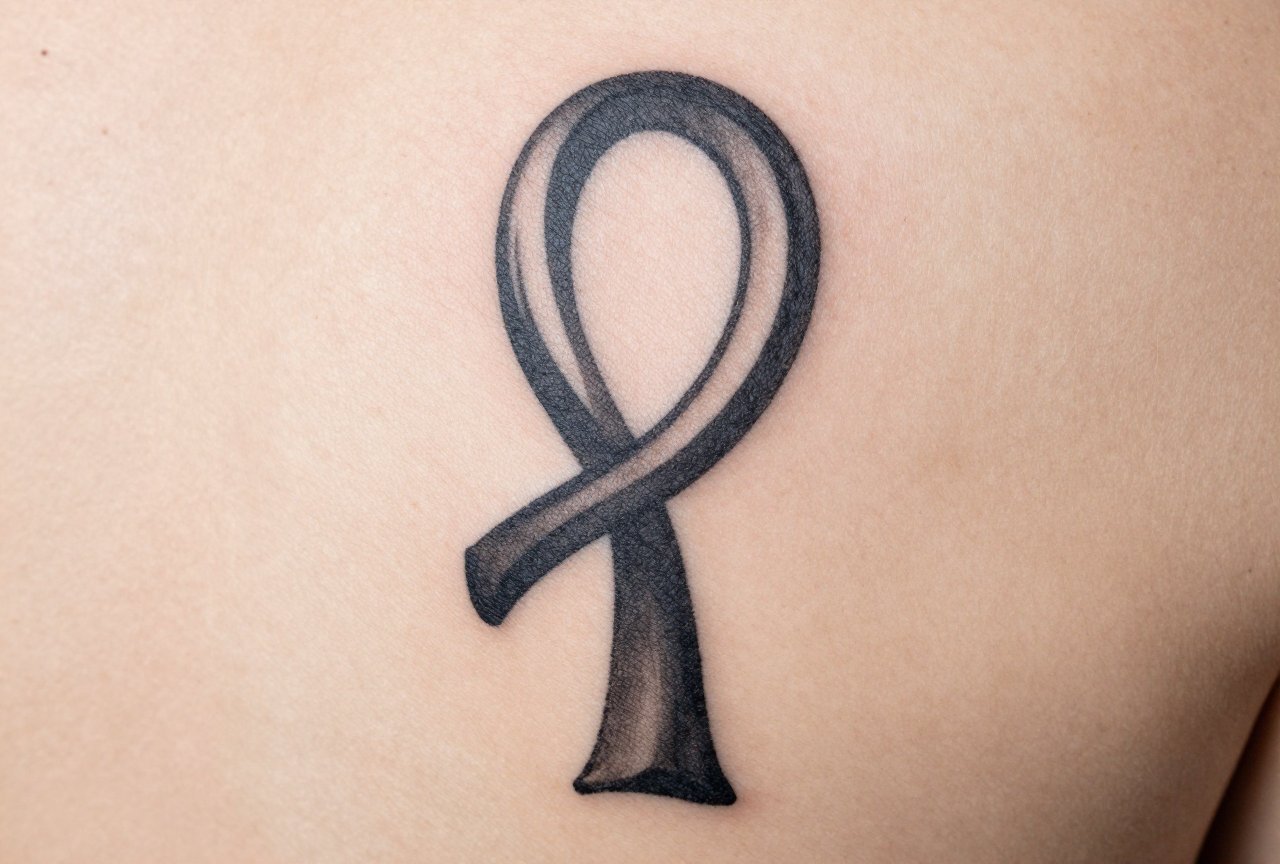
Origins and Historical Significance
The ankh stands as one of the most enduring symbols to emerge from ancient Egyptian civilization. Shaped like a cross with a looped top, this hieroglyph represented the word “life” or “living” in the Egyptian language. Its earliest appearances date to the Early Dynastic Period, and it remained in continuous use for over three millennia.
Archaeological evidence places the ankh in contexts both sacred and mundane. Scribes inscribed it on temple walls, artisans cast it in gold and faience, and commoners wore smaller versions as protective amulets. The symbol’s persistence across social classes suggests a cultural resonance that transcended mere religious doctrine.
Religious and Funerary Contexts
In temple reliefs, gods often extend the ankh toward a pharaoh’s nostrils, a gesture often linked to the divine conferral of life. This “breath of life” motif appears repeatedly in the iconography of deities including Isis, Osiris, and Hathor. The ankh also accompanied the deceased, carved on sarcophagi and painted in tomb chambers to ensure vitality in the afterlife.
- Carried by gods as a scepter of divine authority
- Placed among mummy wrappings as a protective token
- Combined with other symbols (the was scepter, the djed pillar) in composite amulets
- Used in the names of royalty, notably Tutankhamun (“Living Image of Amun”)
Scholarly Interpretations of the Form
Egyptologists have proposed several theories for the ankh’s distinctive shape. Some connect it to a sandal strap, others to a stylized uterus or knot of cloth. The loop has been read as the sun rising above the horizon, or as the union of male and female principles. No single explanation commands universal agreement, and the symbol likely accumulated layers of meaning across centuries of use.
Core Symbolism for Contemporary Tattoo Collectors
Modern ankh tattoos draw from this historical reservoir while accommodating personal reinterpretation. The symbol’s compact geometry suits placement almost anywhere on the body, yet its visual weight carries substantial symbolic density.
Life and Vitality
The ankh’s most direct translation, “life,” remains its primary attraction. Collectors frequently choose it to mark survival of illness, recovery from addiction, or simply affirmation of existence. The symbol offers this meaning without the explicit religiosity of a cross or the cultural specificity of some other life-affirming icons.
Protection and Spiritual Safeguarding
Amuletic function historically defined the ankh’s everyday use. This protective dimension translates naturally to tattoo form. Many collectors frame the ankh within larger compositions, surrounding it with eyes of Horus, scarabs, or cartouches to amplify its guardian properties. Others prefer the symbol alone, trusting its inherent geometry to function as a shield.
Design Variations and Stylistic Approaches
The ankh’s simple structure invites extensive modification without sacrificing recognizability. Tattoo artists have developed numerous approaches that honor, subvert, or expand upon the traditional form.
Traditional Egyptian Revival
Some designs replicate the aesthetic of tomb paintings: flat color, black outlines, profile elements integrated into the loop. Papyrus texture, lapis lazuli blue, and gold leaf effects appear frequently. These tattoos often incorporate hieroglyphic bands or deities in traditional poses.
- Strict adherence to proportional conventions from Egyptian art
- Limited, historically grounded color palettes
- Integration with cartouches spelling names or concepts
- Scarab or winged sun disk as complementary elements
Contemporary and Abstract Interpretations
Other approaches dismantle the symbol’s components. The loop becomes a portal, a moon, or an eye. The crossbar extends into geometric patterns, floral arrangements, or circuit-board traces. Blackwork and dotwork techniques transform the ankh into texture rather than line. These variations suit collectors who value the symbol’s historical weight but seek visual distinction from conventional renditions.
Combined Symbol Systems
The ankh merges productively with symbols from other traditions. An ankh superimposed on a lotus references Egyptian and Buddhist conceptions of spiritual emergence simultaneously. An ankh entwined with a DNA helix speaks to biological life through ancient form. These hybrid tattoos require careful composition to avoid visual incoherence; the ankh’s strong symmetry must anchor the design.
Placement Considerations and Technical Factors
The ankh’s proportions adapt to numerous locations, but certain placements carry particular resonance or present specific challenges.
High-Visibility Locations
Wrists, forearms, and necks place the ankh where others will read it as a deliberate statement. These locations suit collectors who understand the symbol thoroughly and welcome inquiry. The ankh’s association with Egyptian heritage also prompts consideration: visible placement by non-Egyptian collectors sometimes raises questions of cultural appropriation that deserve thoughtful engagement.
Intimate and Concealed Placement
Over the heart, between shoulder blades, or on the ribcage, the ankh functions more privately. These locations allow larger scale and more detailed surrounding work. The ribcage’s curvature particularly suits the ankh’s vertical emphasis, though tattooing there involves significant discomfort and requires an experienced hand.
- Small ankh designs (under 2 inches) risk blurring over time; bold lines preserve readability
- The loop’s continuous curve demands steady, confident linework
- Symmetry is visually essential; slight asymmetry reads as error rather than style
- Black ink maintains historical authenticity and ages most predictably
Color, Line, and Longevity
Historical Egyptian art employed specific mineral pigments: Egyptian blue, ochre, carbon black, malachite green. Modern tattoo pigments approximate these with varying fidelity. Traditional color schemes age gracefully when protected from sun exposure. Heavy black outlines, as in neo-traditional or illustrative approaches, maintain contrast longer than watercolor or pastel interpretations.
White ink highlights on blackwork ankh tattoos create striking temporary effects but typically fade or yellow within months. Collectors seeking longevity should discuss realistic expectations with their artist. The ankh’s power as a symbol does not depend on chromatic complexity; some of the most enduring examples remain pure black line.
Choosing Your Ankh Tattoo
Research precedes commitment. Examine original Egyptian sources, museum collections, and scholarly reproductions rather than relying on other tattoos for reference. Understand what the symbol meant in its original context before determining what it means for you.
Consult artists who demonstrate specific competence in Egyptian-inspired work. Generic portfolios suggest generic understanding. Request to see healed examples; the ankh’s clean geometry can distort during healing if executed poorly. Discuss scale openly: too small sacrifices longevity, too large can overwhelm the symbol’s elegant proportion.
- Study original Egyptian art at museum websites or in print
- Verify your artist’s experience with fine linework and symmetry
- Consider how the design will read at conversational distance
- Plan for touch-ups, especially with color or detailed surrounding elements
Final Thoughts
The ankh persists because it compresses immense conceptual weight into minimal form. Life, death, divine favor, protection, eternity: these concepts occupied Egyptian civilization for thousands of years, and the ankh served as their visual shorthand. A tattoo of this symbol connects the wearer to that duration, to the countless hands that held carved ankh amulets in moments of hope or fear.
Yet the symbol does not dictate its meaning. The Egyptian scribe, the Coptic Christian who later adopted it as a crux ansata, the 20th-century counterculture enthusiast, and today’s tattoo collector each encountered the same shape and found different significance. Your ankh tattoo enters this continuum. What it signifies will depend on your intention, your history, and the care with which you carry it forward.
Choose with knowledge. Wear with awareness. Heal with patience. The symbol has survived millennia; your particular version now extends that survival, one more loop and cross among millions, newly alive on living skin.
Frequently Asked Questions
Does an ankh tattoo have to be black, or can I use color?
Color works well when grounded in historical Egyptian palettes: lapis blue, gold, ochre, malachite green. These choices honor the symbol’s origins and age more gracefully than trendy neons. However, pure black line remains the most durable and historically authentic option. Discuss specific pigment longevity with your artist, as lighter colors fade faster and may require more frequent touch-ups.
Is the ankh exclusively an Egyptian symbol, or did other cultures use it?
The ankh originated in ancient Egypt and remained primarily associated with that civilization. During the early Christian period in Egypt, Coptic Christians adapted it into the crux ansata, or handled cross, which carried modified Christian meaning. Beyond these Egyptian contexts, the ankh’s appearance in other cultures typically reflects modern diffusion rather than independent development. Collectors should respect this specific heritage rather than treating the symbol as universally ancient.
What size works best for an ankh tattoo?
The ankh’s proportions matter more than absolute dimensions. The loop should balance visually with the crossbar and vertical shaft. Generally, a minimum of 2 to 3 inches in height preserves the symbol’s structural integrity and allows clean linework. Smaller tattoos risk blurring as ink spreads slightly during healing. Larger designs accommodate surrounding elements, hieroglyphs, or decorative borders. Your artist can scale the proportions while maintaining the essential geometry.
How do I avoid cultural appropriation with an Egyptian symbol?
Appropriation concerns arise when symbols are borrowed superficially, divorced from context, or used to claim identity not one’s own. The ankh, however, has circulated globally for over a century through Egyptology, Afrocentric movements, and popular culture. Respectful engagement means learning the symbol’s history, acknowledging Egyptian civilization as its source, and avoiding claims to Egyptian heritage you do not possess. Many Egyptian and Egyptian-descended tattoo artists welcome sincere interest; supporting their work when possible deepens authentic connection. Approach the symbol as a student rather than an owner, and let your tattoo reflect genuine understanding rather than exotic decoration.









