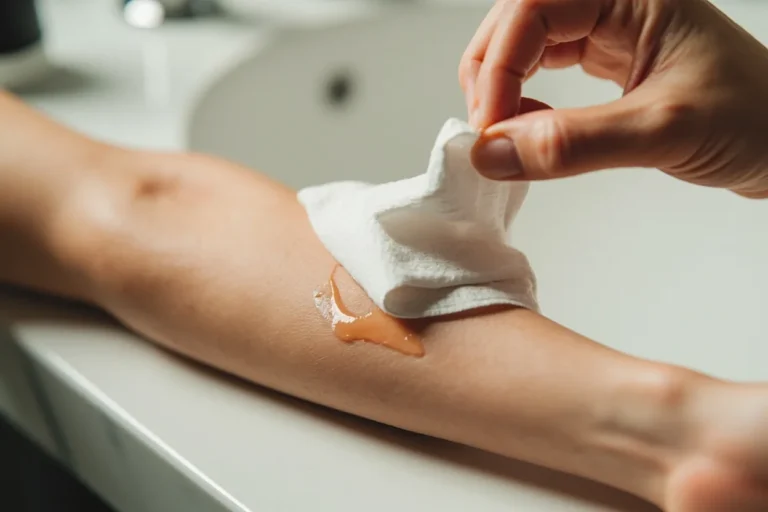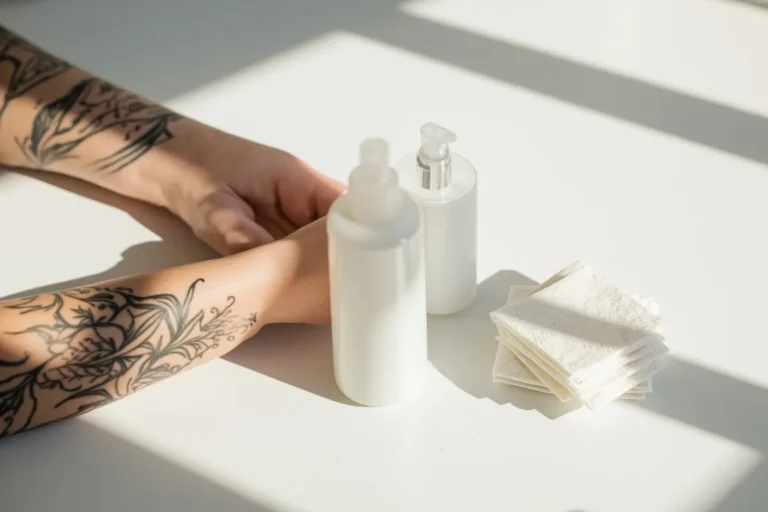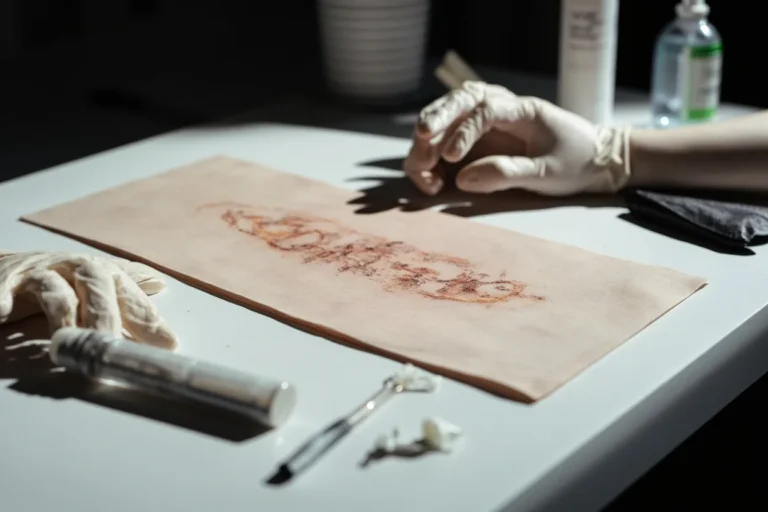
Your tattoo will start peeling somewhere between day three and day seven. That’s the straight answer. Most people hit that flaky, itchy stage around day four or five, but your mileage varies based on placement, size, how heavy-handed your artist was with the needle, and if you’re actually following the aftercare instructions they gave you on a slip of paper you probably stuffed in your pocket and forgot about.
What Peeling Actually Looks Like
It’s not a sunburn peel. Not exactly. The top layer of your skin, where the ink sits, starts drying out and lifting in tiny translucent flakes. Sometimes they look like dandruff. Sometimes bigger sheets if it’s a dense blackwork piece. The color underneath looks dull, almost milky, like you’re viewing it through frosted glass. That’s normal. The vibrancy comes back later.
Black and Gray vs. Color Peeling
Black and gray tattoos often peel less dramatically. The ink is less traumatic to the skin, fewer passes with the needle. Color packing? Especially reds, yellows, and white highlights? That’s more surface damage, more plasma weeping, heavier scabbing and peeling. I’ve watched clients panic when their bright orange sunset turns into what looks like a dried fruit leather. It settles. Breathe.
Line Work vs. Solid Fill
Fine line tattoos peel like a light frost. Solid black sleeves peel like you’re molting. The more saturated the area, the more skin has to regenerate. Makes sense when you think about it, your body is pushing out damaged cells and rebuilding. Dense areas just have more rebuilding to do.
Day-by-Day: What to Expect
Here’s how it actually plays out in most shops, most clients, most of the time. Not gospel, but close enough to plan around.
- Days 1-2: The tattoo is an open wound. Plasma, ink, and blood form a thin film. Your artist wrapped it in something, Saniderm, Derm Shield, or good old plastic wrap and medical tape. You wash it gently, pat dry, apply a thin layer of whatever aftercare they recommended. No peeling yet. It just feels like a bad sunburn and looks glossy.
- Days 3-5: Peeling begins. Usually starts at the edges where the needlework was lightest. The center holds onto its scab longer. It itches. God, it itches. This is where people ruin tattoos, scratching, picking, letting their cat sleep on it.
- Days 6-10: Peak peeling for most. The flakes get bigger, the itch gets worse, the tattoo looks terrible. Milky, patchy, almost bruised in spots. This is normal. The new skin underneath is thin and shiny.
- Days 11-14: Peeling tapers off. Maybe some stubborn spots around joints, wrists, elbows, knees, where movement keeps cracking the healing skin. The tattoo still looks muted, not quite “there” yet.
- Weeks 3-4: Surface looks mostly healed. The deeper layers are still knitting together. This is when clients stop babying it and start regretting it, sun exposure, swimming, gym equipment. Don’t.
Where on Your Body Matters
Some spots peel like clockwork. Others surprise you. Here’s the real breakdown from people who’ve actually sat in the chair.
High-Movement Areas
Inner biceps, elbows, knees, ankles, fingers, anything that bends peels later and peels longer. The constant micro-movements delay healing. Your body keeps having to repair cracks. I’ve seen inner arm pieces that didn’t start flaking until day eight, then kept at it for two weeks. Friction from clothing doesn’t help either. That fresh rib piece under your work shirt? It’s going to suffer.
Protected vs. Exposed Skin
Upper back, outer thigh, calf, these spots often peel right on schedule and heal cleaner. Less irritation, less touching, better air circulation. The skin is thicker too, especially on thighs and calves. More resilient. Doesn’t mean you can skip aftercare, just means you might have an easier go of it.
What You Absolutely Should Not Do
The peeling stage is where good tattoos go bad. Most damage happens now, not in the chair.
- Don’t pick the flakes. I know. I know. But pulling off a piece that isn’t ready takes ink with it. You’ll have pale spots, patchy healing, maybe need a touch-up that costs you another session fee. Some artists include one touch-up; many don’t. Check your paperwork.
- Don’t soak it. Quick showers, fine. Baths, pools, hot tubs, ocean, no. Submerging a peeling tattoo softens the scabs, they fall off prematurely, bacteria gets in. Infection risk is real, and it’s expensive. Red streaks, hot skin, pus, go to urgent care, not back to your artist.
- Don’t over-moisturize. Slathering on Aquaphor or whatever balm you bought creates a swamp. Skin can’t breathe, healing slows, you might get little bumps from clogged pores. Thin layer, barely shiny, 2-3 times a day. That’s it.
- Don’t let pets near it. This one’s oddly specific but I mention it because I’ve seen it repeatedly. Cat hair, dog tongues, whatever your ferret does, bacteria central. Fresh tattoos are vulnerable. Your pet doesn’t know that. You do.
Aftercare Products: What Actually Works
Every artist has their religion. Some swear by Aquaphor for the first three days then switch to unscented lotion. Others push specialized tattoo balms, Hustle Butter, Tattoo Goo, Mad Rabbit. A growing number use second-skin bandages like Saniderm that stay on for 3-6 days, keeping the plasma against the skin and skipping the dry-peel phase entirely.
I’ve used all of them. They all work if you use them correctly. The key is consistency and not switching products mid-heal because you read something on Reddit. Pick one method. Follow it. The product matters less than your discipline.
Unscented Lubriderm or Curel works fine for the lotion stage. Fragrance-free is non-negotiable. Perfumes irritate broken skin. You will feel it immediately if you ignore this. That burning sensation is your tattoo asking why you hate it.
When Peeling Isn’t Normal
Most peeling is routine. Some isn’t. Here’s where you pay attention.
Thick, raised scabs that crack and bleed, those suggest your artist went too deep or you didn’t keep it clean early enough. Yellow or green fluid means possible infection. Spreading redness beyond the tattooed area, skin that’s hot to the touch, fever, those are doctor territory, not “wait and see.”
Allergic reactions to red ink happen more than people realize. Not immediate; sometimes days in. Bumpy, itchy, raised lines specifically where the red sits. Your artist should note if the brand they use has known issues. Some reds contain mercury-based pigments; reactions are uncommon but documented.
If your tattoo isn’t peeling at all by day ten, that’s unusual but not necessarily bad. Very light work, exceptional aftercare, or simply your skin’s temperament. But if it’s also not changing appearance, still glossy, still weeping, not settling, that’s worth a check-in.
The Cost of Healing Wrong
Touch-ups run $50-150 in most US shops, sometimes free if your artist offers it in the first six months. But fixing badly healed work, blown lines from picking, faded patches from sun exposure during peel, can require more than a touch-up. Re-works, cover-ups, laser removal before trying again. The financial math on proper aftercare is obvious. Spend ten minutes a day for two weeks, or spend hundreds later.
Good artists remember who heals well and who doesn’t. Not judgmentally, just practically. Someone who picks, who soaks it day three, who shows up with a sunburned fresh piece? That’s information. It affects how they book you, whether they take your next idea, how much they charge.
Key Takeaways
Peeling starts day three to seven, peaks around days six to ten, and wraps up by week two for most people. The tattoo will look worse before it looks better, milky, patchy, not the final result. Leave it alone. Don’t pick, don’t soak, don’t over-moisturize. Placement affects timeline: moving parts peel longer, protected skin heals cleaner. Use what your artist recommends, or a simple unscented lotion after the initial film stage. Watch for infection signs but don’t panic over normal flaking. The ink you loved on day one comes back; it just takes patience and a little self-control.
Related Tattoo Guides
- How Long After a Tattoo Can You Swim? A Real Guide
- How Long to Leave Second Skin on Your Tattoo
- Tattoo Cost Guide: What You ll Actually Pay in 2024
- Explore more
Frequently Asked Questions
When does a tattoo start peeling after getting it done?
Most tattoos begin peeling between days 3 and 7 of the healing process. The exact timing depends on your skin type, tattoo size, and placement, with larger pieces often starting to flake a bit earlier than small, simple designs.
Is it normal for my tattoo to peel a lot or very little?
Both heavy peeling and minimal peeling are completely normal and do not indicate how well your tattoo is healing. The amount of peeling varies from person to person based on skin hydration, aftercare routine, and how deeply the ink was deposited.
How long does the peeling stage last for a new tattoo?
The peeling phase typically lasts about 3 to 7 days, though some tattoos may take up to 10 days to fully shed the top layer of dead skin. You will know it is ending when the flaking subsides and the skin starts to look more settled with a slight sheen rather than dry patches.
Should I moisturize more if my tattoo is peeling early or heavily?
Stick to a thin layer of fragrance-free moisturizer 2-3 times daily regardless of how early or heavily it peels, as over-moisturizing can suffocate the skin and cause issues. Never pick at the flakes or scabs, and let them fall off naturally to protect the ink underneath.