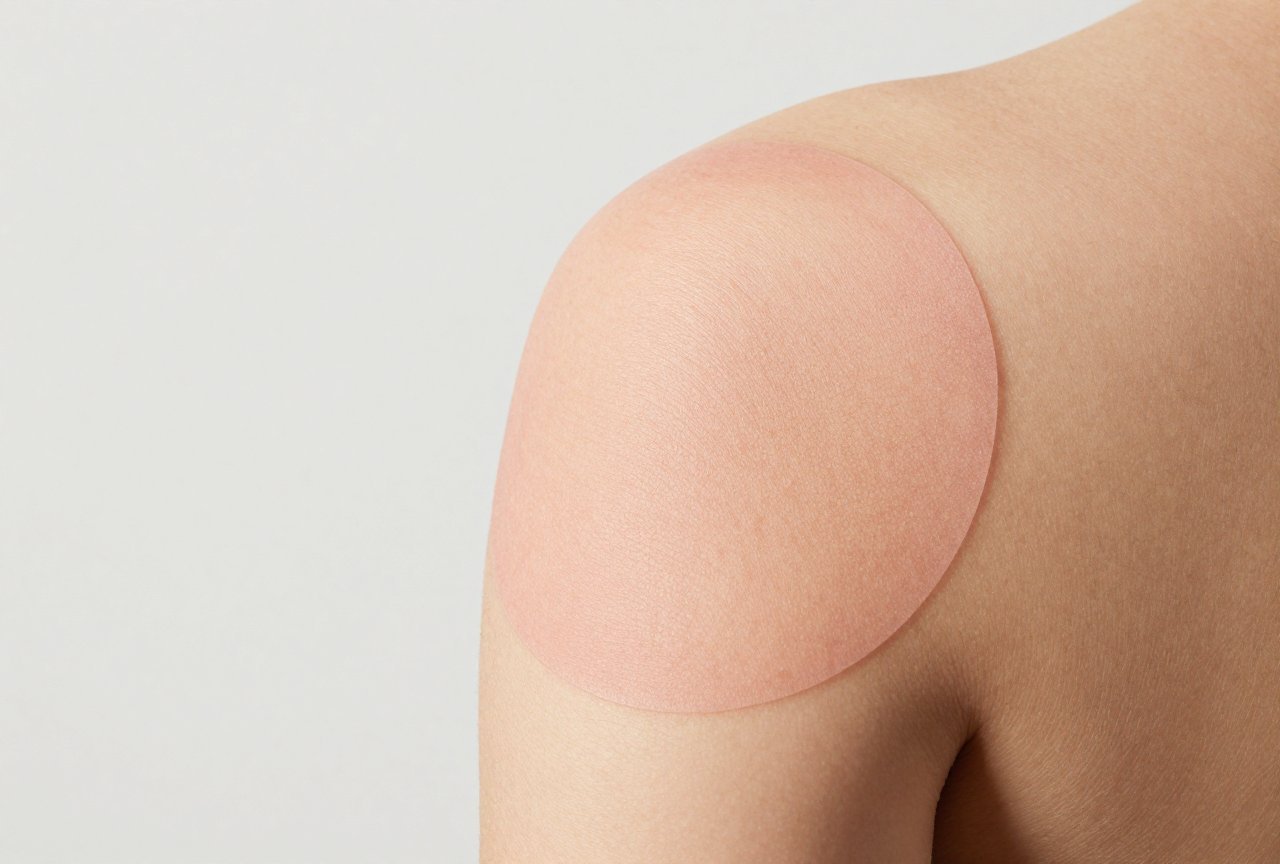
Leave that bandage on for a few hours, wash it gently with unscented soap, pat dry, and apply a thin layer of recommended ointment. That’s the core of it. But the real work happens in the days after, keeping it clean without overwashing, moisturized without drowning it, and protected from the sun, your pets, and your own picking fingers. I’ve tattooed enough arms and ribs and behind-the-ears to know: the art lives or dies by how you handle those first two weeks. Here’s what actually works in real shops, not the sanitized version.
The First 24 Hours: Bandage to Bed
Your artist wrapped you for a reason. That bandage, whether it’s plastic wrap, a medical-grade adhesive bandage, or a second-skin product like Saniderm, is keeping bacteria out and plasma in. I tell clients: treat it like a wet painting. Don’t peel it early to show your friends. Don’t let your shirt stick to it and yank it off dry.
When to Remove the Bandage
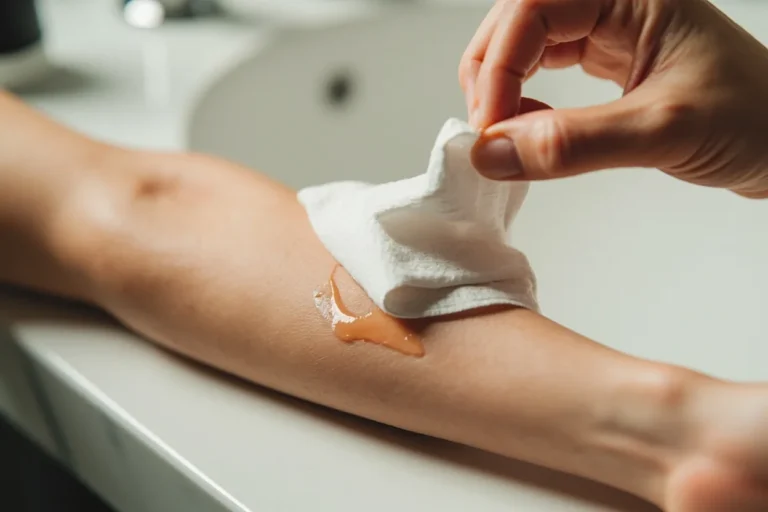
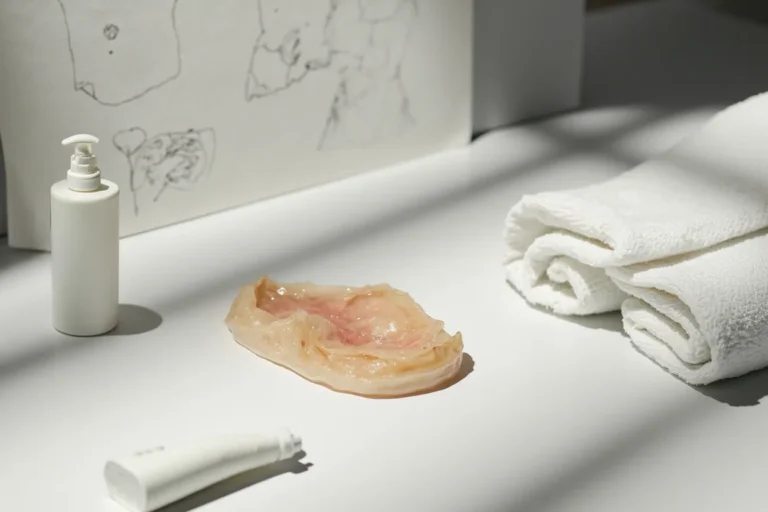
Most traditional wraps come off after 2-6 hours. Second-skin products stay on longer, sometimes 3-5 days, depending on what your artist used. I’ve had clients panic at day three because the Saniderm fills with fluid. That’s normal. It’s plasma and ink, not infection. Leave it be unless it’s leaking at the edges. If it does leak, peel it off gently, wash, and switch to regular aftercare.
- Wash your hands first. Always.
- Remove bandage under warm running water if it’s stuck.
- Pat dry with clean paper towel. Don’t rub.
- Let it air dry 10-15 minutes before applying anything.
That First Night
Sleep is tricky. Fresh tattoos weep. They’ll stick to your sheets, and you’ll wake up to a Rorschach blot on your pillowcase. Wear clean, loose clothing. If it’s on your arm, a clean old sock with the toe cut off works as a sleeve. I learned that from a client who was tired of waking up welded to his bedding. Don’t sleep on it directly. Your body heat and pressure will irritate the skin and push out ink.
Washing and Moisturizing: The Real Routine
Overwashing is as bad as underwashing. I see this constantly, people treating their fresh tattoo like a surgical site, scrubbing it three times a day with antibacterial soap that strips every natural oil. Your skin needs to breathe and heal. Aggressive cleaning creates dry, cracked canvas. Ink falls out of cracks.
What to Use
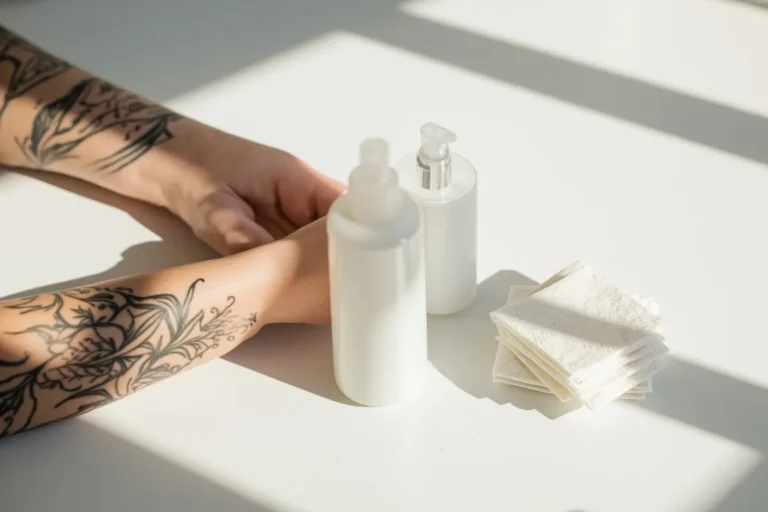
Unscented, dye-free liquid soap. I tell clients: if it smells like a meadow or a tropical vacation, it’s wrong. Dial Gold, Dr. Bronner’s unscented, or plain Cetaphil. No bar soap, too much bacteria hiding in the dish. No loofahs, no washcloths. Your clean fingertips only. Lukewarm water, not hot. Hot water opens pores and pushes ink out.
Ointment vs. Lotion
First 3-4 days: thin layer of ointment. Aquaphor, A&D, or what your artist recommends. Thin means thin, just enough to make it slightly shiny. If you’re sliding around in your sleeve, it’s too much. After day 4-5, switch to unscented lotion. Lubriderm, Curel, or plain Aveeno. The switch matters. Ointment too long clogs pores and causes breakouts. I’ve seen tattoos develop little white bumps from petroleum overuse. Not pretty, and it can affect how the healed piece looks.
- Wash 2-3 times daily for first week.
- Apply ointment or lotion after each wash and when it feels tight.
- Never reapply over old lotion, wash first, then moisturize fresh.
The Peeling and Itching Phase
Days 3-7, your tattoo will flake. Not peel like a sunburn in one sheet, more like dandruff, little bits of colored skin coming off. The ink isn’t falling out. The top layer of dead skin is, and it carries pigment with it. This is normal. The itching, though. The itching can drive you to madness. I’ve had clients call me at midnight, convinced something’s wrong. It’s not. It’s healing.
What You Absolutely Cannot Do
Scratch it. Pick it. Slap it instead, open palm, quick pat. Or press down with your whole hand. Some people ice it through a clean cloth. I’ve seen clients wrap their healing tattoos in clean, soft fabric just to create a barrier against their own fingernails. The danger isn’t just infection, it’s pulling out ink that hasn’t settled yet. A picked scab is a pale spot in your tattoo six months later. I can touch it up, but you’ll sit in my chair again, and it’ll cost you.
When It Looks Worse
Day 5-10 is the ugly stage. Dull, cloudy, maybe some shiny patches where skin is still regenerating. This is not your final tattoo. I’ve had clients send me panicked photos. “It looked so bright!” It will again. The bold layer is underneath, waiting for the epidermis to settle. Trust the process. Don’t judge it until week four.
What to Avoid: Real Life Edition
Your artist gave you a list. You lost it. Here’s the practical version from someone who’s watched people ignore every rule and come back surprised.
- Swimming: No pools, hot tubs, lakes, or oceans for 2-3 weeks. Chlorine leaches ink. Lakes have bacteria that love broken skin. Hot tubs are petri dishes. I had a client lose half a sleeve color to a Vegas pool party on day five. Don’t be that story.
- Sun: Fresh tattoo + sun = blistering, fading, possible scarring. Keep it covered. If you can’t cover it, high SPF once it’s fully healed, but never on fresh work.
- Gym: Skip the gym for 48 hours minimum. Sweat is salt and bacteria. Equipment is everyone’s bacteria. If it’s a large piece, wait a week. I’ve seen arm pieces swell from bicep curls on day three.
- Pets: Your dog’s tongue is not sterile. Neither are their paws after they’ve been outside. Keep animals away from fresh work. I say this as someone whose cat slept on my foot piece and gave me a minor infection. Learn from my arrogance.
- Tight clothing: Friction pulls scabs. Loose cotton only. New jeans rubbing a thigh piece? That’s a patchy tattoo waiting to happen.
Signs Something’s Actually Wrong
Not every bump is disaster. Some redness, warmth, and clear plasma are normal. But know the difference between healing and trouble.
Normal Healing
Redness that fades after a few days. Slight swelling that improves. Tenderness that lessens. Plasma, ink, and blood in the first 48 hours. Mild heat coming off the skin.
When to Contact Your Artist or Seek Care
Redness spreading outward after day three. Thick yellow or green discharge. Foul smell. Fever. Red streaks traveling from the tattoo. Swelling that increases instead of decreases. These aren’t “tough it out” situations. Your artist wants to know. We can advise if it’s normal healing or if you need a doctor. I’ve sent clients to urgent care twice in fifteen years. Both times, they waited too long because they didn’t want to bother me. Bother me. I’d rather catch it early than see you lose a piece you cared about.
Long-Term Care: Beyond the Scab
After two weeks, most tattoos look healed. They’re not. The dermis is still settling ink for 4-6 weeks. Continue moisturizing. Continue sun protection. A healed tattoo in the sun without SPF will fade faster than you’d believe. I’ve seen five-year-old pieces look fifteen because of tanning beds and beach living.
Color saturation depends on aftercare forever, not just the first month. Think of it like maintaining a car. The initial break-in matters, but so does every mile after.
Key Takeaways
Keep it clean, keep it lightly moisturized, and keep your hands off it. The first two weeks set the foundation, but your habits for the first two months seal the deal. Don’t swim, don’t sun, don’t pick. When in doubt, call your artist, we’ve seen it all, and we’d rather answer a question than fix a mistake. Your tattoo is a collaboration between the work in the chair and the care after. Do your part, and it’ll look good for decades. Slack off, and you’ll be sitting in someone’s chair again, paying for what could’ve been prevented.
Frequently Asked Questions
Can I shower with a fresh tattoo?
Yes, but keep it brief and don’t let the water blast directly on it. Avoid soaking, no baths, no standing under the shower stream for twenty minutes. Pat dry immediately after, don’t rub, and apply your ointment or lotion right away.
Why does my tattoo look cloudy after a week?
That’s usually the top layer of dead skin sitting over the fresh ink underneath. It creates a milky or dull appearance. Once that skin fully sheds and the new layer settles, the vibrancy returns. Don’t panic until at least four weeks have passed.
Is it normal for my tattoo to be raised and itchy months later?
Occasionally, especially with heavy blackwork or color packing, the skin can react to the ink load and raise during heat, exercise, or stress. If it’s occasional and fades, it’s often normal. Persistent raised areas, color changes, or constant itching warrant checking with your artist or a dermatologist.
How do I know if I’m allergic to the ink versus just healing?
True ink allergies are rare but show up as persistent, intense itching beyond the normal healing window, raised bumps that don’t subside, or specific color reactions, reds and yellows are most common suspects. Normal healing itch peaks and fades; allergic reactions worsen or stay consistent. Contact your artist if you’re unsure.
Related Tattoo Guides
- How to Treat an Infected Tattoo: A Shop Guide
- How to Waterproof a Tattoo for Swimming: A Real Shop Guide
- When Is a Tattoo Fully Healed? A Real Timeline
- Explore more