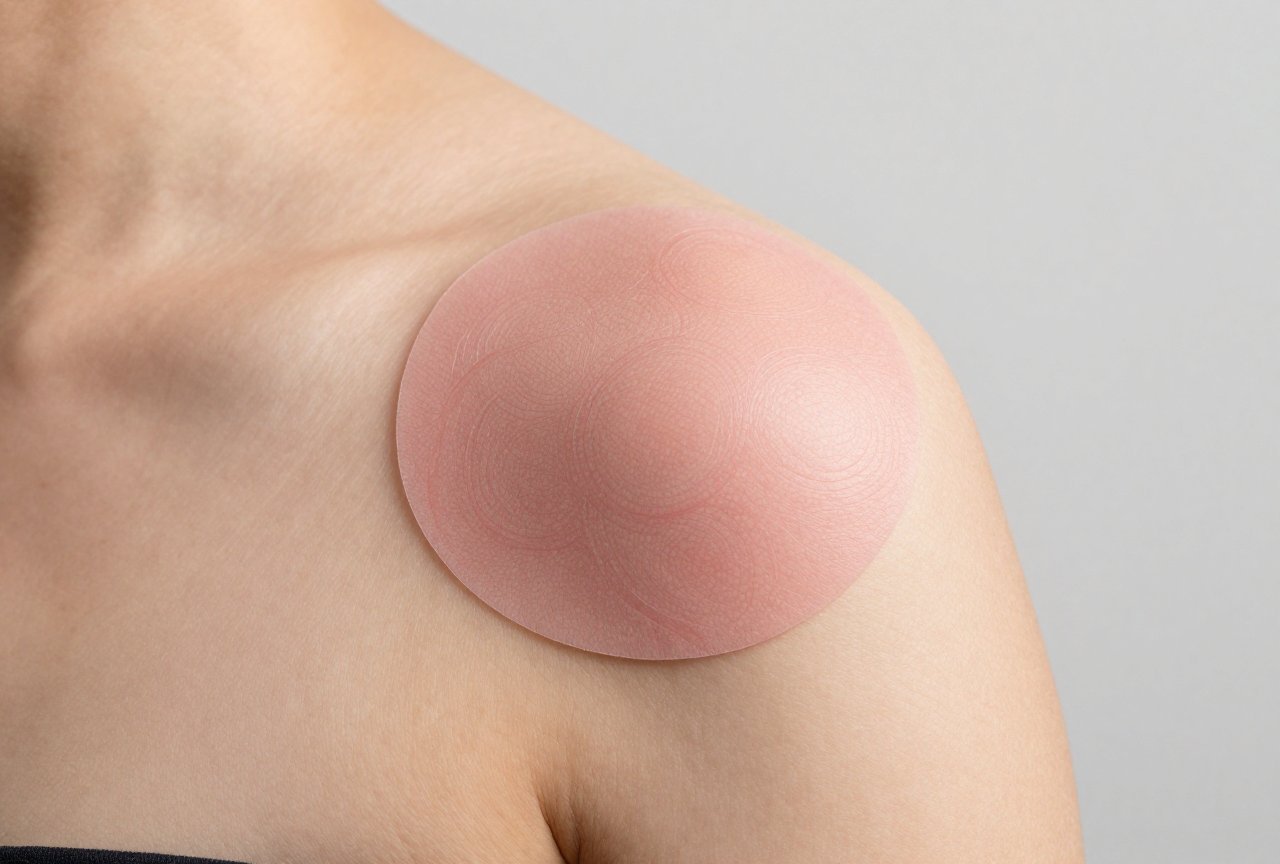
Tattoo itching usually peaks between days 3 and 7 of healing, and the single most important thing you can do is not scratch it. I know that’s easier said than done, I’ve watched clients dig at their fresh work in my shop and then come back confused why the color fell out. The itch means your skin is repairing itself, but scratching introduces bacteria, pulls out ink, and can cause permanent scarring or patchy spots. You stop the itch by keeping the tattoo clean, lightly moisturized, and distracted, cold compresses help, and so does slapping the area instead of scratching. Here’s everything I’ve learned from years of watching tattoos heal in real conditions.
Why Your Tattoo Itches in the First Place
Your immune system treats tattoo ink as a foreign substance, which it technically is. When the needle deposits pigment into your dermis, your body sends white blood cells to investigate, and the healing process kicks into overdrive. The top layer of skin, your epidermis, takes a beating, and as it regenerates, those new cells growing across the wound create that maddening itch sensation.
I’ve tattooed enough people to tell you the itch hits different depending on the body part. Inner bicep? Usually mild. Ankle over the bone? Brutal. Color packing on a dense tribal piece? That thick saturation makes the skin angrier, and the itch lasts longer. Black and grey work with soft shading tends to heal calmer than heavy color fills. Line work alone, fine details, single needle stuff, often itches less than solid fields of ink.
The Peeling Phase vs. The Itch Phase
These overlap but aren’t identical. Days 2-3, you might see plasma oozing, that shiny wet look. By day 4-5, thin skin starts flaking like a sunburn. The worst itching usually arrives right as that peeling begins, your skin is tightening, drying, and those new nerve endings are hypersensitive. I tell clients: when it starts to look like dry paper, the itch is coming. Prepare for it.
How Placement Changes the Itch
Areas that move constantly, wrists, elbows, knees, ribs, itch more because the skin flexes and cracks the forming scab. Areas that stay hot and sweaty, inner thigh, lower back above the beltline, feet stuffed in socks, itch from moisture and friction. I’ve had clients call me at 2 AM about foot tattoos because they couldn’t sleep. The solution is usually the same regardless of spot, but knowing why it’s worse helps you stay patient.
What Actually Works to Stop the Itch
Here’s the practical stuff I give every client. Not theory, stuff I’ve seen work across thousands of healed tattoos.
- Slap, don’t scratch. Open palm, quick firm pats. The vibration interrupts the itch signal without breaking skin. Sounds weird, works instantly.
- Cold compress, not ice directly. Wrap a clean cloth around a cold pack, hold for 5-10 minutes. Numbs the nerve endings. I keep compresses in my shop fridge for clients who come in panicked.
- Thin layer of fragrance-free lotion. Aquaphor for the first 3-4 days, then switch to something lighter like Lubriderm or Curel. Thick greasy layers trap heat and make itching worse. You want barely-there moisture, not a slug of petroleum.
- Keep it clean. Mild, unscented soap once or twice daily. Dried plasma and sweat are itch triggers. Gentle wash, pat dry with paper towel, don’t rub.
- Loose clothing. Tight jeans over a fresh thigh tattoo? You’re asking for irritation. Cotton that breathes, nothing that sticks or scrapes.
- Distraction. Video games, cooking, a walk. The itch spikes when you’re bored and noticing it. I had a client knit through her entire rib piece healing, zero problems.
What doesn’t work: hydrocortisone on fresh ink (can fade pigment), hot showers (opens pores and leaches color), scratching through the wrap (bacteria city), and that weird internet advice about rubbing alcohol. Don’t.
Products Artists Actually Recommend
Every shop has opinions. Here’s what I’ve used and seen work, with the real caveats.
During the First Week
Aquaphor or A+D Ointment, but sparingly. I mean a dab the size of a grain of rice for a palm-sized tattoo. Spread it thin until it almost disappears. Too much creates a suffocating layer that breeds irritation and, ironically, more itching. Some of my colleagues swear by hustle butter or specialized tattoo balms; they’re fine but not magic. The key is consistency and minimal application, not the brand name.
After Peeling Starts
Switch to plain, boring lotion. Lubriderm Daily Moisture, Cetaphil, anything your grandmother would use. No scents, no glitter, no “cooling” menthol nonsense. That tingle feels nice for ten minutes then fires up the nerves worse. I’ve seen clients react to fancy aftercare products more often than to basic drugstore stuff.
One exception: if your artist specifically recommends something, use it. We know our ink and our machines. Some pigments heal differently, and artists who’ve been in the game long enough have preferences based on real outcomes.
When the Itch Means Something’s Wrong
Normal itching is diffuse, comes and goes, and doesn’t have a specific hot spot. Abnormal itching has warning signs I’ve learned to spot.
- Localized heat and redness spreading outward. Some warmth is normal, but a spreading red zone that keeps growing past day 3 needs attention.
- Yellow or green discharge. Clear plasma or white-ish lymph fluid is normal. Colors mean infection, and infection itches differently, deep, throbbing, relentless.
- Raised, hard bumps that don’t flatten. Could be allergic reaction to ink, especially red pigments. I’ve seen this a handful of times; it needs a dermatologist, not more lotion.
- Fever or feeling genuinely ill. Your tattoo shouldn’t make you sick. Period.
I’m not a doctor, and this isn’t medical advice. But I’ve been in shops long enough to know when to tell someone to leave my chair and go to urgent care. Trust your gut. A slightly itchy tattoo is normal. A tattoo that dominates your life is not.
What to Expect Day by Day
Setting expectations helps you ride out the itch without panicking.
- Days 1-2: Sore, swollen, maybe plasma. Itch is minimal. Keep it wrapped per your artist’s instructions.
- Days 3-5: Itch begins. Peeling starts. This is the danger zone for scratching. Stay vigilant.
- Days 6-10: Itch peaks then gradually fades. Skin looks dull, “milky” under the surface. This is normal settling, not infection.
- Days 14-30: Surface looks healed but deeper layers still repair. Occasional random itch attacks happen. Keep moisturizing lightly.
Full settling takes 4-6 weeks for most pieces, longer for heavy color or large work. That ankle piece you got on vacation? It might itch on and off for two months. I always warn people about this so they don’t panic-call me at week 5.
The Mental Game
Honestly? Half of tattoo aftercare is psychological. The itch is real, but your response to it determines your outcome. I’ve watched people ruin gorgeous work because they couldn’t handle ten days of discomfort. I’ve watched others sit through 8-hour sessions with stoic silence, then lose their minds over a week of healing.
Here’s what I say in my chair: “You paid for this, you sat for the needles, don’t blow it now.” Put a reminder on your phone. Tell your partner to slap your hand away. Sleep with cotton gloves if you scratch in your sleep, I’ve suggested this to dozens of clients, and it works. One guy wrapped his fresh sleeve in gauze and taped it every night for two weeks. Extreme, but his color healed perfectly.
The tattoo community talks a lot about the art and the experience, not enough about the boring discipline of healing. Respect the process. Your future self, looking at crisp, saturated ink years later, will thank you.
Key Takeaways
Itching is a normal part of tattoo healing, especially days 3-10. The goal isn’t to eliminate itch completely, that’s impossible, but to manage it without damaging your tattoo. Slap instead of scratch. Use minimal, fragrance-free moisturizer. Keep it clean and cool. Know the warning signs of real problems. And remember: this phase ends. Every tattoo I’ve ever done, every one I’ve collected on my own body, went through this exact cycle. The ones that aged beautifully were the ones where the owner resisted the urge. You’ve got this.
Frequently Asked Questions
Can I put ice directly on my itchy tattoo?
No, never put ice directly on fresh skin. Wrap it in a clean cloth or paper towel first. Direct contact can damage sensitive healing tissue and potentially affect how the ink settles.
Why does my tattoo itch more at night?
Your body temperature rises slightly during sleep, and you notice sensations more when you’re not distracted. Also, bedding can rub against the tattoo. Try sleeping with loose, soft cotton sheets and keeping the area uncovered if possible.
Is it normal for an old tattoo to suddenly start itching?
Yes, this happens. Weather changes, dry skin, allergies, or even sun exposure can trigger itch in healed tattoos. Moisturize regularly and check if you’ve switched detergents or soaps that might be irritating the skin.
Can I exercise while my tattoo is itchy?
Light exercise is usually fine, but avoid anything that causes heavy sweating, friction on the tattooed area, or submerging in gym pools. Sweat can sting and worsen itching, and tight workout gear traps moisture against healing skin.
Related Tattoo Guides
- How to Treat an Infected Tattoo: A Shop Guide
- When Is a Tattoo Fully Healed? A Real Timeline
- Does Tattoo Hurt on Wrist? Pain, Placement Reality
- Explore more