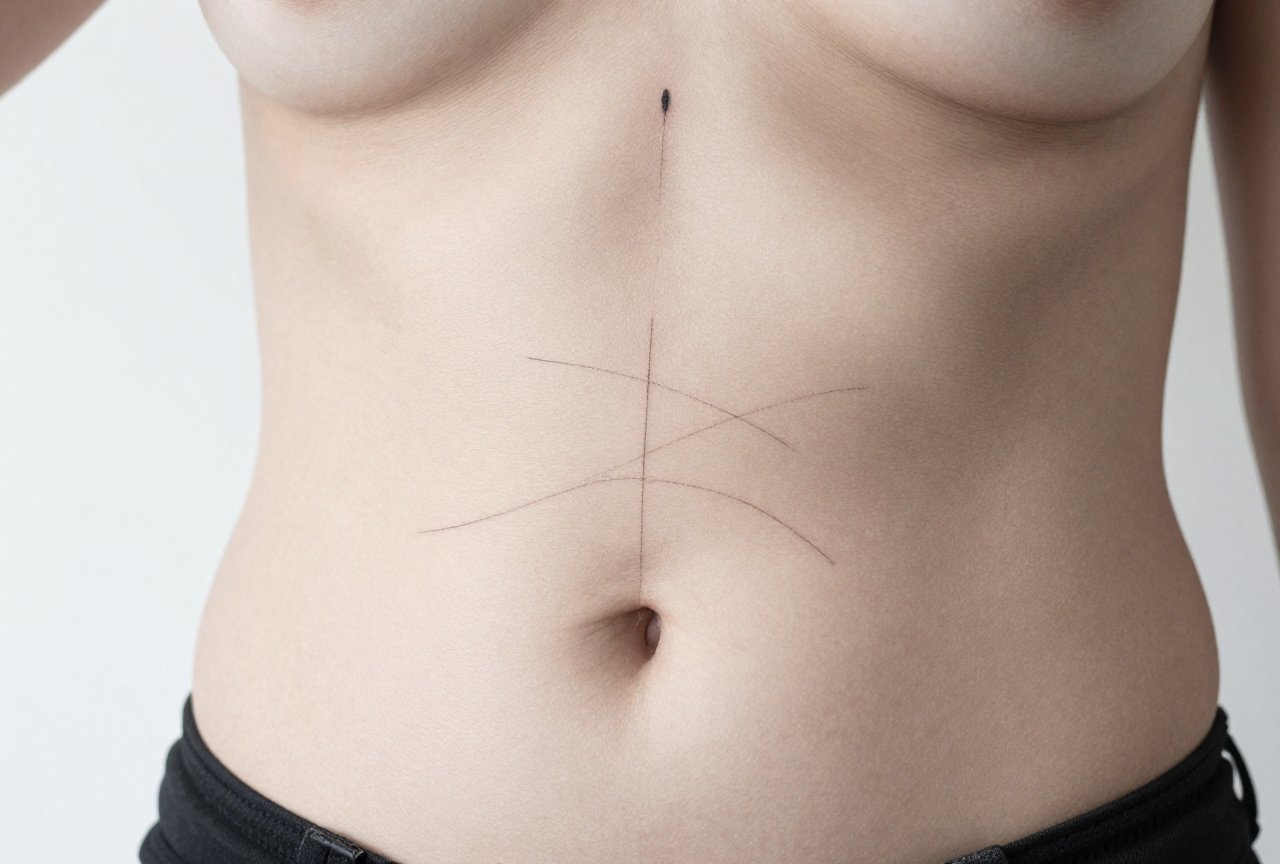
Stomach tattoos are having a moment, and honestly? They always have been. I’ve tattooed across navels, down hips, wrapping around ribs to the back. The abdomen is this wild canvas, curved, mobile, stretches with breath and body changes. I’ve had clients cry in my chair from the rib flare, then laugh two weeks later when they see the healed piece. This is real skin, real pain, real healing. Let me walk you through what actually works here.
Popular Styles That Hold Up
Traditional and Neo-Traditional
Old school bold lines are built for the belly. I’ve seen sailor jerry roses and daggers sit on stomachs for twenty years still readable. The thick black outlines fight the natural stretching and movement better than fine-line stuff. Neo-traditional gives you that same durability with more color range, moths, women’s faces, ornate frames. In my shop, we do a lot of traditional stomach pieces because clients come back less for touch-ups. The skin here moves, so you need lines that can take a beating.
Japanese and Ornamental
Japanese bodysuits often flow right through the stomach, connecting chest to thighs. Dragons, koi, peonies, these designs are made for curved surfaces. The ornamental stuff, mandalas and geometric patterns centered on the navel, that’s huge right now. I tattooed a huge mandala on a dancer last year; we had to do it in three sessions because she couldn’t stop her abs from twitching. The symmetry is unforgiving here. One slip and the whole piece looks off. But when it hits, it hits hard.
- Traditional bold lines: best longevity, less fading
- Japanese imagery: designed for body contours, ages gracefully
- Ornamental/geometry: high visual impact, requires precise artist
- Black and grey realism: popular but softens faster on stomach skin
Design Ideas That Actually Work
Working With the Navel
The belly button is not empty space, it’s a feature. I’ve tattooed around it, through it, used it as the center of a sunburst, hidden it inside a snake coil. Some clients want the navel avoided entirely; others want it integrated. I tell people: if you’re planning future pregnancy, think about how that skin will stretch. A design centered on the navel might distort. I’ve seen beautiful pieces ruined by post-baby skin changes. Not saying don’t do it, just know your body.
Flow and Direction
Horizontal designs across the lower abdomen, vertical pieces running sternum to pubic bone, wraps that disappear around the sides. I’ve done script that follows the hip crease, floral that cascades like water from ribs to pelvis. The stomach isn’t flat. Your design has to move with the terrain. A straight line across a curved surface looks bent. I always draw the stencil with the client standing, sitting, breathing deep. What looks good on paper dies on skin if you don’t account for movement.
- Central pieces: mandalas, compasses, suns, flowers
- Side wraps: snakes, vines, script flowing to hip or back
- Lower stomach bands: ornamental borders, floral chains, geometric strips
- Full frontals: large-scale scenes, Japanese themes, abstract flow
Best Placements and What to Expect
The Upper Abs and Ribs
Below the chest, above the navel, this is prime real estate. Less stretch over time, easier to heal, less friction from clothing. But the ribs? Brutal. I’ve had grown men tap out on rib pieces. The skin is thin, the bone close, every needle hit vibrates. The upper abs are more forgiving. I did a huge eagle here last month; client handled it like a champ. Healed clean too, because he could keep his shirt off at his warehouse job.
The Lower Stomach and Hip Bones
This is where it gets personal. Pubic area, hip bones, those soft spots where skin meets bone. The pain is sharp, intimate, and the healing is annoying, underwear bands, pants waistlines, sitting down. I’ve tattooed names here (don’t do it, but they do), small butterflies, script. The hip bone specifically is a rite of passage in some shops. I’ve seen clients love it and hate it. The skin is different here, softer, more prone to blowouts if your artist pushes too hard. I lighten my hand on hip bones. Always.
- Upper abdomen: most stable, easiest aftercare
- Side/flank area: great for wraps, moderate pain
- Lower stomach: high stretch zone, plan for body changes
- Hip bones: intense pain, delicate skin, bold lines recommended
Color Choices and How They Age
Stomach skin sees sun, sees friction, sees stretch. I’ve watched bright reds fade to pink, yellows disappear entirely, blacks soften to charcoal. The stomach is not a spot for subtle pastel watercolors if you want longevity. I steer clients toward saturated colors, heavier pigment loads, or committed black and grey.
That said, I’ve done stunning full-color Japanese stomach pieces that look incredible at five years. The difference? The client wears sunscreen. Every day. Without fail. Color on the stomach is a relationship, not a one-time event. You have to maintain it. Black and grey is more forgiving. It fades, sure, but it fades gracefully, like an old photograph. I’ve got a client with a black and grey phoenix from 2010 still looking solid because we packed it dark and she moisturizes like it’s religion.
- Black and grey: lowest maintenance, best aging
- Bold traditional color: holds well with thick lines
- Soft pastels: fade fast on stomach, need frequent touch-ups
- White ink: often disappears or yellows, not recommended for large areas
Tips for Choosing Your Artist
Look at Healed Work
Anyone can make a fresh tattoo look good. I tell clients: show me stomach work at one year, at three years. That’s the truth. I have photos of my healed pieces specifically for this. The stomach is tricky, artists who only post fresh photos might not understand how their work settles. Ask to see it. A good artist is proud of healed work.
Talk About Your Body Honestly
Weight fluctuations, pregnancy plans, stretch marks, scars, these matter. I’ve had to design around appendectomy scars, C-section lines, loose skin from major weight loss. None of this is shameful. It’s information. The more you tell me, the better I can place and design. I’ve turned down jobs because the skin wasn’t ready or the placement was wrong for the client’s goals. A good artist will be honest with you, even if it means less money for them.
- Ask specifically for healed stomach photos, not just fresh work
- Discuss body changes openly, artists need to plan for real skin
- Consider your pain tolerance; stomach work is no joke
- Budget for multiple sessions; large stomach pieces take time
- Plan aftercare around your clothing and work situation
Final Thoughts
Stomach tattoos are bold. They’re visible, they’re personal, they move with your breath. I’ve tattooed hundreds of them, and I still get excited when someone walks in with a solid idea and realistic expectations. The abdomen asks something of you, pain tolerance, aftercare discipline, honesty about your body. But it gives back. A well-done stomach piece is a centerpiece. It frames everything else. I’ve watched clients transform in my mirror, seeing themselves with this permanent art on their core. That’s the job. That’s why we do it. Go in informed, pick an artist who knows the territory, and give your skin the respect it deserves.
Frequently Asked Questions
How painful is getting a stomach tattoo compared to other areas?
The stomach varies wildly by exact spot. Upper abs are moderate, manageable for most people. Ribs and hip bones are among the most painful placements due to thin skin and proximity to bone. Lower stomach can be intense because of soft tissue and nerve density. Everyone’s different, but don’t expect a walk in the park.
Will a stomach tattoo stretch if I gain weight or get pregnant?
Yes, stomach skin stretches significantly with weight changes and pregnancy. Existing tattoos may distort, fade, or develop blowouts. I always tell clients to consider their future plans. Some wait until after having children. Others get work that can be touched up later. There’s no perfect answer, just honest planning.
How long does a stomach tattoo take to heal properly?
Surface healing is typically 2-3 weeks, but the stomach moves constantly with breathing, sitting, bending. Full settling takes 6-8 weeks. Clothing friction is your enemy here, loose shirts, no tight waistbands, and sleeping on your back if possible. Follow your artist’s aftercare exactly; this area is prone to irritation.
Can you tattoo over stretch marks or scars on the stomach?
Sometimes, but it depends on the scar’s age and texture. Fresh scars won’t hold ink well; I wait at least a year. Older, settled stretch marks can be incorporated into designs, I’ve worked them into tree bark, water texture, animal fur. A consultation and test patch tells the real story. Be upfront with your artist.
More Tattoo Ideas
- Realistic Spider Tattoos: A Complete Style Guide
- Gaming Tattoo Ideas for Dedicated Players
- Video Game Tattoo Ideas That Actually Work
- Explore more