A Spain tattoo can mean anything from a simple Spanish flag to a full Gaudi-inspired sleeve, a flamenco dancer silhouette, or the coordinates of that bar in Barcelona where you met your partner. I’ve tattooed plenty of them over the years. What matters isn’t the idea itself, it’s how you place it, how you design for the long haul, and what you actually commit to in the chair. This guide walks you through the real decisions, from my side of the needle and yours.
Popular Spain Tattoo Styles That Actually Work
Clients come in with Pinterest boards full of ideas. Some translate to skin beautifully. Others fall apart in six months. Here’s what holds up.
Minimalist Line Work
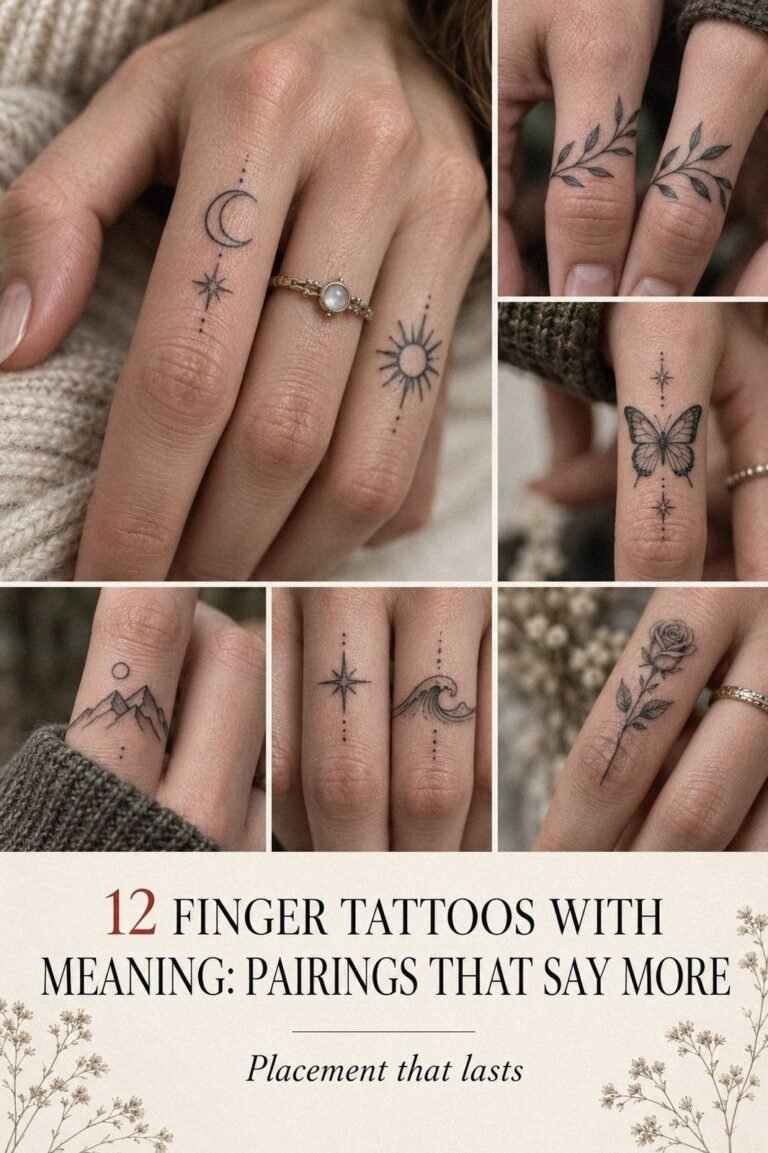
Small outlines of Spain’s map, the Barcelona cathedral, or a tiny “españa” script. I love doing these when they’re scaled right. Too small and the islands blur together. Too fine and the lines spread. I usually tell clients: if you want a map, give it at least palm-sized real estate. Finger tattoos? I’ve done them, but I always warn that Spain-shaped ink on a finger will need a touch-up, probably more than one.
Black and Gray Realism
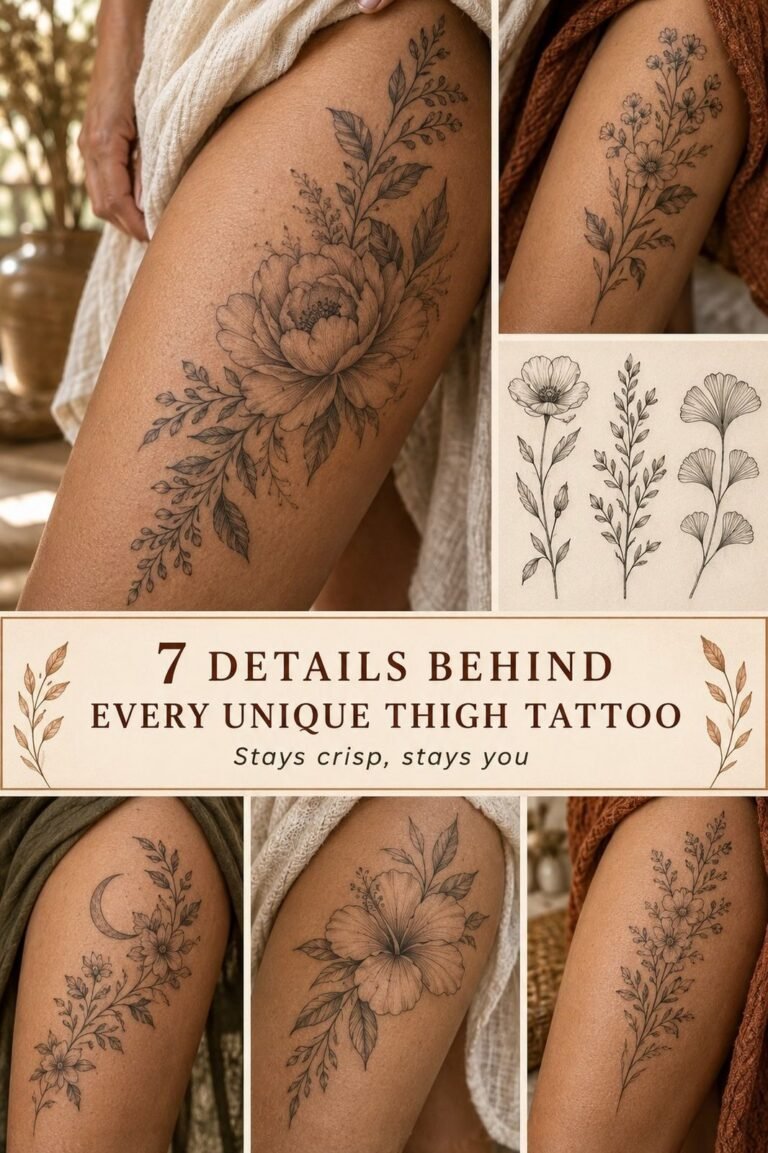
Spanish architecture, bull imagery, portraits of Lorca or Picasso-style interpretations. This is where I spend most of my time. The shading in black and gray ages gracefully if you protect it from the sun. I did a full Alhambra facade on someone’s thigh last year, still crisp because we kept it out of direct line-work territory where the skin stretches most.
- Watercolor Spain tattoos: bold, trendy, but the soft edges fade fastest
- Traditional American with Spanish motifs: bold lines, built to last, limited color palette
- Lettering in Spanish: script choice matters enormously for readability at size
Placement: Where Spain Tattoos Live Best
Placement changes everything. Same design, different spot, completely different experience and lifespan.
High-Visibility Spots
Forearms, calves, upper chest. These show off your Spain tattoo, but they also take sun damage. I see a lot of faded reds and yellows from flags placed on outer forearms. If you’re set on visible color, commit to sunscreen. I tell every client with a Spain flag: that red stripe will peach out in three years without protection.
Hidden or Protected Areas
Ribs, inner bicep, upper back, thighs. These heal cleaner because they’re not constantly rubbing against desks, belt lines, or phone hands. I did a massive Spanish coat of arms on a guy’s ribs, he sat like a rock for twelve hours, and five years later it still looks almost fresh. Skin there doesn’t see much sun, doesn’t stretch much if you stay relatively stable weight-wise.
- Foot and ankle: popular for small map outlines, but healing is a nightmare, ink drops out
- Neck and hands: bold choice, know that some shops won’t do these as first tattoos
- Stomach and sides: moves with breathing, design needs to flow with the body
The Pain Reality: What Sitting for a Spain Tattoo Actually Feels Like
Everyone asks. I always give the same answer: it depends on the spot, not the design. A tiny Barcelona compass on your ribs hurts more than a full Spain map on your outer thigh.
Bony areas, ankles, collarbones, ribs, spine, feel like a hot scratch that doesn’t stop. Fleshy areas, thighs, upper arms, calves, thump more than burn. I’ve had clients fall asleep during big thigh pieces. I’ve also had grown men tap out on a twenty-minute ankle session.
For larger Spain-themed work, especially architectural detail or portrait realism, you’re looking at multiple sessions. I break up a full back piece over four or five sittings. Your skin swells, I stop. We come back. Anyone who tells you they blasted a full Spanish coat of arms in one sitting either has a very small back or is lying about the quality.
What Spain Tattoos Cost in US Shops
I don’t set prices by theme. I set them by time, complexity, and my booking demand. But here’s the honest range I see across shops:
- Small simple outline (map, word, small symbol): $150-$300, maybe an hour
- Medium black and gray piece with detail: $400-$800, 2-4 hours
- Large custom realism, full color, or extensive lettering: $1,000-$2,500+, multiple sessions
Some artists charge by piece, some by hour. I charge by hour for anything over two hours because it keeps me honest and you informed. Shop minimums exist everywhere, don’t expect a $50 Spain tattoo from anyone reputable. That $50 special usually means rushed, unlicensed, or both. I’ve fixed enough of them to know.
Deposit culture is standard now. I take $200 to hold a custom Spain design spot. It comes off the final price. No deposit, no drawing time. That’s shop reality everywhere I’ve worked.
Healing: The Part Nobody Wants to Talk About
Your Spain tattoo will look terrible for about two weeks. That’s normal. I send every client home with the same instructions, and maybe half follow them perfectly.
The First Three Days
Plasma and ink seep. The area feels like a sunburn. Wash it gently with unscented soap, pat dry, apply a thin layer of recommended aftercare. I prefer simple fragrance-free lotion over petroleum-heavy options, lets the skin breathe. Your artist will have a preference; use what they tell you, not what Reddit says.
Days Four to Fourteen
Peeling starts. It looks like dandruff. It itches. Do not scratch. Do not pick. I’ve seen beautiful Spanish flag colorwork ruined by someone picking scabs because they “couldn’t help it.” The red ink comes out with the scab. Then you’re back in my chair paying for a fix that was preventable.
- No swimming pools, hot tubs, or ocean dips for two weeks minimum
- No gym if the tattoo is somewhere that gets pressed against equipment
- Sunscreen after healing, SPF 30 or higher, every day, forever, seriously
Color tattoos, especially reds and yellows like Spanish flag work, fade fastest without sun protection. I see this constantly. That bold crimson becomes salmon pink in three to five years if you ignore sunscreen.
Designing for the Long Haul
Trendy Spain tattoos exist. I did a bunch of those watercolor splashes with map outlines in 2016. They looked incredible fresh. Now I’m doing cover-ups on the ones that aged poorly. The soft edges bled, the colors muddied, the map shape became unrecognizable.
What lasts: bold contrast, sufficient size, placement that doesn’t see constant friction. I always ask clients: “Do you want this to look good on Instagram tomorrow, or on your body in ten years?” The answer shapes everything.
Spanish cultural imagery, flamenco, bulls, olives, wine, architecture, works best when it respects the source. I steer clients away from cliché bullfighter poses unless they have genuine personal connection. Better to find a specific building, a specific phrase, a specific memory. Your Spain tattoo should be yours, not a stock image.
Key Takeaways
Choose placement based on your lifestyle and willingness to protect the work from sun and friction. Size matters more than you think, too small and detail becomes mush. Budget for quality, expect a deposit, and commit to the healing process without shortcuts. Color fades; black and gray shifts. Both need sunscreen forever. Talk to your artist honestly about what you want, where, and why. The best Spain tattoo isn’t the one that gets the most likes. It’s the one you’re still proud to show in fifteen years.
Frequently Asked Questions
How long should I wait between sessions for a large Spain tattoo?
I usually schedule four to six weeks apart. Your skin needs time to fully settle before I work adjacent areas. Rushing it means compromised healing and worse final results.
Will a Spain flag tattoo in red and yellow need more touch-ups than black ink?
Red and yellow pigments fade faster than black, especially with sun exposure. I tell clients to expect a refresh every five to eight years if they want colors staying bold.
Can I get a Spain tattoo if I’m not Spanish?
Of course. I tattoo travel memories, heritage connections, and pure aesthetic appreciation. What matters is that the meaning feels genuine to you, not that you hold a passport.
How do I find an artist who specializes in architectural or lettering Spain tattoos?
Check portfolios for similar work, actual healed photos, not just fresh shots. Ask to see a Spain or travel piece aged two-plus years. Good artists will show you.
Related Tattoo Guides
- Does a Leg Tattoo Hurt? A Real Tattoo Artist Breaks It Down
- How Long After a Tattoo Can You Shower? A Real Guide
- How Long to Keep a Tattoo Wrapped: A Working Artist s Guide
- Explore more