Yes, it’s absolutely normal for a tattoo to scab, lightly. A thin, flaky layer that looks almost like dried skin? That’s part of the deal. But thick, raised, crusty scabs that crack and bleed? That’s your body waving a red flag. After fifteen years in shops from Portland to Austin, I’ve watched thousands of tattoos heal, and the difference between healthy scabbing and a problem comes down to aftercare, placement, and sometimes just dumb luck.
What Normal Scabbing Actually Looks Like
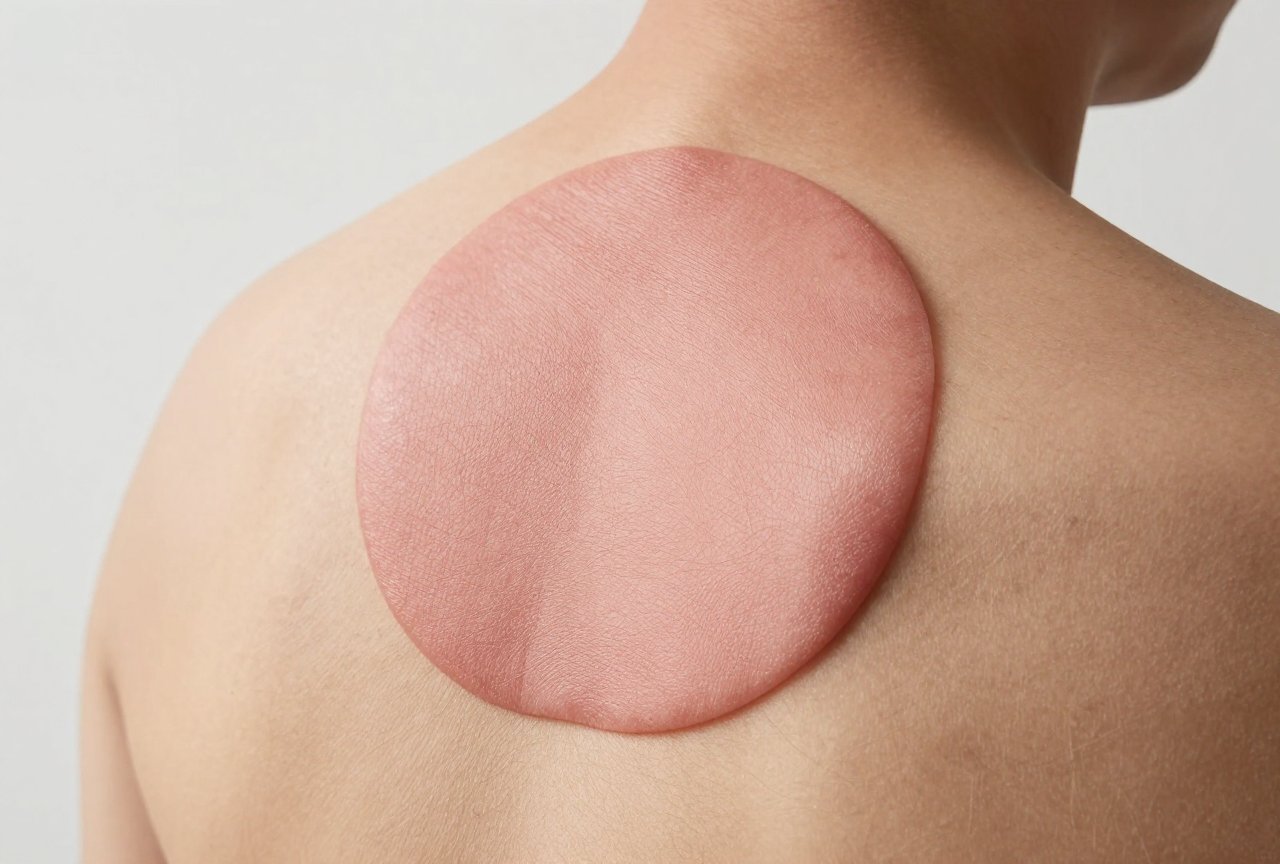
Here’s the thing nobody tells you: that “scab” on your fresh tattoo often isn’t a true scab at all. It’s more like a thin film of dried plasma, ink, and dead skin sitting on top. I tell clients to picture the residue left on a pan after cooking eggs, flaky, delicate, almost translucent in spots. That’s the sweet spot.
Thin vs. Thick: The Texture Test
Normal tattoo scabbing feels like rough, dry skin. You can barely catch it with a fingernail. Problem scabs are different, they’re chunky, rigid, sometimes dark and almost waxy. I’ve seen thick scabs on clients who went too heavy with Aquaphor, trapping moisture against the skin like a greenhouse. I’ve also seen them on people who ignored aftercare entirely and let the tattoo dry out to leather.
- Normal: flaky, light-colored, comes off naturally in the shower
- Concerning: thick, dark, raised, cracks when you move, bleeds or weeps
- Emergency: scab with spreading redness, heat, or foul smell, see a professional
Where Scabbing Shows Up Most
Some spots just scab harder. The ditch of your elbow, inner bicep, anywhere socks rub, those areas take a beating. I did a solid black raven on a guy’s kneecap last year, and that thing scabbed like a battlefield for ten days. Knees, elbows, ribs, feet: the skin moves more, stretches more, and the scabs hang on longer. It’s not a flaw in the tattoo; it’s anatomy being anatomy.
The Healing Timeline Nobody Talks About
Day one through three: your tattoo’s an open wound, leaking plasma and ink. It might look shiny, almost slimy. That’s normal. Days four to seven: the thin scab layer forms, or the skin starts that tight, “sunburn peeling” phase. Days seven to fourteen: scabs flake off, revealing milky, slightly dull skin underneath. Don’t panic, that’s not your final result. The true color settles in around week four, sometimes six for dense blackwork.
I’ve had clients message me at day ten, convinced their tattoo faded to gray. “Patience,” I write back. “You haven’t seen your tattoo yet.” The scab phase is a mask, not the face beneath it.
When Scabbing Runs Long
Most scabs resolve within two weeks. If you’re still dealing with thick crust at day twenty, something’s off, usually over-moisturizing, picking, or an area that keeps getting bumped. I had a chef client whose forearm tattoo scabbed for nearly a month because he kept burning it on oven racks. The body prioritizes. Fresh burns interrupt healing.
Aftercare That Controls Scabbing
The goal isn’t zero scabbing. The goal is thin, manageable scabbing that protects the wound without suffocating it. In my chair, I give the same advice I’ve refined over a decade: wash gently with unscented soap, pat dry with a clean paper towel, apply a thin layer of recommended aftercare product, just enough to make it slightly shiny, not greasy.
- Wash 2-3 times daily for the first week
- Moisturize after washing and whenever it feels tight
- Don’t soak it: no baths, pools, hot tubs until scabs are gone
- Let scabs fall off in the shower or on their own, never pick
The Lotion Mistake Everyone Makes
People glob it on. I get it, you want to baby your new ink. But thick layers of ointment trap bacteria and plasma, creating exactly the heavy scabs you’re trying to avoid. I tell clients to imagine spreading butter on toast: a thin, even layer. If you can see your reflection in the shine, you’ve used too much.
What Picking Actually Does to Your Tattoo
I say this with love: picking is how you ruin a tattoo. Not might. Will. When you pull off a scab prematurely, you’re not just removing dead skin, you’re pulling out ink that hasn’t settled into the dermis yet. The result is patchy, light spots called “holidays” that need touch-ups.
I’ve tattooed over scars from clients who picked previous work. The skin’s texture changes, the ink sits differently, and I have to work harder to get even saturation. It’s fixable, but it’s avoidable. If a scab is hanging by a thread after two weeks, a warm shower will usually coax it off. Until then, hands off.
The Itch You Can’t Scratch
Days seven to ten, the itch hits. Not a normal itch, a deep, maddening, “something’s crawling under my skin” itch. That’s the scabs tightening and nerve endings healing. I slap my own tattoos when they’re itchy, flat palm, no nails. Some clients freeze a clean washcloth and press it against the area. Others find relief in a thin layer of fragrance-free moisturizer. What you don’t do is scratch. I’ve seen people wake up with bloody fingernails and ruined linework.
When Scabbing Means Trouble
Most scabs heal fine. But infection is real, and it doesn’t always look dramatic. Spreading redness beyond the tattoo’s edges, skin that’s hot to the touch, yellow or green fluid, or a smell that makes you recoil, those aren’t “part of the process.” I’ve sent three clients to urgent care in fifteen years, and each one waited too long because they thought they were being paranoid.
Allergic reactions to ink are rarer but happen, usually with reds and yellows. Bumpy, persistent scabbing that doesn’t follow the normal timeline might signal a reaction. A dermatologist can help, not your tattoo artist. We know skin in the context of art, not pathology.
Scabs That Leave Marks
Even normal scabbing can affect the final result if the tattoo was overworked. Heavy-handed lining, too many passes in one spot, or working an area already swollen from a long session, these create thicker scabs that sometimes pull ink out as they lift. Good artists read skin tension and know when to stop. If your scabs are consistently thick across an entire tattoo, the application might be the issue, not your aftercare.
Key Takeaways
Light, flaky scabbing is normal and expected. Thick, cracking, bleeding scabs signal a problem with aftercare, placement stress, or occasionally the tattoo application itself. The healing window runs roughly two weeks for most tattoos, longer for dense work on mobile areas like knees and elbows. Wash gently, moisturize thinly, never pick, and trust the timeline, what looks dull or patchy under scabs usually blooms into proper color once the skin fully regenerates. If something feels wrong beyond standard discomfort, seeking professional medical guidance is the smart move. Your tattoo’s permanent, but the healing is temporary. Treat it with patience, and it’ll treat you with years of looking exactly how you wanted.
Frequently Asked Questions
Can I shower normally while my tattoo is scabbing?
Yes, quick showers are fine. Let warm water run over the scabs without scrubbing. Avoid soaking in baths, pools, or hot tubs until all scabs have naturally fallen off, usually around two weeks.
Why does my tattoo look faded underneath the scabs?
That milky, dull appearance is normal, it’s new skin forming over the ink. The true vibrancy returns once this layer settles and the skin fully regenerates, typically by week four to six.
Is it okay to exercise while my tattoo is scabbing?
Light exercise is fine, but avoid anything that causes heavy sweating, friction on the tattooed area, or stretching that cracks the scabs. I usually tell clients to skip the gym for at least a week for large pieces.
What should I do if a scab gets ripped off accidentally?
Don’t panic. Clean the area gently, apply a thin layer of aftercare product, and let it be. It may heal slightly lighter in that spot, but most touch-ups are quick and often included in your original session price.
Related Tattoo Guides
- Does a Spine Tattoo Hurt? A Real Tattoo Artist Breaks It Down
- How Long Will a Tattoo Peel? A Real Healing Timeline
- How to Become a Tattoo Apprentice: A Real-World Guide
- Explore more