Xxxtentacion Tattoo Ideas: Real Shop Guidance
Memorial tattoos for musicians occupy a distinct corner of tattoo culture. They demand honesty about who the artist was, what they meant to you, and how that translates into lasting skin art. For those drawn to XXXTentacion (Jahseh Onfroy), the challenge lies in honoring a complicated legacy without sanitizing it. This guide offers practical direction for designing meaningful, well-executed tribute tattoos based on actual studio experience.
Common Variations & Styles
Portrait Work
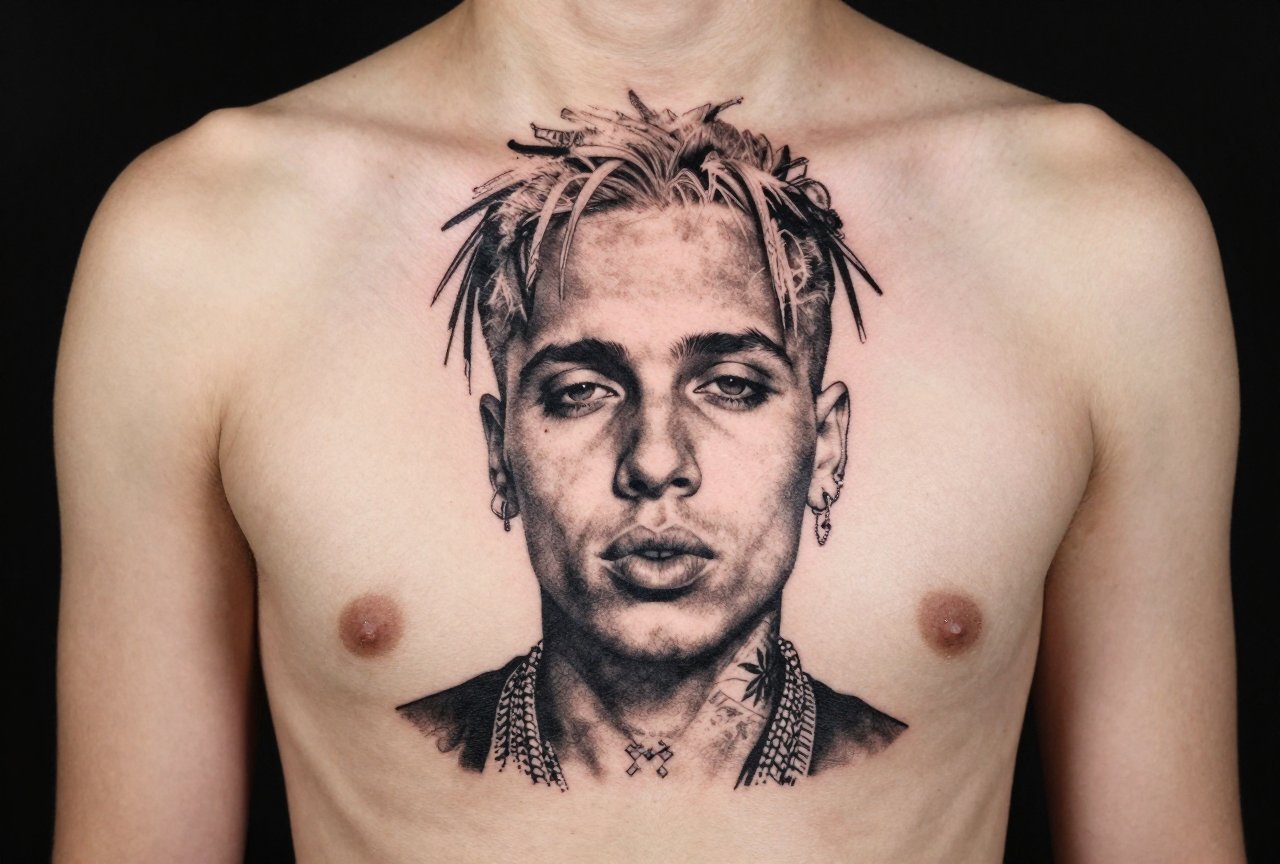
Realistic portraits of XXXTentacion remain the most requested format. The distinctive facial tattoos, hair color changes, and expressive eyes provide strong visual anchors for artists. Black-and-grey realism dominates, though some collectors opt for full color referencing specific music video eras. The “Revenge” hoodie look, the blonde-and-black split dye phase, and the bare-faced early career shots each carry different emotional weights.
Single-needle and fine-line approaches have gained traction for smaller portraits. These suit wrist placements and behind-the-ear spots where bold realism would blur over time. Larger back pieces or thigh portraits allow for environmental storytelling, incorporating album artwork backgrounds or Florida palm motifs.
Symbolic and Text-Based Designs
- “NUMB” or “SAD” script: His most recognizable song titles, rendered in his own handwriting or stylized gothic lettering
- The broken heart icon: Simplified vector-style graphics referencing his album art and merchandise aesthetic
- Tree of life imagery: Often linked to his posthumous album “Skins” and broader themes of growth through pain
- “Members Only” branding: The collective he founded, sometimes rendered as text or the distinctive bear logo
- Florida area codes (561, 954): Geographic identifiers connecting to his Broward County origins
Neo-traditional and new school styles interpret these elements with bolder outlines and saturated palettes. Japanese-influenced approaches occasionally frame portraits with cloud bands or cherry blossoms, though this hybrid style requires careful cultural navigation.
Symbolism & Core Meaning
XXXTentacion’s music foregrounded raw emotional confession, particularly around depression, heartbreak, and survival. Tattoos honoring him typically channel one of three thematic currents: the validation of pain as experience, the possibility of redemption, or the tragedy of truncated potential.
His visual iconography carries layered significance. The recurring broken heart functions as both personal emblem and generational shorthand for emotional vulnerability. The “Revenge” title, initially an album name, became a broader philosophical marker for collectors, sometimes reinterpreted as revenge against circumstance rather than interpersonal vengeance.
Color choices carry specific resonance. Black and red dominate most designs, reflecting his album palettes and the intensity of his musical tone. Some collectors incorporate yellow for the “?” album era, or the pale blue of his final public appearances. These chromatic decisions often matter more than collectors initially realize, anchoring the piece to specific temporal and emotional moments.
Best Placements
High-Visibility Sites
Forearms serve as the default placement for text-based tributes, allowing daily visibility and easy self-reference. The inner forearm offers flatter skin for script readability, while the outer forearm accommodates larger portrait orientation. Chest pieces over the heart carry obvious symbolic weight for devoted fans, though they require comfort with prominent display.
Concealed or Selective Locations
Ribs and side panels suit collectors wanting personal significance without constant public exposure. These areas handle vertical script well and provide canvas for elongated portrait orientation. Upper arms and shoulders offer compromise: visible in sleeveless contexts, coverable for professional environments.
Neck and hand placements occur regularly with this subject matter, reflecting the demographic skew toward younger collectors. Experienced artists typically counsel against these for first tattoos, noting the employment implications and the technical challenge of aging well on high-movement skin.
What to Expect
Portrait tattoos demand longer sessions than most anticipate. A palm-sized realistic piece requires 3-4 hours minimum; full realism at hand-size or above extends to 6-8 hours across multiple appointments. Single-needle work paradoxically takes longer despite finer lines, as the precision required slows execution.
Pain levels vary dramatically by placement. The rib cage and sternum rank highest for most collectors. The forearm’s outer edge near the wrist bone, a popular site for “NUMB” script, surprises many with its intensity. Numbing creams exist but most reputable artists discourage reliance on them; they alter skin texture and can complicate ink saturation.
Healing timelines follow standard parameters: 2-3 weeks for surface healing, 2-3 months for full settling. Portrait work with heavy black fill requires particular attention to moisture balance, over-dried areas in detailed realism lead to patchy healing that demands touch-up correction.
Who Chooses This Tattoo
The demographic spans wider than casual assumption suggests. Primary collectors cluster in the 18-28 range, often receiving their first or second tattoo. However, substantial numbers of 30+ collectors arrive with extensive existing work, drawn by specific tracks that resonated during difficult personal periods rather than general fandom.
Motivation patterns fall into recognizable categories. Some seek validation of survived hardship, the music having functioned as survival soundtrack. Others mourn the specific tragedy of young death, the tattoo operating as memento mori. A smaller group engages with his artistic evolution specifically, marking the “Skins” or “Bad Vibes Forever” periods as distinct creative achievements.
Studio conversations around this subject occasionally require navigation. Artists report needing to distinguish between genuine emotional connection and performative grief, particularly with very young collectors. The best outcomes emerge from extended design consultation where the collector can articulate specific track lyrics, visual moments, or personal associations beyond general appreciation.
Design Tips & Pairings
Working With Your Artist
Bring reference material that extends beyond Google Image results. Screenshots from specific music videos, merchandise photographs you own, or concert footage provide clearer source material than over-reproduced publicity shots. Discuss which facial tattoo details to include or omit; his evolving ink creates chronological specificity that may or may not suit your intent.
Consider negative space deliberately. Dense black-fill portraits can become visually heavy; strategic skin breaks for highlight or background texture improve longevity and visual breathing room. The broken heart symbol particularly benefits from clean, uncluttered presentation.
Complementary Elements
- Floral additions: Lilies or withered roses extend the romantic-gothic tone without competing with central portraiture
- Celestial motifs: Moons and stars reference his nocturnal aesthetic and frequent lyrical night imagery
- Barbed wire or chain elements: Controversial given his legal history, but some collectors specifically request these as acknowledgment of complexity rather than glorification
- Lyric excerpts: Short phrases integrated as background texture or banner elements, requiring careful font selection for readability at size
Avoid overcrowding the primary subject. XXXTentacion’s visual identity carries enough inherent intensity that competing elements diminish rather than enhance. The most successful pairings function as frame or atmosphere, not parallel focal points.
The Bottom Line
Memorial tattoos for controversial artists test the boundaries between personal meaning and public statement. The strongest XXXTentacion pieces emerge from specific, honest engagement with his work rather than borrowed significance. Know which album, which track, which visual era genuinely connects to your experience. Communicate that specificity to your artist. Accept that complexity, his legacy contains genuine artistic achievement alongside documented harm, and let your design reflect whatever authentic relationship you hold with that totality.
Technical execution matters profoundly with this subject. Portrait realism requires verified skill; examine healed results in your artist’s portfolio, not fresh photography. Text work demands lettering specialists; the emotional weight of a tribute amplifies the disappointment of poorly kerned script. Invest accordingly in both design development and artist selection.
The tattoo will outlast current discourse around his legacy. Design for that duration, not immediate recognition or social media reception. What resonates at 22 should still carry integrity at 42, even if the nature of that resonance transforms. Good memorial work accommodates transformation rather than freezing a single moment of feeling.
Frequently Asked Questions
How do I find an artist who can properly execute a XXXTentacion portrait?
Look specifically for healed portrait work in their portfolio, not fresh tattoos. Black-and-grey realism requires different skills than color work. Ask to see pieces that are 6+ months old. Many artists excel at fresh photography but struggle with longevity in fine detail. Request a consultation before booking to discuss their approach to facial tattoo replication and skin tone rendering.
Is it appropriate to get this tattoo if I only discovered his music after his death?
Posthumous discovery is valid connection. The key is specificity, not timing. Be prepared to articulate which tracks, which lyrics, which emotional moments actually matter to you. Artists can distinguish between genuine resonance and trend-following when collectors can name particular songs and explain personal relevance beyond general appreciation.
What should I know about the pain level for common placements?
Inner forearm script rates moderate for most, but the outer wrist bone area near where “NUMB” tattoos typically sit intensifies significantly. Rib portraits rank among the most painful placements and require stillness that challenges longer sessions. Chest work over the sternum brings unique intensity due to proximity to bone and nerve density. Plan session length accordingly.
How do I handle questions about his controversial history when people see my tattoo?
Prepare your own honest framing in advance. Some collectors emphasize the musical impact separate from the person. Others acknowledge the complexity directly. The tattoo commits you to navigating this conversation occasionally; design clarity about your own relationship to his legacy helps. Your artist cannot solve this for you, but clear personal motivation produces more confident, defensible work.