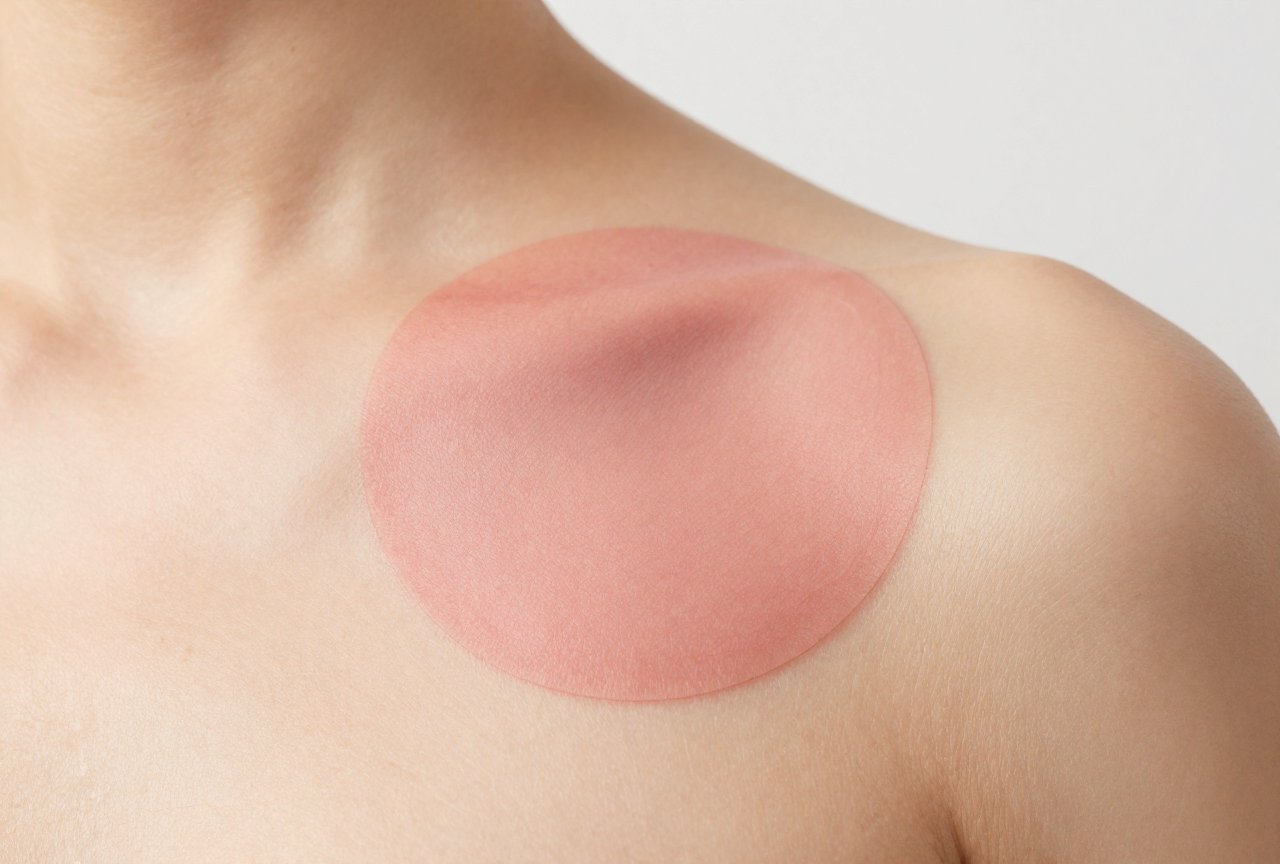
Short answer: start somewhere you can easily hide, that won’t warp much as you age, and that lets you test how your skin takes ink. Most first-timers do great with the outer upper arm, the calf, or the shoulder blade. These spots hurt less, heal cleaner, and give you room to learn what having a tattoo actually feels like before you commit to something visible or painful.
Why Placement Matters More Than Design
I’ve tattooed enough first-timers to know the design gets all the attention, but placement decides whether you’ll love it or laser it. Your skin isn’t paper. It stretches, sags, sun-damages, and thickens in spots. A gorgeous piece on the wrong canvas turns into a blob.
Here’s what I tell clients in my chair: pick the spot first, then adapt the design to fit. Not the other way around.
How Skin Behaves Differently by Area
Thinner skin moves more and blurs faster. The inner wrist, tops of feet, and ribs all have minimal padding between ink and bone, plus constant flexing. I’ve seen crisp linework on ribs get fuzzy inside five years from breathing and twisting. Meanwhile, that same line weight on a calf or outer thigh stays sharp for a decade because the skin’s thicker and more stable.
Shading ages differently too. Soft greywash on the upper arm holds beautifully. Pack that same wash onto a hand or finger and it’ll fall out patchy, those areas shed skin faster and the ink doesn’t settle as deep.
Your Lifestyle Reality Check
We see this a lot: someone gets a neck piece for their first tattoo, then realizes their office job actually enforces the dress code. Or they get a foot tattoo and discover they can’t wear the work boots their job requires for two weeks of healing.
Think about your actual week. Gym habits? Sleep position? Do you swim, wrestle, or roll in a martial art? Healing means keeping a fresh tattoo clean, dry, and unrubbed for roughly two weeks. Pick a spot that doesn’t conflict with how you actually live.
The Best First Tattoo Spots: Ranked by Experience
These are the placements I steer newcomers toward, based on fifteen years of watching people come back for their second piece, or disappear forever.
- Outer upper arm: The classic for a reason. Moderate pain, easy to heal, hides under a T-shirt, shows in a tank. Muscle padding makes linework easy to execute. I’ve probably done two hundred first tattoos here.
- Calf: Thick skin, minimal nerve density, stays out of the sun naturally if you wear pants. Downside: swelling can be weird the first few days if you’re on your feet a lot.
- Shoulder blade: Great for medium-sized pieces. Pain is manageable, though the vibration against bone startles some people. Healing’s straightforward unless you sleep directly on your back.
- Outer thigh: Similar to calf but more private. Good if you want to see it yourself without a mirror. Sits well under jeans during healing.
- Forearm (inner or outer): Moderate visibility, moderate pain. The inner side hurts less but shows more. Outer side sun-exposes easier. Either way, it’s a commitment to being “tattooed” in most social settings.
Spots to Save for Later
Not forbidden. Just… advanced. Hands, feet, ribs, sternum, throat, and face all have specific challenges. The pain is sharper, healing is fussier, and touch-ups are almost guaranteed. I did my ribs at twenty-two and nearly tapped out. Wait until you know your pain tolerance and your artist’s skill level.
Pain: What Actually Hurts and What Doesn’t
Pain scales online are mostly nonsense. Everyone’s different. But there are patterns.
Fatty, muscular areas with fewer nerve endings, outer arm, calf, thigh, register as dull burning or scratching. Bony areas with thin skin, ankles, collarbones, ribs, feel like hot electric scraping. It’s not just intensity; it’s the quality of the sensation that surprises people.
Here’s what happens in my chair: the first ten minutes, adrenaline carries you. Minutes ten through forty, reality sets in. After that, your body releases endorphins and most people settle into a manageable rhythm. The outline usually hurts more than shading. Color packing can feel deeper and thuddier.
First-timers do better with shorter sessions. Two hours max. Pick a spot and a design that fit that window.
How Tattoos Age on Different Body Parts
That tiny fine-line tattoo looks pristine on Instagram. I’ve seen those same pieces at five years, and they’re often grey smudges. Skin is alive. It changes.
Areas with frequent sun exposure, forearms, hands, calves if you wear shorts, fade faster unless you’re religious about SPF. Areas that stretch significantly, stomach, upper arms if you bulk or cut weight, can distort shapes. I’ve watched a beautiful geometric piece on someone’s bicep turn oval after they started lifting heavy.
Bolder designs age better everywhere. Thicker lines, more contrast, simpler compositions. If you’re set on delicate work, the outer upper arm or calf gives you the best shot at longevity.
The Hand and Finger Trap
Everyone asks. I get it. They’re visible, they’re cool, they seem small and manageable. But hand and finger tattoos are a different technical challenge. The skin there sheds constantly, the ink doesn’t hold evenly, and even great artists need touch-ups. Most reputable shops won’t do them as first tattoos. There’s a reason.
Healing Reality: What the First Two Weeks Look Like
Aftercare isn’t complicated, but it demands consistency. The first three days, your tattoo oozes plasma and ink. It’s shiny, tender, and looks angry. Days four through seven, it starts peeling like a bad sunburn. Not picking that peel is the hardest part. Week two, the top layer flakes off and it looks dull underneath. That’s normal. The real color settles in around week three or four.
Placement affects healing friction. A back tattoo rubs against your chair at work. A side tattoo gets compressed when you sleep. An ankle tattoo chafes in boots. The easier you can keep a spot clean, dry, and untouched, the better it heals.
I tell clients: plan your timing. Don’t get a foot tattoo before a hiking trip. Don’t get ribs before a beach vacation. Give yourself two weeks of normal life where you can control your environment.
Talking to Your Artist: What to Actually Say
Shop culture varies, but most artists want clarity, not a Pinterest board dump. Come with reference images, yes, but also come with honesty about your pain tolerance, your job’s visibility rules, your budget, and your uncertainty.
Good questions to ask:
- “How would this design need to change to work on my calf versus my arm?”
- “What’s the minimum size to keep this detail readable in five years?”
- “How would you adapt this if we moved it to a spot that hides easier?”
I’ve redrawn pieces on the spot because someone said they were unsure about visibility. A good artist respects that. The consultation is part of the service. Use it.
Cost and Size: First Tattoo Practicalities
Most shops have minimums, usually $80-$150 depending on city. That covers setup and sterilization regardless of how small your piece is. A palm-sized tattoo in most US cities runs $200-$400 at a reputable shop. Larger pieces, custom work, or known artists scale up from there.
Don’t bargain hunt. Cheap tattoos aren’t good. Good tattoos aren’t cheap. I’ve covered enough bad work to know: saving $50 on a piece you’ll wear forever is false economy.
For first-timers, I suggest budgeting for something meaningful but not enormous. Give yourself room to learn how you feel about the process, the permanence, and the sensation before committing to a sleeve or back piece.
Key Takeaways
Start with the outer upper arm, calf, shoulder blade, or outer thigh. These spots balance manageable pain, clean healing, and design longevity. Pick placement before finalizing design. Be honest about your lifestyle, pain tolerance, and visibility needs. Budget for quality. Plan your timing around healing. And remember: this is supposed to be enjoyable. The right spot makes the whole experience something you’ll want to repeat, not regret.
Frequently Asked Questions
Will my tattoo stretch if I gain or lose muscle?
Some areas are more prone to distortion than others. The upper arm, stomach, and thigh change most with significant weight or muscle fluctuation. Bony areas like the calf or forearm stay more stable. If you’re planning major body changes, mention it to your artist during consultation.
How do I know if an artist is right for my first tattoo?
Look at their healed work, not just fresh photos. Ask about their experience with first-timers specifically. A good artist explains the process, doesn’t rush your questions, and makes you feel comfortable saying you’re nervous. Trust your gut, if the shop feels off, walk.
Can I swim or go to the gym right after getting tattooed?
You should avoid submerging a fresh tattoo in water and minimize sweating for about two weeks. Gyms are full of bacteria, and pools or hot tubs can cause infections. Plan your appointment when you can take a break from intense workouts and swimming.
Why do some spots need touch-ups more than others?
Areas with thinner skin, more friction, or frequent sun exposure don’t hold ink as evenly. Hands, feet, ribs, and fingers almost always need touch-ups. Thicker, more protected skin like the outer arm or calf tends to stay solid with less maintenance.
Related Tattoo Guides
- Why Does White Ink Hurt More? A Tattoo Artist Explains
- Does Laser Tattoo Removal Cause Cancer? What Artists See
- Does Tattoo Removal Cause Cancer? What Tattoo Artists Know
- Explore more