The short answer: anywhere with a thick layer of muscle and fat between the needle and the bone. Think outer upper arm, outer thigh, calf, and the meaty part of your forearm. I’ve tattooed hundreds of people, and I can tell you the difference between sitting on someone’s bicep versus their ribs is night and day. The needle on bone vibrates. On muscle, it sinks. That vibration is what makes you want to jump out of the chair.
Why Some Spots Hurt More Than Others
Pain isn’t random. It’s physics and biology. The tattoo machine drives needles between 1mm and 3mm into your skin, depending on the artist’s hand and what they’re doing. When there’s flesh to absorb that impact, you feel pressure more than sharp pain. When there’s bone, nerve bundle, or thin skin stretched over tendon, every buzz hits different.
I’ve had big dudes with full sleeves tap out on the ditch of their elbow. I’ve had tiny women snore through three hours on their outer thigh. Size and toughness don’t matter as much as placement. Your body knows where it’s vulnerable.
The Nerve Factor
Some areas are just wired differently. The ribs have intercostal nerves running between every rib. The sternum sits right on the bone with almost no padding. The inside of your wrist? That’s where the median nerve lives. Artists know this. We don’t warn you to be dramatic. We warn you because we’ve watched calm clients turn into sweaty, shaking messes in minutes.
Skin Thickness Matters
Thin skin moves less, tears more, and transmits vibration directly. The skin on your ribs is paper-thin compared to your outer arm. When I line on thin skin, I have to stretch it harder, which means more pressure, which means more discomfort for you. It’s a feedback loop. Thicker skin on your calf or thigh takes the needle more forgivingly.
The Easiest Spots: Where I’ve Seen People Chill
These are the placements where clients actually relax. I’ve had conversations about dinner plans. I’ve seen people scroll their phones. That’s the level we’re talking about.
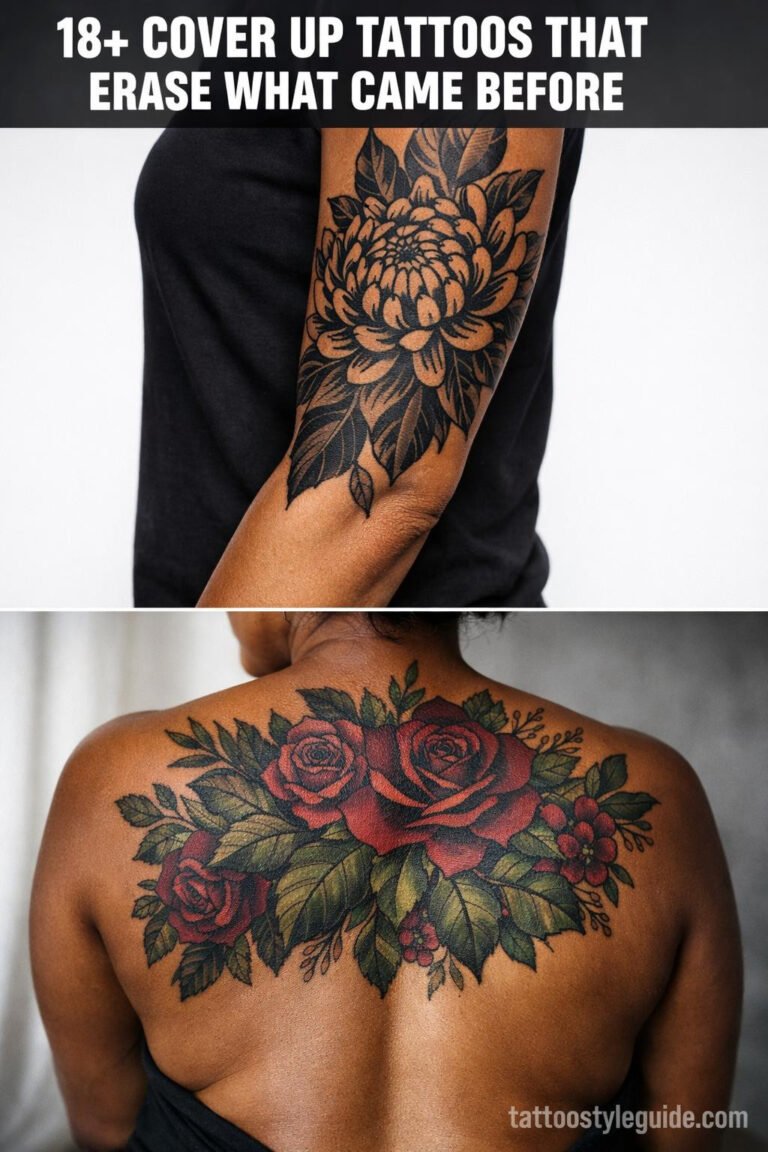
- Outer upper arm (bicep/deltoid): The classic first-tattoo spot for good reason. Muscle padding, easy access, straightforward healing. I’ve done American traditional eagles here that took two hours and the client barely shifted.
- Outer thigh: Huge canvas, lots of fat and muscle, far from major nerve highways. Great for bigger pieces. The only downside is it’s awkward to reach yourself for aftercare, but pain-wise? Cake.
- Calf: The meaty outer part, not the shin. Tons of muscle, skin holds ink well, heals clean. I’ve seen people do three-hour calf sessions and walk out fine.
- Outer forearm: Not the inner wrist side, the outer, flatter surface. Enough muscle, easy to work on, socially acceptable to show off. Very manageable for most people.
- Upper back (shoulder blade area): Avoid the spine and the bony edge of the blade itself, but the padded center? Solid. You lie face down, relax into the table, and the time passes.
These spots share DNA: they’re not near joints that flex constantly, they’re not on bone, and they’re not covered by thin, sensitive skin. That’s the formula.
The Spots That’ll Test You
I’m not saying don’t get tattooed here. I’m saying know what you’re signing up for. I’ve had to stop sessions on ribs because the client was hyperventilating. It’s not failure. It’s your body saying no.
- Ribs and sternum: The needle literally rattles bone. Every breath moves the canvas. I’ve done rib pieces that took four sessions instead of two because we had to keep breaking. The skin here is thin and heals flaky.
- Inner arm (ditch, inner bicep): Soft skin, lots of nerves, and that weird hollow feeling when the needle hits. The ditch, the fold of your elbow, makes grown men grit their teeth.
- Feet and ankles: Bone everywhere, thin skin, and the added joy of swelling that makes walking weird for days. I’ve seen ankle tattoos blow up like balloons.
- Hands and fingers: Not just painful, but the skin is different. It doesn’t hold ink the same way. You’ll need touch-ups. Artists often charge more because it’s finicky work on a moving, bony surface.
- Spine and neck: The spine is bone with nerves. The neck has the cervical plexus right there. I’ve had clients describe neck tattoos as feeling like being electrocuted in slow motion.
Joint Areas: The Forgotten Hell
Everyone talks about ribs, but knees? Elbow caps? Armpits? These are brutal. The skin is constantly stretching and folding, which means the artist has to work harder, which means more passes, which means more pain. And they heal terribly because you can’t stop moving them. I’ve tattooed knees that looked perfect day three and scabbed like crazy by day ten because the client couldn’t stop bending their leg.
Size and Session Length: The Hidden Pain Multiplier
Here’s something people don’t factor in: a two-hour tattoo on your ribs is different from a six-hour tattoo on your ribs. Your body releases endorphins early. That first hour might feel manageable. Hour three? Your nervous system is fried. The same spot gets worse as time passes.
I tell clients: if you’re nervous about pain, break big pieces into sessions. Your artist might prefer it anyway. Fresh skin takes ink better than swollen, overworked skin. A four-hour thigh piece split into two sessions hurts less and heals better than one marathon sitting.
Line work versus shading matters too. Lines are quick, sharp, specific. Shading is repetitive, rubbing, grinding. Some people find shading worse. Others find the constant buzz of lining more irritating. You won’t know until you’re in it. But generally, shading covers more area, which means more time, which means more cumulative discomfort.
What Actually Helps During the Session
I’m not a doctor, so I won’t tell you to take anything. But I can tell you what I’ve seen work in my chair.
- Eat something real beforehand: Not a granola bar. Actual food. I’ve had people faint because they were running on coffee and anxiety. Blood sugar crashes mid-tattoo are ugly.
- Bring headphones and a playlist you know: Distraction works. Audiobooks, podcasts, music, whatever puts your brain elsewhere. I’ve had clients binge true crime podcasts through three-hour sessions.
- Don’t look: Watching the needle makes it worse. Close your eyes. Some shops have mirrors positioned so you can see. Ask them to cover it.
- Breathe normally: People hold their breath. That tenses everything. I remind clients to breathe like they’re lifting weights, steady, controlled, through the sting.
- Accept the breaks: Ask for one if you need it. Good artists would rather pause than have you twitching through a line. We see this a lot. No one judges you.
The Mental Game
Pain is partly perception. I’ve watched people psych themselves into misery before the needle even touches them. Conversely, I’ve seen clients who expected the worst and were almost disappointed by how manageable it was. The unknown is often worse than the reality. If you’ve stubbed your toe hard, you’ve felt worse than most tattoo spots for a brief moment. The difference is duration.
Healing and Aftercare Reality
Here’s the part nobody talks about: some spots hurt more after than during. The tattoo itself is a controlled wound. Your body responds with inflammation. Places that move a lot, ribs when you breathe, inner arm when you bend, keep aggravating that wound. You’ll feel it for days.
Fleshy spots heal cleaner. They don’t rub against clothing as much. You can sleep on them more easily. I’ve had clients with rib tattoos unable to sleep on their side for two weeks. Thigh tattoos? Sleep however you want.
Aftercare is also placement-dependent. Your back is hard to reach. Your calf is easy. Your foot is in a shoe all day, sweating and rubbing. Think about your daily life, not just the chair. The chair is three hours. Healing is two weeks.
Talking to Your Artist Honestly
We want you to have a good tattoo. That means being real about your pain tolerance. If you know you’re sensitive, say so. We can adjust the design, break it into sessions, or suggest a nearby spot that achieves a similar look with less suffering. I’ve moved designs from ribs to outer arm and had clients thank me six months later.
Don’t pick a spot because it looks tough. Pick it because you want to live with the art there. The pain is temporary. The placement is permanent. I’ve covered up more “I got this here to prove something” tattoos than I can count.
Key Takeaways
Outer arm, thigh, calf, outer forearm, and upper back are your friends for a less painful experience. Ribs, sternum, feet, hands, spine, neck, and joints are where pain lives. Muscle and fat padding matter more than your mental toughness. Session length changes everything, shorter is gentler. Healing is easier on spots that don’t move constantly. Talk to your artist like a human, and they’ll guide you honestly. The best tattoo is the one you sit through completely and heal cleanly, not the one that makes you tap out or rush the finish.
Frequently Asked Questions
Does numbing cream actually work for tattoos?
Some creams take the edge off for the first hour, but they wear off unevenly and can make the skin rubbery, which complicates the artist’s work. Most experienced artists would rather you feel it and sit still than deal with numb patches shifting mid-session.
Will a tattoo on my thigh stretch if I gain or lose muscle?
Moderate changes won’t ruin a thigh tattoo, but dramatic muscle growth or weight fluctuation can distort the shape over years. The outer thigh is relatively stable compared to stomach or inner arm, which is partly why it’s a popular spot.
Is it normal for a tattoo to hurt more during healing than it did in the chair?
Yes, especially on bony or high-movement areas. The fresh wound keeps stinging, itching, and tightening as your skin repairs itself. Fleshy spots usually feel less dramatic during healing than ribs or feet that get bumped and flexed constantly.
Can I request my artist move a design to a less painful spot?
Absolutely. Any decent artist will discuss placement with you and suggest alternatives that preserve the design’s integrity while respecting your comfort. I’ve redrawn pieces specifically to fit calmer canvases for nervous clients.
Related Tattoo Guides
- When Does a Tattoo Stop Peeling? A Real Healing Guide
- Where to Buy Tattoo Numbing Cream: A Real Shop Guide
- Where Does a Tattoo Hurt Most? A Real Pain Guide From the Chair
- Explore more