Leave Tegaderm on your new tattoo for 3 to 5 days, then take it off and switch to traditional aftercare. That’s the short answer I give every client before they walk out my door. But the full picture matters, how you remove it, what your tattoo looks like underneath, and what comes next can make or break your healing. I’ve used Tegaderm (and other clear film dressings like Saniderm and Dermalize) on hundreds of pieces over the years, and I’ve seen the good, the bad, and the plasma-soaked ugly. Here’s everything I wish someone had told you.
What Tegaderm Actually Does
Tegaderm is a thin, transparent, breathable film dressing. It sticks to your skin and creates a sealed environment over your fresh tattoo. Think of it as a second skin that keeps dirt, bacteria, and your own grubby fingers away from an open wound.
Here’s what happens under that film: your tattoo weeps plasma, ink, and a little blood for the first 24 hours. That’s normal. The dressing traps that fluid against your skin, which keeps the area moist and lets it heal from the inside out without scabbing. I’ve tattooed everything from delicate fine-line wrists to thick blackwork thighs, and Tegaderm works best on pieces with solid saturation, not so great on heavy color blends that drain for days.
The Plasma Buildup Reality
That fluid pool under the film looks gross. It’ll be reddish, sometimes murky, occasionally with ink swirls. Don’t panic. I tell clients: “If it looks like a murder scene in a Ziploc, you’re doing it right.” But if the seal breaks, air gets in, fluid leaks out, you remove it immediately. A compromised dressing is worse than no dressing at all.
Day-by-Day: What to Expect
Every tattoo heals differently, but here’s the rhythm I see in my chair:
- Day 1: Tegaderm goes on right after I finish. The tattoo feels warm, tight, maybe a little stinging. Fluid accumulates under the film. Leave it alone. Don’t poke it.
- Day 2: Plasma peaks. The dressing looks like a lava lamp. Some people get itchy at the edges where adhesive meets skin. Still don’t touch.
- Day 3: Fluid starts to dry up. The tattoo underneath is closing. This is when I usually tell clients to start thinking about removal.
- Day 4-5: If you hit day 5, you’re at the limit. The adhesive starts breaking down, skin macerates (gets soggy from trapped moisture), and bacteria find entry points. Peel it off.
I had a client leave Tegaderm on for eight days once. She thought “more protection = better healing.” The skin underneath was white, wrinkled, and weeping fresh fluid. We had to start aftercare from scratch. Don’t be that person.
How to Remove Tegaderm Without Trauma
This matters more than people think. Yanking dry adhesive off fresh tattooed skin can pull out ink, reopen the wound, and leave you with patchy spots.
The Shower Method
Get in a warm shower. Let water run over the dressing for a few minutes. The heat and moisture loosen the adhesive. Peel slowly from one corner, rolling it back against itself, not straight up. Keep the skin taut with your other hand. If it hurts, you’re going too fast.
After It’s Off
Your tattoo will look shiny, maybe slightly dull, with a thin film of dried plasma. Wash gently with unscented soap. Pat dry. No rubbing. Then apply a thin layer of recommended aftercare, my shop uses a simple fragrance-free lotion, some artists prefer specific balms. The key is thin. A glaze, not a glob.
When to Remove Tegaderm Early
Sometimes 3-5 days doesn’t apply. Pull it off sooner if:
- The seal breaks and fluid leaks out
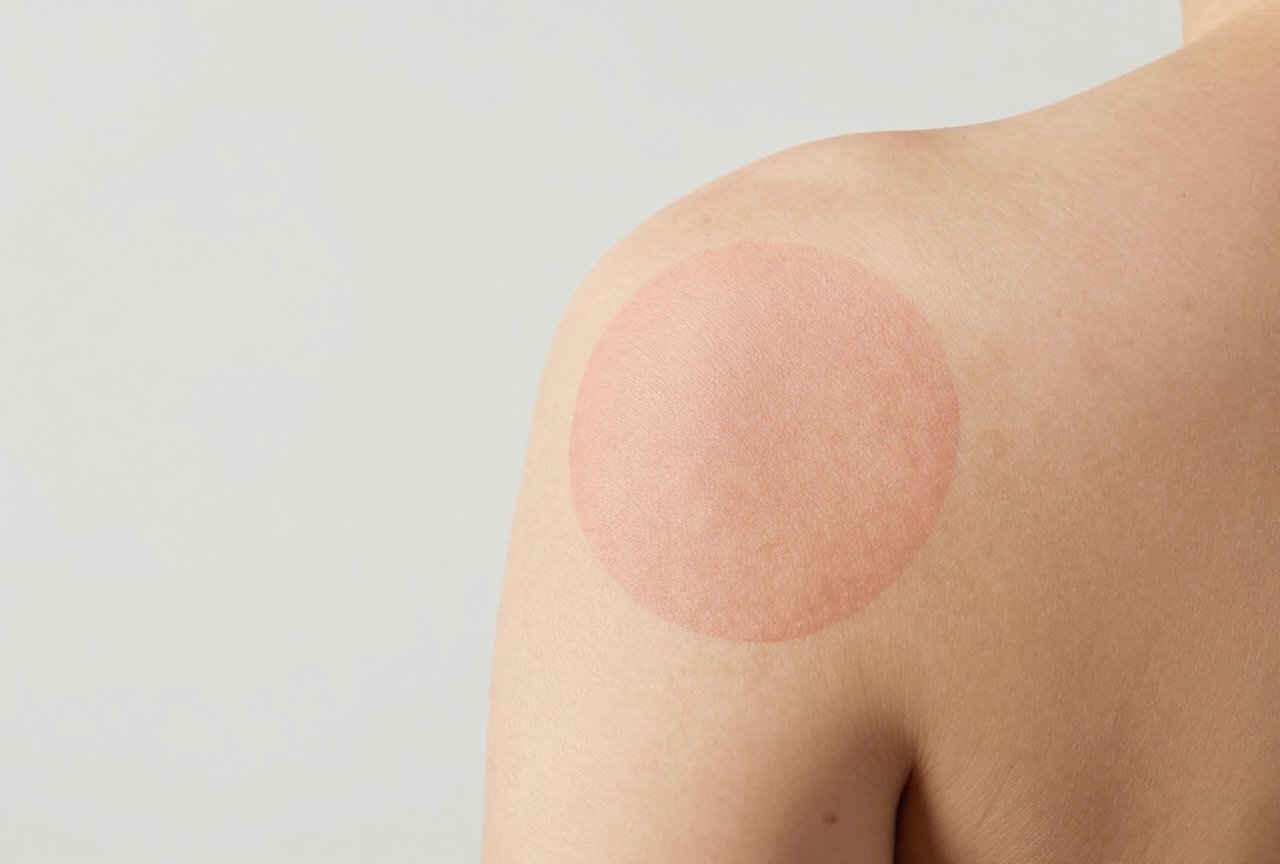
- You see spreading redness beyond the tattoo edges (possible reaction to adhesive, not necessarily infection, I’ve seen plenty of adhesive irritations that look scary but resolve quickly)
- Pain increases instead of decreasing after day two
- You develop a rash or blisters around the film edges
- The tattoo was overworked and keeps bleeding through day two
Trust your body. I’ve had clients with sensitive skin who can’t handle any adhesive for more than 48 hours. That’s fine. Traditional aftercare works. Tegaderm is a convenience, not a requirement.
What Happens After Tegaderm Comes Off
The tattoo isn’t healed when you peel that film away. You’ve just finished phase one. Here’s what comes next:
- Days 5-10: Light peeling, like a sunburn. No picking. The ink sits in layers deeper than what’s flaking off.
- Days 10-14: Surface looks healed but still fragile. Keep moisturizing. Avoid soaking, no baths, no swimming pools, no ocean dips.
- Weeks 3-4: Tattoo settles into skin. The shiny phase ends. Colors soften to their true tone. Black lines crisp up.
I always schedule a free touch-up at 6-8 weeks. Not because I did bad work, because skin is weird, healing is unpredictable, and a 15-minute tune-up beats a lifetime of “what happened there?”
Tegaderm vs. Other Options
Not all clear dressings are identical. Saniderm is more common in tattoo shops, slightly thicker, different adhesive. Dermalize, SecondSkin, there’s a dozen brands. Tegaderm is the 3M medical version, easier to find at pharmacies, but the adhesive can be harsher on sensitive skin. I’ve switched brands mid-career based on what sat better on my clients’ healed results.
Some old-school artists hate all film dressings. They want dry healing, scabbing, “let it breathe.” I respect that. But I’ve seen enough crisp Tegaderm heals and enough scab-pulled patches to know what I prefer for my work. Ask your artist what they use and why. Their system is calibrated to their machine speed, needle depth, and style.
Cost and Practical Notes
Most shops include the first dressing in your tattoo price. Replacements run $5-15 if you need them. Tegaderm itself costs maybe $1-2 per sheet at medical supply stores, but don’t DIY the application, contamination risk is real, and laying it down bubble-free takes practice. I’ve watched apprentices struggle for weeks.
Pain-wise, Tegaderm doesn’t hurt going on. Removal can smart if you’re dry-peeling. The tattoo underneath feels tender but not raw. Compared to traditional healing where scabs crack with every movement, I’ll take the film every time.
Key Takeaways
- 3-5 days maximum. Not a day more.
- Remove in warm water, slowly, rolling the adhesive back on itself.
- If the seal breaks early, take it off and switch to soap-and-lotion aftercare.
- Your tattoo isn’t healed when the film comes off, keep caring for it through peeling and beyond.
- Every artist has preferences. Follow yours over anything you read online.
- When in doubt, call your shop. We remember you, we want it to look good, and we’d rather answer a question than fix a mistake.
I’ve had Tegaderm on my own tattoos and I’ve applied it to thousands of others. It’s a solid tool, not magic. Use it right, remove it on time, and give your skin the simple care it needs after. The best tattoo aftercare is the one you’ll actually follow.
Frequently Asked Questions
Can I shower with Tegaderm on my tattoo?
Yes, absolutely. The film is waterproof when properly sealed. Keep showers brief and don’t direct high-pressure spray straight at the edges. Pat the surrounding skin dry afterward, don’t rub. I’ve never had a client’s dressing fail from normal showering.
Why does my tattoo look blurry under the Tegaderm?
That’s plasma and ink suspended in fluid between your skin and the film. It distorts the image like looking through a dirty window. Once you remove the dressing and gently wash, the true lines and saturation show through. I warn clients about this specifically so they don’t panic.
Can I exercise while wearing Tegaderm?
Light exercise is fine, but avoid anything that makes you sweat heavily under the dressing. Trapped sweat irritates skin and can break the adhesive seal. I tell clients to skip the gym for those first 3-5 days, your tattoo is worth more than your squat streak.
What if my tattoo sticks to the inside of the Tegaderm when I remove it?
This means you waited too long or the area dried out. Wet the dressing more thoroughly in the shower and peel even slower. If small spots adhere, stop pulling and re-wet. Forcing it will pull ink out. I’ve had to do touch-ups on clients who rushed this step.
Related Tattoo Guides
- How Long Until a Tattoo Heals: A Real Shop Timeline
- How Much Is Getting a Tattoo Removed? A Real Cost Guide
- How to Become a Tattoo Designer: A Working Artist s Guide
- Explore more