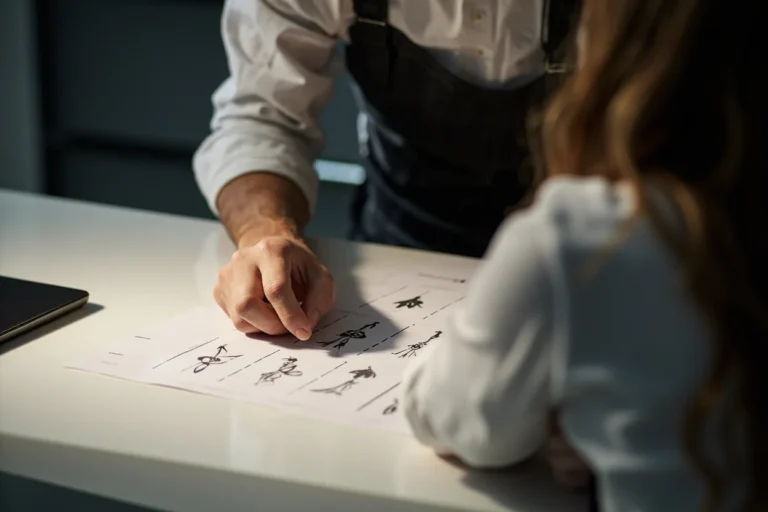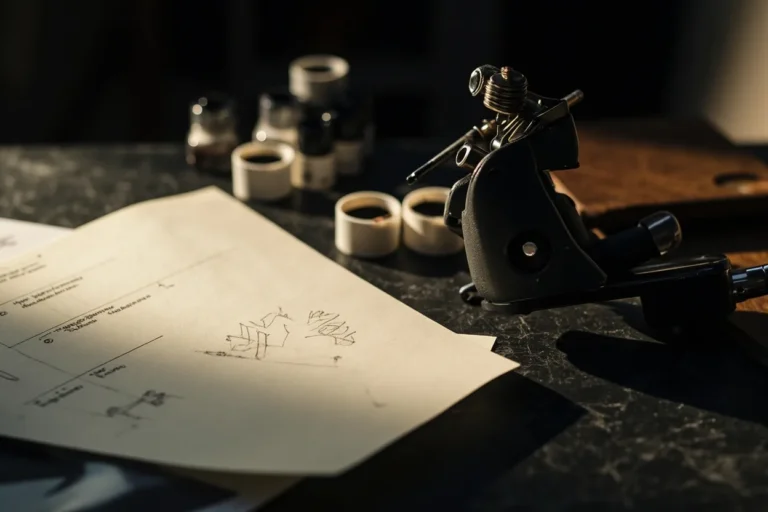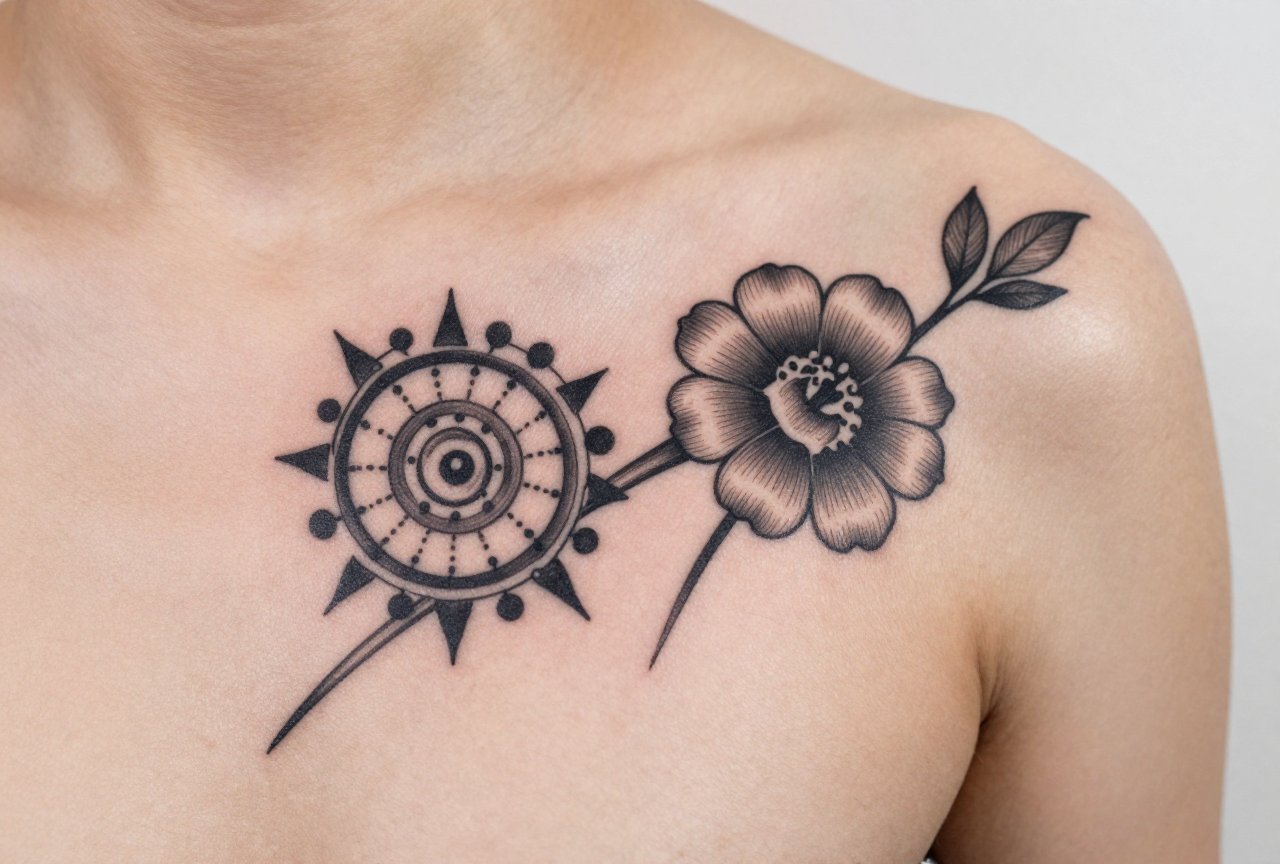
I’ve been tattooing long enough to watch trends come and go like seasons. One year it’s all geometric wolves, the next it’s tiny fine-line florals behind every ear. But creative tattoo designs, the ones that actually stick around in people’s hearts and on their skin, share something real. They come from a conversation, not a Pinterest board. In my chair, the best pieces start with someone telling me what they actually care about, then letting me figure out how to make it live on a body. That’s the job. Here’s how it actually works when you’re hunting for something that feels like yours.
Popular Styles That Hold Up
Not every style ages the same. I’ve watched bold traditional pieces stay crisp for fifteen years while delicate watercolor faded to a bruise-shaped memory. That doesn’t mean one is better, it means you choose with your eyes open.
Bold and Graphic
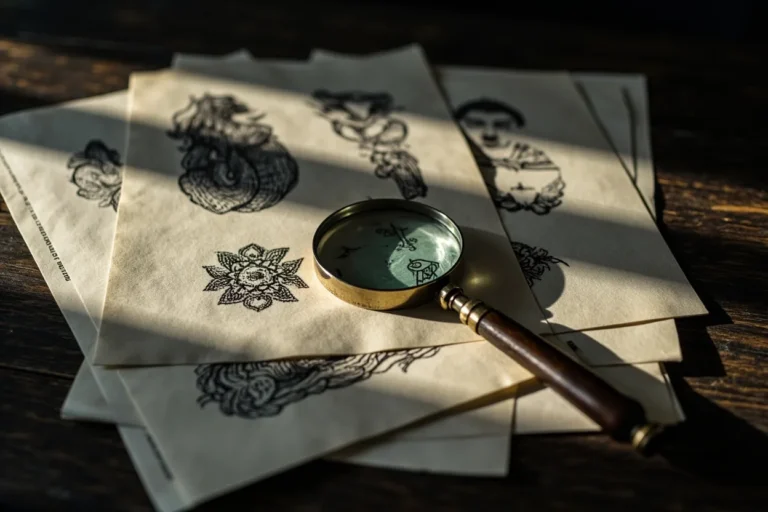
American traditional, Japanese irezumi, thick blackwork. These styles fight time because they started on sailors and criminals who needed their ink to read from across a room. Heavy lines. Saturated color. Limited palette. I still tattoo roses and panthers weekly because the vocabulary works. Skin changes; bold stays readable.
Contemporary Fine Line
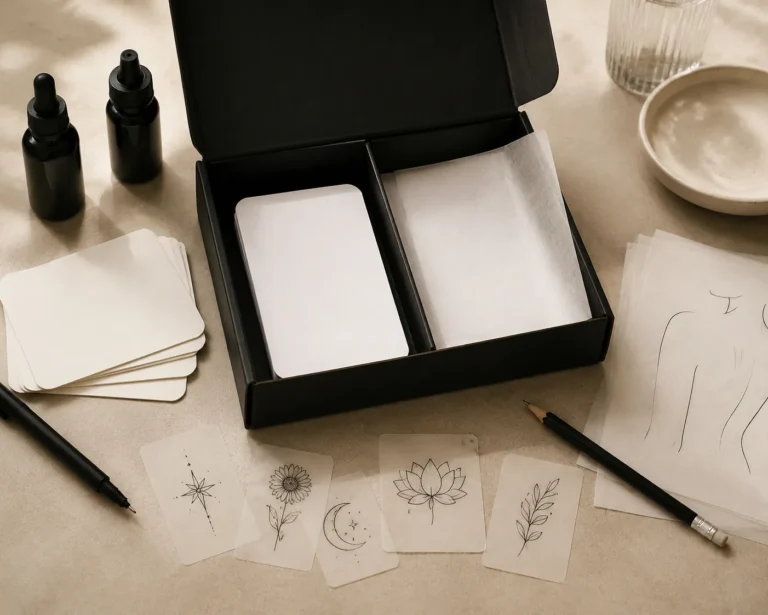
This is the trickiest. Single needle, hair-thin details, no black outline to hold the shape. It photographs beautifully fresh. I’ve done delicate botanicals that made me hold my breath. But I tell clients straight: this will soften, details may blur together, and touch-ups are part of the deal. Some people love that evolution. Others panic. Know yourself.
- Black and grey realism: stunning on the right skin tone, requires experienced artist
- Neo-traditional: bolder than traditional, more color range, still readable over time
- Illustrative/dotwork: texture-heavy, heals with character, not always predictable
- Abstract/experimental: when you trust an artist completely and want something one-of-one
Design Ideas That Mean Something
The shop sees patterns. Memorial pieces for parents. Pets rendered from blurry phone photos. Coordinates that don’t match anywhere real because someone transposed digits. I catch those before the needle touches skin. The creative part isn’t making something pretty, it’s making something true that also functions as a tattoo.
Personal Symbolism Done Right
A guy came in wanting his grandmother’s handwriting. Not her signature, something mundane, a grocery list she wrote. We isolated “milk, bread, love you” and wrapped it into a banner with her birth flowers. That’s creative. That’s specific. Another client brought her father’s carpenter’s pencil, worn to a nub. We tattooed it actual size on her forearm, every splinter and graphite stain. The image carried weight because the object did.
Mashups and Unexpected Combinations
My favorite recent piece: a Victorian mourning portrait where the woman’s face was a detailed moth, her bustle dissolving into actual moth wings. The client loved lepidoptera and memento mori. Two references, one image. We see this a lot now, clients who don’t want a symbol, they want a collision. It works when the artist understands both source materials deeply enough to merge them without the visual equivalent of a Google Translate error.
- Family heirloom objects rendered with patina and wear intact
- Scientific illustration style combined with personal subject matter
- Split imagery: half realistic, half graphic or geometric
- Negative space designs where skin tone becomes part of the image
- Text integrated into imagery so completely you can’t separate them
Best Placements for Creative Work
Placement changes everything. Same design, different spot, completely different life. I tattooed matching botanicals on two sisters, one inner bicep, one ribcage. The bicep piece stayed clean, easy to show, easy to hide. The rib piece? She sat like a stone but the healing was rough, bras and seatbelts, constant friction. Both beautiful. Different experiences entirely.
High Visibility, High Commitment
Hands, neck, face. We call these “job stoppers” in the shop, not to shame anyone, to be honest. I’ve tattooed hands I believed in completely. A musician with twenty years of touring, his instrument rendered across his knuckles. That made sense. The eighteen-year-old with “savage” across his fingers? We talked for an hour. Sometimes I say no. That’s also part of the job.
Hidden in Plain Sight
Inner arm, behind the ear, along the collarbone, top of the foot. These spots feel intimate. Clients often choose them for pieces meant for themselves first, others second. The skin behaves differently, thinner, more prone to blowout, sometimes harder to heal. I adjust my technique. Lighter hand. Simpler design if the area demands it.
- Back: canvas-sized, flat when standing, shifts when moving
- Thigh: forgiving skin, easy to conceal, great for larger compositions
- Calf: muscle movement animates some designs beautifully
- Chest over heart: symbolic weight, but skin stretches and changes with age
Color Choices: What Lasts vs. What Fades
Fresh tattoos lie. They’re swollen, saturated, sitting on top of healed skin. The real color settles in around month three. I’ve had clients return elated at six weeks, devastated at six months. Yellow becomes mustard. Bright red dulls to brick. Blues and greens generally hold best. Black never lies.
That said, color choices can be creative strategy. A client wanted a sunset that would intentionally fade toward morning over decades. We planned it: warm colors on top, knowing they’d soften faster, cool colors anchoring the bottom. The tattoo tells time. That’s thinking like a designer, not just a decorator.
- Black and grey: classic, ages gracefully, works on most skin tones
- Limited palette: two or three colors, chosen for contrast and longevity
- Full color: requires maintenance, pops dramatically when fresh
- White ink: subtle, often yellows, best as highlight not main event
Tips for Choosing Your Design
After thousands of consultations, I can spot the ones that stick versus the ones that get covered later. The difference isn’t usually artistic quality, it’s the conversation that happened before.
Wait Before You Commit
I tell people: live with the idea for six months. Draw it, print it, tape it to your mirror. If you’re still excited, if it still means something, then we talk. The best creative tattoo designs survived that test. The impulsive ones often become my cover-up projects in five years.
Find an Artist Who Gets It
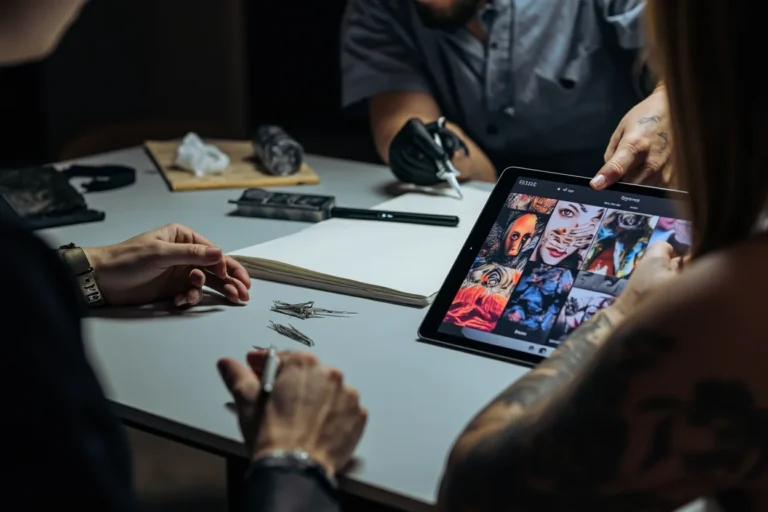
Portfolio matters, but so does conversation. I turned down a photorealistic portrait recently because I knew another artist in town would do it better. Sent the client to her. He returned for a different piece a year later. That trust matters more than any single booking. Look for artists who ask questions, who push back, who have a point of view. You’re not buying a product. You’re entering a collaboration.
- Bring references but not a blueprint, let the artist interpret
- Consider how the design flows with your body, not just how it looks flat
- Ask about healing specifically for your placement and lifestyle
- Budget for quality and for potential future touch-ups
- Live with a temporary version if possible, some shops offer this
Final Thoughts
Creative tattoo designs aren’t about being different for its own sake. The best ones I’ve done came from someone willing to be known, to let a stranger interpret something private, to trust that permanence isn’t a prison. Skin is alive. It changes, stretches, scars, sags. The tattoo changes with it. That’s not a flaw, it’s the medium. Choose something that has enough substance to survive that transformation. Work with artists who respect the process. And when you find the right piece, the right placement, the right moment, sit still. Breathe. Let it happen. The needle is loud but the result is quiet, and it stays.
Frequently Asked Questions
How do I know if my creative tattoo idea will actually work as a tattoo?
Bring it to a consultation and listen honestly. Some images work beautifully on paper but fall apart in skin. A good artist will tell you where detail gets lost, where lines blur, and how to adapt your concept without losing its heart.
Should I let the artist change my design or stick to exactly what I want?
Small adjustments for tattooability usually improve the piece. Major departures from your meaning should be discussed. The best results come from collaboration, not dictation, bring your story, let them craft the image.
Why do some creative tattoos look amazing fresh but terrible healed?
Fresh tattoos are swollen and saturated, which hides problems. Over months, fine details can blur, light colors fade, and overworked skin may scar. Planning for how ink ages in skin, not just how it photographs day one, separates good tattoos from great ones.
Is it okay to combine multiple styles in one creative tattoo?
Yes, when done deliberately by an artist who understands both styles deeply. Randomly mixing elements usually looks disjointed. The mashup needs a visual logic, shared line weight, compatible color theory, or a conceptual bridge that makes the combination feel inevitable.
More Tattoo Ideas
- Trash Polka Tattoo Artists: Style Guide What to Know
- Christ Tattoo Ideas: Styles, Designs What Lasts
- Warrior Tattoo Ideas That Mean Something
- Explore more