You got fresh ink, summer’s calling, and you’re staring at the pool. The direct answer: wait at least 2 to 4 weeks before fully submerging your tattoo in any body of water. I tell every client in my chair the same thing, patience now saves your piece later. That timeline isn’t arbitrary; it’s what I’ve watched work across thousands of healed tattoos over fifteen years in shops. Water is your tattoo’s enemy while it’s healing. Not just pools and oceans, bathtubs, hot tubs, lakes, even long soaks in the shower. Your skin is essentially an open wound with pigment trapped in it, and water softens that healing barrier, pushes bacteria in, and pulls ink out.
Why Water Wrecks a Fresh Tattoo
Here’s the mechanics in plain terms. A tattoo heals from the outside in. The top layer seals up in about two weeks, but the deeper dermis, where the ink actually lives, needs more time. Water logging softens that forming scab and the thin new skin underneath. I’ve seen clients come back after “just a quick dip” with pale patches, blurry lines, and once, a full-blown infection that needed medical attention. The artist had to do a painful touch-up on irritated skin. Nobody wants that.
- Chlorine: Strips natural oils, dries out healing skin, causes cracking and color loss
- Salt water: Extremely drying, stings like hell on fresh work, carries bacteria
- Lakes and rivers: Bacterial soup, Pseudomonas, various nasties that love warm, wet environments
- Hot tubs: Worst of all. Warm, chemically treated, bacteria-friendly. Absolute no-go zone
The risk isn’t theoretical. I had a client with a beautiful half-sleeve of Japanese waves jump in his buddy’s pool on day ten. The blue and grey sections on his forearm healed patchy and dull. We fixed it, but he sat through two extra sessions he wouldn’t have needed.
What the Healing Timeline Actually Looks Like
Days 1-3: The Open Wound Phase
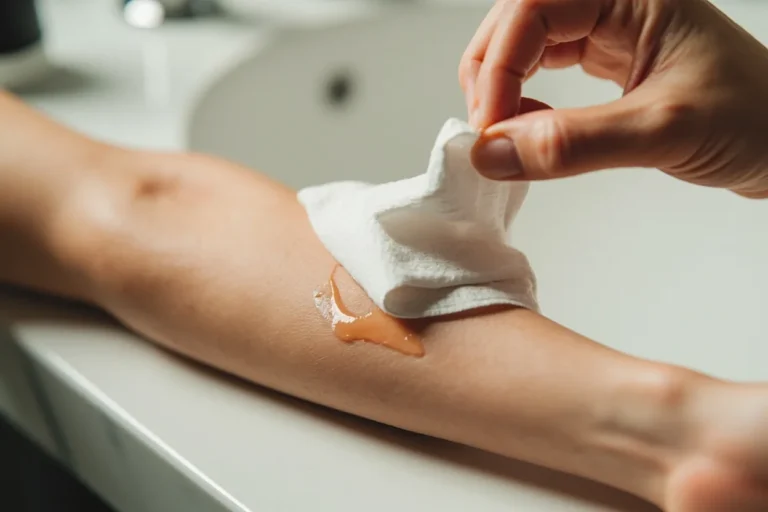
Your tattoo is weeping plasma, ink, and lymph fluid. It’s raw. The wrap or bandage your artist applied is there for a reason, keeping airborne bacteria and accidental contact away. Even showering needs to be quick and lukewarm. I tell people: get in, get clean, get out. No direct water pressure on the piece. Pat dry with a clean paper towel, never rub.
Days 4-14: Peeling and Scabbing
This is when the top layer starts sealing. It looks ugly, flaky, maybe shiny, sometimes itchy as hell. That itch means it’s healing, but it’s also fragile. A long bath or swim at this stage can lift scabs prematurely, taking ink with them. I’ve watched clients lose entire sections of shading because they soaked in a tub during this window. The scab protects the work underneath; disturb it and you disturb the pigment.
Weeks 2-4: Surface Healed, Still Vulnerable
The skin looks normal to casual inspection. This is the dangerous phase because you think you’re good. But the dermis is still remodeling, collagen is still forming around those ink particles. Submersion now can still push bacteria through microscopic gaps and cause infection or blowout, where ink spreads beyond its intended lines. I had a guy with a chest piece go surfing at three weeks. Looked fine day-of, then swelled up and oozed two days later. Doctor’s visit, antibiotics, touch-up required.
How to Shower Safely Without Ruining Your Work
Showering isn’t swimming, but plenty of people mess this up. Keep it brief, five minutes max for the first two weeks. Lukewarm water, not hot. Hot water opens pores and increases weeping. Let water run near the tattoo, not directly on it. Use fragrance-free soap, something gentle, unscented. I use plain Dove bar soap on my own work. Pat dry immediately. No loofahs, no scrubbing, no “letting it air dry” while you do other things.
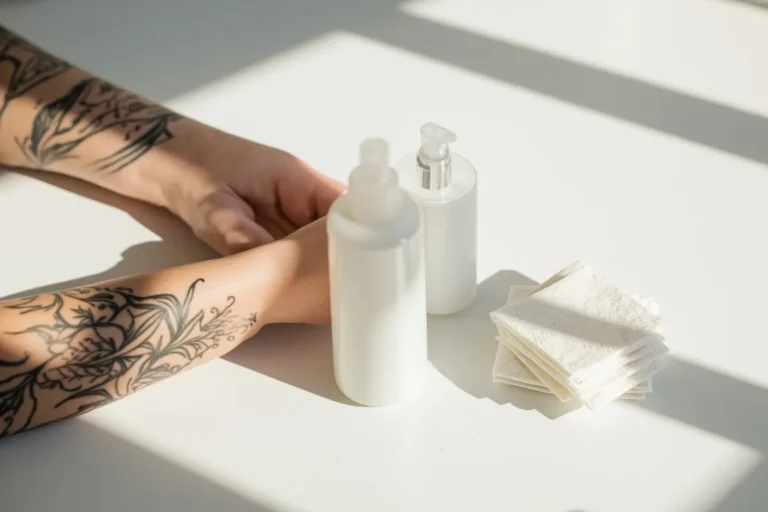
After showering, apply a thin layer of whatever your artist recommended. Most of us suggest either a dedicated tattoo aftercare balm or plain, fragrance-free lotion. Too much product suffocates the skin; too little and it dries and cracks. Nickel-sized amount for a palm-sized piece. Rub it in until it’s just barely shiny.
What If You Absolutely Must Get Wet
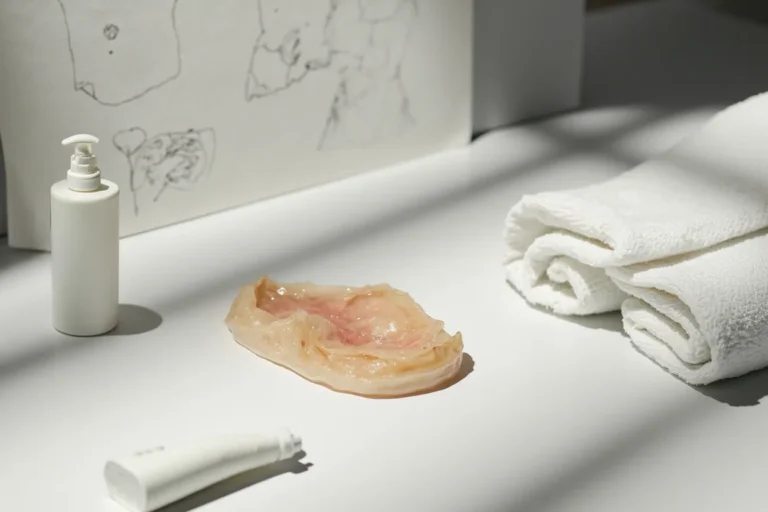
Life happens. Beach trip planned before you got tattooed, pool party you can’t skip, whatever. If you genuinely can’t avoid water exposure, there are harm-reduction strategies, not safe, just less unsafe. I’ve seen clients use waterproof medical dressings like Tegaderm or Saniderm. Apply to clean, dry skin, seal all edges completely, limit submersion time, remove immediately after, clean and dry the area thoroughly. Even then, I don’t recommend it. The adhesive can irritate fresh skin, and seals fail.
Some people ask about “just wading” or “not getting it wet.” Splashes happen. If your tattoo gets briefly damp, dry it immediately. Don’t panic. Prolonged submersion is the real problem. I’ve had clients accidentally get caught in rain, dab it off, keep up with aftercare, and heal perfectly fine.
Signs You’ve Pushed It Too Soon
Know what trouble looks like. Redness spreading beyond the tattoo border, warmth that increases instead of decreasing after day three, yellow or green discharge, foul smell, fever, these mean stop guessing and see a doctor. I can’t diagnose, but I can tell you those symptoms aren’t part of normal healing. I’ve sent clients straight to urgent care from the shop. Better embarrassed with a preserved tattoo than stubborn with a scarred one.
Less dramatic but still problematic: excessive fading, patchy color, lines that look fuzzy or blown out. These are the cosmetic consequences of early swimming. You might not need medical care, but you’ll need a touch-up, and touch-ups cost money and pain. Most reputable artists do one free touch-up within a certain window, but damage from negligence? That’s on your dime.
After the Wait: Reintroducing Water
At four weeks, assuming everything looks and feels normal, no scabs, no peeling, no tenderness, you’re generally clear. Start with short exposure. Ten minutes in the pool, see how it feels. Rinse off after chlorine or salt water. Moisturize. Your tattooed skin will always be slightly more sensitive to sun and drying, so sunscreen becomes your friend. Freshly healed ink burns fast, and sun damage fades color permanently. I keep a stick of SPF 50 in my bag for my own visible work.
Hot tubs remain sketchy longer, I’d give it six weeks minimum. The heat and chemical combo is aggressive on skin that’s still settling. I’ve seen rashes and irritation even on older tattoos from extended hot tub sessions. Your mileage varies by placement, size, your personal healing speed, and how well you generally take care of your skin.
Key Takeaways
- Wait 2-4 weeks minimum before swimming; longer is always safer
- All water types carry risks, chlorine, salt, fresh, and especially hot tub water
- Shower carefully, quickly, with lukewarm water and gentle soap
- “Looking healed” and “actually healed” are different things; the deeper layers need time
- When in doubt, ask your artist, they know your specific piece, placement, and skin type
Every artist has their horror stories. I’ve shared mine. The clients who wait, who follow the boring aftercare routine, who skip that pool party, they’re the ones whose tattoos look crisp and bold years later. The ones who couldn’t wait? They’re in my chair again, wincing through a touch-up they could have avoided. Your tattoo is permanent. The wait is temporary. Do the math.
Frequently Asked Questions
Can I cover my tattoo with a waterproof bandage and swim sooner?
It’s a harm-reduction strategy, not a safe one. Waterproof dressings can irritate fresh skin and seals often fail during active swimming. I’ve seen it work in emergencies, but I’ve also seen infections from leaks. If you absolutely must, limit time, seal completely, and remove immediately to clean and dry the area.
Does the placement of my tattoo affect how long I should wait?
Yes. Areas with thinner skin or more movement, wrists, feet, ribs, often heal slower and are more vulnerable to water damage. I tell clients with foot tattoos to be extra cautious; they’re already prone to healing issues from shoe friction and sweat. A back piece might be more forgiving, but the timeline stays roughly the same.
What if my tattoo accidentally gets splashed or rained on?
Don’t panic. Brief water contact isn’t the same as submersion. Pat it dry immediately with a clean towel, let it air a minute, then continue your normal aftercare. I’ve had this happen to my own work, quick drying and no soaking means no harm done.
Why do some artists say 2 weeks and others say 6?
Different risk tolerances, different experiences with what they’ve seen go wrong. Conservative artists like me lean toward 4 weeks because we’ve cleaned up preventable damage. Your specific artist knows their work and your skin; follow their guidance, and when in doubt, wait longer.
Related Tattoo Guides
- How Long Till a Tattoo Heals: A Real Shop Timeline
- How Long to Keep a Tattoo Cover On: A Shop Artist s Guide
- How Long to Keep Wrap on Tattoo: A Real Shop Guide
- Explore more