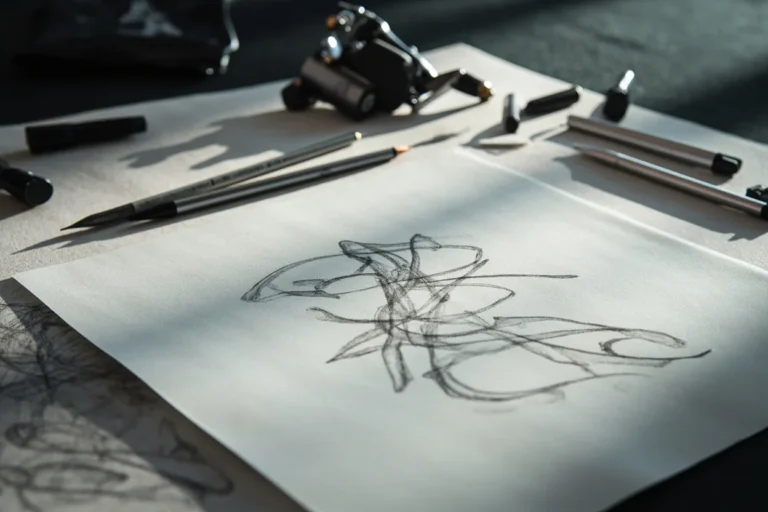
Short answer: don’t. I’ve watched too many people walk into shops with infections, blown-out lines, and scars from homemade machines built from guitar strings and electric toothbrushes. If you’re asking how to make a homemade tattoo gun, I get the impulse, tattooing looks simple, equipment seems expensive, and YouTube makes it look doable. But the reality is that homemade machines are unreliable, unsanitary, and in most U.S. states, using one on human skin is illegal without proper licensing. This guide explains why professionals won’t touch homemade setups, what actually goes into real tattoo machines, and how to get tattooed or learn the craft safely without risking your health or someone else’s.
What a Homemade Tattoo Gun Actually Is
Most DIY builds use a modified motor, often from a remote-control car, electric toothbrush, or tattoo pen knockoff, attached to a needle made from a sewing needle, guitar string, or paperclip. The “frame” might be a spoon, a pen casing, or a toothbrush handle. I’ve seen photos of setups held together with rubber bands and electrical tape. They look clever on TikTok. They perform terribly on skin.
The Gap Between DIY and Real Machines
A professional rotary or coil machine costs $200-$800 for a reason. The motor runs at consistent RPMs (roughly 6,000-10,000 for lining, slower for shading). The needle grouping is soldered to precise specifications, tight liners, loose shaders, magnums for color packing. The grip is weighted for balance during 3-4 hour sessions. The stroke length controls how far the needle travels, which determines if you’re depositing ink in the dermis or tearing through it.
Homemade guns have none of this precision. The needle depth fluctuates with every pass. The motor stutters under load. The “grip” cramp your hand within minutes. I’ve had clients show me work done with homemade machines where the lines look like they were drawn by a seismograph, wobbly, inconsistent, and way too deep in some spots, barely breaking skin in others.
Why Homemade Machines Fail on Skin
Tattooing isn’t just “poking ink in.” The needle needs to penetrate the epidermis and deposit pigment in the upper dermis, about 1.5-2mm deep. Too shallow, the ink falls out during healing. Too deep, you blow out the line, ink spreads through the dermis like watercolor on wet paper, creating blurry, bruised-looking edges. I’ve spent hours doing cover-ups on blowouts from homemade guns where the artist (usually a friend in a kitchen) had no concept of needle depth.
- Needle control: Professional needles are single-use, pre-sterilized, and grouped in specific configurations. A sewing needle or guitar string carries oils, rust, and microscopic burrs that tear skin rather than pierce it cleanly.
- Vibration and stability: Real machines are engineered to minimize vibration. Homemade builds shake so badly that maintaining a consistent angle, typically around 45-60 degrees for lining, is nearly impossible.
- Speed consistency: Skin resistance varies by body part. A professional machine compensates. A toy motor bogs down, then surges, creating uneven saturation.
What Healing Looks Like After a Homemade Tattoo
I’ve seen the aftermath. Heavy scabbing that takes three weeks instead of one. Ink that falls out in patches because the needle never reached the right depth. Raised, hypertrophic scarring from overworked skin. One client came in with a “tattoo” that was mostly scar tissue, his friend had gone over the same spot twenty times because the homemade needle wasn’t depositing pigment consistently. The design was unreadable. The skin was permanently textured.
Proper healing involves light peeling and flaking over 7-14 days, with the final color settling by week 4. Homemade work often scabs thick and dark, cracks, and heals patchy or discolored. The aftercare isn’t the problem, the application is.
The Legal Reality in the United States
Tattooing without a license is illegal in most states, and using unsterilized equipment can raise charges. In my state, operating without a license is a misdemeanor; causing bodily harm with contaminated equipment can be a felony. I’ve been in shops where health inspectors arrived unannounced, checked autoclave logs, spore tests, and needle disposal records. The regulations exist because bloodborne pathogens are real, and cross-contamination happens fast.
Homemade setups skip every single safety protocol:
- No autoclave sterilization of non-disposable parts
- No barrier protection (clip cord covers, machine bags, disposable grips)
- No sharps container for used needles
- No bloodborne pathogen training
- No knowledge of contraindications (skin conditions, medications, bleeding disorders)
I’ve watched artists refuse clients for safety reasons, someone on blood thinners, someone with eczema flaring, someone wanting a neck tattoo as their first. A kitchen operation doesn’t screen for any of this.
What Professional Equipment Actually Costs
The barrier to entry isn’t as high as people think. A starter rotary machine runs $150-$300. A decent power supply is $50-$100. Needles, grips, and disposable tubes for practice cost maybe $50. The real investment is education and time, not gear. I’ve mentored apprentices who built their first decent kit for under $500, less than a new phone, and far less than the medical bills from an infected homemade tattoo.
Apprenticeship: The Real Path
In my shop, apprentices start on fake skin and fruit. They learn machine tuning, stencil application, and line work before touching a person. The process takes 1-2 years in most states. It’s not gatekeeping, it’s how you learn to not hurt people. I’ve had apprentices cry in frustration because their lines wobbled on practice skin. Better there than on someone’s forearm permanently.
Some states allow tattooing yourself, but even then, using professional equipment and understanding sterile technique matters. I’ve tattooed myself twice, once for practice, once for a small design I couldn’t reach comfortably. I used a professional rotary, new needles, and full PPE. The results were fine because the tool and technique were correct, not because tattooing yourself is inherently safe.
Safer Alternatives to Homemade Tattoo Guns
If you’re drawn to tattooing, there are legitimate paths that don’t involve risking infection or legal trouble:
- Hand poke (stick and poke) with professional supplies: Some artists specialize in this. The technique is slower but requires no machine. However, sterile needles, proper ink, and understanding depth are still essential. I’ve seen beautiful hand poke work and terrible kitchen pokes, the difference is education and supplies, not the method itself.
- Tattoo school or formal apprenticeship: Search for shops with established apprenticeship programs. Expect to clean, observe, and practice for months before skin work. I cleaned tubes and made stencils for six months before my mentor let me touch a practice pad.
- Professional tattooing for your design: Small tattoos from good artists start around $80-$150. The cost includes sterile equipment, years of training, and a guarantee that the artist will still be around if something needs touching up.
What to Do If You’ve Already Used a Homemade Gun
If you or someone you know has been tattooed with homemade equipment, monitor the area closely. Signs of trouble include spreading redness, warmth, pus, red streaks, or fever. These warrant immediate medical attention, I’ve sent clients to urgent care for infections that started as “just a little red.”
For healing work that isn’t infected but looks rough, wait 6-12 months for full settling before seeking cover-up or laser options. Scarred skin doesn’t take new ink well immediately. I’ve done cover-ups on year-old homemade tattoos that healed enough to rework. Patience matters.
Key Takeaways
Homemade tattoo guns are unsafe, illegal in most tattooing contexts, and produce consistently poor results compared to professional equipment. The real barriers to tattooing aren’t cost or access, they’re skill, sterile technique, and understanding skin. I’ve spent years learning this craft, and I still respect what can go wrong. If you want to tattoo, invest in proper training and equipment. If you want a tattoo, pay a professional. Your skin doesn’t regenerate perfectly, and cheap work is expensive to fix. The kitchen table isn’t a studio, and your friend’s “tattoo gun” made from a PlayStation controller isn’t a tool, it’s an accident waiting to scar someone permanently.
Frequently Asked Questions
Can I practice tattooing on myself with a homemade gun if I don’t charge money?
Even tattooing yourself for free carries serious risks. Without proper equipment and sterile technique, you’re still vulnerable to infection, scarring, and blowouts. Most states regulate tattooing regardless of whether money changes hands.
What’s the cheapest legal way to start learning tattooing?
Buy a quality practice skin pad and a professional starter rotary machine with disposable needles. Many artists begin this way before seeking apprenticeship. Expect to spend $200-$400 for basic legitimate supplies.
How do I tell if a tattoo shop is safe and professional?
Look for visible licenses, an autoclave or spore test records, new needle packages opened in front of you, and artists who wear gloves and use barrier protection. A clean shop smells like disinfectant, not mystery.
Why do homemade tattoos often look blue or green instead of black?
Most DIY operators use India ink or pen ink instead of professional tattoo pigment. These inks aren’t formulated for skin insertion and often shift color, fade unevenly, or cause reactions as they break down in the body.
Related Tattoo Guides
- How to Make a Temporary Tattoo at Home: A Real Guide
- How to Make Homemade Tattoo Ink: A Realistic Guide
- How to Protect Your Tattoo From the Sun: A Real Guide
- Explore more