Yes, tattoo removal is effective, but it’s a gradual process that depends heavily on your ink colors, skin type, tattoo age, and where it’s placed on your body. Most people need 6 to 12 sessions spaced 6 to 8 weeks apart to see significant fading, and complete removal isn’t guaranteed for every tattoo. I’ve sat with clients through this journey for years, and the ones who get the best results are the ones who understand what they’re signing up for: patience, commitment, and realistic expectations.
How Laser Removal Actually Works
Here’s the simple version. The laser shatters ink particles into smaller fragments so your lymphatic system can flush them out. Your body does the real work over time. The laser doesn’t “erase” anything in one zap. I’ve watched clients walk in expecting their tribal armband to vanish after three sessions, and I have to gently reset those expectations.
Why Color Matters So Much
Black ink absorbs all laser wavelengths, so it breaks down easiest. Colors are pickier. Blues and greens fight back. Yellows and pastels can be stubborn ghosts that never fully leave. I’ve seen a bright red rose fade beautifully in eight sessions, and a light blue watercolor piece that still whispers on the skin after fifteen. The laser wavelength has to match the pigment, and not every shop has the right equipment for every color.
What Your Skin Type Changes
Darker skin holds more melanin, which competes with the ink for the laser’s attention. This means more conservative settings, longer timelines, and a higher risk of hypopigmentation or texture changes. I’ve referred clients to specialists who work specifically with darker skin tones because the wrong technician can leave lasting damage. It’s not about whether removal works for you, it’s about finding someone who knows how to work with your skin.
How Many Sessions You’ll Really Need
There’s no honest universal number. I tell clients to think in ranges, not guarantees.
- Amateur or stick-and-poke tattoos: 3 to 6 sessions often show major fading
- Professional black linework: 6 to 10 sessions
- Heavy saturation, color packing, or tribal fills: 10 to 15+ sessions
- Older tattoos (10+ years): Sometimes fewer sessions since ink has already degraded
- Fresh, dense color work: Often the longest road
Spacing matters. Your skin needs those 6 to 8 weeks between zaps. I’ve had clients try to rush every four weeks, and they end up with longer overall timelines because the skin can’t handle it. The laser creates controlled trauma. Layering trauma on trauma doesn’t speed anything up.
What Removal Actually Feels Like
It hurts. Different from tattooing, but not less. Tattooing is a dragging, grinding irritation. Laser removal is a snapping, hot rubber band sting that repeats fast. Some clients say it’s worse. Others say it’s quicker, so they prefer it. I’ve had grown men tap out on small pieces and quiet teenagers sit through full sleeves. Pain is personal.
Aftercare Reality
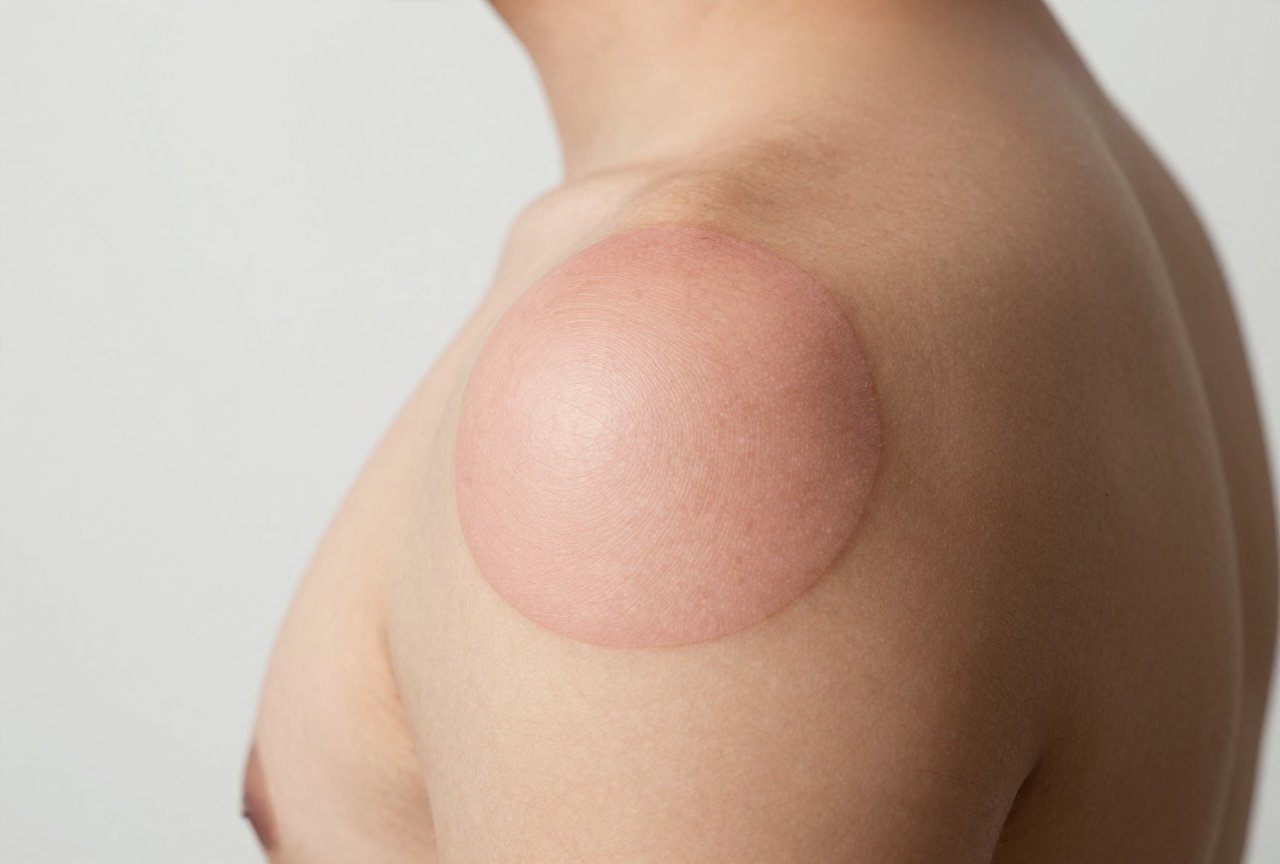
The healing aftermath looks dramatic. Blisters, swelling, redness, sometimes scabbing. I always tell clients: don’t pop anything, keep it clean and dry, stay out of sun and pools, and resist the urge to pick. The skin is vulnerable after laser treatment. A blister that gets infected can create a scar that looks worse than the tattoo ever did. I’ve seen it happen when someone ignored aftercare for a beach trip.
When Removal Doesn’t Work Well
Some situations make full removal unlikely. I keep it straight with clients in my chair who ask about covering old work.
- White ink or skin-tone ink: Can oxidize and turn dark gray or brown under laser
- Cosmetic tattoos (eyebrows, lip liner): Often contain iron oxides that shift color unpredictably
- Deep scar tissue or heavily raised work: Laser can’t penetrate evenly
- Cover-ups with multiple layers of ink: You’re fighting stacked pigment
- Certain green and blue formulations: May only fade to a shadow, not disappear
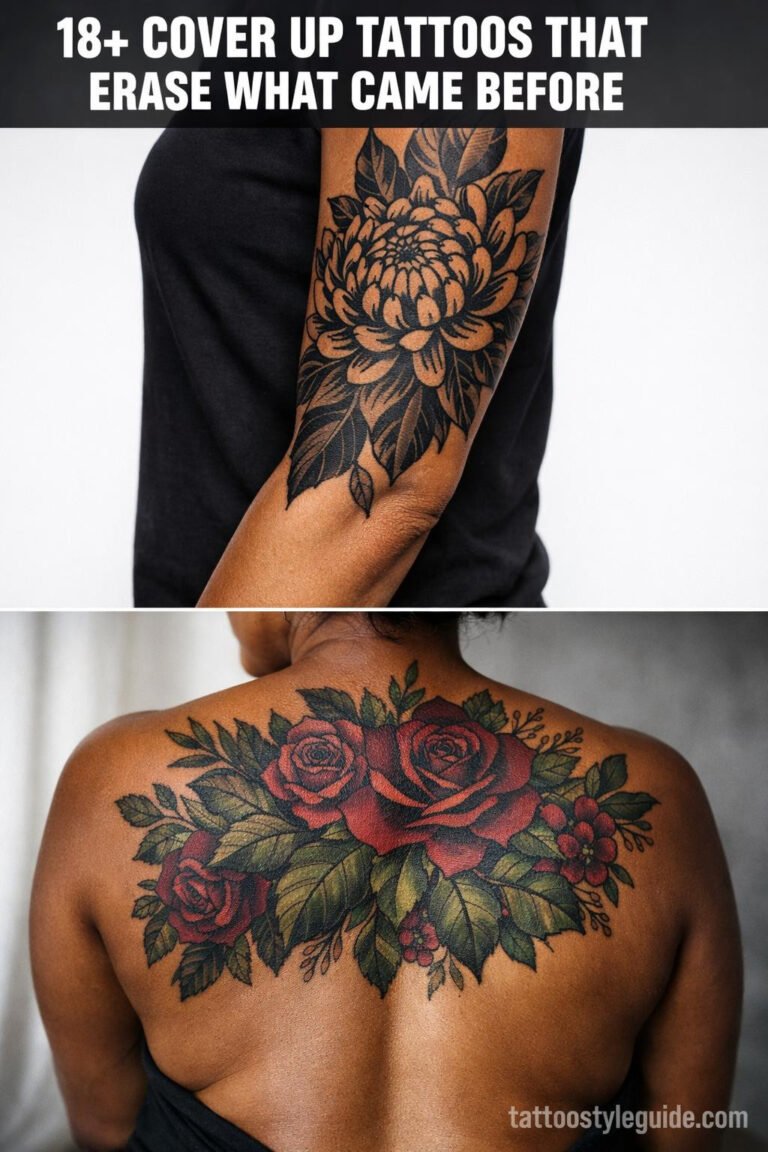
This is why I always ask: do you want removal, or do you want a better tattoo? Sometimes a skilled cover-up saves money, pain, and disappointment.
Cost and Time Investment
Removal is expensive. Most shops charge $200 to $500 per session depending on size. A palm-sized piece might run $300 a session. Do that ten times, and you’re looking at tattoo-level investment to get rid of a tattoo. I’ve had clients spend more removing work than they spent getting it. Time is the hidden cost too. A year or two of your life, planning around appointments, hiding healing skin, explaining the process to curious coworkers.
Partial Removal and Fading for Cover-Ups
Not everyone needs full clearance. I send clients to removal specialists specifically to lighten old work so I can tattoo over it. Three to four sessions of targeted fading can open up options that didn’t exist before. A dark black tribal band that no artist wants to touch can become a workable canvas with some strategic lightening. This middle path saves money and gets you to new ink faster. I’ve done some of my best cover-up work on skin that’s been partially treated.
What to Look for in a Removal Specialist
Shop culture around removal is different from tattoo culture, but the same principles apply. You want someone who answers your questions directly, shows you healed results on real clients, and adjusts the plan based on how your skin responds. I refer to people I’ve seen work, not just whoever has the newest machine. Experience reading skin reactions matters more than marketing claims.
- Ask to see before-and-after photos of healed skin, not just fresh sessions
- Verify they have multiple wavelengths for different colors
- Discuss what happens if you get blistering or unexpected reactions
- Get a range, not a promise: “6 to 10 sessions” not “it’ll be gone in 6”
- Trust your gut if they pressure you to buy packages upfront
The best removal techs I’ve known are conservative. They’d rather under-promise and over-deliver than lose your trust with false hope.
Key Takeaways
Tattoo removal is effective technology, but it’s not a clean slate guarantee. Black ink fades most predictably. Colors add complexity. Your skin type, tattoo age, and placement all shift the timeline. Expect multiple sessions over a year or more. Budget realistically. Follow aftercare obsessively. Consider whether partial fading for a cover-up serves your goals better than full removal. And find a specialist who talks straight, because this process tests your patience enough without added disappointment. I’ve watched clients emerge genuinely happy on the other side, but the ones who understood the road ahead from day one were the ones who stayed sane getting there.
Frequently Asked Questions
Can I get a new tattoo in the same spot after removal?
Yes, usually after the skin has fully healed and settled, which typically takes several months past your final session. I always inspect the area first since laser-treated skin can have subtle texture changes that affect how new ink sits.
Will removal leave a scar where my tattoo was?
Properly done laser removal shouldn’t scar, but improper aftercare, picking blisters, or aggressive treatment settings can cause lasting texture changes. The tattoo itself may have already caused some scarring that becomes visible once ink fades.
Does drinking water or working out actually speed up removal?
Staying hydrated and having healthy circulation supports your lymphatic system, which flushes the broken ink particles. It won’t cut your sessions in half, but I notice clients who take care of their bodies tend to see slightly better fading between appointments.
Why did my tattoo get darker after the first laser session?
Certain pigments, especially whites, flesh tones, and some reds, can oxidize under laser heat and temporarily darken. This is usually part of the process and resolves in subsequent sessions, but it’s why experienced techs test small areas first.
Related Tattoo Guides
- How Long Tattoo Ink Stays in Lymph Nodes: A Real Talk Guide
- How Long Does a Sleeve Tattoo Take? A Realistic Timeline
- How to Get a Temporary Tattoo Off Your Face Safely
- Explore more