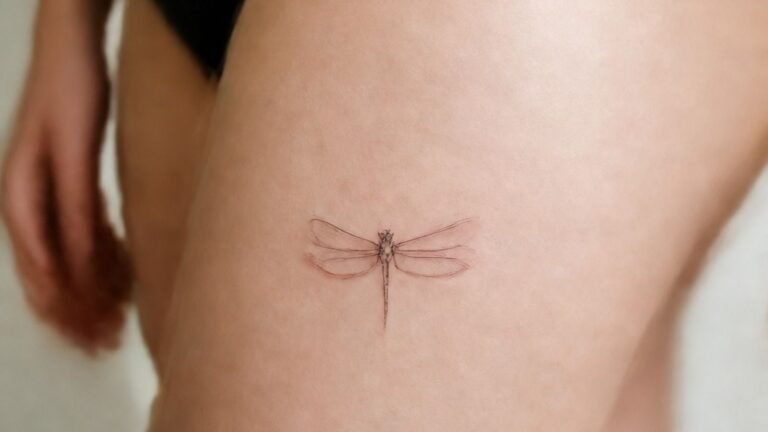
Short answer: the color itself doesn’t make it hurt more. I’ve had clients sit like rocks for four-hour color sessions and others tap out during twenty minutes of black and gray shading. What actually drives the pain is how long you’re in the chair, how many times the artist goes over the same spot, and where on your body we’re working. That said, color work does involve some differences in technique and time that can make the overall experience feel more intense. Let me break down what I’ve learned from years of actually doing this.
Why Color Sessions Often Run Longer
Here’s the real talk: color packing takes more passes. When I’m laying in solid black, I can usually get saturation in one or two passes if the skin’s taking it well. With color, especially lighter pigments like yellow, white, or pastel pink, I’m often building up three, four, sometimes five layers to get that bright, even saturation that won’t look muddy in six months. More passes over the same area means more trauma to the skin, and more trauma means your nerves keep firing.
The White Ink Factor
White is the outlier everyone asks about. It’s thicker, more opaque, and doesn’t flow like black or even most colors. I have to work it in differently, sometimes almost stippling it rather than smooth shading. Clients definitely feel the difference, it’s a grindier sensation, more “scratchy” than the smooth buzz of black lining. I’ve had people say white highlights are the worst part of their entire sleeve. Not because white is magically more painful, but because the physical application requires more resistance against the skin.
Color Saturation vs. Shading Technique
Black and gray realism relies heavily on smooth shading and negative space. I can create depth with diluted blacks and let the skin breathe. Color realism or neo-traditional work demands full saturation, no skin showing through, no soft gradients to hide incomplete fills. That means I’m running my machine at different speeds, using different needle groupings, and often working more aggressively in the same spot. The needle configuration itself (magnums for color packing versus single needles for fine gray wash) changes how the vibration feels against bone or thin skin.
Skin Type and Color Retention Reality
Not every skin type holds color the same way, and that affects how I work, which affects how you feel. Darker skin tones often require more deliberate color packing because the melanin base can shift how pigments read. I might need to go bolder with my color choices or build more layers to get that pop. Lighter skin can wash out colors if I’m too heavy-handed, so I’m balancing saturation against blowout risk. Either way, I’m making real-time decisions that extend or intensify the session.
- Oily skin: Color can sit on the surface more; I may need to wipe and re-work areas, adding time
- Dry or mature skin: Sometimes takes pigment aggressively, other times tears or flakes mid-session
- Previous sun damage: Compromised skin texture makes consistent saturation harder
- Scar tissue or stretch marks: Color behaves unpredictably; I’m adjusting constantly
I tell clients straight up: if we’re doing a full color piece on tricky skin, budget for a longer session mentally and physically. The pain isn’t necessarily worse per minute, but the minute count climbs.
Placement Matters More Than Pigment
I’d rather do three hours of color on a thigh than ninety minutes of black and gray on a ribcage. Placement dominates pain way more than color versus black. The ribs, sternum, kneecaps, elbows, feet, and inner bicep are just brutal regardless of what I’m putting in. Fatty areas with good muscle underneath, outer thigh, upper arm, calf, are generally manageable even for extended color work.
Sensitive Spots for Color Specifically
Color on thin skin over bone is its own special hell. The sternum with bright neotraditional work, the shin with bold color blocking, the collarbone area, there’s nowhere for the vibration to dissipate. Plus, I’m often stretching skin more aggressively to get clean color saturation, which adds to the sensation. I’ve seen tough guys go pale during color packing on the ankle bone while they chatted through black lining on the same area.
Healing and Aftercare: The Color Difference
Here’s where color can feel “worse” even if the tattooing itself wasn’t. Color work often scabs heavier and peels more dramatically. Those thick layers of pigment I packed in? Your body pushes more of that out during healing, which means more plasma, thicker scabs, and that itchy, tight feeling for longer. I warn color clients: days three through seven can look rough. The tattoo will seem dull, maybe even patchy, before that top layer sheds and the bright color underneath reveals itself.
- Color tattoos often need more moisturizer during healing, not because the ink needs it, but because the skin trauma was greater
- White and yellow can form harder scabs; resist picking or you’ll pull color out
- Sun exposure hits color harder long-term; that bright red will fade to pink faster than black fades to gray
- Touch-ups are more common with color work; plan for a second session, especially with lighter pigments
Aftercare isn’t dramatically different, wash, thin layer of recommended ointment, keep it clean, but the timeline stretches. I’ve had color pieces take three weeks to fully settle where similar black work was done in ten days.
What Actually Helps Manage the Pain
After thousands of hours in the chair, here’s what I actually tell people:
- Eat beforehand. Not a huge meal that makes you nauseous, but real food. Protein, complex carbs. I’ve had more people pass out from empty stomachs than from pain itself
- Stay hydrated the day before. Dehydrated skin is tight, less pliable, and doesn’t take ink as well, which means I work harder, you sit longer
- Bring headphones and a distraction. The mental game is half the battle. Color sessions especially, since they’re longer
- Don’t bargain-shop for color work. An artist rushing to pack color fast because they’re behind schedule or underpriced? That’s when pain spikes from sloppy, repeated trauma
- Consider session length. Two four-hour sessions beats one eight-hour marathon for most people. Your endorphins tank after about three hours anyway
I’ve also noticed that clients who’ve done their research, who understand why I’m going back over an area for the third time, handle it better. The unknown amplifies everything. When I explain that I’m building yellow over white to get that lemon drop brightness, they brace for it mentally rather than tensing against surprise.
Cost and Commitment Reality
Color work costs more, takes more sessions, and demands more aftercare attention. That’s not markup for markup’s sake, it’s the reality of the labor and materials. Quality color pigments are expensive, and I go through more needles, more barrier film, more everything. If you’re price-shopping color realism against a small black script piece, you’re comparing different services entirely. Budget for the time, the touch-up, and the long-term commitment to keeping that color bold with sunscreen and moisturizer.
Key Takeaways
- The color pigment itself isn’t more painful than black ink, what matters is technique, time, and placement
- Color packing requires more passes and layers, which extends session length and skin trauma
- White and lighter pigments often feel more intense due to thicker consistency and different application method
- Healing is generally more involved with color work: heavier scabbing, longer peel phase, more likely touch-ups
- Placement on your body affects pain far more than color choice, ribs and bone areas are brutal regardless
- Proper preparation (food, hydration, mental readiness) and choosing an experienced artist matter more than any numbing cream
- Color tattoos are a bigger commitment in time, money, and aftercare, go in eyes open
At the end of the day, I’ve tattooed enough people to know that pain is personal, unpredictable, and only partly about what’s happening on the skin. The best tattoo is the one you love enough to sit for, color or black, long session or short. Talk honestly with your artist about your concerns, your pain tolerance, and your vision. A good one will adjust pace, suggest placement options, or break the work into manageable chunks. That’s the real difference between a tattoo you endure and one you actually enjoy getting.
Frequently Asked Questions
Does white ink hurt more than other colors?
White ink feels different because it’s thicker and doesn’t flow as smoothly. Artists often need to work it in more aggressively, which creates a scratchier, grindier sensation that many clients find more uncomfortable than black or standard colors.
Will I need a touch-up if I get a color tattoo?
Color tattoos, especially with lighter pigments like yellow, pink, or white, often need touch-ups because those shades can drop out or heal unevenly. It’s normal and worth budgeting for when you plan your piece.
Can I use numbing cream for a color session?
Some artists allow it, some don’t, numbing creams can change skin texture and make color saturation harder to judge. Ask your artist beforehand; never show up with it already applied without discussing first.
Why does my color tattoo look dull while healing?
Color tattoos form thicker scabs that mask the brightness underneath. The true vibrancy reveals itself after the top layer completely sheds, usually around days 10-14, not during the initial healing phase.
Related Tattoo Guides
- How Effective Is Tattoo Removal? A Realistic Guide
- How Long Tattoo Ink Stays in Lymph Nodes: A Real Talk Guide
- How Long Till You Can Swim After a Tattoo?
- Explore more