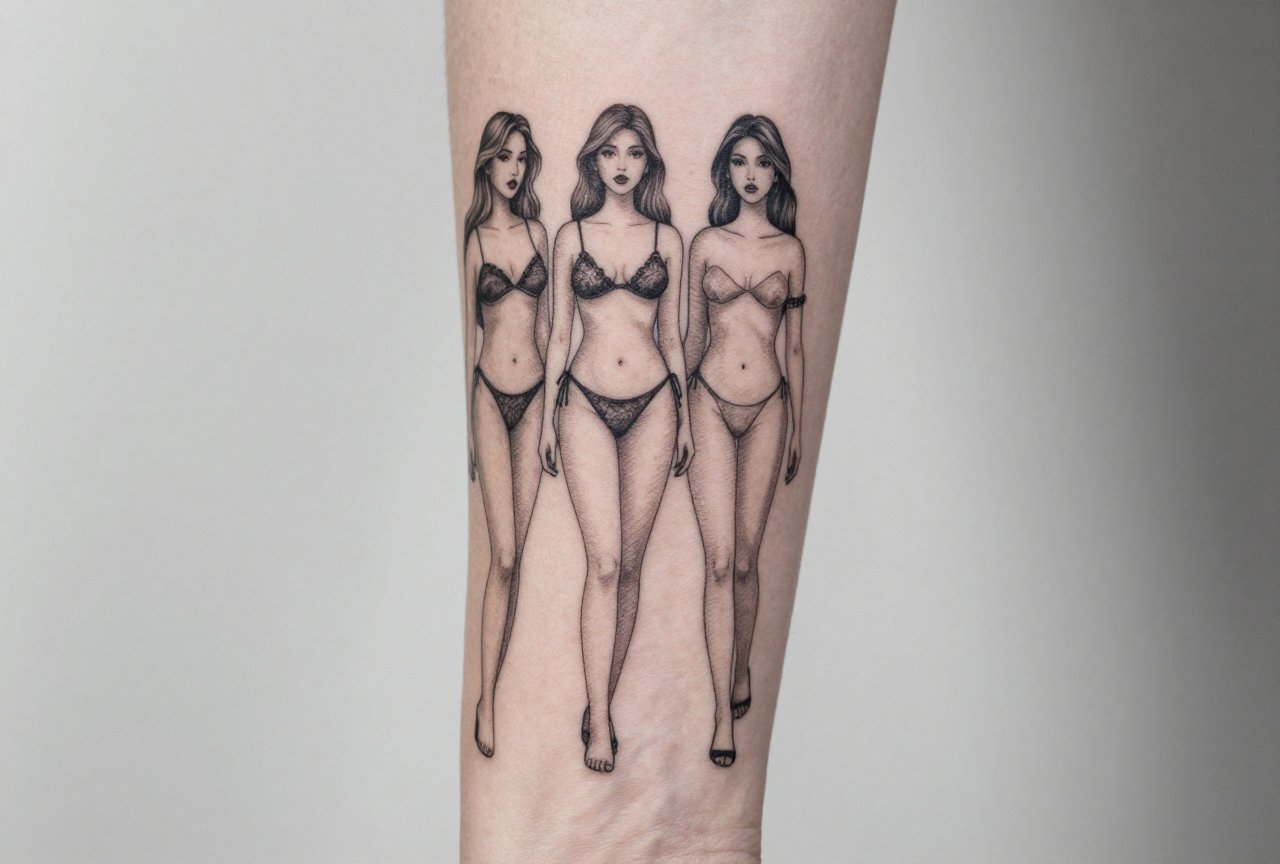
A meaningful feminine lower leg tattoo for females typically symbolizes grounded strength, forward momentum, and personal transformation. The lower leg, calf, shin, or ankle area, represents the body’s foundation and propulsion, making it a powerful canvas for women who want to mark their journey, resilience, or reclaimed identity. I’ve tattooed countless women who chose this placement specifically because it’s visible when they want it to be, concealed when they need it, and carries that quiet confidence of someone who moves through the world with intention.
Symbolism & History
The lower leg has carried symbolic weight across cultures long before modern tattooing. In many traditions, the lower body represents our connection to earth, to forward movement, to the path we walk. I’ve had clients who research this for months before sitting in my chair, and I always tell them: the meaning you bring matters more than any historical precedent, but the history can deepen what you already feel.
Feminine Power & Grounded Strength
Women choosing lower leg tattoos often gravitate toward imagery that contradicts old ideas of delicacy. A snake winding up the calf, botanicals with thorns, a moon phase wrapping the ankle, these aren’t pretty decorations. They’re statements about capacity. The calf muscle itself is power. You flex it with every step. I’ve watched women point to that exact spot and say, “This carried me through.” That’s the symbolism that sticks.
Transition & Movement
Legs move us forward. The symbolism here is almost embarrassingly literal, but that doesn’t make it less true. Post-divorce, post-recovery, post-graduation, women come in wanting something that marks the walking away and the walking toward. The lower leg becomes a timeline you literally advance through. One client, a marathon runner who started after chemotherapy, got her finishing time inked along her shin. She told me she’d never cover it, even when the numbers meant nothing to anyone else.
Common Variations & Styles
Style choices dramatically shift how these tattoos read and how they age. I’ve seen delicate single-needle work blur beyond recognition in five years on a shin, and bold traditional hold crisp for decades. Placement and style aren’t separate decisions, they’re the same decision.
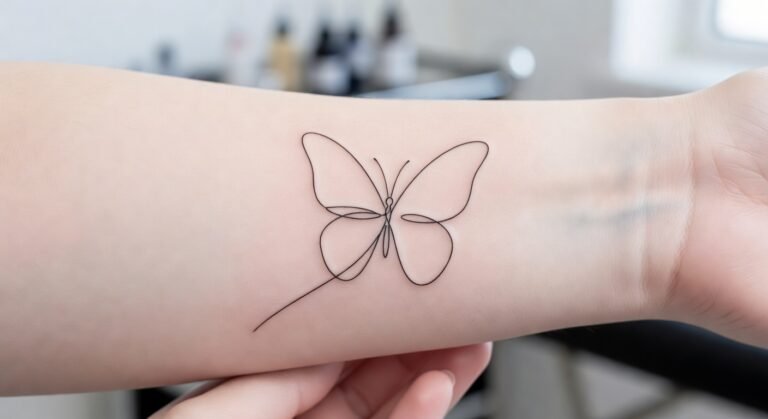
- Botanical wraps: Vines, florals, and leaves wrapping the calf or ankle. These flow with the muscle’s natural curve. I recommend bolder line weight than clients initially want; fine lines spread on lower leg skin that’s often tighter and more mobile than the upper arm.
- Symbolic creatures: Butterflies, moths, snakes, and birds. These gain meaning from direction, upward flight suggests aspiration, coiled snakes suggest contained power. I always ask: which way is it moving, and why?
- Text and script: Names, dates, phrases along the shin or outer calf. Font choice matters enormously here. Script needs breathing room; cramped lettering becomes illegible. I’ve had to do cover-ups on text that was too small, too ornate, placed too close to the ankle bone where skin shifts constantly.
- Geometric and ornamental: Mandalas, sacred geometry, dotwork. These can center on the calf muscle like a focal point, or trail down toward the ankle. The calf’s roundness gives geometry a dimensional quality you don’t get on flatter placements.
- Blackout and negative space: Increasingly popular for covering old work or making dramatic statements. The lower leg can handle large black areas, but healing is rough, swelling, stiffness, that tight feeling when you walk. I warn clients: you’ll need to plan downtime.
Best Placements
Not all lower leg real estate behaves the same. Skin texture, pain levels, visibility, and aging differ significantly across these zones.
Calf (Inner, Outer, Full Wrap)
The outer calf is the sweet spot, meaty, relatively low pain, ages well. Full wraps look stunning but require multiple sessions and serious commitment. Inner calf hurts more; skin is thinner, closer to bone in spots. I’ve had clients tap out on inner calf work that they breezed through on the outer side. The muscle movement also affects how ink settles during healing.
Shin
Directly over bone. Everyone knows shin tattoos hurt. What they don’t always expect: the healing itch is maddening because you can’t scratch bone-adjacent skin without wincing. But the visibility is unmatched. A shin piece faces the world head-on. Women who choose this placement tend to want that confrontation, no hiding, no angle-dependent revelation.
Ankle and Above-the-Heel
Classic, but tricky. Ankle skin stretches, twists, rubs against shoes. I’ve watched beautiful ankle tattoos fade unevenly where sock elastic sits. The area above the heel, what we call the “Achilles zone”, is having a moment for small, meaningful pieces. Painful, yes, but that private placement feels intimate. You see it in mirrors, in certain poses. It’s yours before it’s anyone else’s.
Who Chooses This Tattoo / Personal Meanings
After years in shops, patterns emerge. Not stereotypes, patterns. Certain life moments send women toward lower leg ink with unusual consistency.
The post-breakup tattoo is real. Not cliché, real. Women who supported partners, who compromised their geography or their careers, who finally chose themselves, they often want the leg. Something that moves with them, independent, self-propelled. I’ve heard versions of “I’m walking my own path now” so many times it could be a parody, but each woman’s voice cracks differently when she says it.
Physical transformation also drives this choice. Weight loss, fitness milestones, recovery from injury or illness. The lower leg carries you; marking it after you’ve rebuilt it makes symbolic sense that bypasses intellect. One woman got her first tattoo at fifty-two after a hip replacement let her walk without pain for the first time in years. She chose a simple walking stick figure, almost childlike, on her calf. We both cried.
Professional considerations matter too. The lower leg hides under work pants, reveals in shorts or skirts. For women navigating conservative workplaces, this controlled visibility is strategic. I’ve had teachers, nurses, corporate workers choose the calf specifically because their professional self and their personal self can coexist without conflict.
Similar Symbols
Women considering lower leg tattoos often explore related imagery and placements. These alternatives carry overlapping meanings with different emphases.
- Upper arm and forearm: More visible, more immediately confrontational. The lower leg feels more private, more earned through movement rather than gesture.
- Foot tattoos: Similar grounding symbolism but far more painful, faster fading, and prone to blowout from thin skin. I talk most clients out of foot work unless they’re deeply committed to the specific placement meaning.
- Thigh tattoos: Larger canvas, more sensual connotations, easier to conceal entirely. The lower leg reads as practical, active; the thigh as intimate, hidden.
- Back of neck / spine: Vertical movement like the leg, but facing backward rather than forward. Women choosing lower leg often want to see their own symbol, not just display it.
- Wrist and hand: Constant visibility, social statement. The lower leg offers more control over when you’re “on.”
Final Thoughts
The meaningful feminine lower leg tattoo isn’t trending because Instagram made it pretty. It’s resonating because women are reclaiming their movement, their foundation, their direction. In my chair, the best sessions aren’t the ones with the most elaborate designs, they’re the ones where someone finally puts on skin what they’ve been walking around with internally.
Choose your artist for how they handle line weight in areas that move. Ask to see healed photos of lower leg work specifically, not just fresh ink. Plan for swelling, for the awkwardness of pants rubbing, for the patience this placement demands. And bring meaning that can flex as you do, because this tattoo will walk thousands of miles with you, and it should mean something at every step.
Frequently Asked Questions
Do lower leg tattoos hurt more than arm tattoos?
Generally yes, especially on the shin and ankle where bone sits close to skin. The outer calf is actually one of the more tolerable spots, meaty and less nerve-dense. Inner calf and Achilles area hurt significantly more. Pain is subjective, but I warn clients that leg work surprises people who breezed through arm sessions.
How well do lower leg tattoos age over time?
Outer calf aging is solid if the line work is bold enough. Ankle and shin tattoos fade faster from friction, sun exposure, and thinner skin. I always push for slightly heavier lines than clients want on lower leg work, what looks delicate fresh can disappear entirely in a decade.
Can I work out right after getting a lower leg tattoo?
I’d wait at least 48-72 hours. Sweat, friction, and muscle flexing irritate fresh ink. Running is especially rough on calf tattoos, imagine thousands of micro-movements pulling at healing skin. Light walking is fine, but skip the gym until the initial healing phase passes.
Will a lower leg tattoo affect my job prospects?
Most professional settings allow lower leg tattoos since they’re easily covered with pants or long skirts. I’ve had clients in healthcare, education, and corporate roles choose this placement specifically for that controlled visibility. Know your specific workplace culture, but the lower leg is generally safer than hands, neck, or forearms.
Related Tattoo Meanings
- Money Rose Tattoo Meaning: Wealth, Hustle Beauty
- MS-13 Tattoos and Meanings: A Shop-Level Guide
- Nefertiti Tattoo Meaning: Power, Beauty Legacy
- Explore more