Death before dishonor means exactly what it says: choosing integrity over life itself. It’s a declaration that betrayal, cowardice, or moral compromise are worse than death. In tattoo form, this phrase becomes a permanent vow, inked on skin as a reminder to the wearer and a warning to anyone who sees it.
Symbolism & History
This phrase didn’t start in tattoo shops. It comes from military tradition, particularly among Marines and Navy sailors who lived by codes of absolute loyalty. I’ve tattooed this on veterans who heard it in boot camp decades ago, the words still carrying the weight of their service. The concept stretches back further, Roman soldiers supposedly muttered similar sentiments, and Japanese samurai lived the idea through seppuku.
The Military Connection
In my chair, the story’s usually the same. Guy comes in, maybe fifty years old, maybe twenty-two. He wants the words he lived under, the creed his brothers died believing. Sometimes it’s a unit motto. Sometimes it’s personal. The tattoo becomes a memorial without being explicitly one, no names, no dates, just the code. I’ve seen guys tear up explaining it. The font matters to them. Block letters, military stencil, something that looks like it came off a dog tag or a rifle stock.
Beyond the Uniform
Civilians get this tattoo too, and that’s where meaning shifts. I’ve had a father get it after his business partner embezzled from their company. A woman got it after leaving an abusive marriage where she’d compromised herself for years. The phrase becomes personal armor. Not about war anymore, about refusing to become someone you can’t face in the mirror.
Common Variations & Styles
The words themselves are only part of the design. How they’re rendered changes everything.
- Classic lettering: Old English or blackletter dominates. Thick lines, heavy shading, reads immediately from across a room. Ages well if the artist knows spacing, crowded letters blur together in five years.
- Banner and scroll: The phrase wraps around a dagger, skull, or eagle. Traditional American style, bold lines, limited color palette. I’ve done this on forearms where the banner curves with the muscle. Looks alive when they move.
- Minimalist text: Simple script, no imagery. Often placed where the wearer sees it daily, inner forearm, ribcage, collarbone. The restraint is the point. No decoration needed.
- Military insignia integration: Unit emblems, eagle-globe-anchor for Marines, anchors for Navy. The words become part of a larger service narrative. These need an artist who understands military symbolism, getting a rank wrong or mixing branches is disrespectful, and veterans will call it out.
Color choices matter too. Black and grey feels timeless, serious. Red accents, blood drops, a rose, add intensity but can look theatrical if overdone. I’ve talked clients out of too much red. Let the words carry the weight.
Best Placements
Where this goes on the body says as much as the words themselves.
Visible Declarations
Forearms, hands, neck. These are tattoos that can’t be hidden, and that’s intentional. The wearer wants accountability. Every handshake, every glance, there it is. I’ve done death before dishonor across knuckles twice. Both times, the client understood the commitment. Hand tattoos hurt, they fade fast from sun and washing, and they close doors professionally. They still wanted it. That choice is part of the meaning.
Private Reminders
Chest pieces, ribs, upper back. Close to the heart, literally. Hidden under shirts for civilian life, revealed in private moments or among trusted people. The ribcage hurts, skin thin over bone, breathing moves the needle. Clients who choose this spot usually have something specific to endure, to remember. The pain of getting it becomes part of the ritual.
One placement I caution against: the face. I’ve refused this twice. Not because of meaning, but because the words become unreadable at small sizes, and facial skin ages unpredictably. The message gets lost in distortion.
Who Chooses This Tattoo / Personal Meanings
After fifteen years in shops, patterns emerge. Certain people gravitate to certain tattoos.
- Veterans and active military: The original keepers of this phrase. Often getting it after discharge, after loss, after a moment that tested their code. Sometimes matching tattoos with brothers they served with.
- First responders: Police, firefighters, paramedics. Their own codes of honor, their own brotherhoods. The translation feels natural.
- People rebuilding after betrayal: The spouse who discovered infidelity. The employee who took the fall for someone else’s corruption. The tattoo marks a line in time, before the compromise, after the resolution.
- Young men seeking identity: This one’s complicated. Sometimes genuine, sometimes posturing. I talk to them longer. What does dishonor mean to you specifically? If they can’t answer beyond sounding tough, I suggest waiting. Good artists gatekeep a little.
A woman came in last year, fortyish, corporate lawyer. She wanted death before dishonor in tiny script inside her wrist, hidden by her watch. Her father was a Marine who’d lived by those words. She’d spent her career cutting ethical corners, she said, and something broke in her during the pandemic. The tattoo was a vow to him, to herself. Small enough to be hers alone. That’s the thing about meaning, scale doesn’t diminish it.
Similar Symbols
Clients sometimes consider these alternatives or pair them with the phrase.
- Semper Fi / Semper Fidelis: Always faithful. The Marine Corps motto, closely related but branch-specific. Less absolute than death before dishonor, faithfulness doesn’t require the ultimate sacrifice.
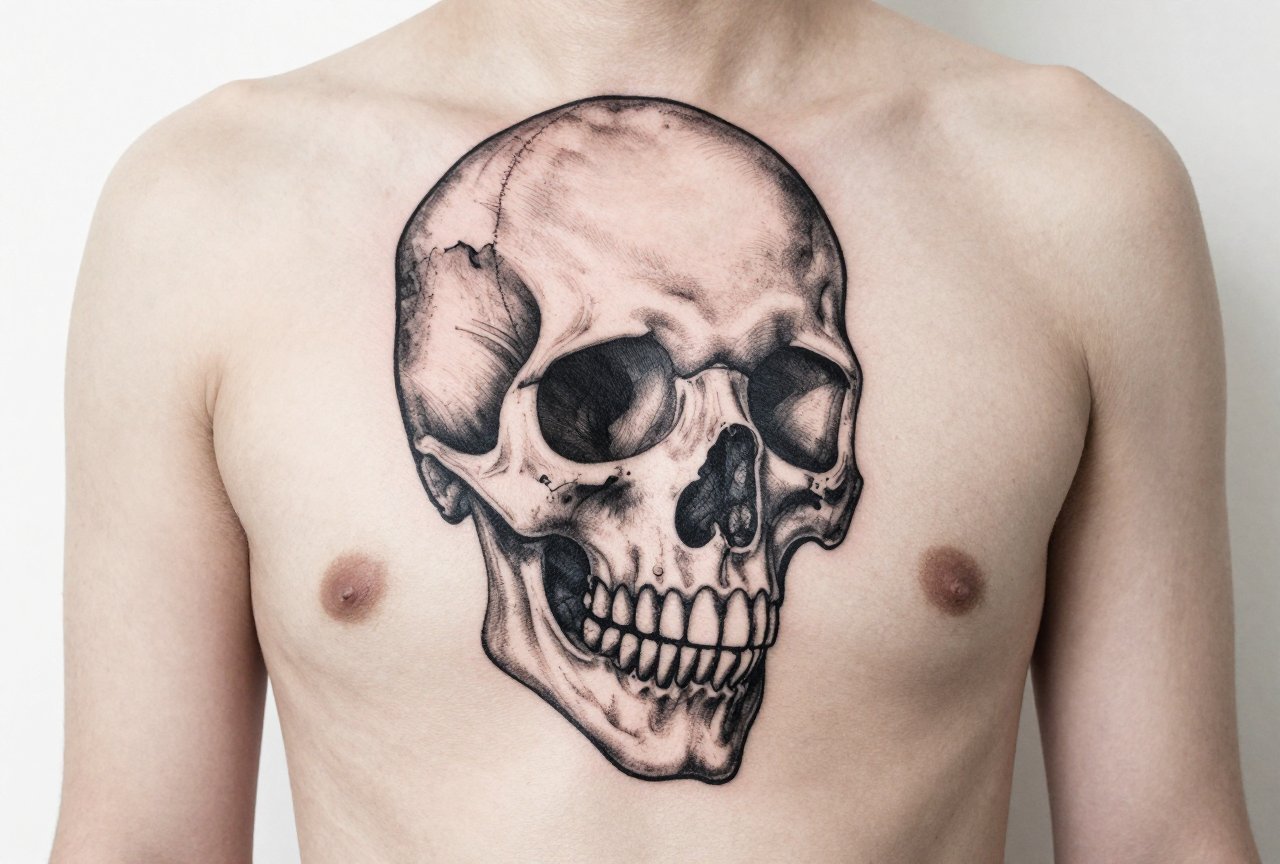
- Memento mori: Remember you will die. Philosophical rather than moral. About mortality, not integrity. Sometimes paired with death before dishonor as bookends: remember death, refuse dishonor.
- Dagger through rose: Beauty and pain, love and sacrifice. More romantic, less absolute. Often chosen when the meaning is more about personal relationships than universal code.
- Broken chain or shackle: Freedom from something. The inverse, escaping dishonor rather than refusing it. Sometimes people get both, marking before and after.
In my shop, we see a lot of crossover. Guy gets death before dishonor on his forearm, memento mori on his chest later. They start conversations with each other, those tattoos. The wearer becomes a walking philosophy, whether they intended that or not.
Final Thoughts
Death before dishonor is not a casual tattoo. The words are too absolute, the history too heavy. As an artist, I respect anyone who chooses it with understanding. I’ve also watched people grow past the certainty the phrase demands, life complicates black-and-white codes. The tattoo remains, a snapshot of who they were when the needle touched skin.
What matters is the intention behind it. The best versions I’ve done were for people who could articulate exactly what dishonor meant to them, exactly what they were willing to lose rather than become. That’s rare clarity. If you’re considering this tattoo, sit with it. Talk to artists who ask hard questions. The words deserve that rigor. Your skin deserves it too.
Frequently Asked Questions
Does a death before dishonor tattoo have to be military-related?
Not at all. While the phrase originated in military culture, many civilians choose it to represent personal integrity, recovery from betrayal, or commitment to their own moral code. The meaning depends entirely on the wearer’s intention.
What’s the best font for a death before dishonor tattoo?
Old English and military stencil styles are most common, but the best font is one you’ll still respect in twenty years. I always tell clients to avoid trendy scripts, classic lettering ages better and carries more weight.
Will this tattoo affect job prospects?
Placement matters more than the words themselves. Visible tattoos on hands, neck, or face can limit opportunities in conservative fields. Forearm or upper arm pieces are easier to cover when needed.
How much does a death before dishonor tattoo typically cost?
Simple text runs $150-$400 depending on size and artist rates. Pieces with imagery like daggers or eagles can reach $800-$1500. Good lettering takes time, rushed work blurs. Budget for quality, especially with detailed script.
Related Tattoo Meanings
- Double Ambigram Tattoo Meaning: Words That Flip Into New Messages
- Dragon Fly Tattoo Meaning: Transformation, Freedom Light
- Drama Mask Tattoo Meaning: Comedy, Tragedy Life s Duality
- Explore more