Yes, your tattoo should be peeling. If it’s not, I’d actually be surprised. Peeling is one of the most routine parts of the healing process, and I’ve watched it happen on thousands of pieces over the years. That flaky, sometimes itchy stage usually kicks in around day three to five and can last up to a week or two depending on your skin, the placement, and how heavy the saturation is. What matters is how you handle it and knowing what’s normal versus what needs a quick check-in with your artist.
What Peeling Actually Looks Like
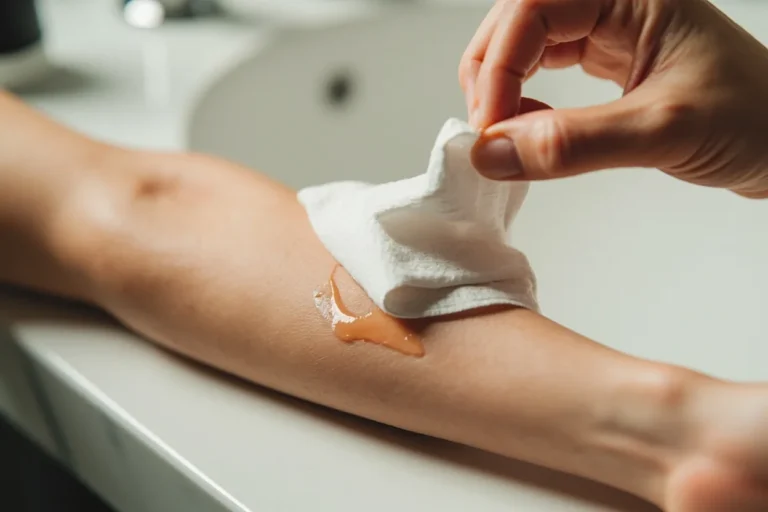
I’ve had clients panic-text me photos of what looks like dandruff on their forearm. That’s exactly what it is, basically. Your tattooed skin is shedding the top layer that took trauma during the session, and it’s carrying some of that excess ink with it. The color underneath isn’t washing away, what you’re seeing is the epidermis doing its thing.
Light vs. Heavy Saturation
A fine-line piece on your wrist might peel in tiny, almost invisible flakes. A solid black tribal sleeve or a color-packed traditional rose on your thigh? That’s going to shed like a snake. The more ink deposited, the more surface damage and the more dramatic the peel. I’ve tattooed solid black backgrounds that looked like they were molting for ten days straight. The client was terrified. I told them to breathe, it was textbook.
- Fine line work: Minimal peeling, often just slight dryness
- Black and gray shading: Moderate flaking, sometimes ashy appearance
- Bold traditional color: Heavy peeling, possible scabbing in saturated areas
- White ink highlights: May peel more visibly since white sits superficially
Where It Happens on Your Body
Some spots peel uglier than others. Inner bicep? Thin skin, lots of movement, tends to flake in sheets. Ankle or foot? Constant friction from socks and shoes makes the peel rougher and sometimes scabbier. Back of the neck? You might not even notice because you can’t see it and it’s not getting rubbed. I’ve had clients come back in convinced their tattoo was ruined because their calf looked like a lizard for two weeks. It’s the nature of the spot.
The Timeline: What to Expect Day by Day
Every body heals differently, but there’s a rhythm most tattoos follow. I walk clients through this before they leave my chair so nobody loses sleep.
Days 1-2: The tattoo is basically an open wound. Plasma oozes, you might see some ink on your bandage or in your wrap. It’s shiny, tender, swollen in spots. No peeling yet.
Days 3-5: Here comes the peel. Skin tightens, gets itchy, starts to flake. The tattoo often looks duller or cloudier underneath. This is the phase where people think they messed up their aftercare. They didn’t.
Days 6-14: Peeling continues, maybe tapers off. Deeper layers are still settling. Color starts to clarify again as the dead skin sloughs away.
Week 3-4: Most peeling is done, but the tattoo isn’t fully healed. It can still look slightly raised or dry. The skin is still remodeling beneath the surface.
Month 2-3: This is when I tell people to really look at their healed piece. What you see now is closer to the long-term reality. Colors settle, blacks soften slightly, any touch-up needs become obvious.
What You Should Absolutely Not Do
This is where I get firm with people, because I’ve seen beautiful work get compromised by impatience. The peeling phase tests your willpower.
- Don’t pick or scratch. I know it itches. I know there’s a hanging flake taunting you. Pull it and you risk pulling ink out with it, or worse, introducing bacteria. I’ve had to do free touch-ups because someone couldn’t resist.
- Don’t over-moisturize. Slathering on too much ointment or lotion traps moisture, suffocates the skin, and can cause bubbling or delayed healing. Thin layer, let it breathe.
- Don’t soak it. No baths, no hot tubs, no swimming. Quick showers only until the peel phase passes. I’ve seen pool chemicals wreck a fresh piece in one afternoon.
- Don’t let clothing rub aggressively. That fresh rib piece under a tight sports bra? The friction will pull flakes prematurely and irritate the skin.
The Itch: Your Real Enemy
Peeling isn’t painful. Itching is the torture. I slap my own tattoos when they itch, it’s a trick I teach clients. The vibration distracts the nerve without breaking skin. Some people tap around the area, or use a cold compress for a few seconds. What you don’t do is dig your nails in. I’ve watched someone scratch a line right out of their tattoo. Permanent damage from thirty seconds of weakness.
When Peeling Might Mean Something Else
Most of the time, peeling is just peeling. But there are signs that suggest you should reach out, to your artist first, not the internet.
Red flags I watch for:
- Peeling that comes with thick, yellow-green crust or foul smell
- Heat radiating from the tattoo that doesn’t calm after a few days
- Red streaks traveling away from the piece
- Swelling that worsens after day three instead of improving
- Peeling that exposes raw, weeping skin repeatedly instead of settling
These aren’t common. In fifteen years, I’ve sent maybe two or three clients to urgent care for actual infections. But they happen, and pretending they don’t isn’t doing anyone favors. Normal peeling doesn’t hurt beyond mild tenderness. If you’re wincing, if the area feels hot and angry, that’s not standard healing.
Allergic Reactions vs. Normal Peel
Rare, but real: some people react to specific ink pigments, especially certain reds and yellows. This usually shows up as raised, bumpy skin that persists beyond the peel phase, sometimes with localized itching that doesn’t quit. I’ve seen it twice with a particular crimson I no longer stock. The tattoo can still heal, but it might need steroid intervention from a dermatologist. Not your artist’s domain, and not something to guess at.
Aftercare That Actually Works
I don’t push products I don’t use myself. Every shop has opinions, and aftercare has trended through phases, A+D ointment, then fragrance-free lotion, then dry healing, then specialized tattoo balms. What I’ve settled on after watching thousands of pieces heal:
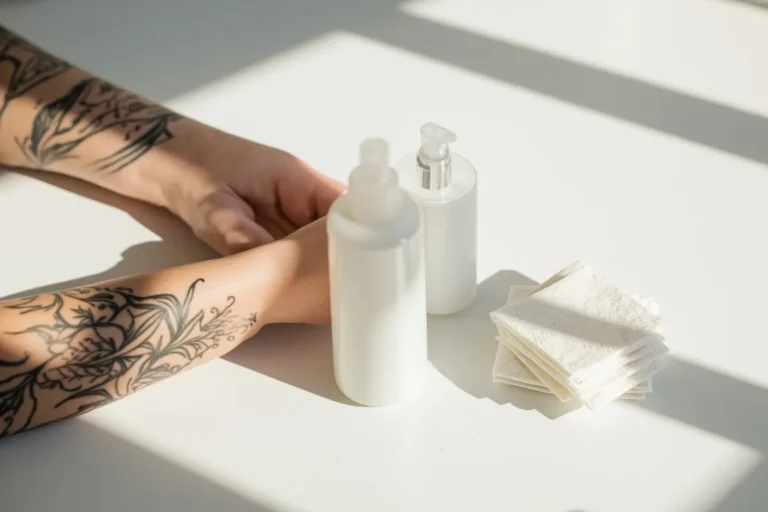
Wash gently with unscented soap, pat dry with clean paper towel, apply a thin layer of whatever your artist recommends. Reapply when it feels tight, usually 2-3 times daily. Switch to plain lotion once the heavy peeling starts to ease. Keep it clean, keep it protected from sun, don’t overthink it.
The clients who heal best are the ones who follow directions simply and don’t obsess. The ones who Google ten different methods and switch between them every day? They complicate their own healing. Pick a protocol and stick with it.
How Peeling Affects the Final Result
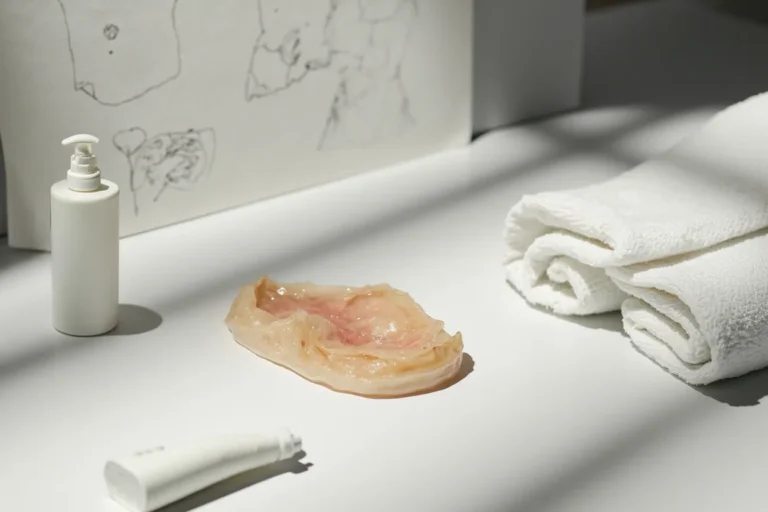
Here’s what I tell people in my chair: the tattoo you walk out with is not the tattoo you’ll have in a month. The peeling phase is ugly. Colors look muted, lines look fuzzy, everything seems compromised. It’s not. The ink sits in the dermis, below what you’re seeing flake away. What peels is essentially a temporary mask.
That said, how you treat the peel matters for longevity. Picking can create scar tissue that holds ink poorly. Sun exposure during healing can fade pigment permanently. Moisture trapping can cause blowouts or muddy healing. The peel itself is harmless; your reaction to it shapes the outcome.
I’ve had pieces I was proud of come back slightly patchy because the client worked construction and couldn’t keep the area clean. I’ve had delicate watercolors heal perfectly because the owner was diligent and patient. The art is half the equation. The healing is the other half.
Key Takeaways
Peeling is normal, expected, and temporary. Your tattoo isn’t falling apart, it’s doing what skin does after trauma. Resist picking, keep moisturizing light and sensible, and let the process run its course. Most tattoos peel for about a week, sometimes two, with variation based on placement and saturation. Watch for genuine warning signs like spreading redness, heat, or unusual discharge, but don’t panic at ordinary flaking. The tattoo you see beneath the peel is closer to your finished piece than the shiny fresh version you left the shop with. Trust the process, follow your artist’s guidance, and don’t let a little dandruff shake you.
Frequently Asked Questions
Why does my tattoo look faded while it’s peeling?
The top layer of dead skin creates a cloudy, ashy veil over the ink. Once peeling finishes and the fresh skin settles, colors typically brighten back up. What you’re seeing is temporary, not lost pigment.
Can I put sunscreen on my peeling tattoo?
Wait until peeling is completely done and the skin feels normal again. Sunscreen on fresh, peeling skin can irritate and clog pores. Keep the tattoo covered with clothing instead during healing.
Is it okay if my tattoo scabs instead of just peeling?
Light scabbing happens, especially with heavy saturation, but thick hard scabs usually mean the skin was too dry or overworked. Don’t pick at them, let them fall naturally and moisturize gently to prevent cracking.
How much does a touch-up cost if I pick off a flake and damage the ink?
Most reputable artists offer a free or discounted touch-up within a few months if you followed aftercare. If you openly admit you picked at it, some shops charge full rate, I’ve seen touch-ups run anywhere from $50 to $200 depending on the piece size and the shop’s policy.
Related Tattoo Guides
- Tattoo Cost Near Me: Real Prices From a Working Artist
- Average Tattoo Cost Per Hour: A Real Shop Guide
- Can Laser Tattoo Removal Leave Scars? A Real Talk Guide
- Explore more