Yes, laser tattoo removal can leave scars, but it doesn’t happen as often as people fear. In my years around shops, I’ve watched clients go through the process, and I’ve tattooed over removal sites myself. Most people who end up with scarring either had a pre-existing issue, picked at the healing skin, or went to someone operating equipment they barely understood. The laser itself isn’t a magic eraser, it’s a controlled injury that breaks ink into particles your body flushes out. How your skin responds to that injury determines whether you walk away clean or with texture changes. Here’s everything I’ve learned from watching this play out in real shops and on real skin.
How Scarring Actually Happens
Scarring from laser removal isn’t usually the laser’s fault directly. It’s the aftermath. When a laser hits your skin, it creates a thermal reaction. The ink absorbs the light and shatters, but surrounding tissue takes some heat too. Your body responds with inflammation, blistering, and eventually scabbing. If you disrupt that healing, pick scabs, sunburn the fresh skin, or get an infection, you’re asking for trouble.
The Pre-Existing Factor
I’ve tattooed over keloid scars on clients who didn’t even know they were prone to them until a piercing or a cut went wrong. Same risk exists with laser. If your body throws scar tissue at a paper cut, it’ll likely do the same with laser trauma. Darker skin tones also carry higher risk of hypopigmentation or hyperpigmentation, light or dark patches that aren’t technically scars but read as texture and color issues. A good technician will spot-test an area and adjust settings accordingly. A bad one cranks the same settings on everyone.
Operator Error Is Real
Not everyone wielding a laser knows what they’re doing. I’ve heard horror stories from clients who went to med-spas with weekend-certified staff using Q-switched machines like they’re stamping parking tickets. Wrong wavelength, wrong pulse duration, too much energy on thin skin, I’ve seen inner wrist tattoos get lasered aggressively and leave permanent divots because the operator didn’t account for how little fat and collagen sits there. Real laser clinics with experienced practitioners cost more, but they’re cheaper than fixing a botched removal.
What the Healing Actually Looks Like
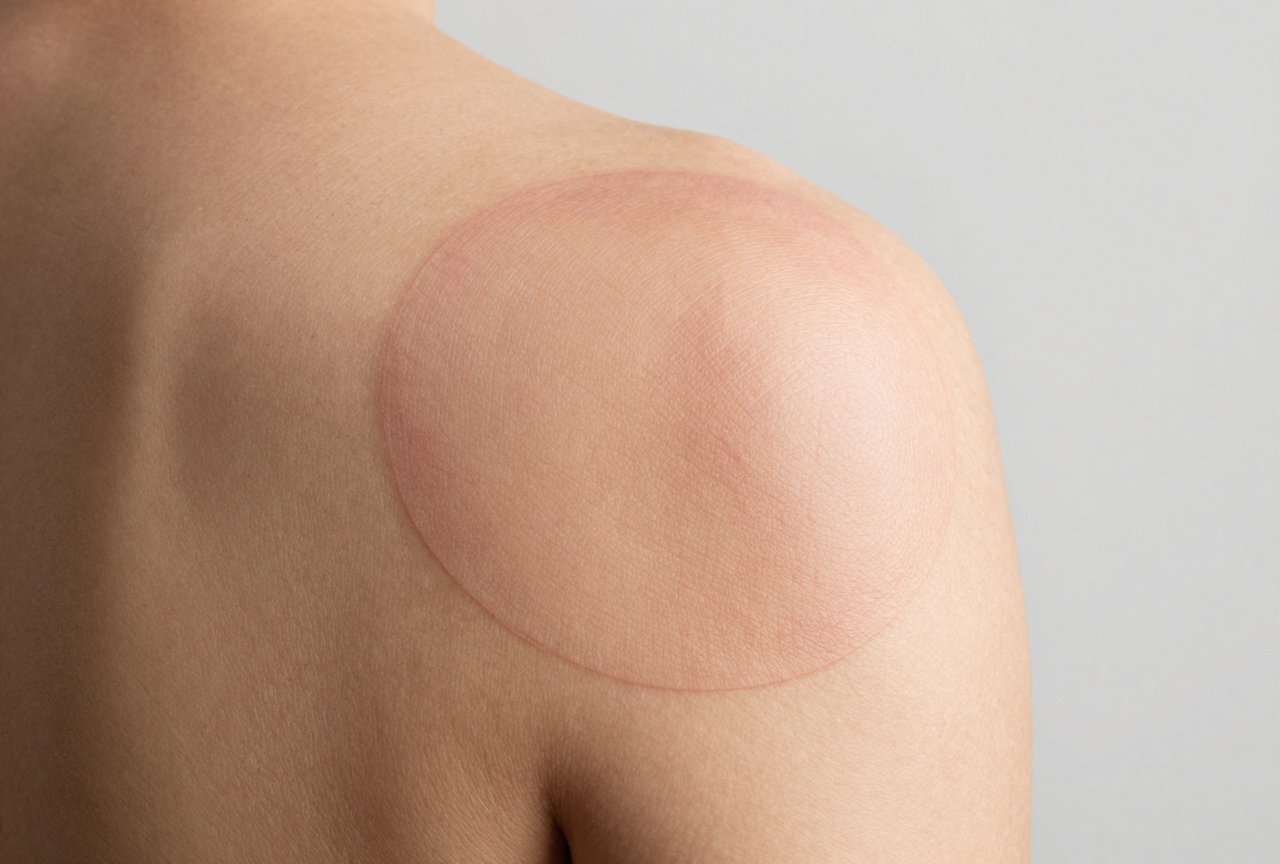
People expect a sunburn and get shocked by the reality. After a session, the skin swells, sometimes dramatically. Blisters form within hours, clear fluid, sometimes blood if the ink was dense. Those blisters pop, scab over, and the scabs lift off over two to three weeks. Underneath, the skin is pink and shiny, like a healing scrape. I’ve had clients describe it as looking worse than the tattoo ever did.
- Days 1-3: Swelling, redness, possible blistering
- Days 4-14: Scabs form and begin drying; itching is intense
- Weeks 2-4: Scabs fall off naturally; pink new skin exposed
- Months 1-3: Skin continues flattening and evening out
- Between sessions: 6-8 weeks minimum for full cellular turnover
The pink phase lasts longer than people want. I’ve had clients panic at month two, convinced they have a scar, when it’s just immature skin that hasn’t finished remodeling. Real scars, raised, firm, discolored, don’t fully declare themselves for several months. Patience is part of the process, and it’s the part nobody wants to hear.
How to Actually Lower Your Risk
You can’t control your genetics, but you can control a lot else. In my chair, I’ve talked clients through pre- and post-laser care that makes genuine difference.
Before You Start
Don’t tan. Seriously. Tanned skin absorbs more laser energy than pale skin, which means more heat in the epidermis and more damage risk. Stop tanning beds and direct sun exposure for at least four weeks before sessions. Stay hydrated. Healthy skin heals faster. And be honest about your history, keloids, eczema, psoriasis, any condition that affects skin integrity. A technician can’t protect you from what you hide.
Aftercare That Actually Works
Keep it clean and let it be. The urge to poke, prod, and “help it along” destroys more results than bad lasers. I tell clients: treat it like a bad sunburn you desperately want to survive without peeling. Cool compresses in the first 48 hours. Loose clothing that doesn’t rub. No swimming, no saunas, no gym sweat soaking the bandage. Sunscreen once the skin closes, SPF 30 minimum, religiously, for months. UV on healing skin is how you get permanent discoloration.
- Don’t pop blisters yourself, let them resolve naturally
- Don’t pick scabs, no matter how satisfying the edge looks
- Don’t apply harsh chemicals, acids, or “natural” remedies that sting
- Do keep the area slightly moist with plain, fragrance-free moisturizer once scabs fall
- Do call your technician if you see spreading redness, pus, or fever
What Scars Look Like vs. Normal Healing
Normal laser healing: flat pink skin that slowly fades to your normal tone over months. Temporary texture changes, slight roughness, occasional small bumps, usually resolve.
Actual scarring: raised, firm tissue that doesn’t flatten (hypertrophic or keloid). Depressed, indented areas where too much dermis was damaged. Permanent light or dark patches that don’t shift with seasons. I’ve seen all three. The depressed ones usually come from over-treatment or infection. The raised ones from genetic predisposition or picking. The color changes from sun exposure or wrong laser settings for skin type.
Here’s the thing, some people call any visible mark a “scar.” Laser removal almost always leaves some trace if you know where to look. A ghost image, slight texture difference, a patch that tans differently. Complete return to virgin skin is rare. Manage expectations: you’re trading a tattoo for something less noticeable, not for nothing at all.
Cover-Up Considerations
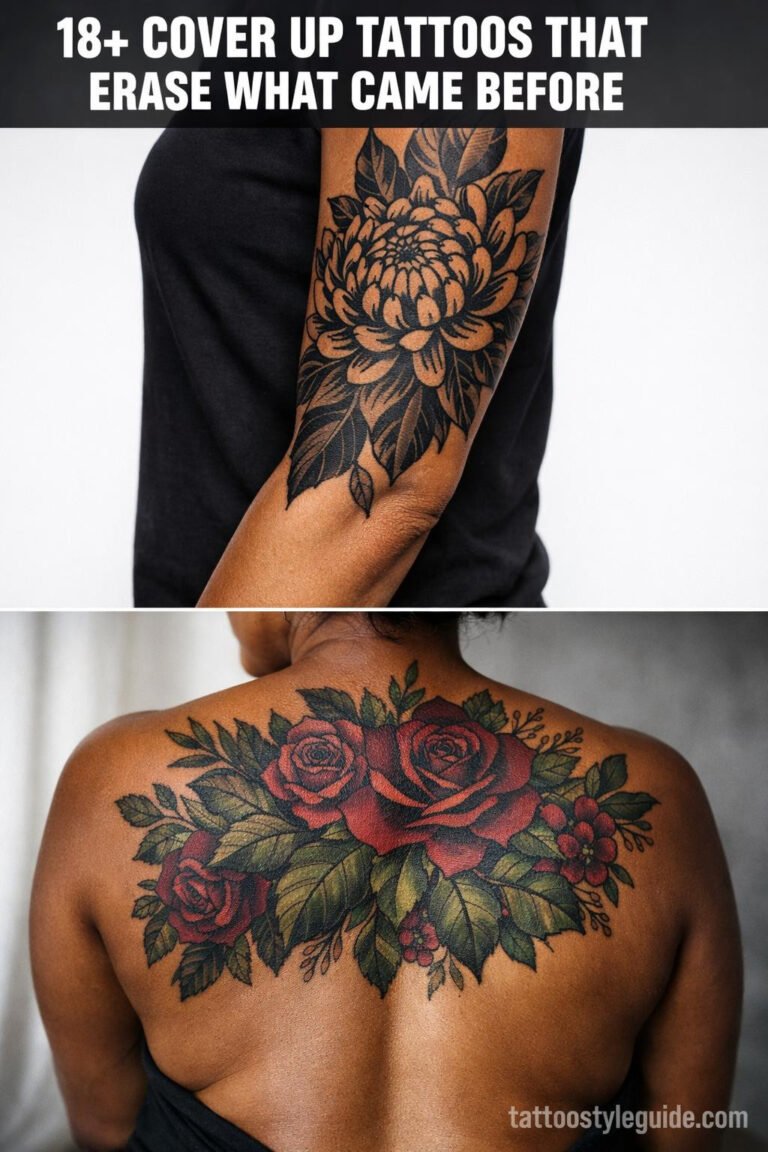
I tattoo over laser-treated skin regularly. Healed removal sites take ink differently, sometimes more easily, sometimes with unpredictable saturation. Freshly lasered skin needs to wait. I won’t touch an area until it’s been at least three months post-final session, and I inspect it like I’m buying a used car. Is it flat? Even color? No lingering sensitivity? If the skin’s still reactive, the tattoo won’t settle right.
Partial removal is often smarter than full removal for cover-ups. Fading the existing tattoo enough that I can work new design over it preserves skin integrity and costs less. I’ve had clients spend thousands on full removal, scar the area slightly, then need me to design around the damage anyway. Talk to your tattoo artist before you’re committed to full clearance. We might save you money and skin.
Key Takeaways
Scarring from laser tattoo removal is possible but not inevitable. Most people who follow proper aftercare, choose experienced practitioners, and have realistic expectations heal without significant issues. Your skin type, the tattoo’s location and density, the operator’s skill, and your own discipline with aftercare all play roles you can partially control. Laser removal is a commitment of months or years, not a quick fix, and the skin you have at the end matters as much as the ink you lose. If you’re considering removal, consult multiple providers, ask about their experience with your skin tone specifically, and plan for the healing as carefully as you planned for the original tattoo.
Frequently Asked Questions
How long should I wait between laser removal sessions?
Most reputable technicians schedule sessions 6 to 8 weeks apart. Your body needs time to flush the shattered ink particles and for the skin to fully recover. Rushing sessions increases scarring risk and doesn’t actually speed up overall removal.
Can I get a new tattoo over a laser removal scar?
Yes, but timing matters. Wait at least three months after your final laser session, longer if the skin still looks pink or feels sensitive. Raised keloid scars are harder to tattoo over cleanly and may require design adjustments from your artist.
Why does my skin look worse before it looks better?
Blistering, scabbing, and pronounced redness are normal parts of the process. The laser creates controlled damage that your body responds to with inflammation. Most of the visible trauma resolves within 2-4 weeks, though subtle pinkness can persist for months.
Is laser removal more likely to scar on certain body parts?
Yes. Areas with thin skin and little underlying fat, wrists, ankles, collarbones, fingers, are more vulnerable to texture changes from aggressive treatment. Skin over joints that stretches and moves frequently also heals more slowly and with more complication risk.
Related Tattoo Guides
- Can You Get Laser Hair Removal Over a Tattoo?
- DIY Tattoo Removal: What Actually Works and What Doesn t
- Does Color Tattoo Hurt More Than Black and Gray?
- Explore more