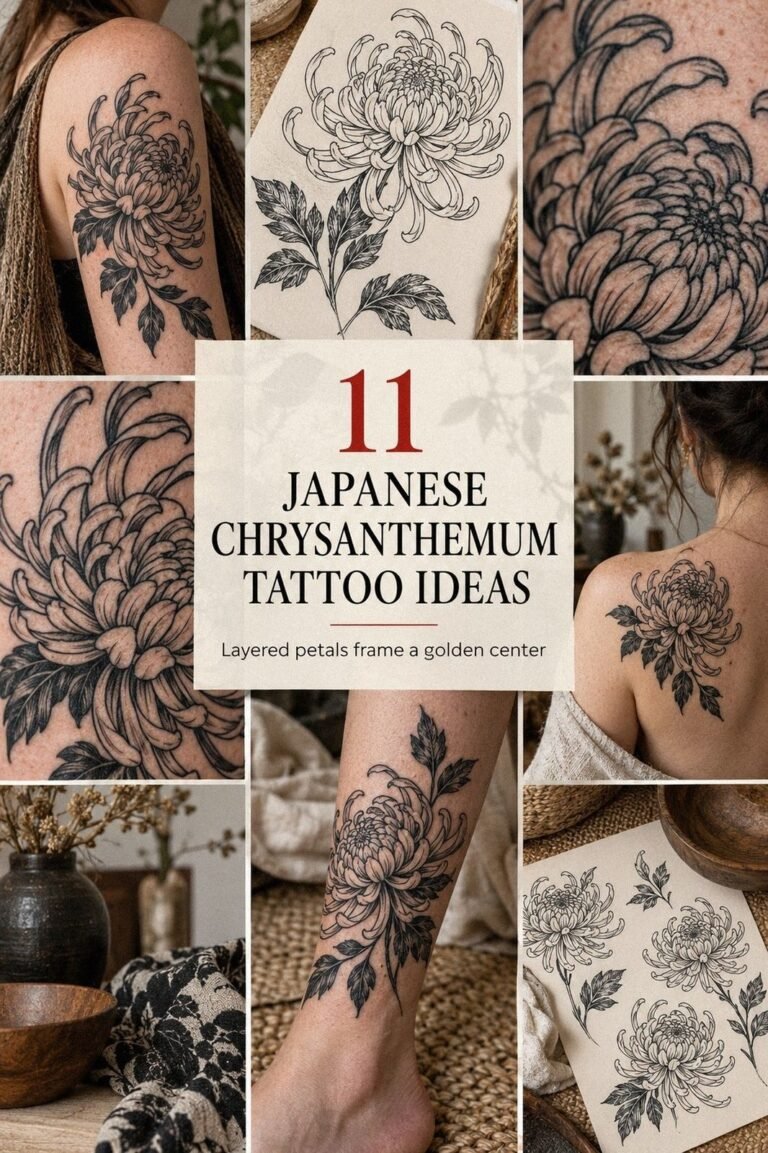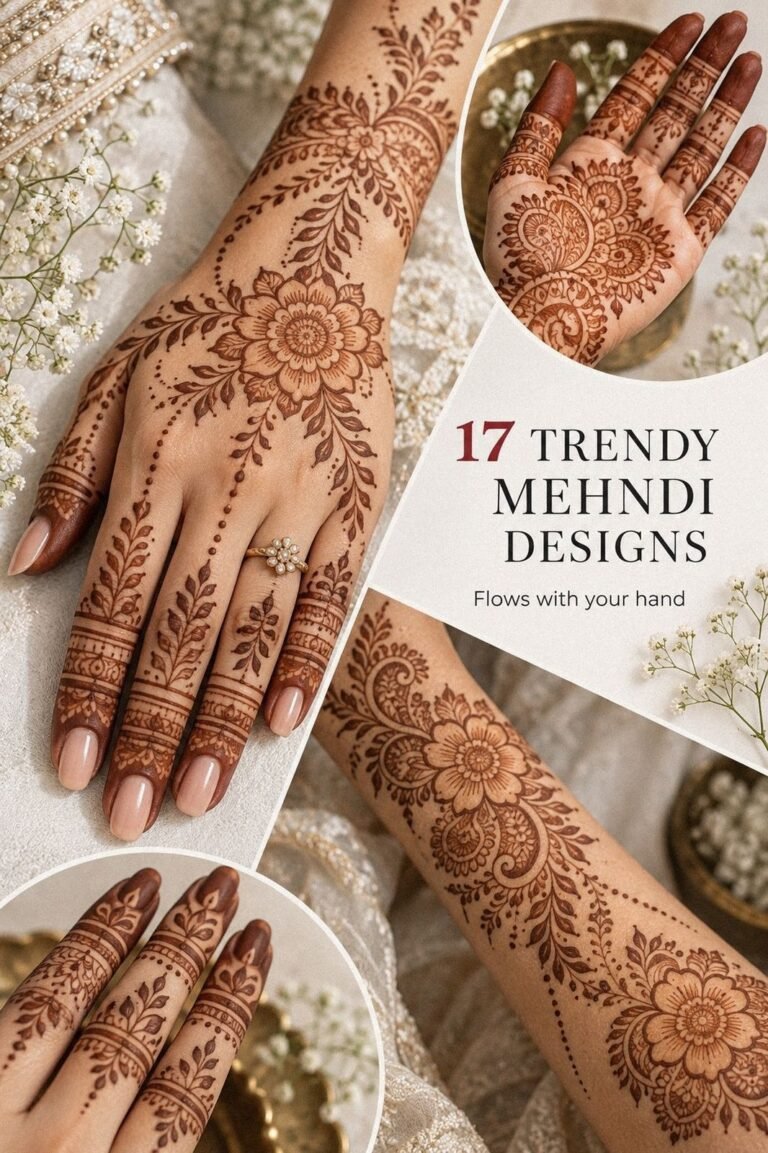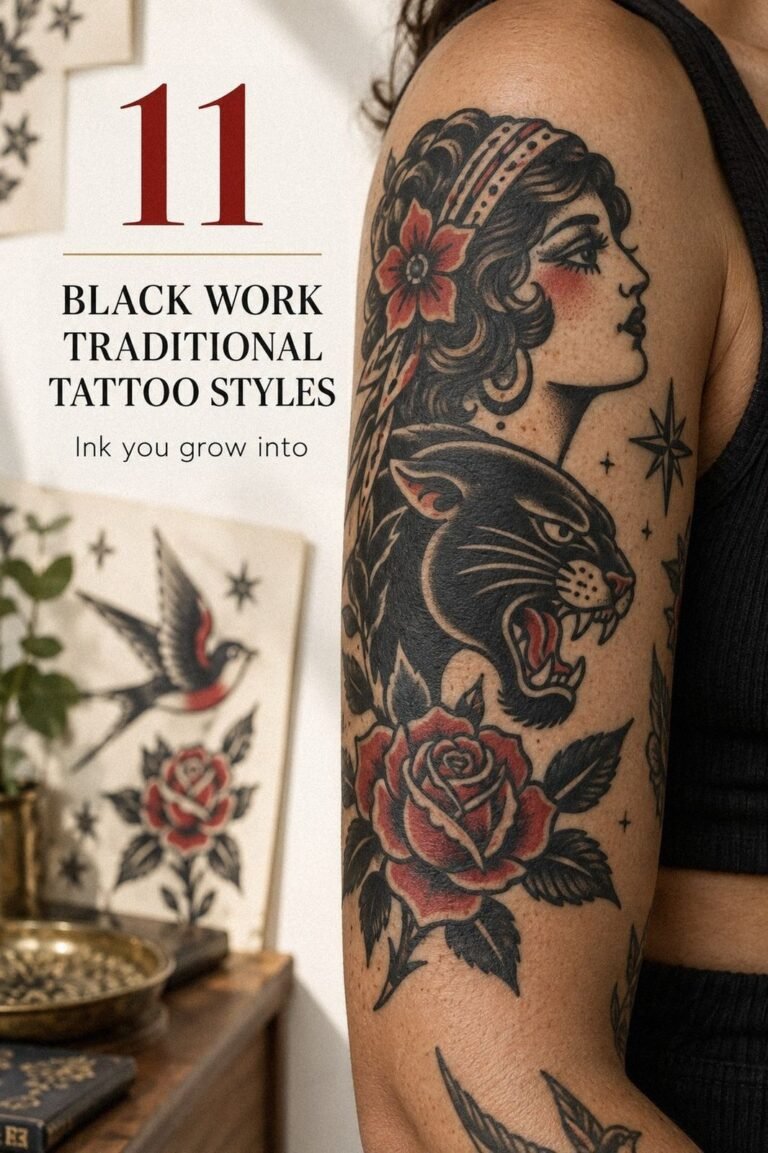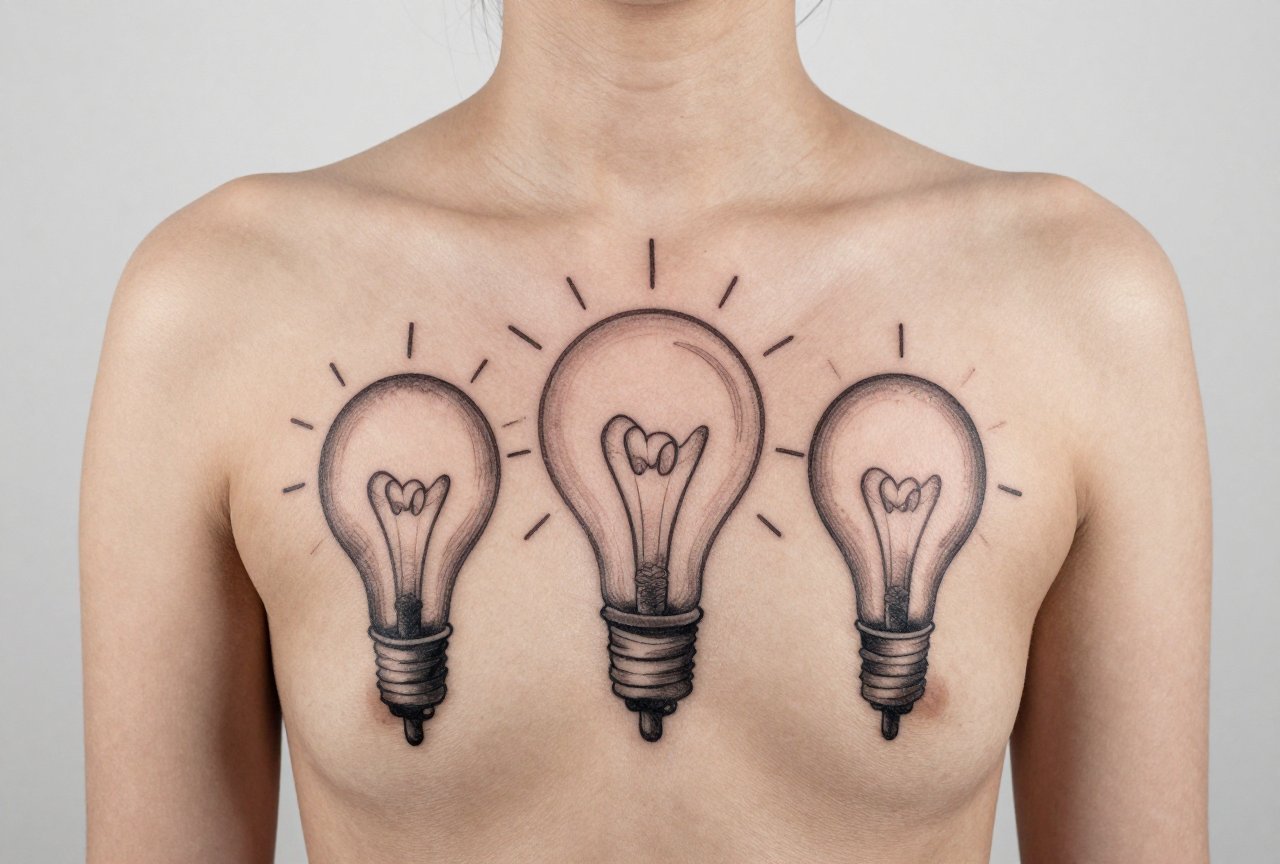
I’ve had women sit in my chair for fifteen years now, and the one thing that hasn’t changed is the question: “What should I get?” Not where, not how big, what. The good news? There’s no shortage of awesome tattoo ideas for women that hold up over time. The bad news? Pinterest boards age faster than ink on skin. I’ve seen trends come and go, feather-dreamcatcher combos, infinity symbols with birds flying off, the tiny finger tattoos that half of them come back to cover. What works is personal, well-placed, and designed for your actual body, not a flat screen. Let me walk you through what I’ve learned actually works.
Popular Styles That Women Actually Commit To
Style matters more than subject. I’ve tattooed a hundred roses, and the ones that still look good ten years later are the ones where the style matched the person’s energy. Here are the styles I see women return for again and again.
Fineline and Single-Needle Work
This is the stuff that blows up Instagram. Hair-thin lines, delicate detail, almost like a pencil sketch on skin. I’ve done fineline botanicals on wrists, collarbones, behind ears, places where the client wants something visible but not loud. The reality? It fades faster than bold work. I always tell clients: “This will look amazing for two years, then we’ll need to thicken it.” That’s not a dealbreaker. It’s maintenance. If you’re okay with touch-ups, fineline is gorgeous. If you want set-it-and-forget-it, go bolder.
Traditional and Neo-Traditional
Don’t sleep on this. Women get some of my best traditional pieces, snakes, daggers, panthers, bold roses with heavy black outlines. The colors stay saturated for decades. I’ve got a client who got a traditional swallow on her ribs at nineteen; she’s thirty-four now and it still reads clear from across a room. That’s the magic of thick lines and limited color palettes. Neo-traditional gives you more detail, more shading gradients, but keeps that structural integrity.
- Black and grey realism: portraits, animals, dramatic lighting
- Japanese (irezumi): koi, cherry blossoms, dragons, full sleeves or large back pieces
- Ornamental: mandalas, lace patterns, geometric frameworks that follow body curves
- Illustrative: storybook quality, softer than traditional but more structured than fineline
Design Ideas That Mean Something
I don’t push meaning on anyone. Some people want a tattoo because it looks cool, and that’s valid. But the designs I see women connect with deepest usually have a personal anchor. Here’s what’s been steady in my shop.
Botanical and Nature Themes
Flowers never go out. Never. But the specific flower changes. Peonies have been huge, lush, layered, they translate beautifully to shading. I’ve done wildflowers for women who want something less formal, something that feels picked not arranged. Leaves, vines wrapping around arms, ferns that follow the tricep curve. One of my favorites was a client who got her grandmother’s garden: tomato vines, marigolds, a little garden snake. We put it on her thigh where she could see it, where it had room to breathe.
Animal Totems and Pet Portraits
Butterflies are back, but not the tribal ones from the early 2000s. These are scientific illustration style, anatomically correct, sometimes with moth variations for the goth-adjacent crowd. Wolves, foxes, owls, predators with eyes that follow you. Pet portraits in black and grey, usually on the forearm or calf where the client can look down and remember. I always photograph the pet myself if possible, or work from their photos. The key is catching the animal’s specific weirdness, not a generic version.
- Celestial: moons in all phases, constellations mapped to actual birth dates, suns with faces
- Script and lettering: handwritten notes from family, coordinates of meaningful places, single words in the client’s own handwriting
- Abstract and watercolor: color splashes without black outlines, risky for aging but stunning when done right
- Minimalist symbols: tiny anchors, simple hearts, single-line drawings that take thirty minutes and last a lifetime
Best Placements for Women’s Tattoos
Placement is half the design. I’ve had clients bring me perfect artwork that dies on the wrong spot. Skin moves differently. Sun hits differently. Your jeans rub. Here’s where I see women happiest long-term.
High-Visibility Spots
Forearms are the new standard. Inner forearm for something personal, outer for display. I did a full floral wrap on a woman’s outer forearm last month, she’s a teacher, wanted it visible but not aggressive. Works perfectly. Collarbones are delicate but painful; I warn everyone that the bone vibration feels like dental work. Behind the ear for tiny pieces, but remember: you can’t see it. I ask clients, “Who is this for, you or everyone else?”
Hidden and Intimate Areas
Ribs. Oh, ribs. The most requested and most underestimated spot. I tell every first-timer: “This will hurt differently than you expect.” The skin stretches, the needle bounces off bone, the session takes longer because we have to stop more. But the results? A rib piece that follows the curve, that moves with breathing, it’s alive. Upper thighs for larger work that hides under professional clothes. Shoulder caps for pieces that peek from tank tops. Sternum and underboob areas for the brave; the healing is annoying (bras, sweat, friction) but the visual impact is undeniable.
- Ankles and feet: popular, but I warn about ink fall-out and the pain of bone proximity
- Hands and fingers: I do them, but I make clients sign extra waivers; these fade fast, blur easily, and limit some careers
- Upper back between shoulder blades: great for symmetrical pieces, meditative to tattoo, easy to heal
- Spine: stunning vertical designs, but the bone sensitivity is real; bring snacks and patience
Color Choices That Last
Black and grey ages like a photograph. Color ages like a t-shirt. That’s the simplest way I put it. But color has its place, and some choices hold better than others.
Black is the foundation. Every tattoo needs black somewhere, even “all-color” pieces. I use black for outlines, for contrast, for the details that keep a tattoo readable at ten feet. Dark blues and deep greens age nearly as well as black, navy, forest, emerald. Reds fade to pink. Yellows disappear into skin tones on lighter clients. Purple splits the difference; I’ve seen ten-year-old purples that still pop.
White ink? I talk clients down from this regularly. It yellows, it disappears, it looks like a scar half the time. If someone insists, I do it as highlight over other colors, not standalone. Pastels are the riskiest choice. That soft pink watercolor look? Beautiful day one, muddy year three. I had a client come back furious that her “soft aesthetic” tattoo looked like a bruise. I had warned her. We went darker on the touch-up, and she’s happy now.
- Stick to saturated colors for longevity
- Limit color palette, three to four colors maximum for cohesion
- Consider your skin tone: darker skin makes color pop differently, needs different saturation levels
- Ask your artist for healed photos, not just fresh work
Tips for Choosing Your Tattoo
This is the part where I get honest in consultations. I’ve saved clients from bad decisions, and I’ve watched others ignore advice and regret it. Here’s what I tell every woman who sits down.
Research Your Artist Deeply
Not just Instagram. Go to the shop. Look at healed work if they’ll show it. Ask about their specialty. I turn down requests outside my wheelhouse, I want you to find the person who lights up when you describe your idea. A floral specialist will do your peony better than I will. A lettering expert will make your grandmother’s handwriting perfect. The best tattoo isn’t from the closest shop; it’s from the right artist.
Live With the Idea
I have a six-month rule for big pieces. Not because you’ll change your mind, because your first idea is rarely your best. I had a client who wanted her ex’s initials covered. Original tattoo? Three weeks into the relationship. The cover-up? Three years of planning, and it’s a phoenix that actually means something. Small tattoos can be spontaneous, but anything over palm-sized deserves time. Draw it on yourself. Take a photo every day. Boredom means skip it; growing attachment means go.
- Consider your future honestly: career paths, potential pregnancy body changes, weight fluctuations
- Budget properly: good work isn’t cheap, cheap work isn’t good; I charge for years of skill, not just hours
- Plan for the session: eat beforehand, bring water, wear comfortable clothes that expose the area
- Follow aftercare exactly: I’ve seen beautiful work ruined by swimming too soon or picking scabs
Final Thoughts
I’ve tattooed lawyers and strippers, grandmothers getting their first at sixty and eighteen-year-olds with full sleeves already planned. The awesome tattoo ideas for women aren’t about gendered designs, butterflies for girls, skulls for guys. That’s dead thinking. The best tattoos are about fit: the right design, the right placement, the right artist, the right timing. I’ve watched clients cry happy tears and regretful ones. The difference is almost always preparation versus impulse.
Come to your consultation with ideas, not demands. Trust your artist’s technical knowledge about what will work on your skin, your body, your lifestyle. And remember: this is permanent, but it’s also just skin. It can be added to, adjusted, sometimes covered. The goal isn’t perfection on day one. It’s a piece that grows with you, that looks better because it has history. That’s the tattoo I want to give you.
Frequently Asked Questions
How much should I expect to pay for a quality tattoo?
Small simple pieces run $150-300 in most cities. Palm-sized work with detail is usually $400-800. Large pieces like sleeves or back pieces are priced by session, typically $500-1500 per sit. I charge by the piece for anything under three hours, by the hour for larger ongoing work. Never bargain shop, this is permanent.
Will a tattoo stretch if I get pregnant or gain weight?
Some areas stretch more than others. Stomach, hips, and upper thighs change most. I’ve tattooed women before and after pregnancy, and rib or back pieces usually survive fine. If you’re planning pregnancy soon, I’d wait on abdominal work or choose a spot that’s less affected.
How do I know if a tattoo idea is too trendy?
If you’ve seen it on ten Pinterest boards this month, pause. I tell clients to imagine their tattoo at age fifty. If the idea feels silly then, reconsider. Trends that last, botanicals, animals, personal symbols, have centuries of history. Flash-in-the-pan trends usually involve copying a celebrity’s exact piece.
What’s the most painful spot you’ve tattooed on a woman?
Ribs and sternum are consistently the worst in my experience. The skin is thin, bone is close, and there’s no fat padding. Ankles and feet are close behind. Most women handle upper arms, thighs, and outer forearms well, these have more muscle and fewer nerve endings near bone.
More Tattoo Ideas
- Tato Design Tattoo Ideas
- Classic Tattoo Designs That Never Go Out of Style
- Awesome Tattoo Designs That Actually Work
- Explore more