I’ve had folks walk into my shop for fifteen years asking for “something with tato design”, sometimes they mean traditional Polynesian work, sometimes they want the word itself, sometimes they’re after that bold, graphic block-letter look that dominated early 2000s flash sheets. Whatever brought you here, let’s break down what actually works on skin, what ages well, and what I’ve watched clients regret after the honeymoon phase with their new ink.
Popular Styles
Not every style handles text or pattern work the same way. Skin moves, stretches, and sun hits it differently depending on where you live and what you do for work. Here’s what I’ve seen hold up.
Polynesian and Tribal Influences
Real Polynesian tatau is sacred, passed down through families, and tied to specific cultural narratives. I’ve tattooed clients who’ve done the research, sat with practitioners, and earned their patterns. I’ve also turned away folks who wanted “something tribal-looking” without understanding the weight. If you’re drawn to this aesthetic, do the work. Find an artist who specializes, not someone who downloaded a flash sheet in 2004. The solid black work ages beautifully, I’ve seen twenty-year-old Polynesian pieces that still read crisp because the saturation was done right and the client stayed out of the sun.
Old-School Bold and Lettering
The word “tato” or “tato design” rendered in thick, clean lines with maybe a banner or some roses, this is bread-and-butter shop work. I did three of these last month alone. The trick is negative space. You need enough skin showing through to keep the letters readable at five feet. Too dense, and in five years it blobs together. I tell clients: imagine your grandpa’s navy tattoo, not a photograph. Bold holds. Delicate fades.
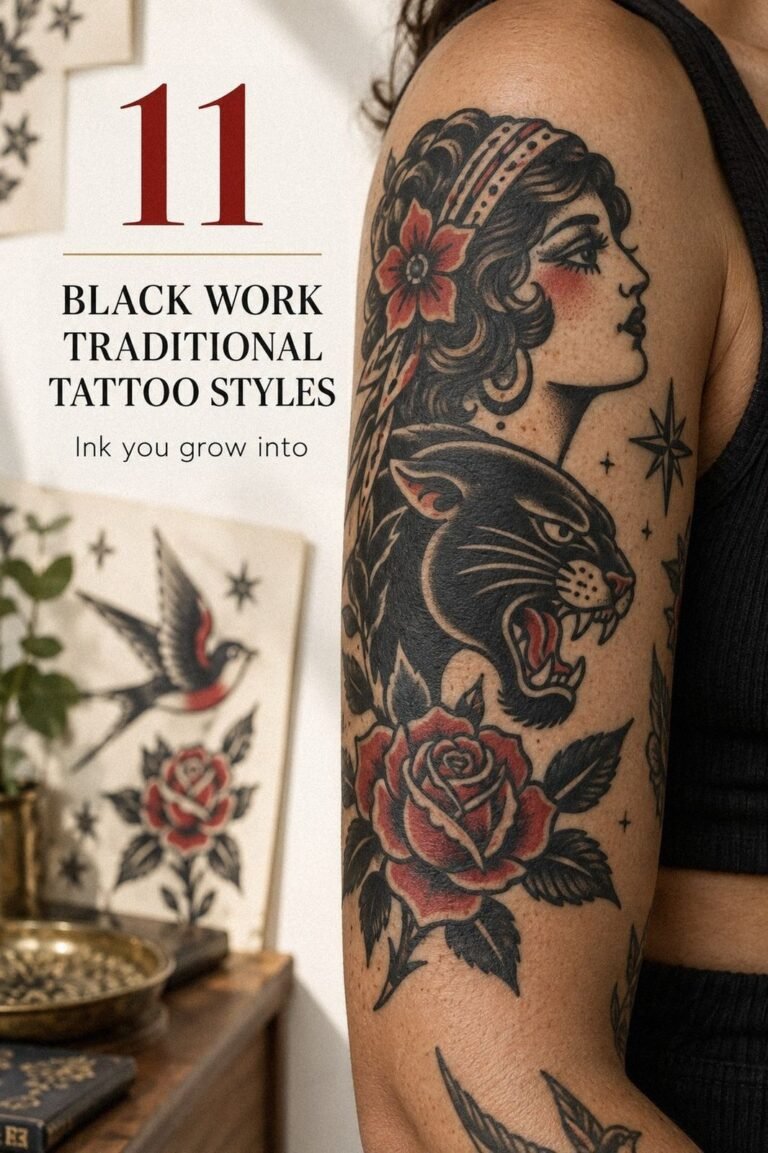
- Traditional American: thick outlines, limited color, high contrast
- Blackwork: solid fill, geometric patterns, strong aging
- Script and lettering: custom drawn, never straight from a font book
Design Ideas
Clients freeze up here. They know they want something meaningful but can’t picture it. I keep a sketchbook of abandoned ideas, concepts clients started and never finished. Sometimes we pull from those, remix them. Here are directions that actually work.
Personal Symbolism
One guy I tattooed for years had “tato” worked into a piece memorializing his grandfather, who called everyone “tato” as a kid. We hid the letters inside a pocket watch face, distorted the way old glass bends light. He cried when he saw the stencil. That’s the goal, not the word itself, but what it carries. Think objects that hold memory: a specific tool, a location, a time of day.
Abstract and Pattern-Based
Some of my favorite tato design work doesn’t read as text at all. Block letters deconstructed into geometric shapes, repeating patterns that suggest letterforms without stating them. This works great for clients who want private meaning, something they understand but strangers don’t immediately parse. The healing on these is trickier; lots of small solid areas that can scab thick. I warn people: you’ll panic at week two when it looks terrible. Trust the process. Don’t pick.
- Deconstructed letterforms hidden in larger compositions
- Pattern work that references text without using it
- Mashups: tato design elements mixed with unrelated imagery for personal narrative
Best Placements
Where you put it changes everything. I’ve watched identical designs live or die based on placement alone.
High-Visibility Spots
Forearms, calves, upper chest, these get seen. They also get sun. I tattooed a “tato” piece on a guy’s forearm in solid black, gorgeous crisp lines. He farms. Two years later it was gray-green. Not my fault, but I felt it. Now I ask about work, hobbies, sunscreen habits. If you want forearm text, commit to SPF or accept the fade. Inner bicep ages better but hurts more, skin’s thinner, nerves closer. Trade-offs everywhere.
Hidden or Protected Areas
Ribs, thighs under shorts line, upper back under shirt collar. These spots preserve ink longer because they’re not baking daily. The rib piece I did for a chef, “tato” worked into a knife handle, still looks fresh at eight years because she’s always in a coat. Thighs are underrated for text work. Lots of real estate, skin’s relatively stable, easy to show or cover. I did a full thigh piece last year, geometric tato design, and the healing was clean because the client could wear loose pants and not mess with it.
- Forearm: visible, social, but sun-exposed
- Inner bicep: protected, painful, intimate
- Thigh: versatile, good for larger compositions
- Ribcage: hidden, challenging to heal, striking when shown
Color Choices
Black is the default for good reason. It stays. But color has its place in tato design work, and I’ve learned when to push for it and when to talk someone down.
Black and Gray
The shop standard. Black ink on skin, healed, is actually a very dark blue-green, that’s the carbon base interacting with your melanin. Gray is just black diluted. For tato design work, especially text or pattern, I almost always start here. It photographs well, ages predictably, and touch-ups are straightforward. I’ve had clients come back fifteen years later for a refresh; we go back in, hit the lines, and it’s like new. Can’t always do that with color.
Strategic Color Accents
When I do use color in tato design pieces, it’s sparing. A single red rose with black text. A small yellow highlight that draws the eye to a specific letter. Color for emphasis, not for fill. I learned this from an old-timer in my first shop: “Color is the first thing to leave. Make sure the piece works without it.” Exceptions exist, if you’re dark-skinned, certain colors actually pop better than on pale skin, but you need an artist who knows pigment theory, not just someone with a rainbow of inks. I’ve seen magenta hold beautifully on deep skin tones where pastel pink would disappear entirely.
- Black: universal, timeless, easiest to maintain
- Red: bold accent, holds better than most colors
- Yellow and white: use for highlight only, expect significant fade
- Skin tone considerations: darker skin often carries bold colors better than muted ones
Tips for Choosing
After all these years, the consult is still my favorite part. Someone nervous, hopeful, carrying an idea they can’t quite articulate. Here’s how I guide them.
Research Your Artist
Look at healed work, not just fresh photos. Anyone can make a tattoo look good for the Instagram post. Ask to see something a year old. I keep a file of my own healed pieces specifically for this. If an artist won’t show you, walk. Style matters too, someone who kills at watercolor flowers might not be your person for bold lettering. I send script requests to my colleague two chairs down. No ego in it. Better the client gets the right artist than I practice on their skin.
Live With the Design
I tell people: print the stencil, tape it where you want it, look at it for two weeks. In the mirror every morning. Does it become invisible, or does it annoy you? That annoyance will become hatred. The client who did this with her tato design came back and we moved it three inches. She’d realized it sat weird with her muscle movement. Saved us both a cover-up later.
- Check portfolios for healed work, not just fresh
- Ask about the artist’s experience with your specific style
- Test placement with a temporary print before committing
- Consider your future self: career changes, body changes, taste changes
- Budget for quality: good work isn’t cheap, cheap work isn’t good
Final Thoughts
Tato design as a concept covers a lot of ground, cultural tradition, personal nickname, graphic aesthetic, something else entirely. What matters is that you walk out of the shop with work that feels like yours, done by someone who respected your skin and your story. I’ve got my own tato design piece, actually, hidden where most people don’t see it. A reminder from my apprenticeship, done by my mentor before he retired. It’s not perfect. The line weight wobbles in one spot. I love that about it. Perfect tattoos are for portfolios. Real tattoos are for living with. Choose yours with that in mind.
Frequently Asked Questions
How long does a tato design tattoo typically take to heal?
Surface healing takes two to three weeks, but the deeper skin layers need six to eight weeks before I’d call it fully settled. During that first month, keep it clean, don’t pick scabs, and stay out of pools or hot tubs. The way you heal directly affects how the final piece looks.
Will a tato design tattoo stretch if I gain muscle or lose weight?
Minor fluctuations won’t matter much, but significant changes, pregnancy, major weight loss, bodybuilding, can distort any tattoo. I generally avoid placing text or precise patterns on the belly, upper arms, or inner thighs if someone plans major body changes. Forearms and calves are more stable long-term.
Can I get a tato design tattoo if I have darker skin?
Absolutely. The key is finding an artist experienced with your skin tone who understands how pigment reads differently. Bold blacks and saturated colors often show better than soft pastels. Ask to see healed work on clients with similar skin tones before you commit.
How do I know if my tato design idea will age well?
Simplicity is your friend. I show clients their design blurred slightly, if it still reads, it’ll probably age okay. Extremely fine lines, tiny details, and heavy shading in small spaces tend to blur together over five to ten years. When in doubt, go bolder than you think you want.
More Tattoo Ideas
- Realistic Spider Tattoos: A Complete Style Guide
- Awesome Tattoo Designs That Actually Work
- Chicano Tattoos: Style Guide
- Explore more