
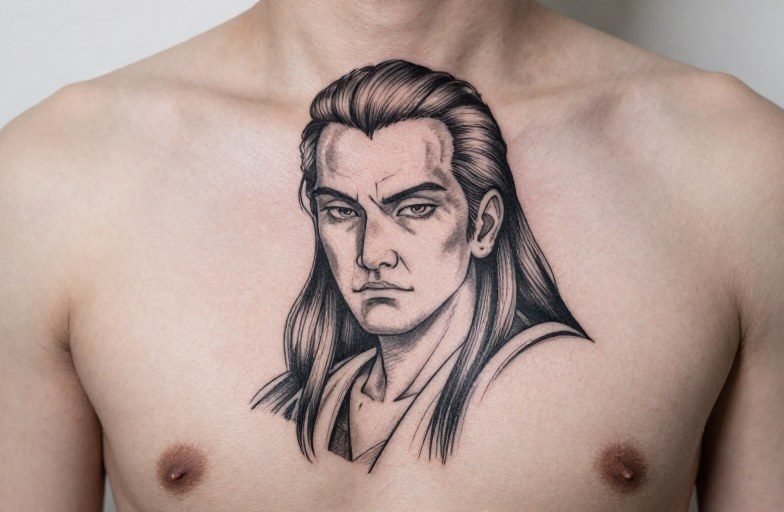
The nagumo tattoo depicts stylized clouds, often rendered in the traditional Japanese irezumi manner. this design represents transience, the impermanence of life, and the ever-shifting nature of fortune and fate. For many, it also carries undertones of aspiration and the dreamlike space between earth and sky.
Symbolism & History
Clouds in Japanese Visual Culture
Clouds in Japanese art are rarely mere background filler. The gumō or un motif appears in religious painting, woodblock prints, and textile design as a visual device that separates worlds, earthly and divine, past and present. In tattooing, nagumo (literally “enduring cloud” or sometimes interpreted as a specific rolling formation) often frames other imagery: dragons, phoenixes, or figures from folklore. The cloud itself becomes a carrier of meaning, suggesting movement, change, and the uncontrollable forces that shape a life.
The association with Buddhism runs strong. Clouds obscure and reveal; they mirror the concept of mujo, impermanence. A nagumo tattoo can function as a quiet nod to this philosophy without requiring explicit religious iconography. Some trace the specific nagumo rendering to Edo-period decorative traditions, where cloud bands were standardized into recognizable patterns for screen painting and kimono design. How directly this translates to tattooing is less documented, but the visual lineage is clear.
Weather, War, and Fortune
Historically, clouds also signaled practical knowledge. Sailors, farmers, and soldiers read the sky for survival. A nagumo design can carry this older resonance: respect for natural forces, the wisdom of observation, acceptance of what cannot be controlled. In some family crests (kamon), cloud variations appear, though the nagumo specifically is more common in broader decorative arts than in heraldry.
Common Variations & Styles
Traditional Japanese Approaches
The classic nagumo tattoo relies on specific technical execution. Outlines are typically bold, done with multiple-pass lining to achieve weight without blowout. Shading moves from saturated blacks through gray washes into skin-tone negative space, creating the illusion of volume and drift. The cloud’s interior often contains bora (gradation) rather than flat fill, giving it a soft, atmospheric quality that contrasts with the hard outline.
- Wind bars (kazehiki): Radiating lines behind or through clouds that suggest motion and directional force
- Background filler: Nagumo as secondary element behind primary subjects like dragons or oni
- Standalone bands: Clouds wrapping limbs or torso as continuous decorative patterns
Contemporary Interpretations
Modern versions loosen the traditional constraints. Some artists reduce the motif to minimal linework, single-needle clouds floating without background. Others incorporate color: soft pinks and oranges for sunset effects, or stark black-and-red contrast for graphic impact. Watercolor techniques, though controversial among traditionalists, have been applied to cloud imagery with mixed long-term results. The fine, diffused edges of watercolor tend to blur significantly over five to ten years, whereas traditional bold-line nagumo holds its readability.
Single-cloud designs on wrists, behind ears, or along collarbones have gained traction as smaller, more discreet options. These require careful scaling: too small, and the internal shading muddies; too large for the placement, and the proportions feel awkward.
Best Placements
Nagumo tattoos adapt to body contours remarkably well because clouds naturally follow organic shapes. The motif’s flowing, non-symmetrical nature suits areas that move and flex.
- Upper arm to chest (kikubori region): Allows for proper scale and connection to larger Japanese pieces; cloud can drift from shoulder toward pec or back
- Forearm: Works as a standalone band or as part of a sleeve; visible without being confrontational
- Thigh and calf: Excellent canvas for larger, more detailed formations with full shading gradation
- Ribcage/flank: The body’s natural curve complements cloud movement; painful placement but visually rewarding
- Back (upper or full): Permits the most ambitious compositions, often combined with other elements
Avoid placing highly detailed nagumo on areas with significant skin stretching or frequent sun exposure if longevity matters. Finger and hand placements degrade quickly; the fine internal shading that defines cloud volume is particularly vulnerable there.
Who Chooses This Tattoo / Personal Meanings
Practical Motivations
People drawn to nagumo often cite an attraction to Japanese aesthetic traditions rather than specific spiritual commitment. The design offers symbolic weight without the aggressive connotations of some irezumi imagery, no snakes, no demons, no explicit conflict. It suits those who want cultural connection with a softer visual presence.
Others choose clouds during periods of transition. The symbolism of change and impermanence resonates with relocation, career shifts, recovery from loss, or significant personal evolution. Unlike more literal commemorative tattoos, nagumo allows private meaning without explanatory burden.
Collector Context
Within serious Japanese tattoo collecting, nagumo frequently appears as connective tissue between larger pieces. A dedicated cloud tattoo, standalone, marks a different commitment: appreciation for the motif itself rather than its functional role in a broader composition. Some collectors begin with nagumo as an entry point into Japanese tattooing, planning later expansion into fuller work.
The design also attracts those outside Japanese heritage who are drawn to the aesthetic but wary of cultural appropriation missteps. Clouds, as natural phenomena rendered in a stylistic tradition, carry less charged cultural specificity than religious figures or clan symbols. Still, respectful execution matters, sloppy or decontextualized application of traditional techniques can read as touristic consumption regardless of subject.
Similar Symbols
Several tattoo motifs overlap with nagumo in meaning or visual function:
- Waves (seigaiha or nami): Also represent impermanence and natural force; often paired with clouds in traditional compositions
- Smoke: Shares visual language of formlessness and drift, but lacks the specific cultural grounding
- Celestial bodies (moon, sun): Frequently appear behind or within clouds; the combination amplifies themes of cycles and hidden/revealed
- Wind (fūjin imagery): The god of wind is often depicted with cloud and bag motifs; related but more explicitly narrative
- Abstract brushstroke tattoos: Contemporary minimal approach to similar concepts of movement and presence
Clouds and waves together form one of the most classic pairings in Japanese tattooing, representing the interplay of sky and sea, fortune’s rise and fall. A nagumo tattoo that incorporates wave elements at its edges connects to this deep tradition.
Final Thoughts
The nagumo tattoo endures because it balances accessibility with depth. Technically, it demands solid shading discipline and thoughtful placement to read properly over time. Symbolically, it offers enough specificity to matter and enough openness to accommodate individual interpretation. Whether as a modest single cloud or a sweeping atmospheric composition, it rewards the wearer who values the long arc of Japanese tattoo tradition over immediate trend.
Choose an artist with demonstrated experience in Japanese shading techniques. The difference between a cloud that holds its atmospheric quality for decades and one that sludges into gray ambiguity lies in needle grouping selection, wash consistency, and understanding how skin tone affects gray values. This is not a design to rush or discount-shop. The cloud may symbolize impermanence, but the tattoo itself should be built to last.
Frequently Asked Questions
Does a nagumo tattoo have to be part of a larger Japanese sleeve?
No. While clouds often connect elements in traditional sleeves, standalone nagumo tattoos work beautifully as smaller pieces. The key is giving the cloud enough space for proper shading gradation so it doesn’t look like a clip-art afterthought.
How well does gray-wash cloud shading age compared to solid black?
Gray wash in nagumo tattoos ages faster than bold black lines but better than very light or single-pass shading. Over years, the softest grays may fade toward skin tone, while the darkest areas hold. A skilled artist plans this progression, building contrast that remains readable even as subtle tones soften.
Can nagumo clouds incorporate color, or should they stay traditional black and gray?
Color is possible but changes the piece’s cultural register. Traditional Japanese tattooing does use color in clouds occasionally, red or gold accents appear in some classical painting sources. However, heavy color saturation moves the tattoo toward a different aesthetic. Discuss with your artist whether the color serves the design or merely decorates it.
Is there any risk of cultural appropriation with a nagumo tattoo if I’m not Japanese?
Clouds as natural motifs are less culturally charged than specific religious or clan imagery, but execution matters. Avoid combining nagumo with unrelated cultural symbols, respect the technical tradition, and choose an artist who understands Japanese tattooing as craft and history rather than surface style. Genuine appreciation shows in the quality of the work and the seriousness of the commitment.
Related Tattoo Meanings
- Nami Tattoo Meaning: Waves, Change Japanese Tradition
- Nicki Minaj Tattoo Meaning: Chinese Characters Explained
- Nigerian Tattoos and Meanings: Symbolism, Culture Design
- Explore more









