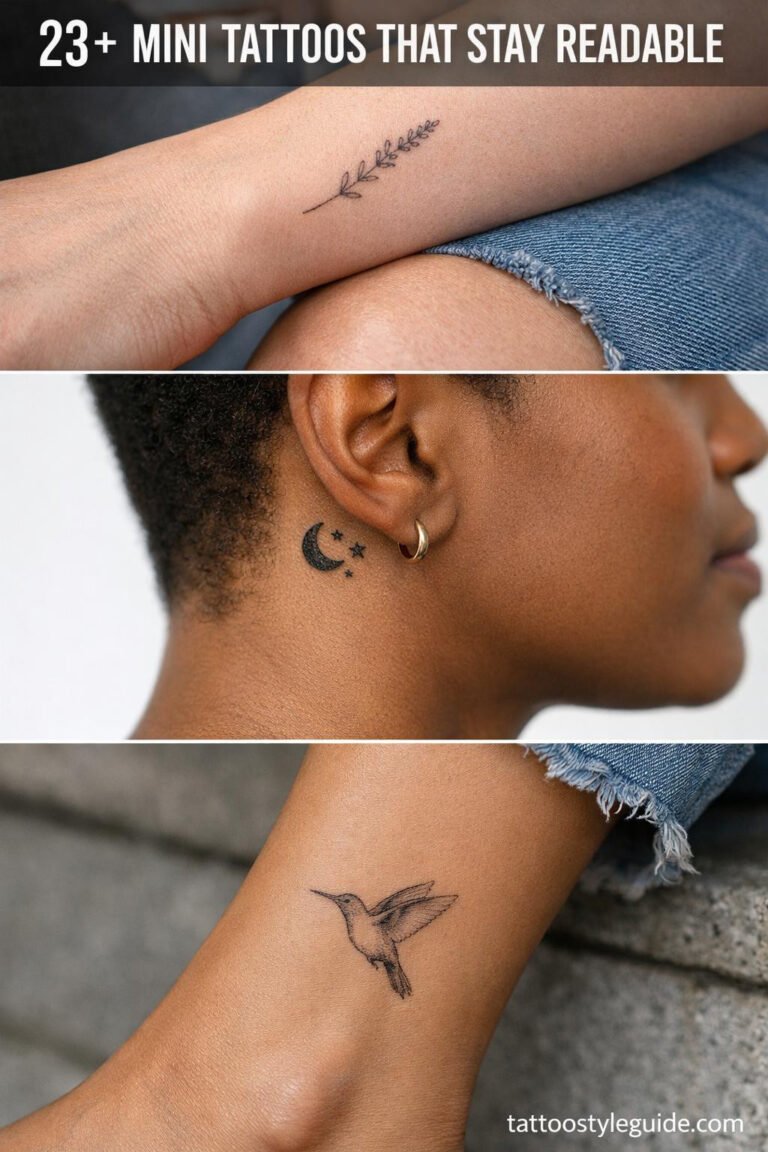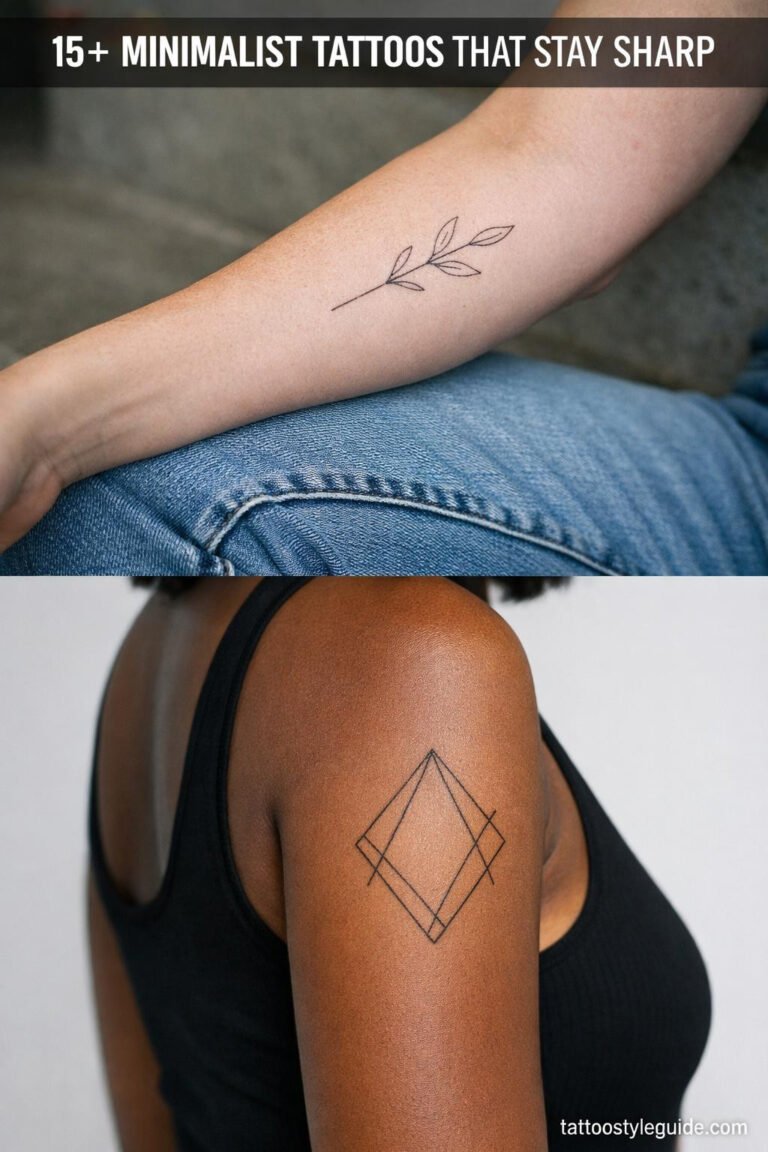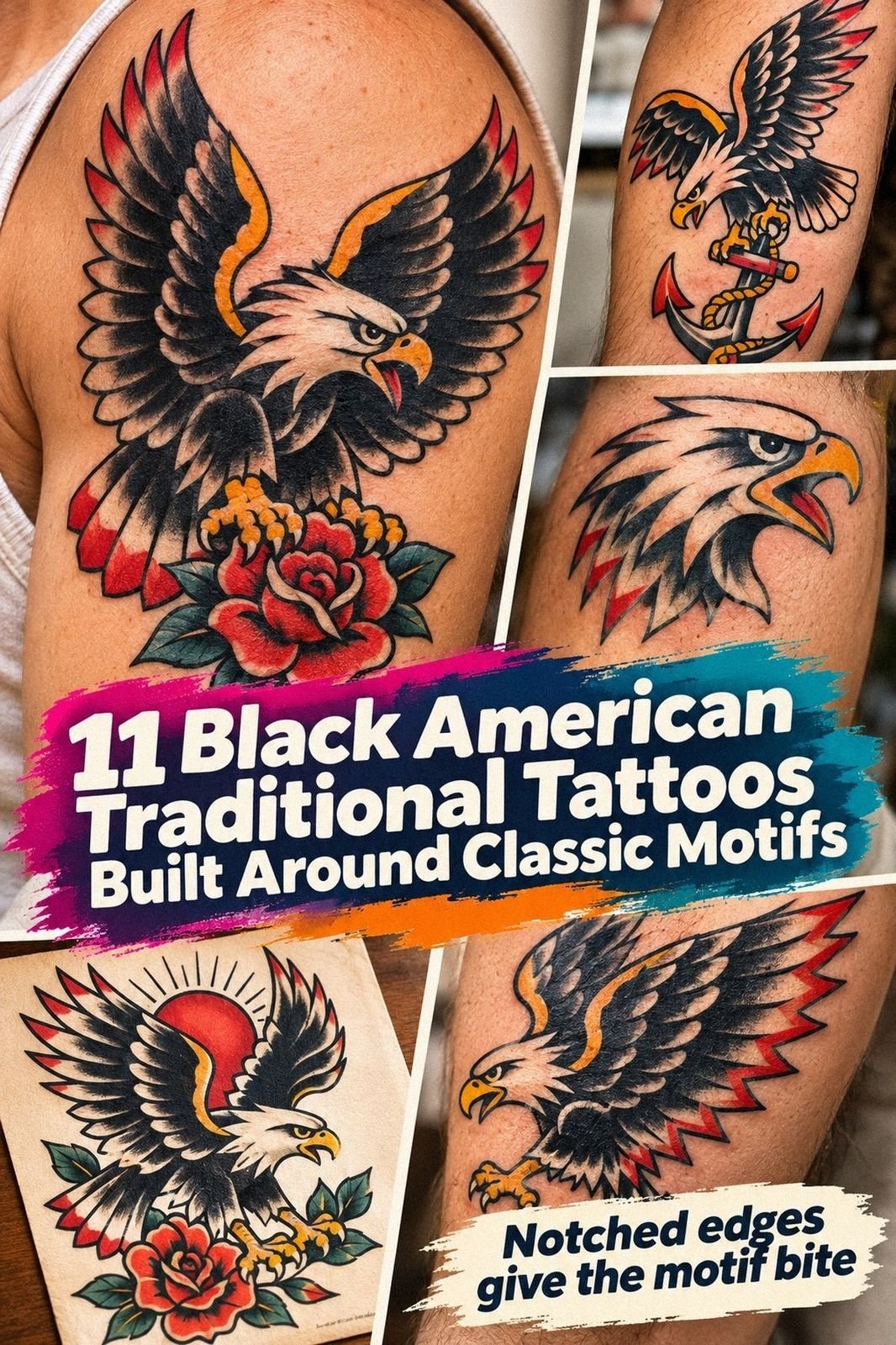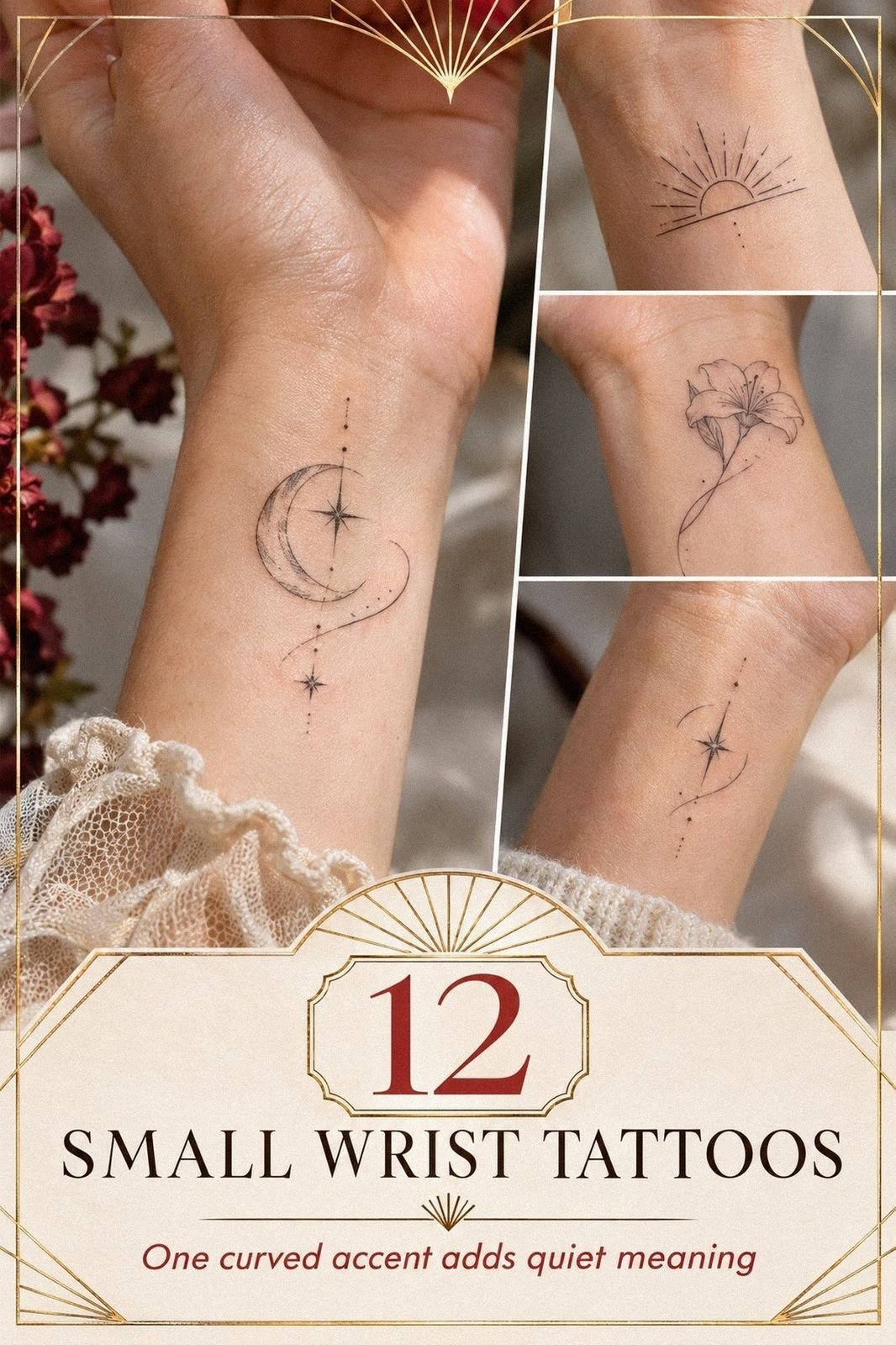
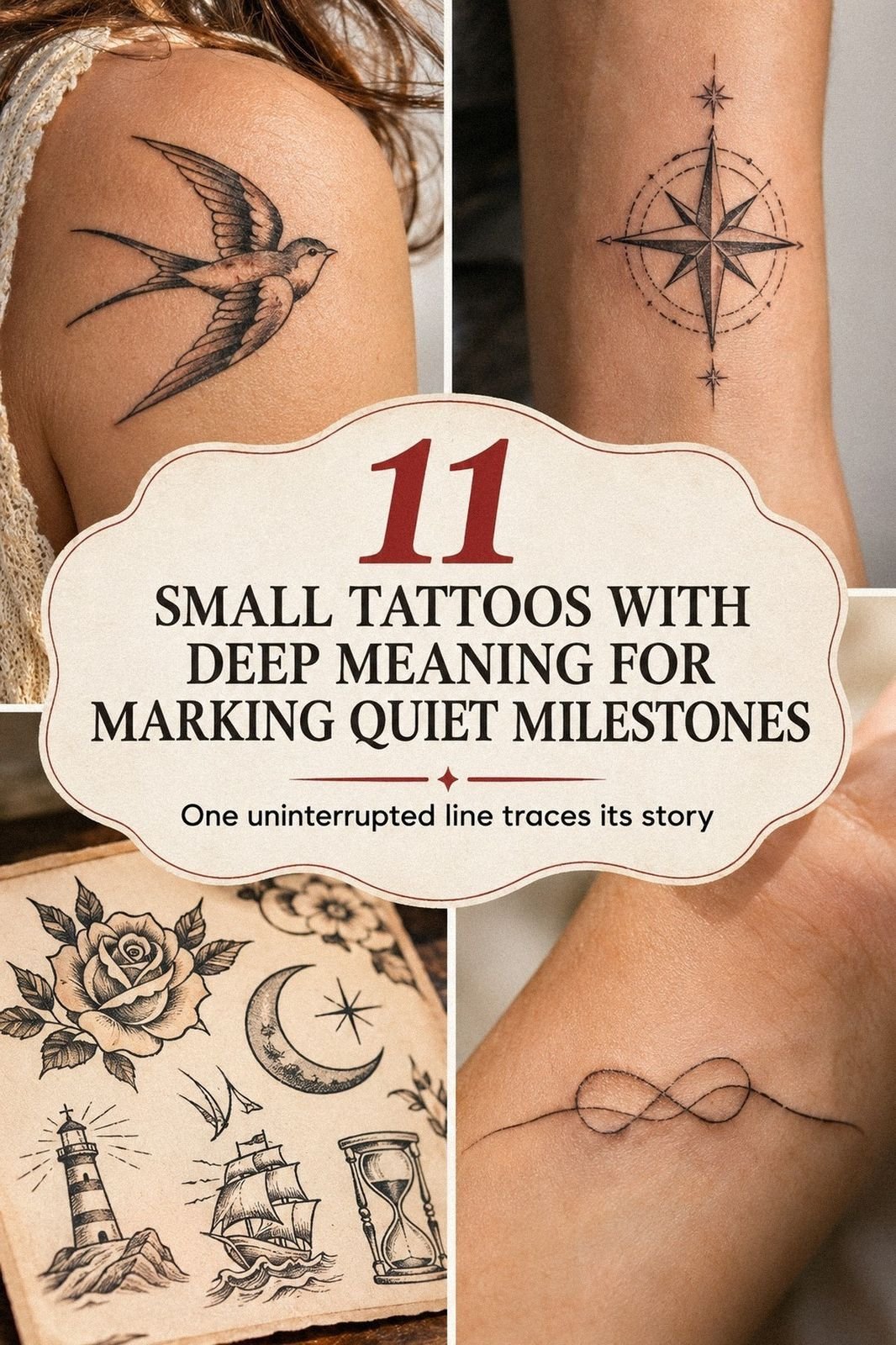
You want Small Tattoos With Deep Meaning that still read clearly years from now. I’ve seen people choose a symbol in ten minutes, then spend months wishing it felt more personal. This guide gives you a quieter process, from private memory to placement, lettering, healing, and final design. Start small, but think deeply!
- Start With A Symbol That Holds Personal Meaning
- Pick Little Linework For A Quiet Reminder
- Choose A Tiny Birth Flower With History
- Place Meaningful Ink Where It Feels Intimate
- Keep Lettering Crisp For Lasting Clarity
- Match Sacred Symbols With Your Life Story
- Select An Animal Tattoo That Represents Strength
- Plan Delicate Details Around Your Skin Tone
- Consider Pain Before Choosing Sensitive Placement
- Protect Fresh Ink Through Careful Healing
- Make Your Small Tattoo Unmistakably Personal
1Start With A Symbol That Holds Personal Meaning
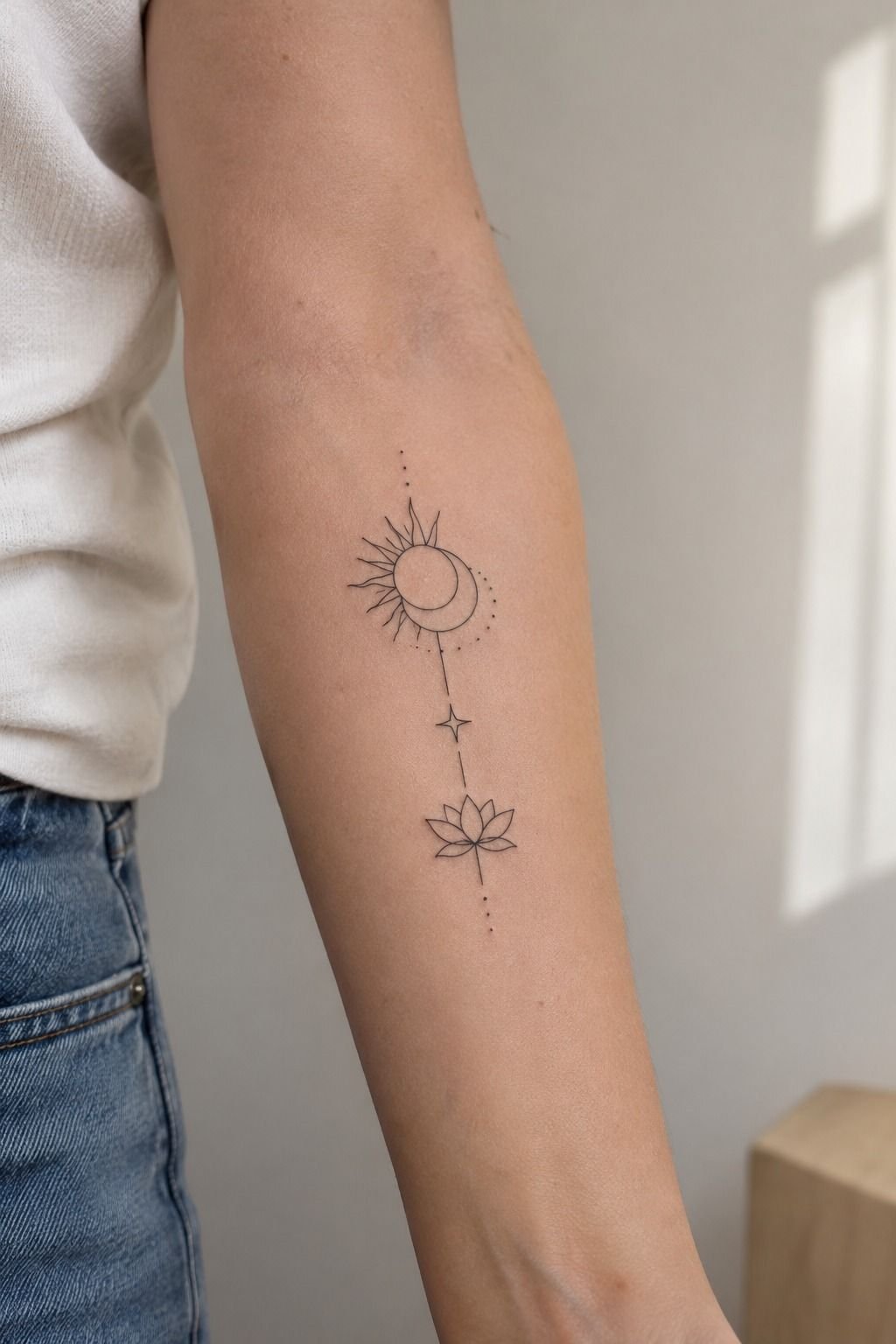
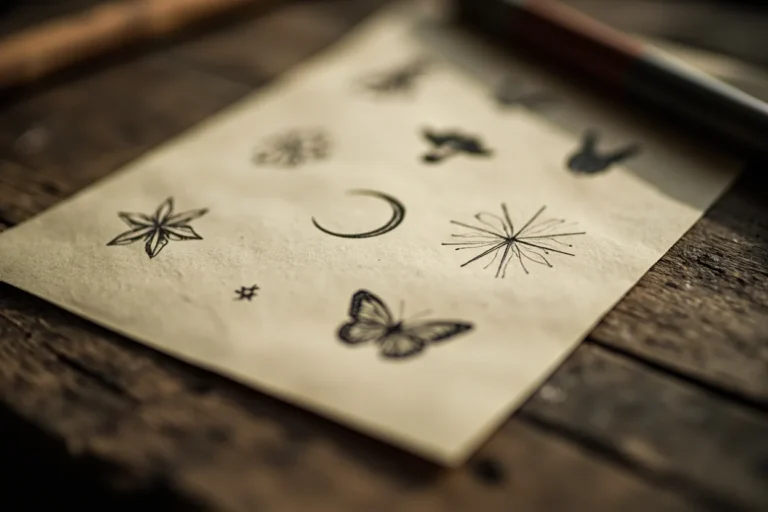
Begin with the memory, not the picture. A few stars of different sizes on a man’s fair cool-pink forearm can represent siblings, turning points, or people who helped you find direction. That arrangement feels symbolic because the meaning comes from your story, not from a generic star chart.
If you’re collecting Little Meaningful Tattoos, write down three memories before you search for references.
I’d call this the Three-Source Rule: one private event, one feeling, and one visual reference. My favorite designs have that combination. You might choose stars because you moved through a difficult year, because your grandmother loved astronomy, or because you want a reminder to keep looking upward.
Those reasons are more durable than a passing trend.
Ask yourself what you want to remember on an ordinary Tuesday. That question matters more than whether the symbol looks striking in a social media post. A fine-line star cluster can stay understated on the forearm, especially when each star has a different size and a little breathing room around it.
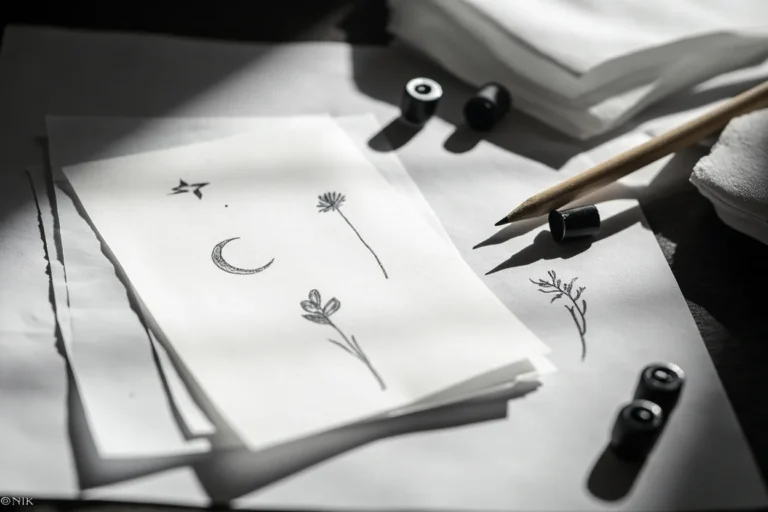
Keep your reference simple: a pencil sketch, a saved reference, and a one-sentence explanation. You don’t need a complicated collage. If you want more ideas, browse these tattoos symbolizing meaning before your consultation, then remove anything that doesn’t connect to your own life.
2Pick Little Linework For A Quiet Reminder
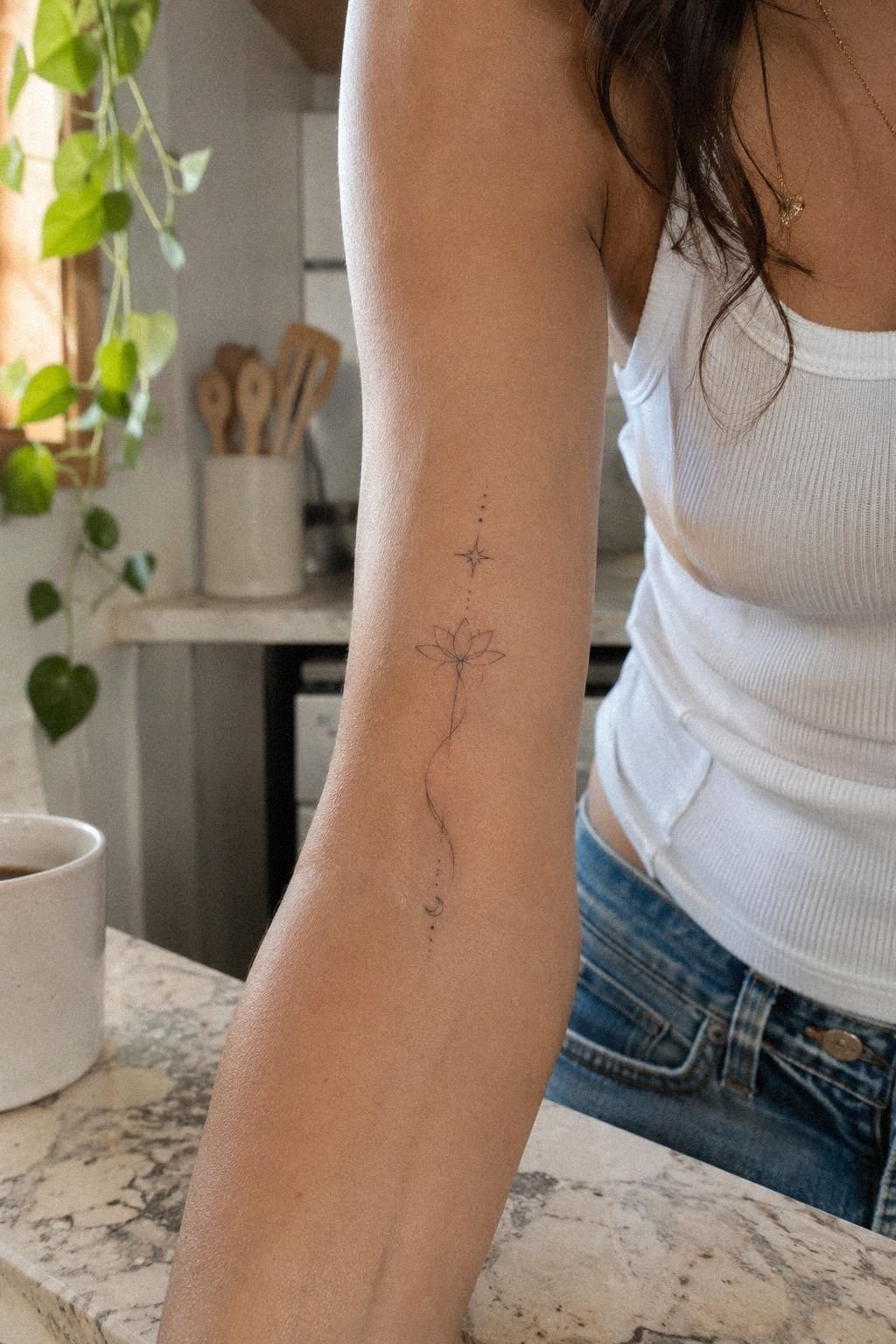
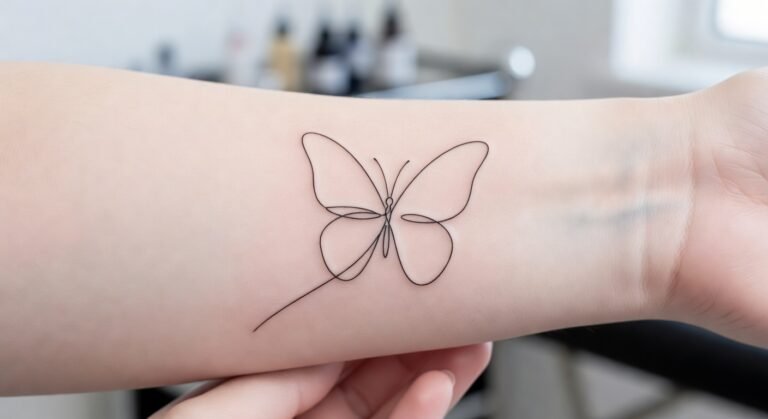
Choose linework when you want the tattoo to whisper rather than announce itself. A minimal mark with delicate spacing can feel intentional without becoming forgettable.
Ask your artist how the smallest details will hold up after healing. Trust the quiet idea!
3Choose A Tiny Birth Flower With History
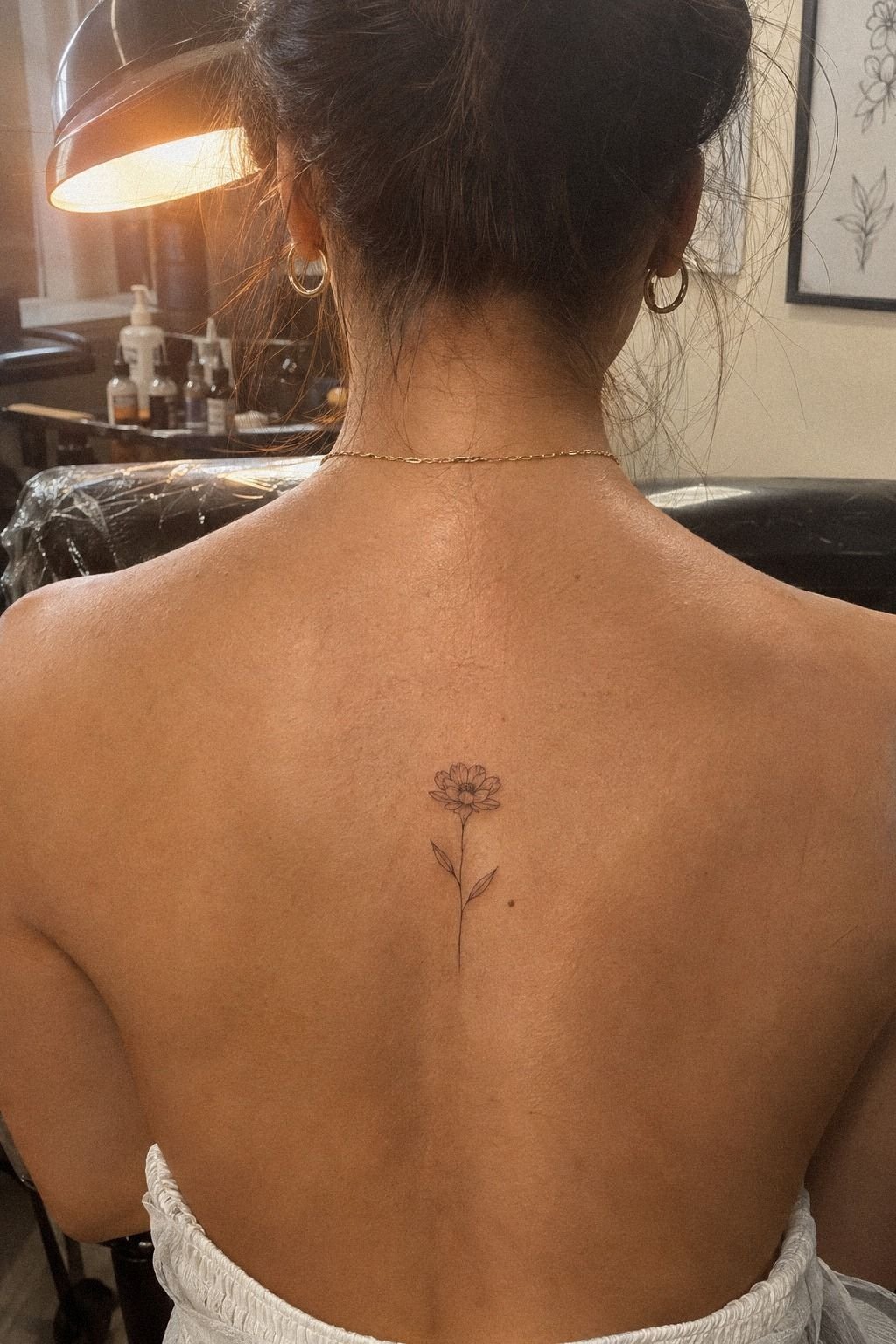
A single stemmed flower on the spine can carry more weight than a large bouquet. For medium olive skin, layered petals and a narrow stem create an intricate shape while keeping the design readable. Pick a flower connected to a month, a family member, or a place you still carry with you.
This is where a Birth Flower Memory Map helps. Write the flower, the person it represents, and one sensory detail beside it.
Maybe it’s the scent of jasmine near your childhood home, or the red petals your father kept in a glass. Your tattoo becomes more personal when the symbolism includes something only you would recognize.
I’d avoid forcing a flower because it’s popular. A rose may be classic, but it isn’t automatically right for your story. If a tiny violet, marigold, or anemone makes you pause for a real reason, that choice will feel more meaningful than a fashionable outline selected in a hurry.
Before you approve the stencil, ask to see the flower at the size it will be tattooed. The spine has a long, narrow path, so you’ll want the stem to follow it rather than sit awkwardly across it. For more ideas, explore tiny tattoos with meaning and save only flowers that still matter without a caption.
4Place Meaningful Ink Where It Feels Intimate
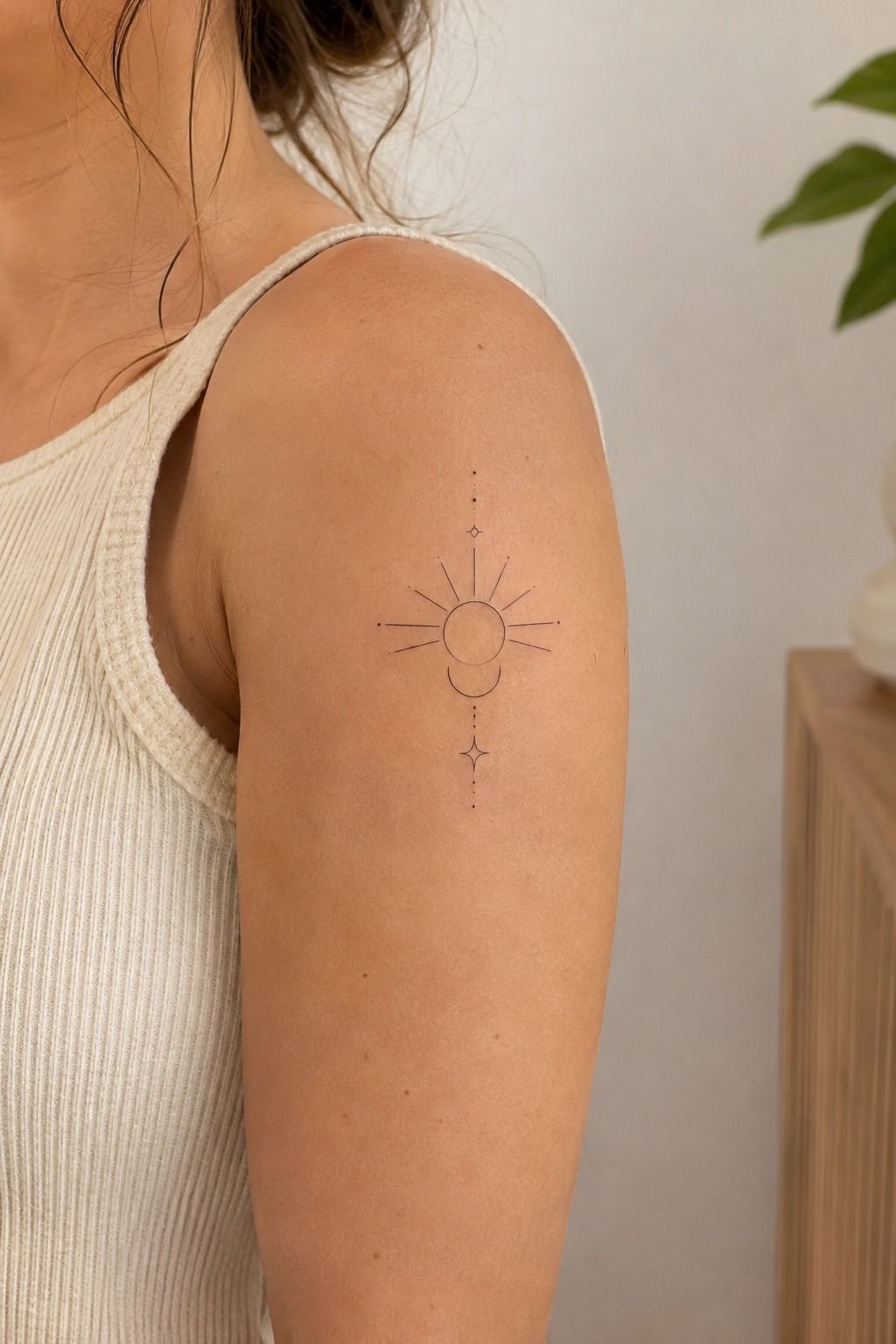
Placement changes the emotional volume of your tattoo. A fine-line mark on the ribs of a woman with golden tan skin can feel intimate because it’s usually covered and revealed by choice. You’re not only choosing where the design looks good; you’re choosing who gets access to the story.
Use a paper stencil first. Sit, bend, reach, and turn your torso while watching the design move. A balanced sketch can look tilted when the body shifts, and that small test may save you from a painful correction.
Your placement should feel natural in motion, not just beautiful while standing still.
Rib tattoos can be more painful because the area sits close to bone and has less padding. That doesn’t mean you need to avoid it, but you should plan a shorter session and arrive rested. An understated design with open space is often easier to place than a dense symbol that demands exact alignment.
If you want a private tattoo with a gentler session, compare the ribs with the outer forearm or upper thigh. You can read more about unique tattoos with meaning before choosing. The strongest placement is the one you’ll still feel comfortable revealing, covering, and living with every day.
5Keep Lettering Crisp For Lasting Clarity
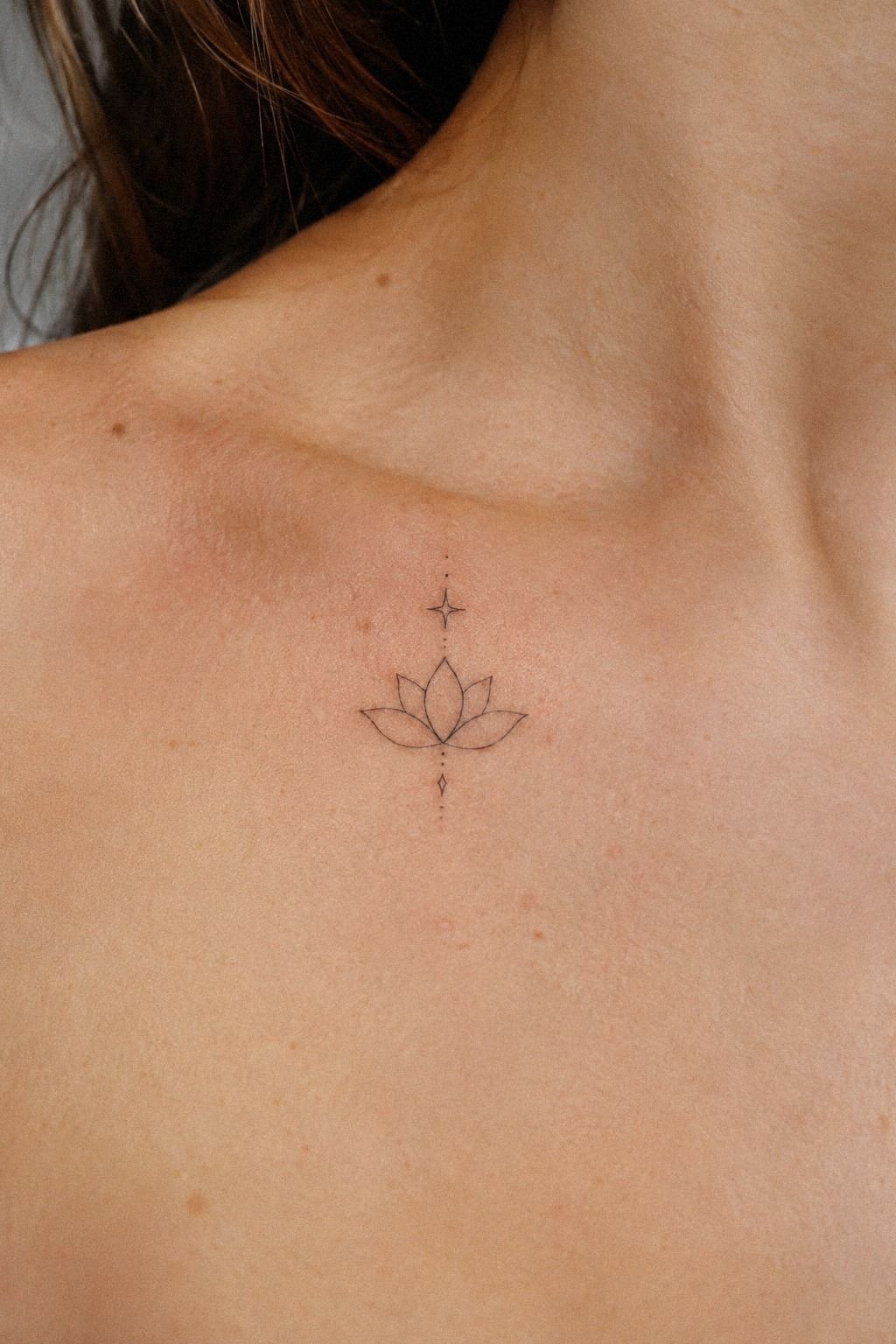
Lettering needs more room than most people expect. Small lettering should use clear shapes, restrained spacing, and a size that respects how skin settles. A crisp word is more useful than a crowded sentence that loses its edges over time.
6Match Sacred Symbols With Your Life Story
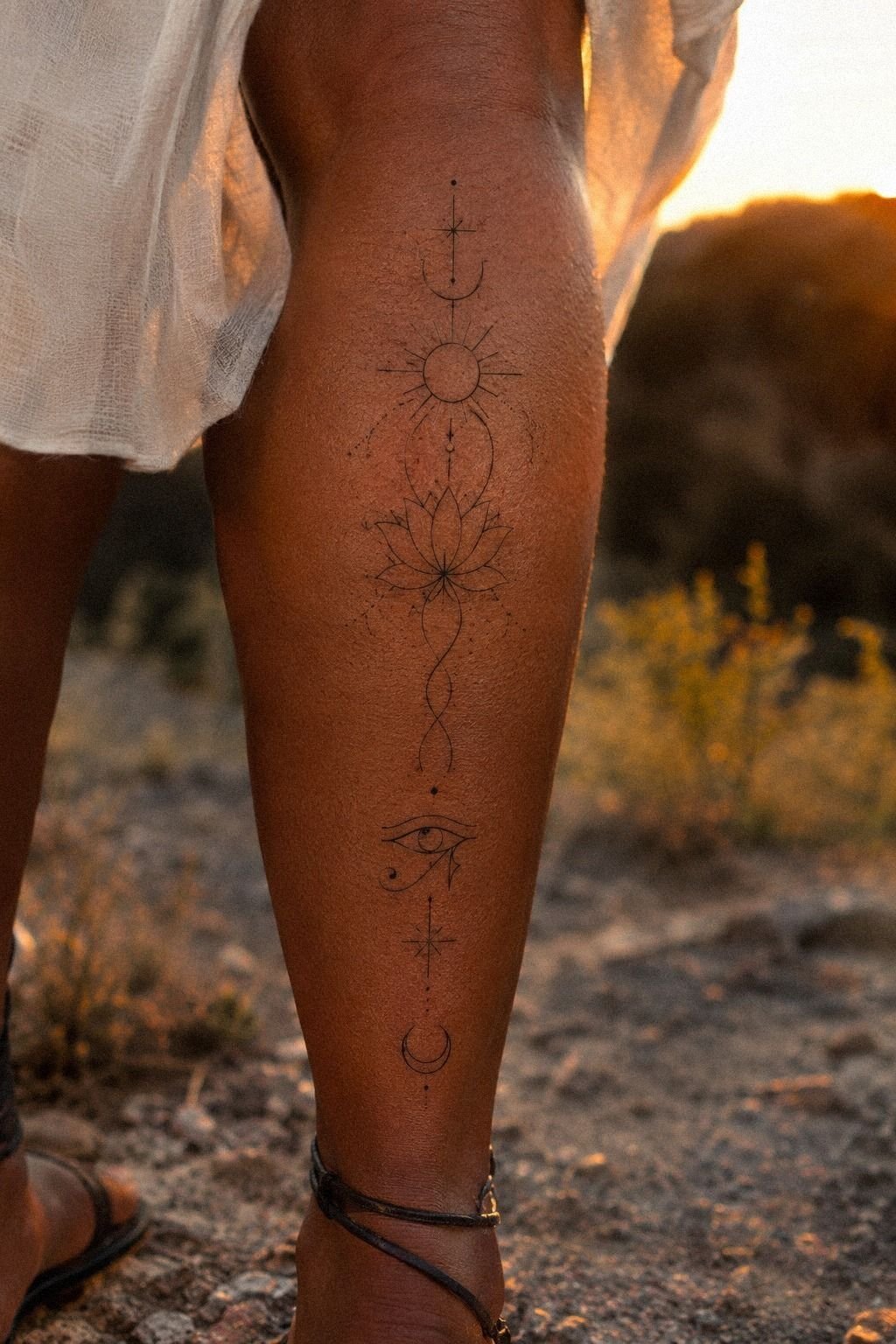
Sacred symbols deserve care, context, and humility. A fine-line calf tattoo on a woman with deep ebony skin might feature a cross, moon, protective eye, or other meaningful sign. The design should feel sacred because it connects to your lived belief, family, or practice, not because it looks mysterious in a reference.
Research the symbol before you commit. You’ll want to understand its history, common interpretations, and whether its use changes across cultures. I’d rather see a simple mark chosen with care than an ornate symbol copied because it looked dramatic online.
Respect matters!
Ask your artist how the linework will be adjusted for your skin tone and placement. A design isn’t less readable because your skin is deep; it simply needs an experienced approach to contrast, spacing, and healed results. Your consultation should include healed examples on a range of skin tones.
The calf offers a practical placement with enough length for a vertical symbol and usually more tolerance than ribs, feet, or sternum. Browse meaningful symbol tattoos for inspiration, then bring one reference and your own explanation. The final mark should feel respectful, powerful, and unmistakably connected to your life.
7Select An Animal Tattoo That Represents Strength
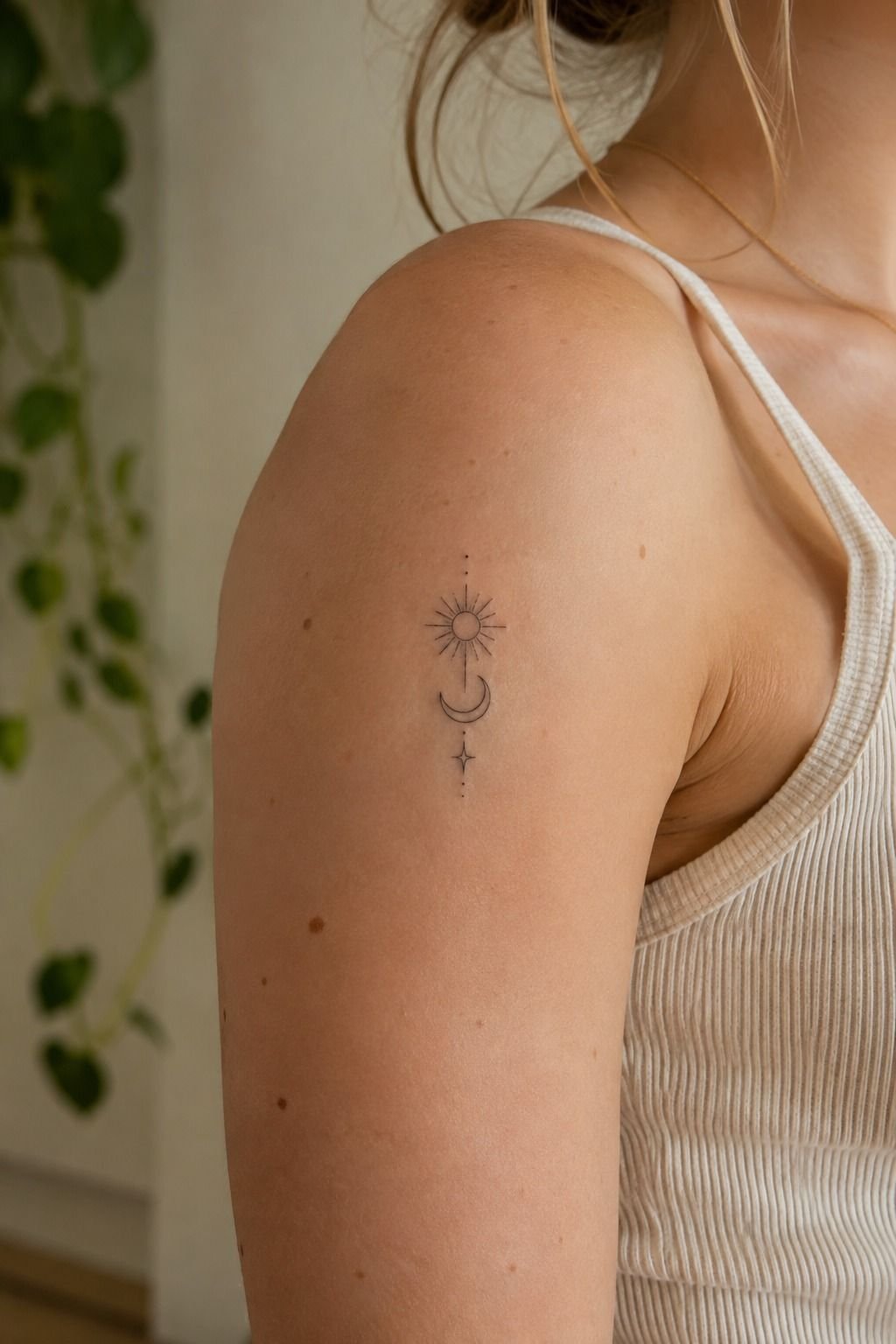
An animal symbol works best when you define the trait first. A fine-line animal on a man’s upper arm can represent patience, loyalty, survival, or protection. A wolf isn’t automatically fierce, and a deer isn’t automatically gentle.
Your meaning should decide the animal, not a list of popular tattoo motifs.
Create two columns: what the animal means publicly and what it means to you. That contrast can reveal a raw memory beneath the polished image.
Maybe a fox reminds you of your mother’s cleverness, or a swallow represents returning home after years away. Those details make a small mark more expressive.
Upper-arm placement gives you room for a clean silhouette and can be covered easily when you need privacy. I’d skip tiny realistic fur if the design is very small. A confident outline, one distinctive feature, and a restrained shadow will age more clearly than miniature anatomy.
Ask your artist whether the animal will read at three distances: close, conversational, and across a room. You’ll want the eye, ear, tail, or wing to remain recognizable without adding clutter. For more personal references, visit cute small tattoos with meaning and remove any animal that feels chosen only because it’s charming.
8Plan Delicate Details Around Your Skin Tone
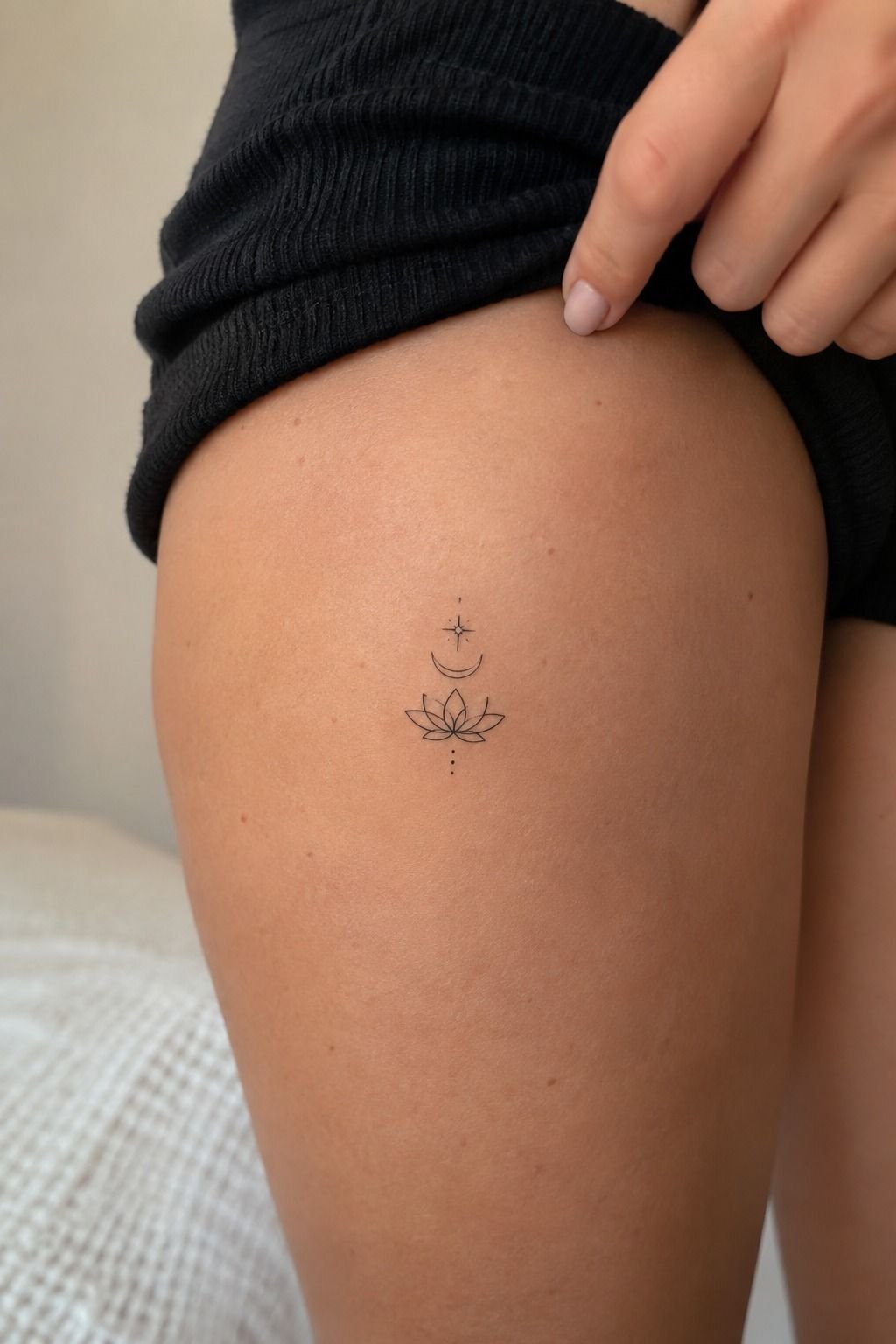
Design contrast depends on line weight, spacing, and healing, not on a single idea of what skin should look like. A fine-line thigh tattoo on a woman with medium warm ivory skin may use graceful curves, but the artist still needs to plan how each mark will settle over time.
Bring healed examples in similar linework and a similar skin tone. You’re looking for clear edges, readable open spaces, and a design that hasn’t turned into a gray blur.
I’d choose a slightly stronger contour over a fragile outline if the symbol needs to remain legible. Elegant does not mean barely visible.
The thigh gives you a broad, relatively stable area, which makes it useful for a vertical flower, small animal, or personal emblem. Your clothing may rub the area during early healing, so plan loose fabric and avoid scheduling the appointment right before a long day in tight jeans.
A good consultation includes questions about pigment, placement, sun exposure, and touch-up expectations. You can compare this approach with tiny tattoos with meaning unique and bring fewer references than you think. One clear idea gives your artist more freedom to make the finished design polished.
9Consider Pain Before Choosing Sensitive Placement

Pain is personal, but placement patterns are useful. Pain planning can help you choose between ribs, feet, hands, sternum, forearm, thigh, and shoulder. Ask about appointment length, breaks, and aftercare before you commit.
10Protect Fresh Ink Through Careful Healing
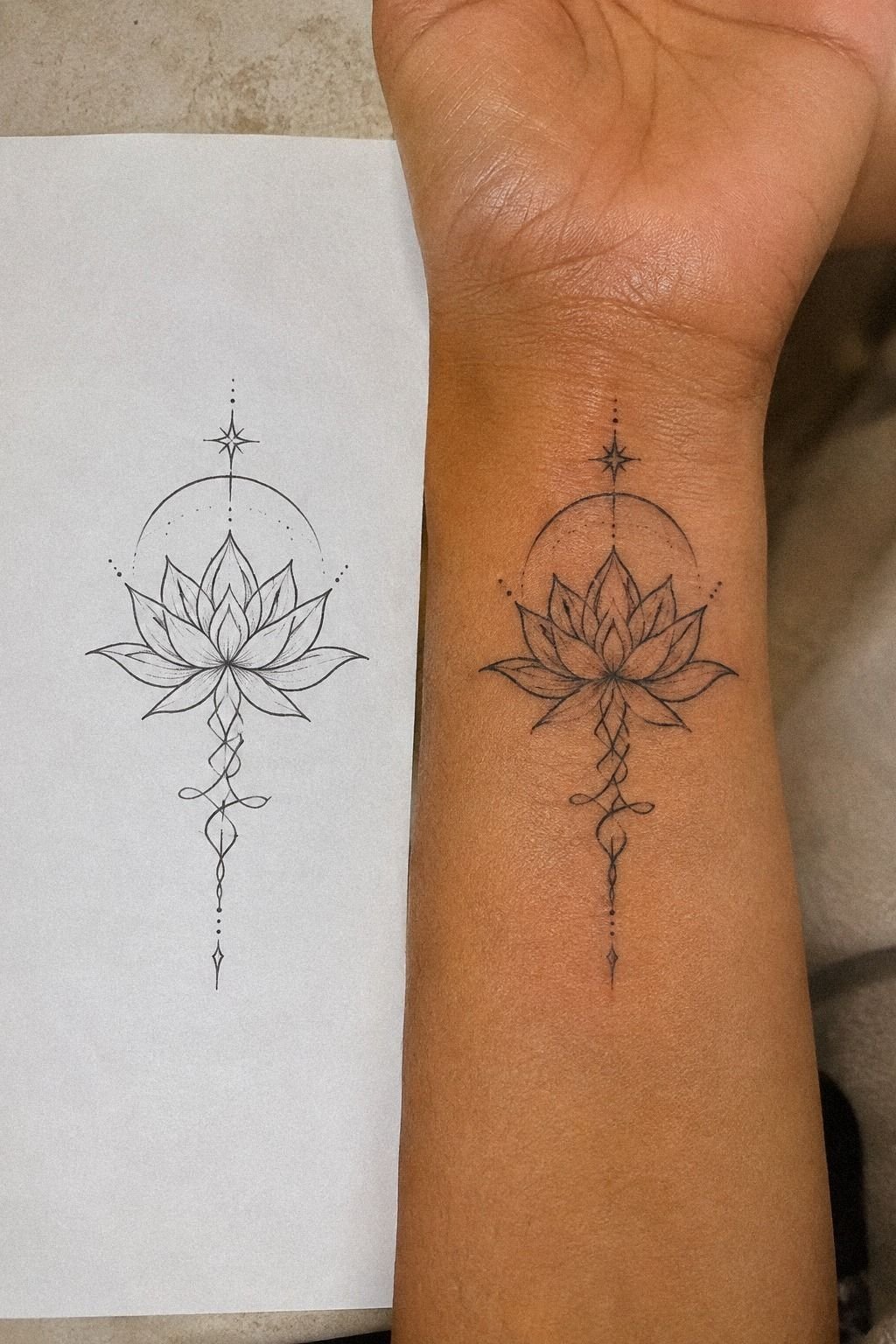
Fresh ink needs simple care and patience. Compare the stencil on clean paper with the same design after healing, because the final mark usually looks softer than the fresh version. You’ll want to follow your artist’s written aftercare instructions rather than combine advice from random posts.
Typical surface healing takes about 2 to 3 weeks, while complete healing can take roughly 2 to 3 months. During that early period, wash gently, moisturize as directed, avoid picking, and protect the area from direct sun.
Skip swimming until the surface has healed. These steps sound ordinary, but they protect a timeless result.
Too much touching can irritate the skin. Keep your hands clean, use a thin layer of the recommended product, and let the tattoo breathe according to your artist’s instructions. If redness, swelling, or pain worsens, contact a qualified medical professional.
Sun exposure can fade fine lines and soften contrast, so sunscreen matters after the skin has fully healed. Your artist may schedule a review if a small area needs a touch-up. Read very small tattoos for scale ideas, but remember that healing is part of the design process, not an afterthought.
11Make Your Small Tattoo Unmistakably Personal
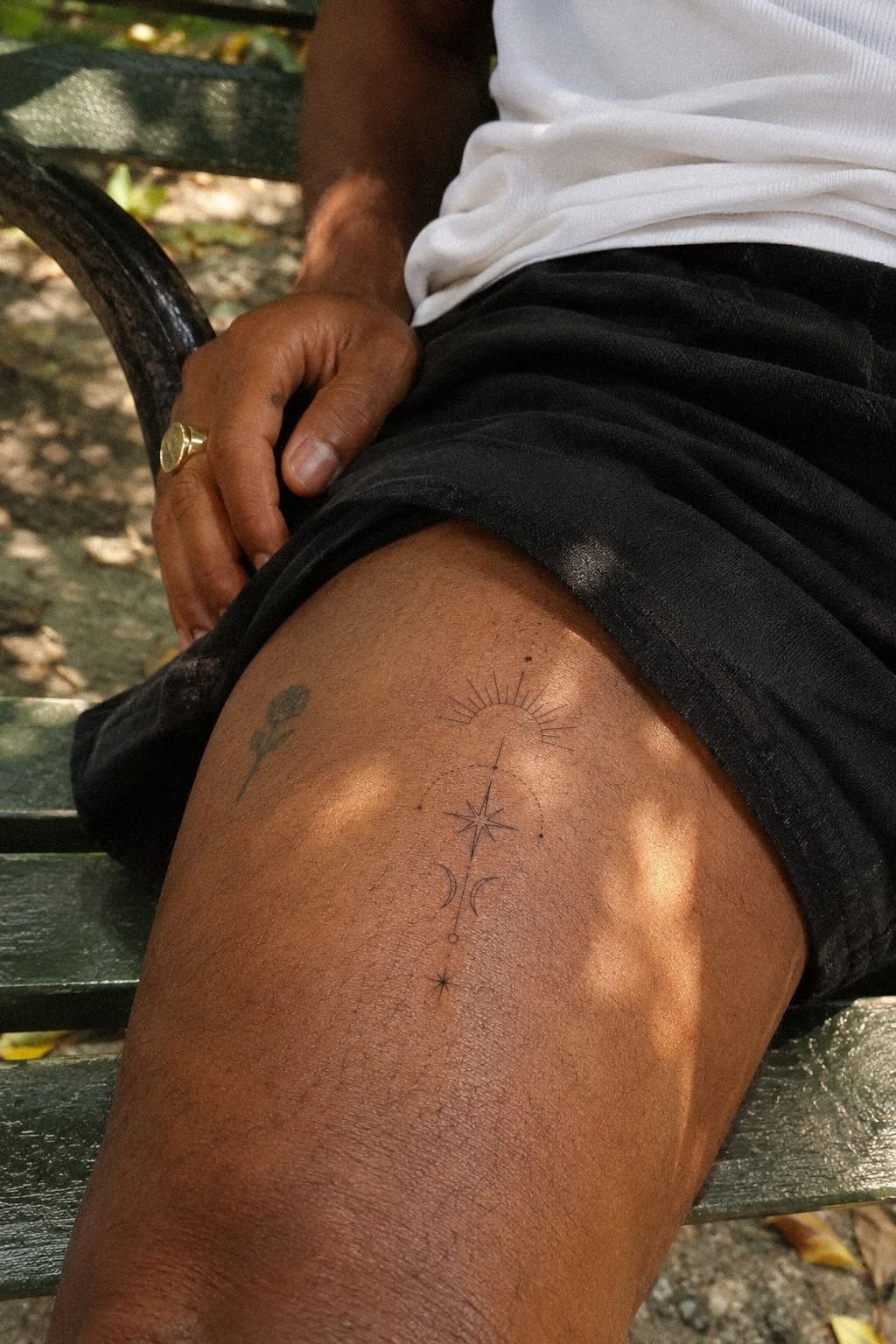
Personalization can be tiny. A fine-line thigh tattoo on a man with deep brown skin and a warm undertone might include a private date, a simplified animal, or a symbol hidden inside the larger outline.
You don’t need a long quote or several icons. One unexpected detail can make the design iconic to you.
Try the One Hidden Mark Principle: choose one feature that would look ordinary to someone else but carries the real story for you. It could be three stars in a specific order, one broken line, or a small petal missing from a flower. Your tattoo can remain understated while holding an entire history.
I’d avoid adding details just because the empty space feels uncomfortable. Negative space helps a small tattoo breathe and protects the main shape as it ages. If you’re unsure, ask the artist to show two versions: the clean design and the decorated version.
You’ll often see that the simpler one feels more fierce and emotionally direct.
Before booking, say the meaning out loud in one sentence. If the explanation sounds borrowed, keep working. If it makes you pause, smile, or feel a little exposed, you may be close.
Save small tattoos with deep meaning that last and compare your idea against time, placement, and your own changing life.
Why Does Private Meaning Matter More Than Visibility?
A private tattoo doesn’t need to be understood by strangers to be successful. I think that’s where many people get stuck: they judge the design through a public lens, asking whether friends will recognize it or whether the symbol has an established meaning. Those questions can be useful, but they shouldn’t outrank your own connection to the image.
When I’m choosing between a vibrant public symbol and a quiet personal one, I usually choose the quieter mark. A private tattoo has room to change with you. The stars might begin as a memory of one person and later remind you of an entire season of growth.
That flexibility is more valuable than a design that explains itself immediately.
There’s also a practical reason to keep the concept focused. Small tattoos have limited space, and every extra line competes with the central idea. A single flower, letter, animal feature, or constellation can carry more emotional force than a crowded composition.
Your artist can make the linework sharp, but they can’t manufacture a personal reason that isn’t there.
Cost matters, too. A typical US shop minimum may be about $50 to $100, while hourly rates often fall around $100 to $250.
I’d spend more time choosing the symbol than shopping for the lowest price. A careful consultation, clean studio, healed portfolio, and artist whose linework fits your idea are worth more than a rushed appointment.
If you want to keep researching, compare unique tattoos with meaning with tattoos symbolizing meaning. Then close the search window and write your own explanation. The most empowering design is usually the one that still matters when nobody else is looking.
The Questions I Get Asked Most
How much does a Small Tattoo With Deep Meaning usually cost?
A small tattoo typically costs about $50 to $100 at a shop minimum, while hourly rates often run about $100 to $250 in the US. I’d expect your final price to depend on the artist, region, placement, and design detail. Your final price may also reflect appointment length and the artist’s experience.
– Shop minimum – Artist experience – Linework complexity – Appointment length
Are Small Tattoos With Deep Meaning a good idea for a first tattoo?
Yes, especially when you choose a tolerable placement and a design that genuinely reflects your life. I’d consider the forearm, thigh, or shoulder before ribs or feet. A focused symbol can also teach you how your skin heals before you choose a larger piece.
– Clear linework – Manageable scale – Personal meaning – Practical placement
How do I choose a tattoo artist for Small Tattoos With Deep Meaning?
I’d review healed portfolio examples, not only fresh work. Look for consistent linework, strong hygiene practices, and experience with your chosen style and placement. Healed examples can reveal clarity, spacing, and how the artist works across different skin tones.
– Healed portfolio – Clean studio practices – Fine-line experience – Skin-tone range
How much do Small Tattoos With Deep Meaning hurt?
Ribs, feet, hands, and sternum are commonly more painful, while forearms, thighs, and shoulders are often more tolerable. I’d plan food, water, comfortable clothing, and breaks before the appointment. Your own sensitivity matters more than anyone else’s pain scale.
– Bone-heavy zones – Padded zones – Rested body – Shorter session
How long do Small Tattoos With Deep Meaning take to heal?
The surface usually heals in about 2 to 3 weeks, while complete healing can take roughly 2 to 3 months. I’d wash gently, moisturize as directed, avoid picking, and stay out of pools until the surface has healed. Complete healing is when I’d judge the final softness and clarity.
– Gentle washing – Light moisturizing – Sun protection – No swimming early on
What’s the best placement for Small Tattoos With Deep Meaning?
The forearm, thigh, and shoulder are practical choices for visibility and generally easier sessions, while ribs offer more privacy with more discomfort. I’d choose the place that matches how often you want to see or cover the tattoo. Placement choice should support both your meaning and your daily routine.
– Visible forearm – Flexible thigh – Easy-to-cover shoulder – Private ribs
Where I’d Start First
If I had to pick one step, I’d start with the private memory. A symbol chosen from your real life will outlast a trend, even when the linework softens slightly over time. Write the story first, then let your artist reduce it to one personal mark you’ll still recognize years from now.