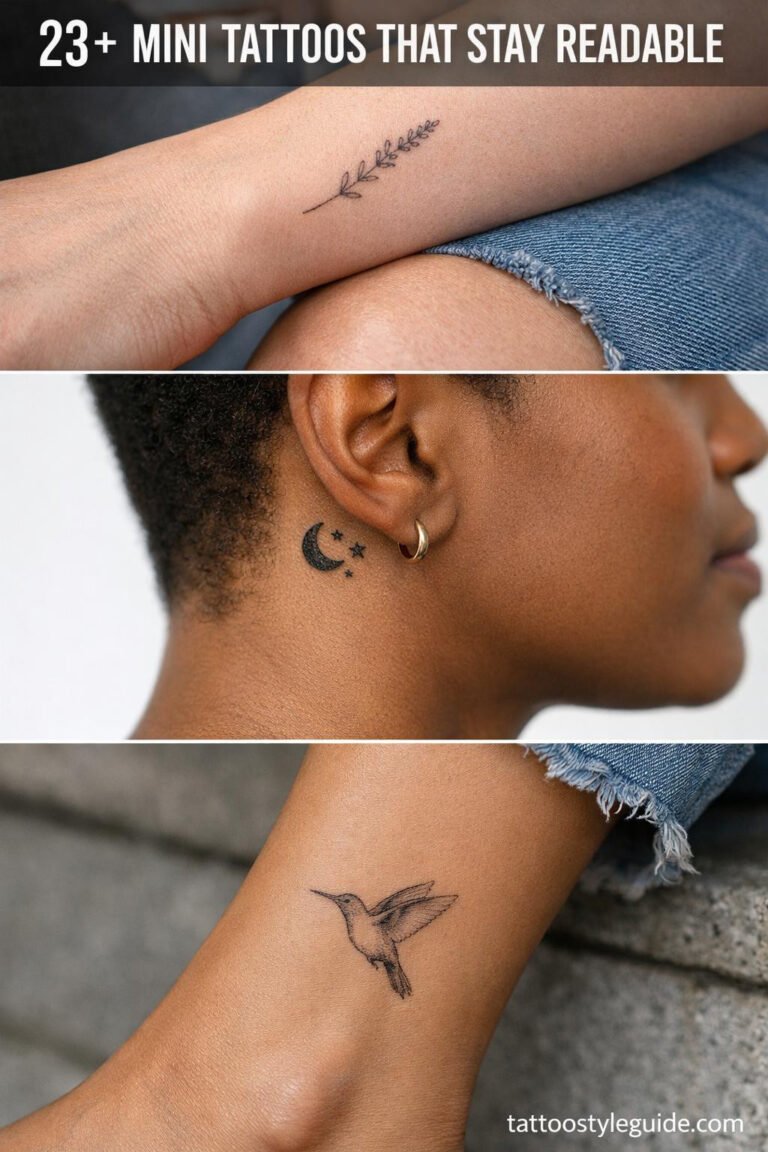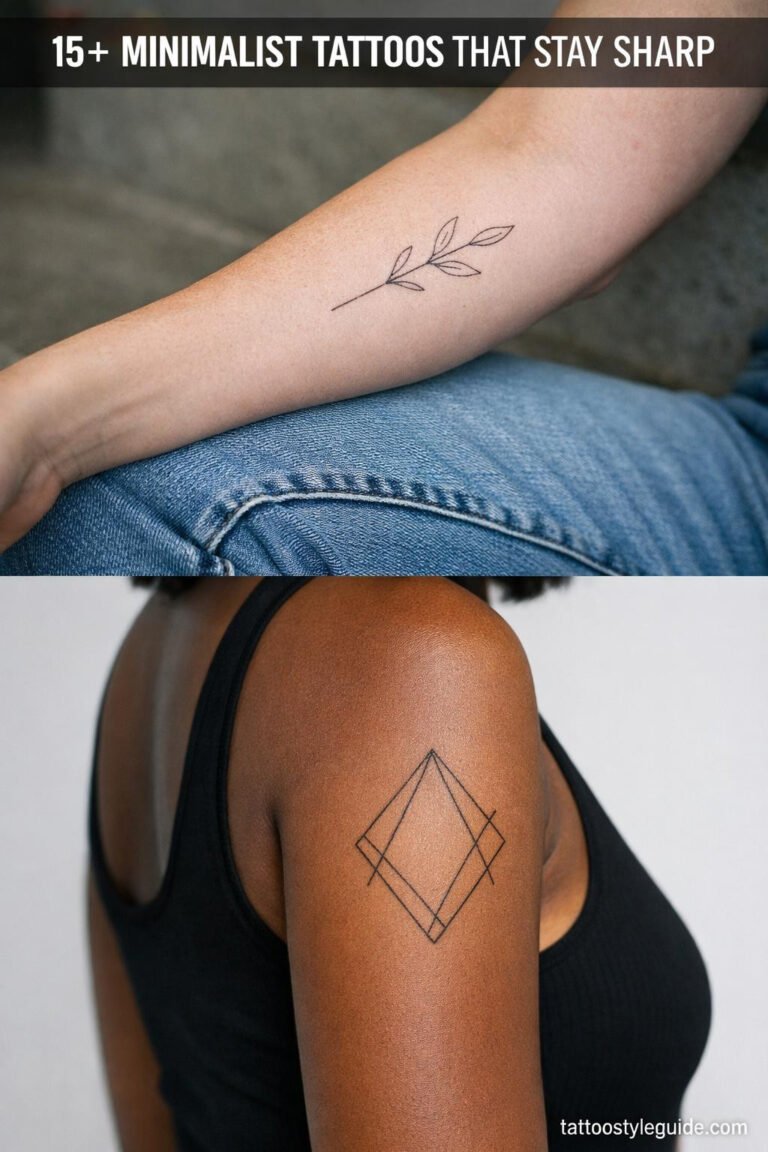
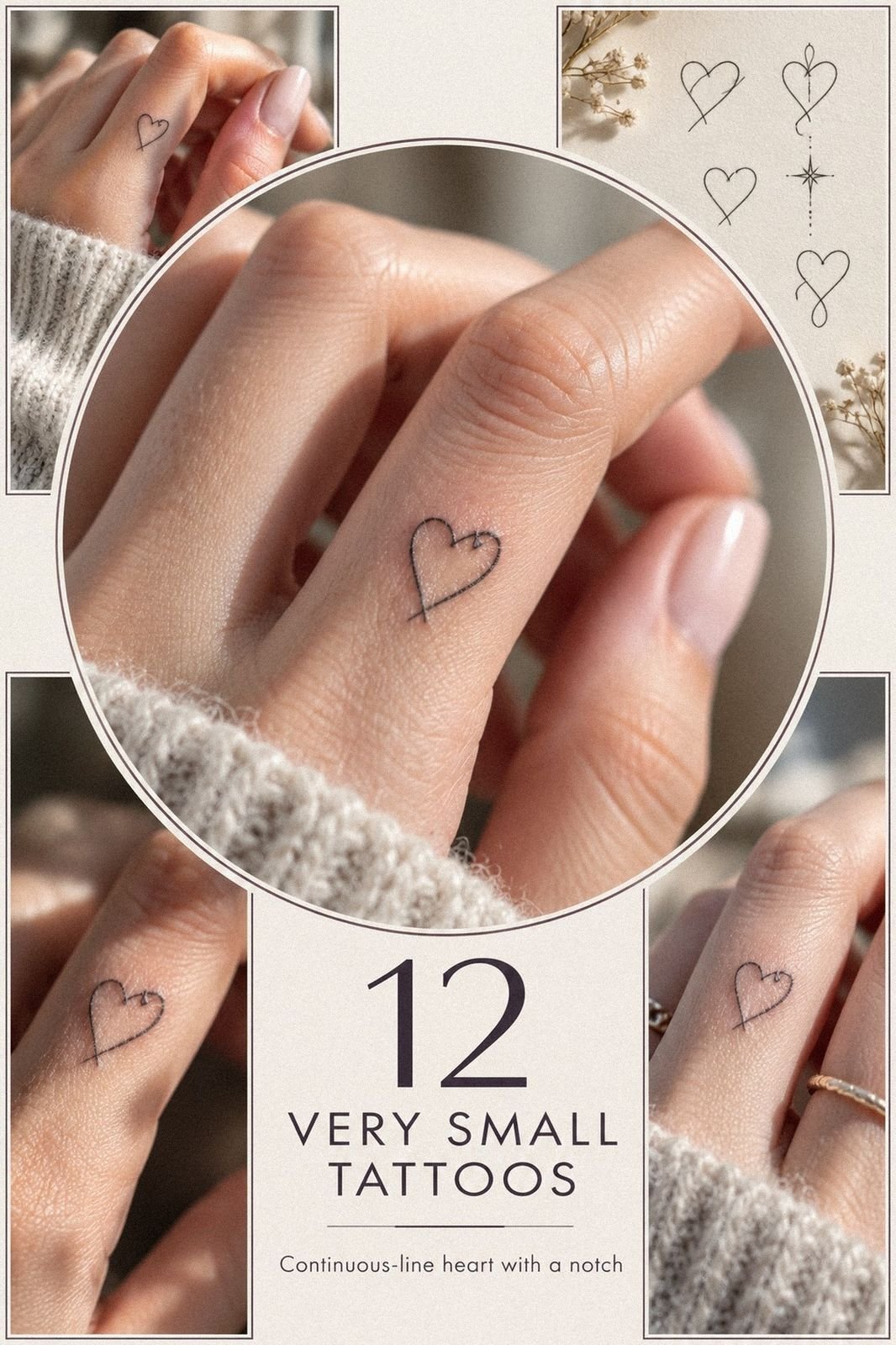
I almost canceled my very small tattoo the morning of my appointment. I’d saved a delicate design for months, worried about the placement, the needle, and whether the result would feel meaningful once it became permanent.
Then the stencil went on, the needle started, and the appointment ended before my nerves caught up. This is how I chose the symbol, prepared my tattoo, handled the discomfort, and cared for it afterward.
- I Chose a Delicate Finger Tattoo
- I Needed the Symbol to Mean Something
- Placement Changed the Personality
- I Tested the Shape Before Booking
- The Moon Was the Only Design That Stayed
- The Appointment Felt Sharper Than Painful
- I Refined the Design With the Artist
- The Sharpest Stencil Won
- The Session Was Short, But the Choice Wasn’t Casual
- Aftercare Started That Evening
- What It Cost and How It May Age
- The Three Checks I Use Now
1I Chose a Delicate Finger Tattoo

I first considered finger placement because I wanted the design visible without making an announcement. A minimal crescent seemed right for that narrow area, especially beside my rings.
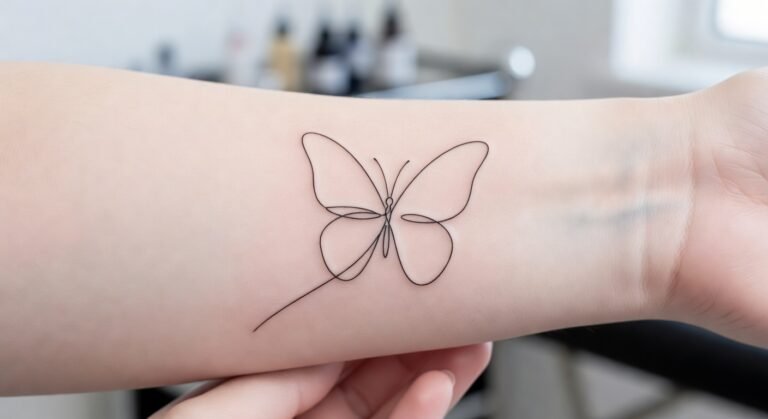
The first stencil felt crowded. The second had more breathing space, and the change made it feel elegant, understated, and immediately more personal. I turned my hand several ways before approving the single-needle lines.
Finger tattoos can be demanding. Constant movement, friction, and hand washing affect how the ink settles, so I rejected a dense design with heavy shading.
My small minimalist tattoo ideas helped me compare simpler shapes. I chose the smallest version where the line thickness still looked crisp in ordinary daylight, rather than only through a filtered screen.
2I Needed the Symbol to Mean Something
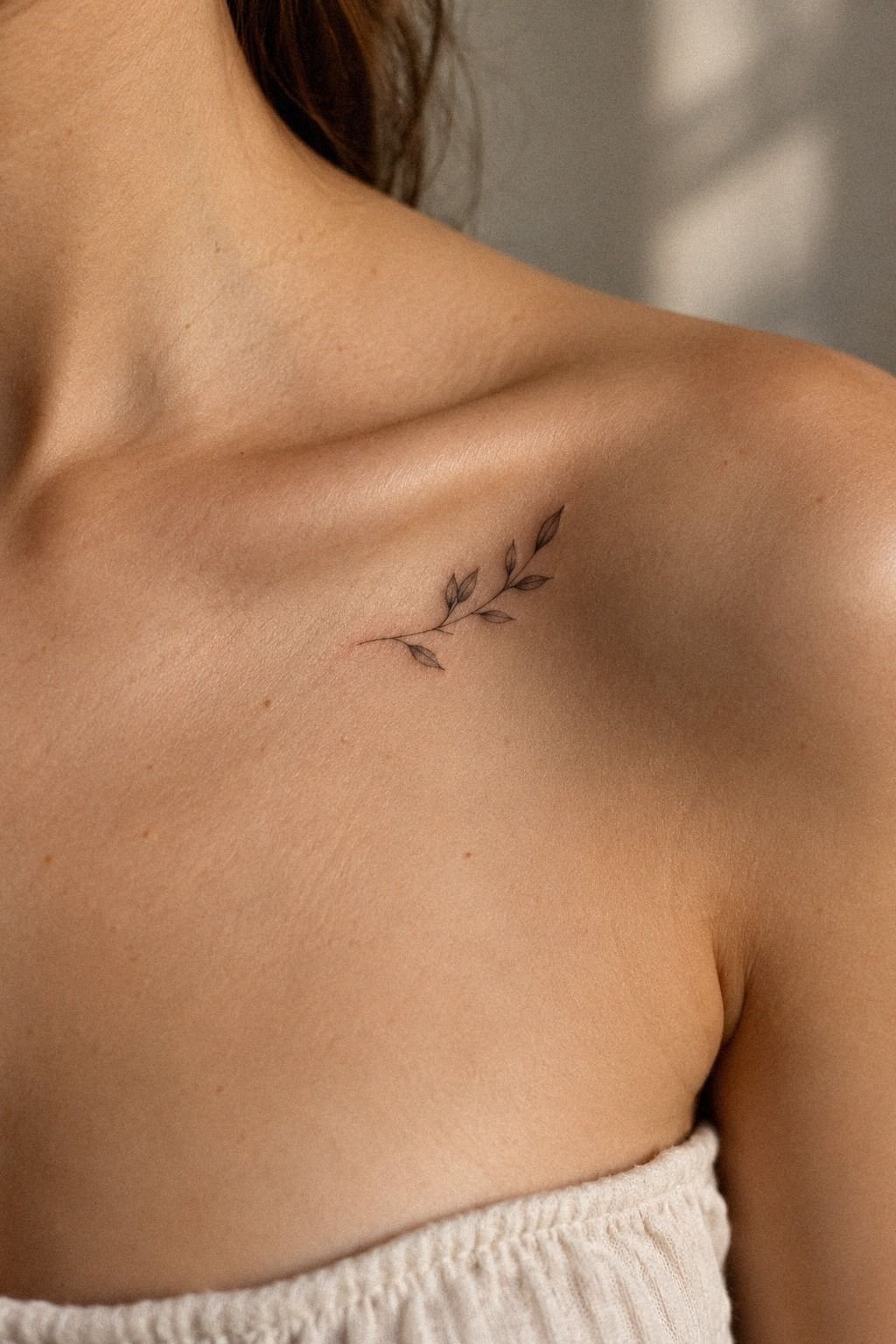
I didn’t want a symbol that needed a paragraph of explanation. I wanted something meaningful enough to recognize instantly, but understated enough to keep for myself.
That ruled out several striking sketches. One was intricate but crowded, another was stylish but borrowed too heavily from a reference, and one had an almost haunting beauty that didn’t belong to my story.
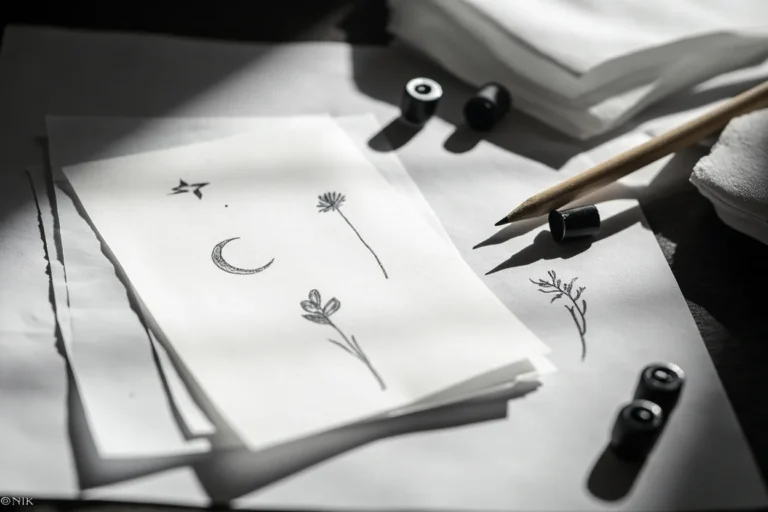
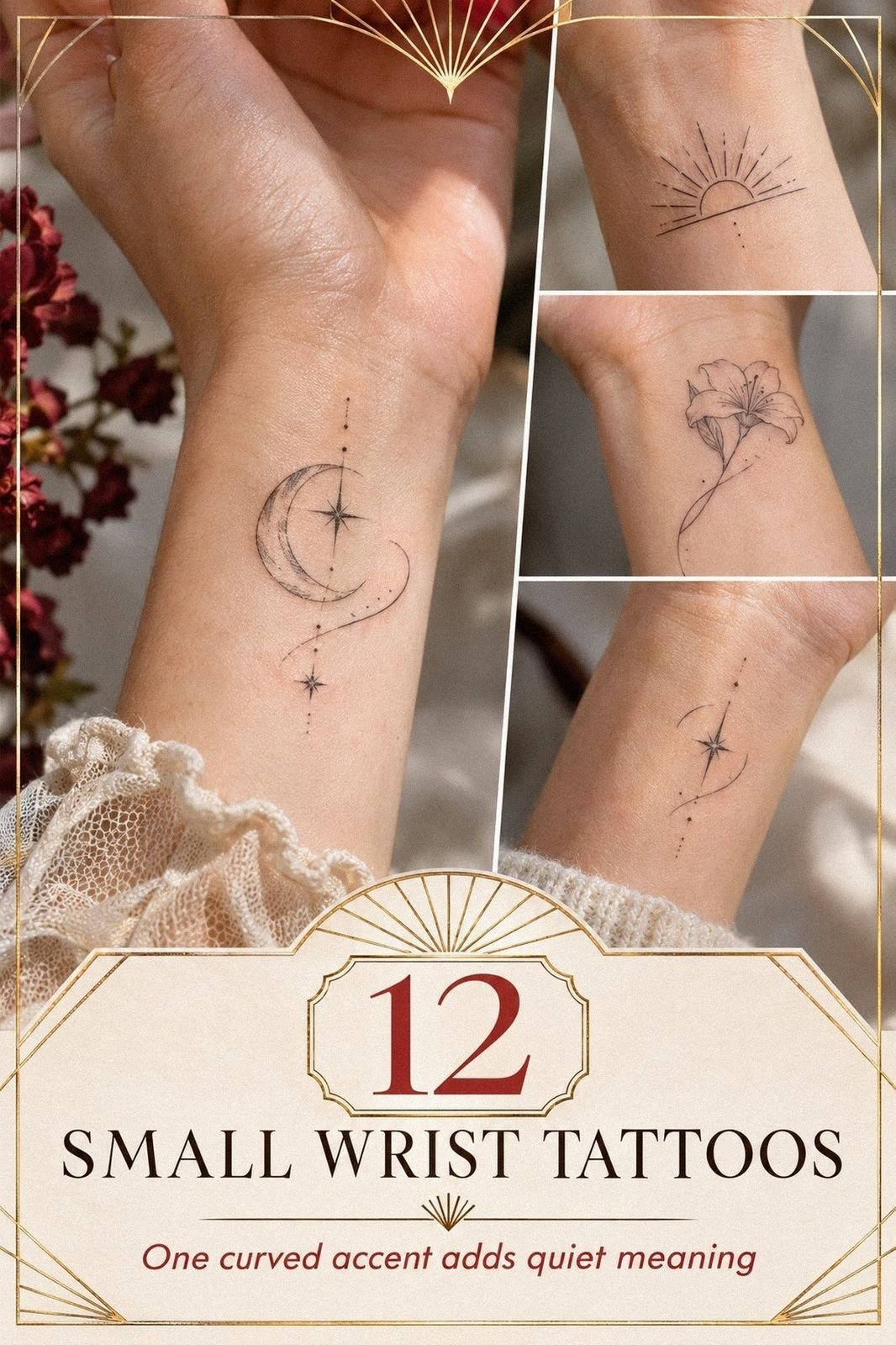
The crescent survived every round of editing. I drew the crescent outline on tracing paper, copied it into a notebook, and tested it beside my watch.
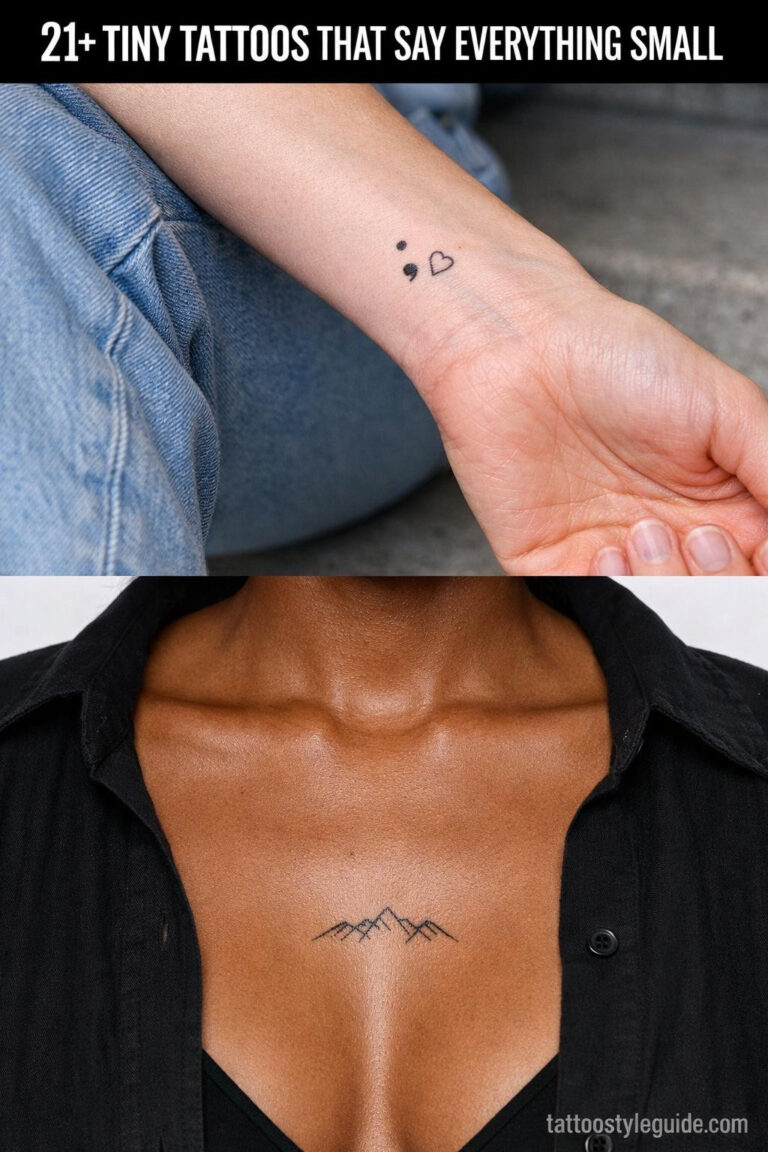
I also reviewed small meaningful tattoos to study how simple symbols carry emotional weight. The useful question wasn’t whether a design looked iconic. It was whether I’d still want the same shape after the excitement faded.
3Placement Changed the Personality
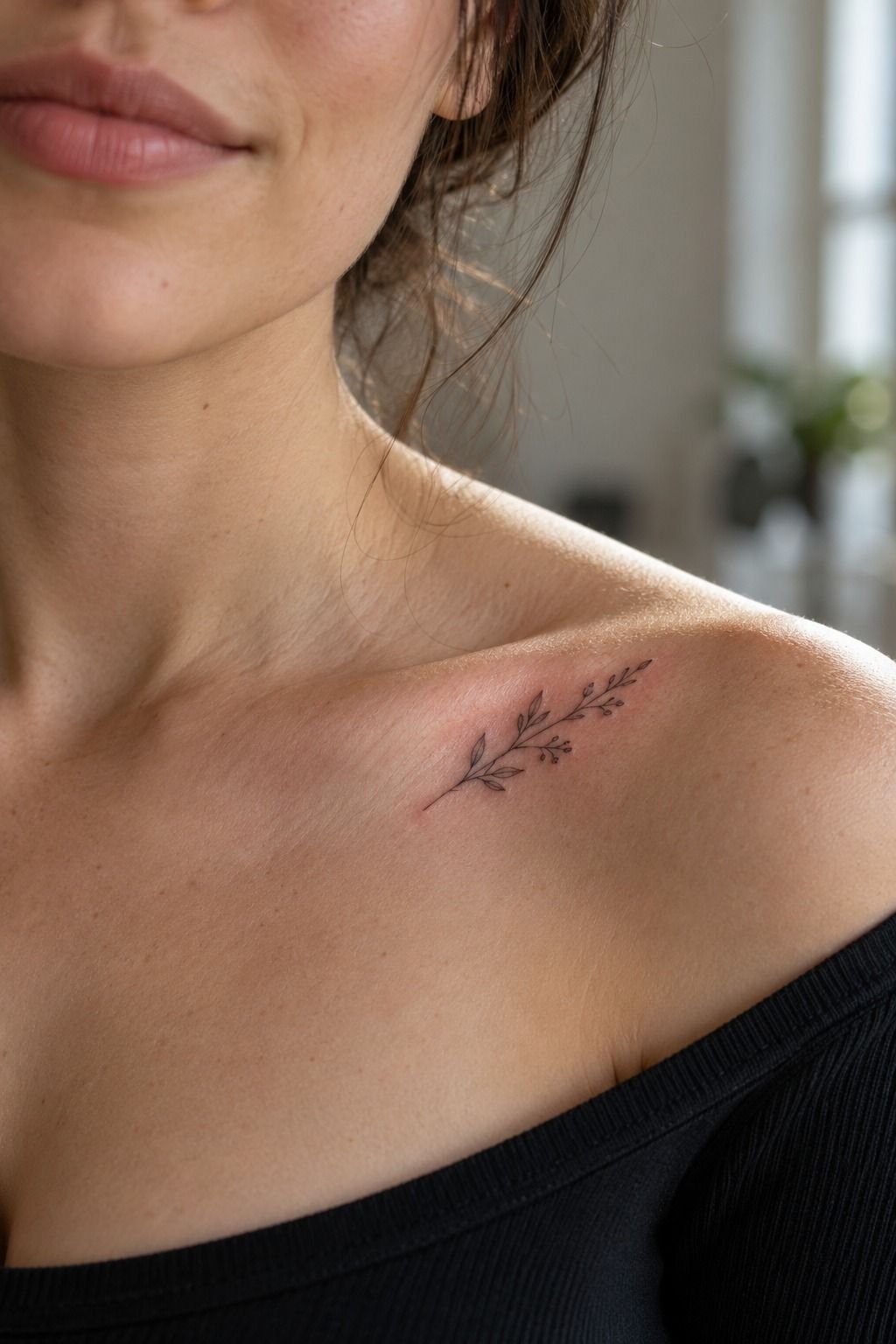
The same symbol felt completely different in each location. On my ribs, it looked sacred and private.
Near my wrist, it felt conversational. On my forearm, it became a daily reminder.
I compared the inner forearm with the ribs, collarbone, and side of the hand by checking how each position looked while my arm rested naturally. The forearm gave me a clear view without making the design feel too exposed.
If you’re considering small rib tattoos, remember that rib placement can be more intense because of thin skin and proximity to bone. Hands, feet, and the sternum can also feel sharper than areas with more padding.
I looked at small back tattoos when I wanted something more discreet. In the end, I chose the side of the hand only as a comparison point, because I knew I wanted to see the crescent during ordinary moments.
4I Tested the Shape Before Booking
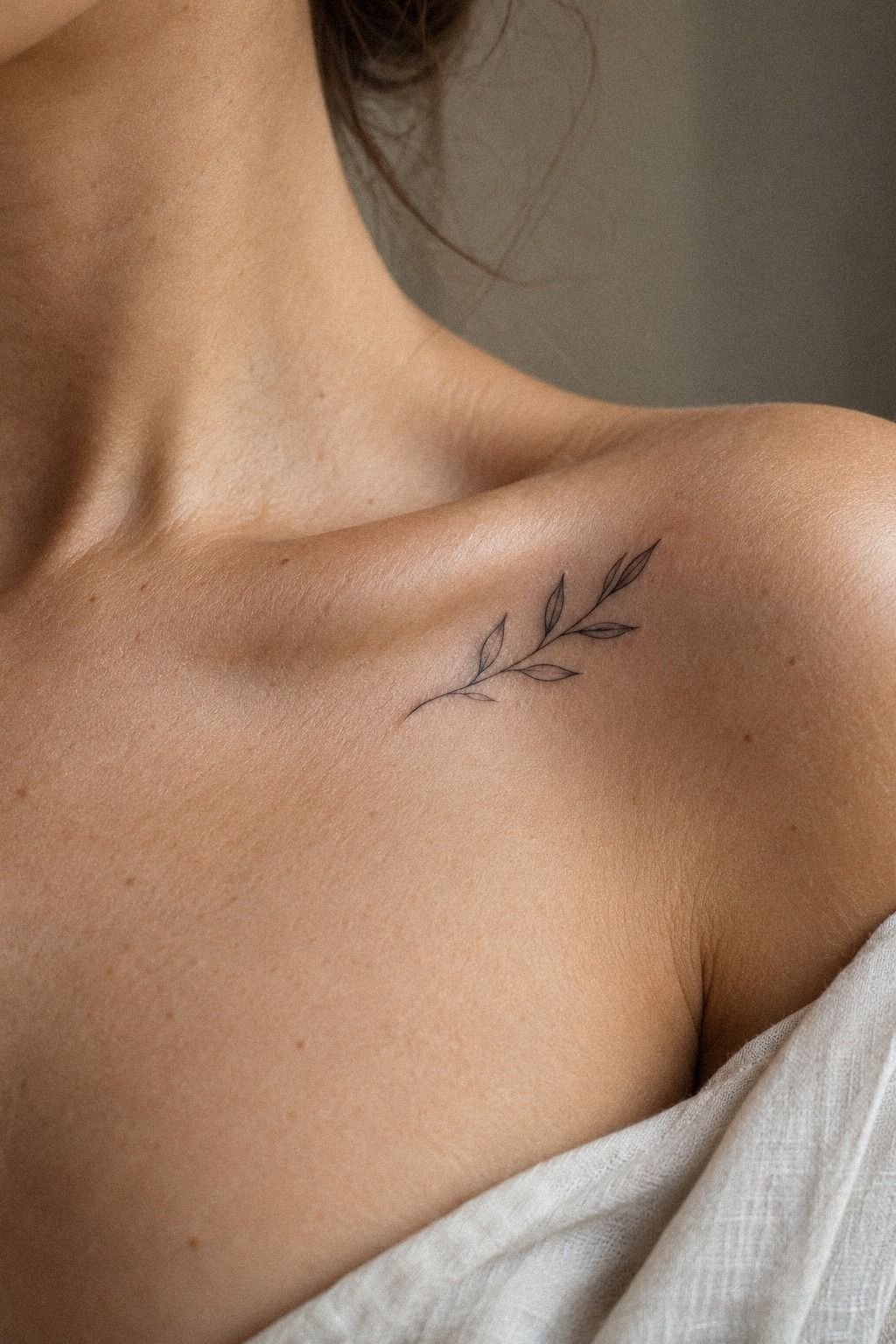
Before the appointment, I drew the design near my wrist with a cosmetic pen. I wore my usual watch, moved my hand, and checked whether the curve still felt graceful when my wrist bent.
That test exposed a problem. The lower dot looked charming on paper but distracting in motion, so I removed it from the final stencil before booking.
I also watched the design while typing, reaching for a glass, and turning a key. Wrist movement changed the shape more than I expected, especially when the crescent moved from flat to slightly curved.
Context mattered too. A tattoo can look powerful by itself and less balanced beside jewelry or a watch. I wanted a mark that could shift from feminine to edgy without losing its identity.
5The Moon Was the Only Design That Stayed
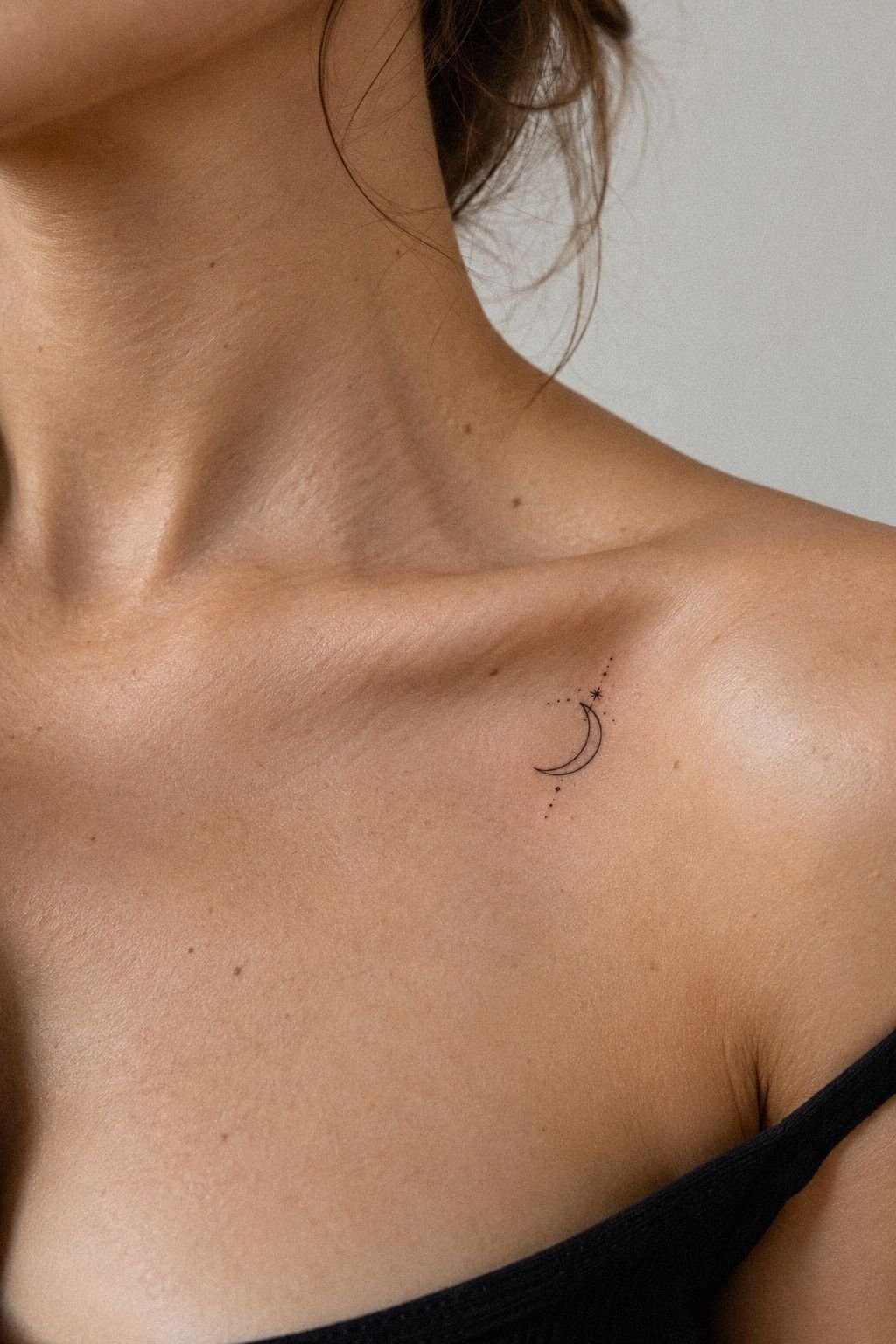
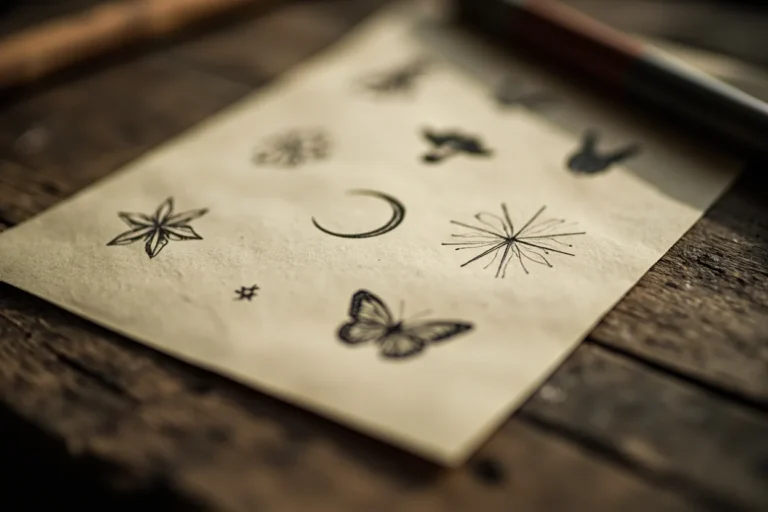
The crescent was the only idea that remained interesting after I stopped staring at it. I drew the crescent design on receipts, in notebook margins, and once on my wrist with washable ink.
It suggested change, patience, and private momentum. That felt more romantic and empowering than choosing a symbol simply because it was unusual.
I asked the artist to keep the black fill consistent and avoid soft gray shading. The goal was a polished mark with a clear silhouette, not an ornate miniature that depended on tiny details.
I compared the result with small tattoos for men and noticed that the strongest examples trusted their silhouette. I’d rather have three confident marks than nine crowded ones!
The final version also needed negative space. That open area made the moon feel dainty without making it timid.
6The Appointment Felt Sharper Than Painful
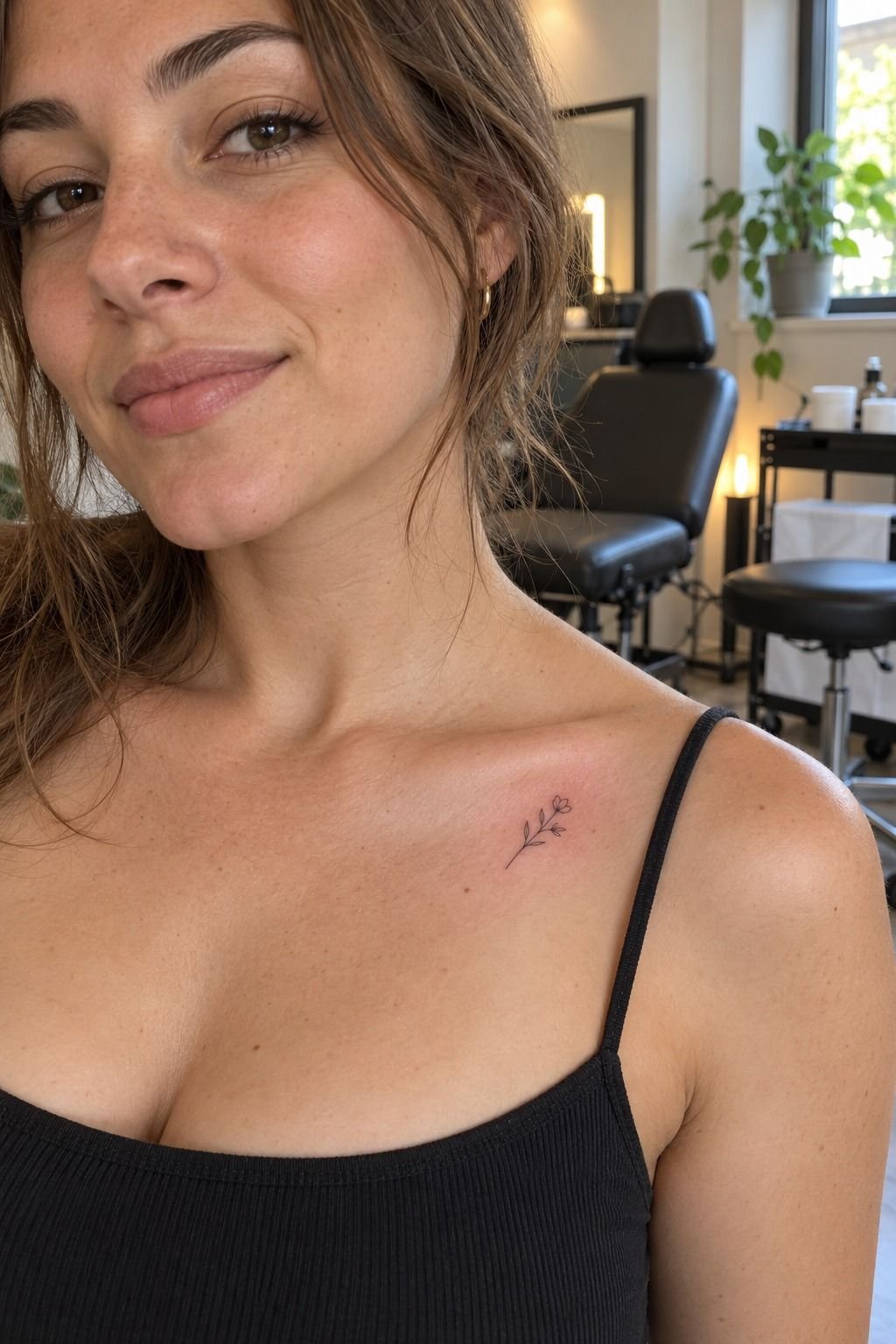
I expected the first contact to hurt sharply and continuously. Instead, the needle tip felt like a hot pencil point tracing the opening curve, followed by a steady scratch that became easier to anticipate.
The inner forearm skin was sensitive, but the sensation stayed contained. I tensed for the first few seconds, then realized I was holding my breath and deliberately relaxed my hand.
The artist’s hygiene mattered more to me than the short appointment. Fresh gloves, clean equipment, and clear communication made the experience feel controlled rather than chaotic.
There was no dramatic ordeal. The raw sensation ended quickly, and I left with an aftercare sheet, a slightly tender arm, and a grin I couldn’t hide. Worth it!
7I Refined the Design With the Artist
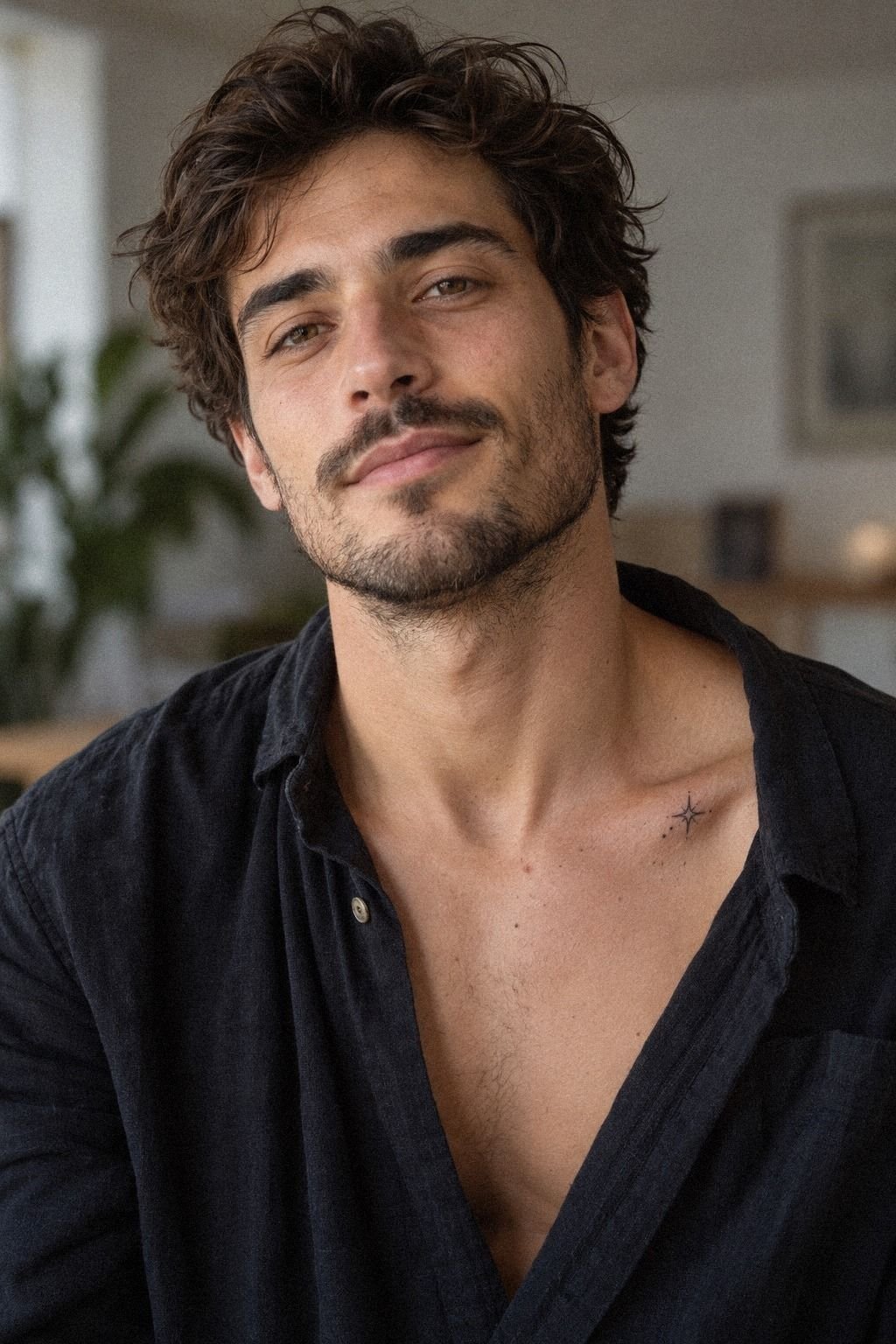
The artist checked my reference and suggested one adjustment to protect the healed linework. The change was small, but it kept the curve readable instead of forcing detail into a space that couldn’t support it.
I asked for solid black ink rather than several barely visible tones. A simple mark can still be expressive when the shape, spacing, and placement are deliberate.
I also explored small tattoos for moms with kids because those designs often use symbolic shapes with real history. I didn’t need originality for its own sake. One personal adjustment felt more iconic than an unreadable invention.
The final fine-line design was cleaner because I removed one decorative element. That edit made it feel daring in its restraint, rather than merely small.
8The Sharpest Stencil Won

The final stencil was smaller than my first idea but clearer than every sketch. I studied the stencil transfer with my arm relaxed, then checked it while standing and sitting.
The outer edge mattered most. I followed the outer curve while moving my arm naturally, looking for any point where the line appeared cramped.
The ornate version had looked impressive in my notes, but the simpler crescent shape felt more graceful on actual skin. Fewer interruptions gave the symbol a sharper identity.
I kept turning my arm slowly before agreeing. The design changed subtly with movement, and the final position still felt understated. Good call!
9The Session Was Short, But the Choice Wasn’t Casual
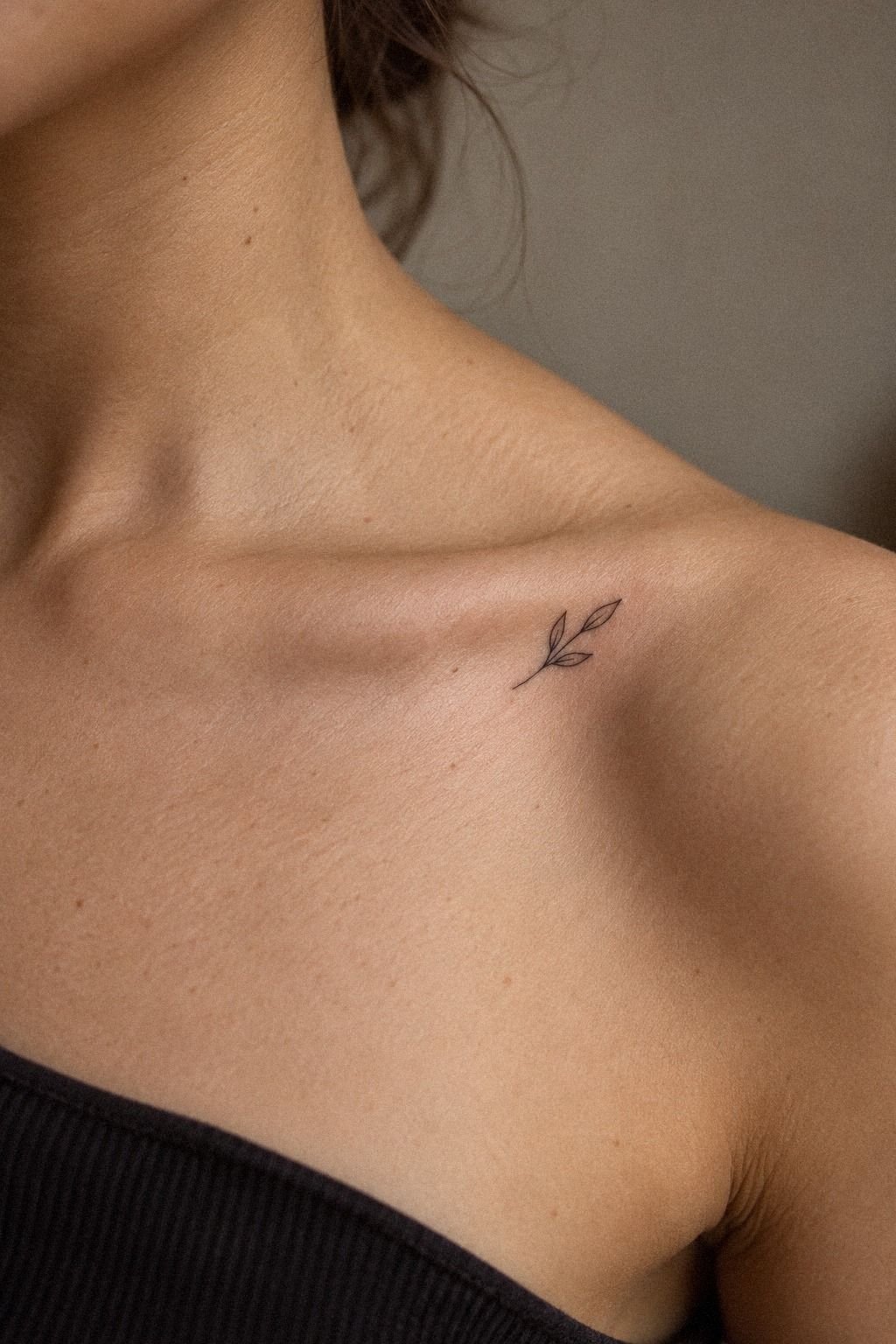
The actual appointment moved quickly. I had checked small aesthetic tattoos beforehand, but I didn’t let the short appointment time make me careless about the artist or the process.
I brought water, wore clothing that left the area accessible, and arrived early enough to settle down. That preparation kept my hands from shaking once the stencil was ready.
The artist’s healed portfolio mattered more than the number of tiny tattoos completed in a day. I wanted evidence that fine lines remained readable after the skin settled.
Cost was part of the decision too. I asked about the studio minimum before booking, then chose the artist whose healed work I trusted rather than chasing the lowest quote.
10Aftercare Started That Evening
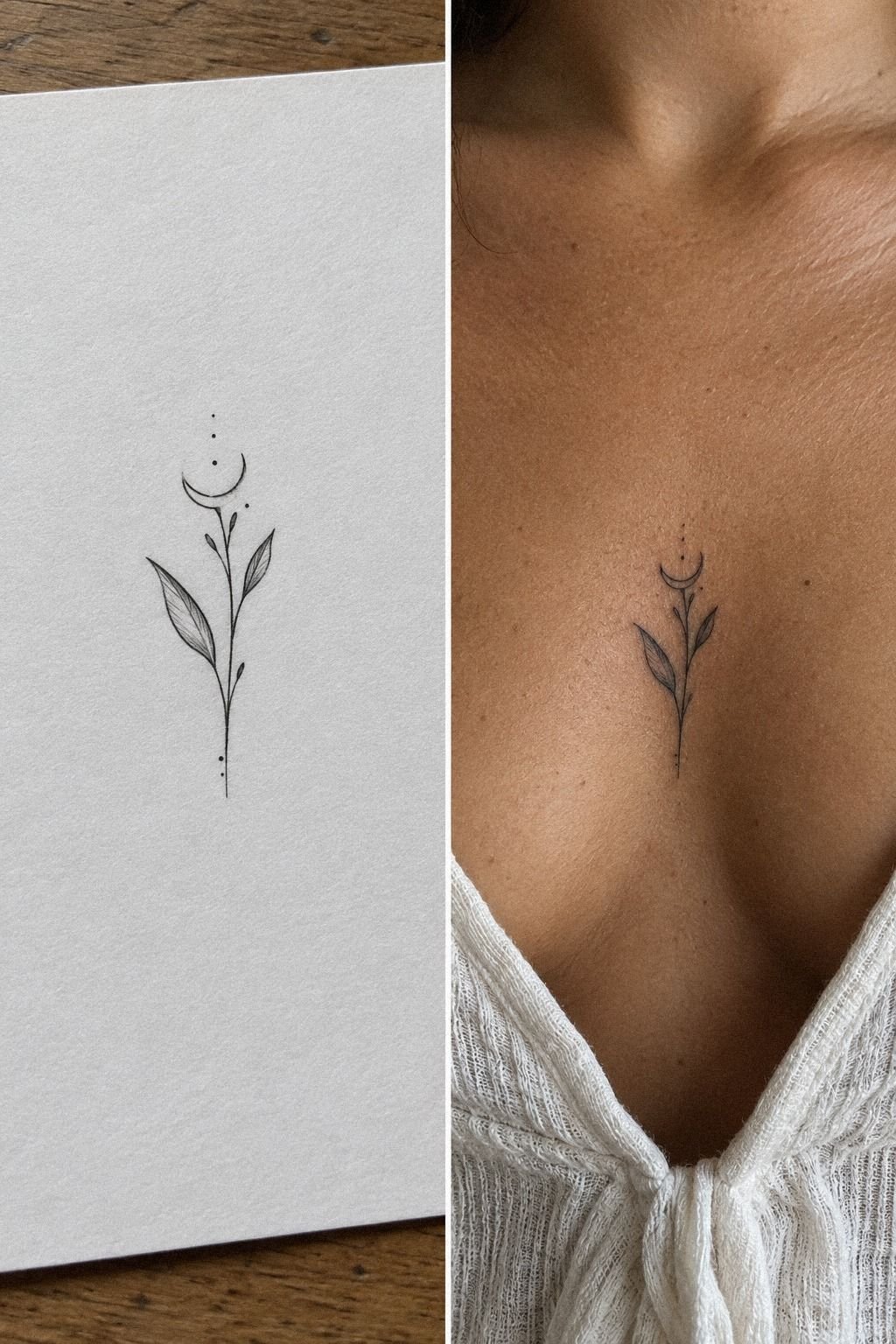
The first evening, the fresh tattoo looked darker and slightly raised because the skin was irritated. I didn’t judge the final result yet, even though the crescent seemed bolder than I had imagined.
I washed it gently with a gentle cleanser, patted it dry, and followed the artist’s instructions about moisturizing. I avoided rubbing, tight sleeves, and unnecessary touching.
The written aftercare instructions were simple: keep the area clean, avoid soaking it, and protect it from direct sun while it healed. I didn’t add random products just because someone online recommended them.
Over the next few days, the skin settled and the color softened. The healed crescent looked quieter, sharper, and more integrated with my arm. That was enough!
11What It Cost and How It May Age
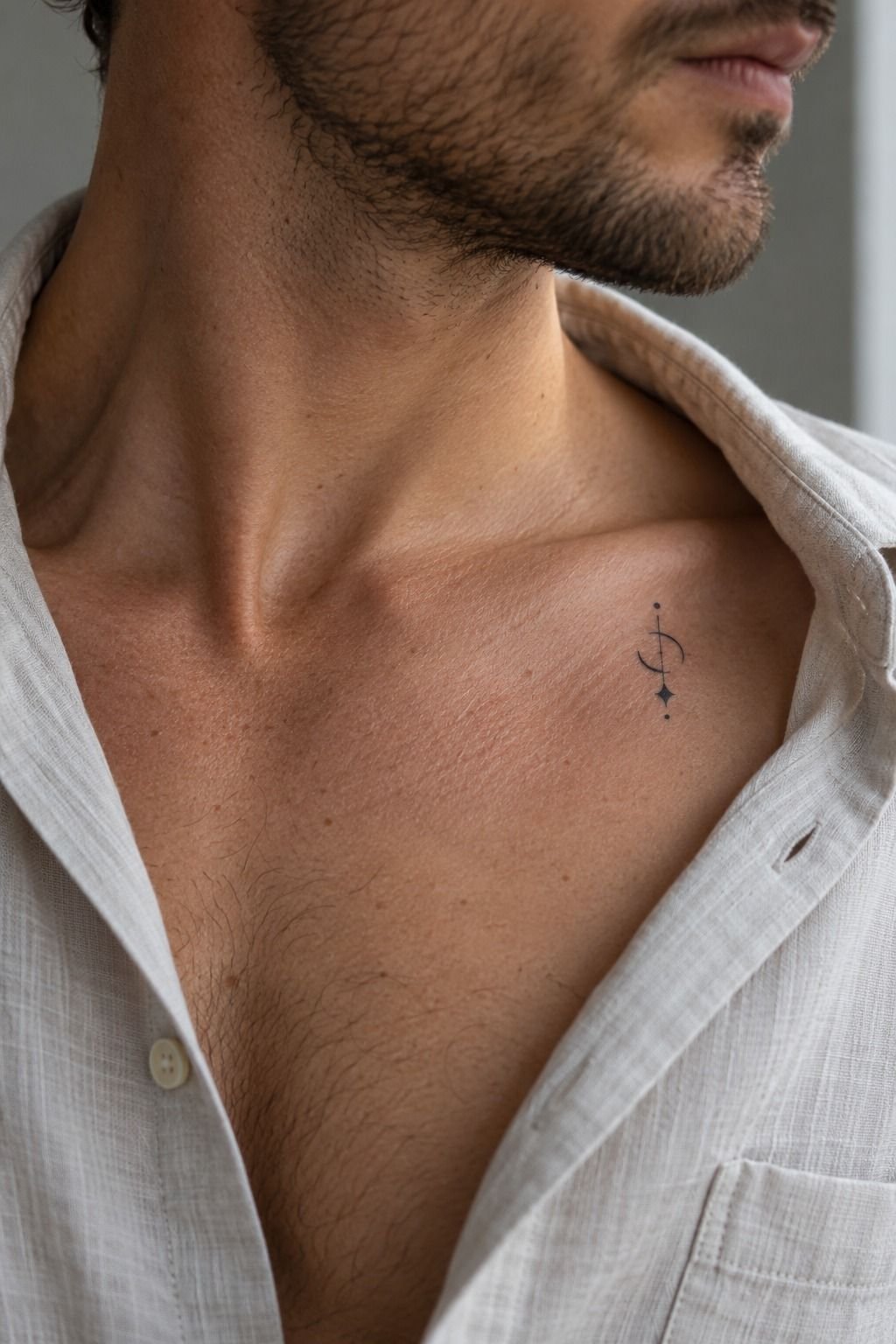
My appointment fit within a typical small-tattoo budget, but the final price depends on the artist, region, studio minimum, placement, and detail. A very small piece may still require careful setup and precise work.
A detailed fine-line tattoo can cost more than its physical size suggests. I planned for the upper end because saving money wasn’t worth choosing someone whose healed work I didn’t trust.
I also checked a small neck tattoo guide to understand how different placements can affect preparation and pricing. My forearm was less complicated, but the comparison helped me ask better questions.
Sun matters too. Repeated sun exposure, friction, and skin movement can soften delicate work over time. Mine still looks vibrant because I left enough space around the design and treat the skin carefully.
12The Three Checks I Use Now
I judge a small tattoo with a three-check rule: does the shape read clearly, does the placement suit daily movement, and does the meaning remain important without an explanation?
The first check is clarity. An open shape usually has more room to settle gracefully than a crowded design packed with tiny details.
The second is behavior. Fingers bend, wrists turn, and ribs expand, so the most striking placement isn’t always the most practical one. I wanted a symbol that could keep its personality during ordinary movement.
The third is emotional staying power. I’d rather take a six-month pause than rush toward a design that only feels exciting because it is new.
Finally, I study healed examples, not only fresh work. Fresh ink can look vibrant and sharp, while settled ink becomes quieter. If the design still feels meaningful at that stage, the choice is probably stronger.
My Editorial Take on Very Small Tattoos
A very small tattoo asks for more editing than people expect. There is nowhere for a weak curve, unnecessary dot, or cramped detail to hide, so every line has to earn its place. That limitation can feel frustrating during planning, but it also creates a clear decision-making process.
I recommend judging the design in ordinary daylight, with your arm relaxed and your usual jewelry nearby. A symbol that works only in a posed reference can feel strangely disconnected once you move, type, sleep, or reach for something.
I’m also skeptical of promises that tiny tattoos are automatically effortless. The appointment may be brief, but the artist still needs control, patience, and a strong understanding of how skin changes. A clean studio and an artist’s portfolio with healed work tell me more than a dramatic caption ever could.
The best designs leave room for skin movement. They don’t fight every fold or try to preserve a perfectly flat drawing on a moving body. A crescent, line, dot, or small botanical mark can become more whimsical when it responds naturally to the way you move.
Most importantly, the symbol should belong to you. My crescent became a private symbol, not because it was rare, but because I had lived with its meaning long enough to recognize it as mine. That is what made the final result feel personal, timeless, and quietly strong.
What People Always Want to Know
How much does a very small tattoo usually cost?
I’d budget around $100 to $300 in the United States, depending on the artist, region, placement, and detail. Some studios charge a minimum of $50 to $100, while experienced artists may use hourly pricing. I’d prioritize clean healed work over the cheapest available quote.
Are very small tattoos a good first tattoo?
I think a first tattoo can be very small and still feel significant. The appointment may be contained, but the design should remain readable and personally meaningful. I’d choose a clear shape, ask about placement, and avoid details that depend on perfect line retention.
How do I choose an artist for a very small tattoo?
I’d look for clean healed linework, consistent hygiene, and experience with the placement I want. I’d also ask how the artist adjusts tiny details for skin movement and long-term readability. A healed portfolio is more useful than a collection of fresh results.
How much do very small tattoos hurt?
I found the sensation sharper than painful. Areas such as the ribs can feel more intense because of thin skin and bone, while the forearm is often easier to tolerate. Personal sensitivity matters, so I wouldn’t treat anyone else’s pain rating as a guarantee.
How long does a very small tattoo take to heal?
I’d expect the surface to heal in roughly two to three weeks, with deeper settling continuing longer. I’d wash gently, moisturize as directed, avoid soaking, and protect the area from sun. I’d also follow the artist’s specific instructions instead of improvising.
What is the best placement for a very small tattoo?
For me, the inner forearm offered the best balance of visibility, comfort, and access during aftercare. I’d consider movement, sun exposure, friction, and privacy before choosing. The best placement is the one that fits your daily life, not merely the one that looks best in a reference.
Where I’d Start First
If I had to choose again, I’d start with the inner forearm. I could see the stencil clearly, protect the area during healing, and watch how the design changed with movement.
I’d save the saved sketch, wait several weeks, and revisit it without the first rush of excitement. If it still feels personal, I’d book the appointment.
The right small tattoo doesn’t need to shout to feel fierce. I’d do it again!