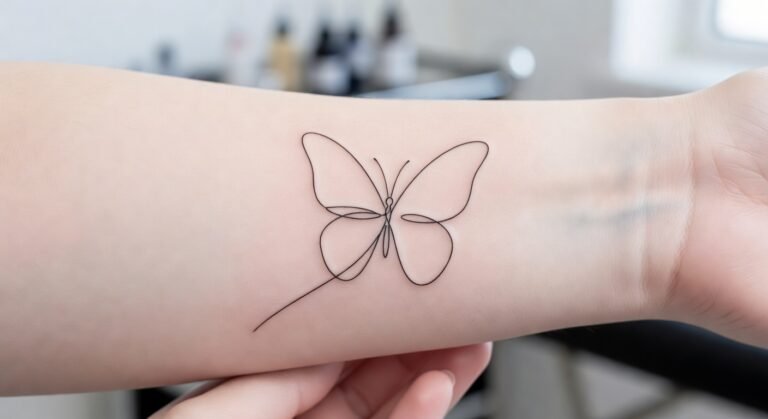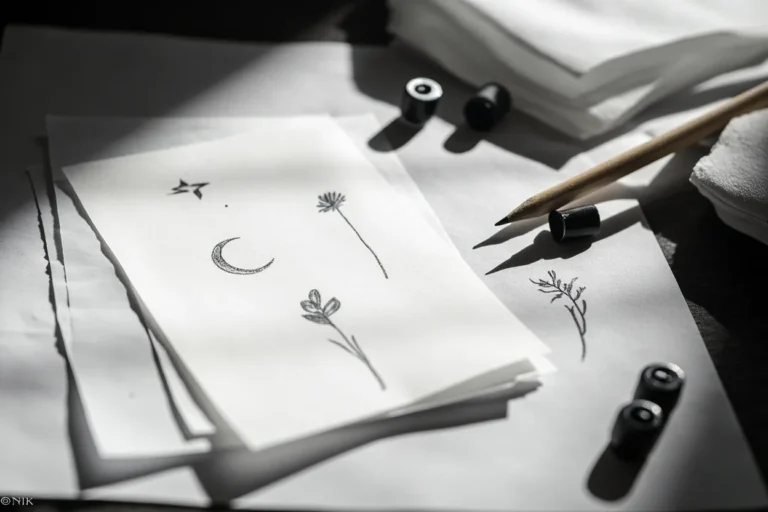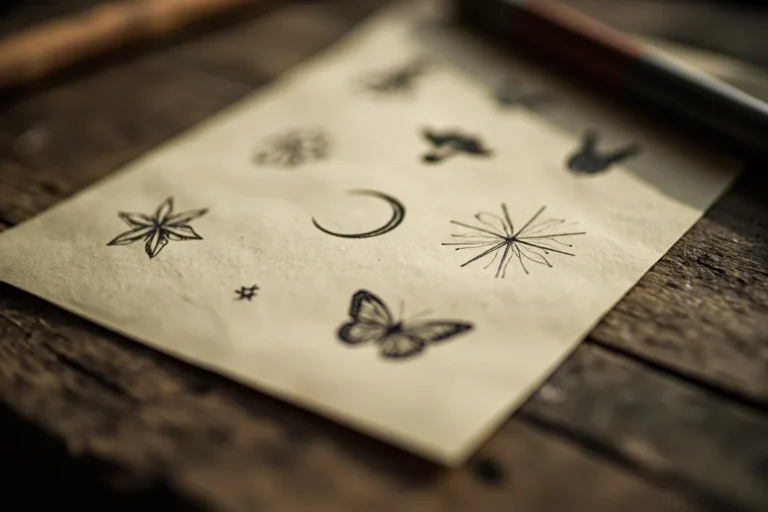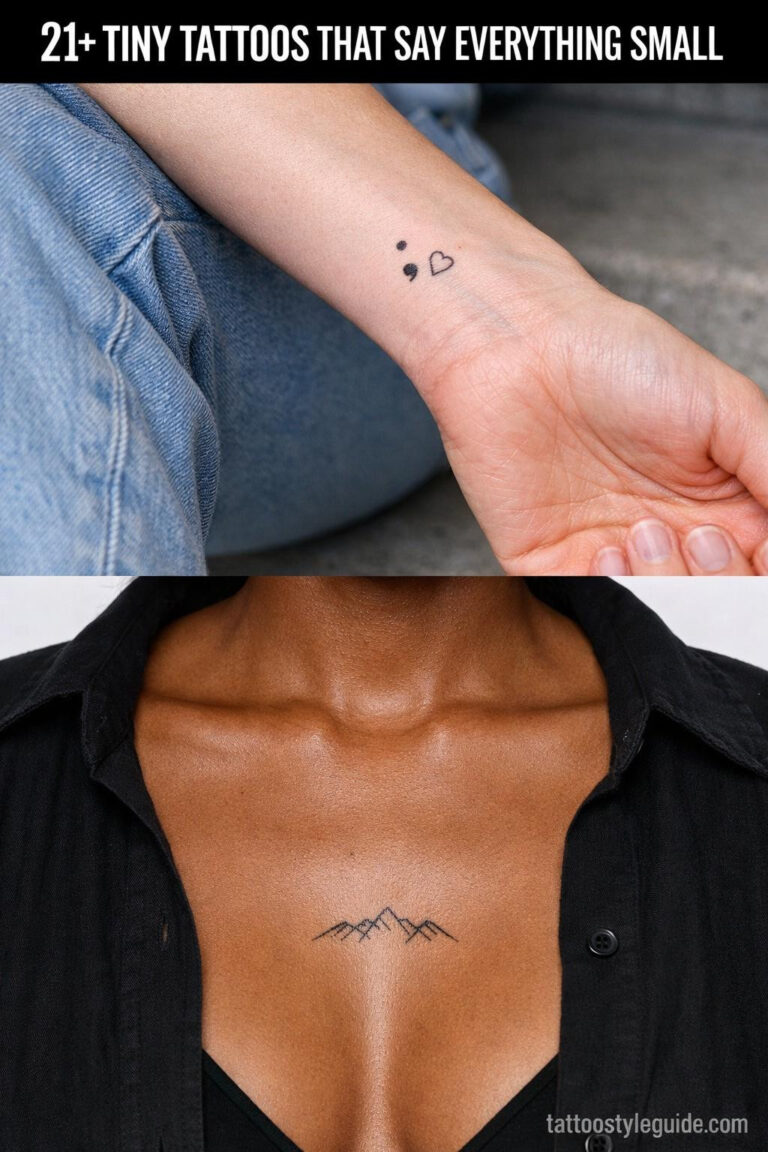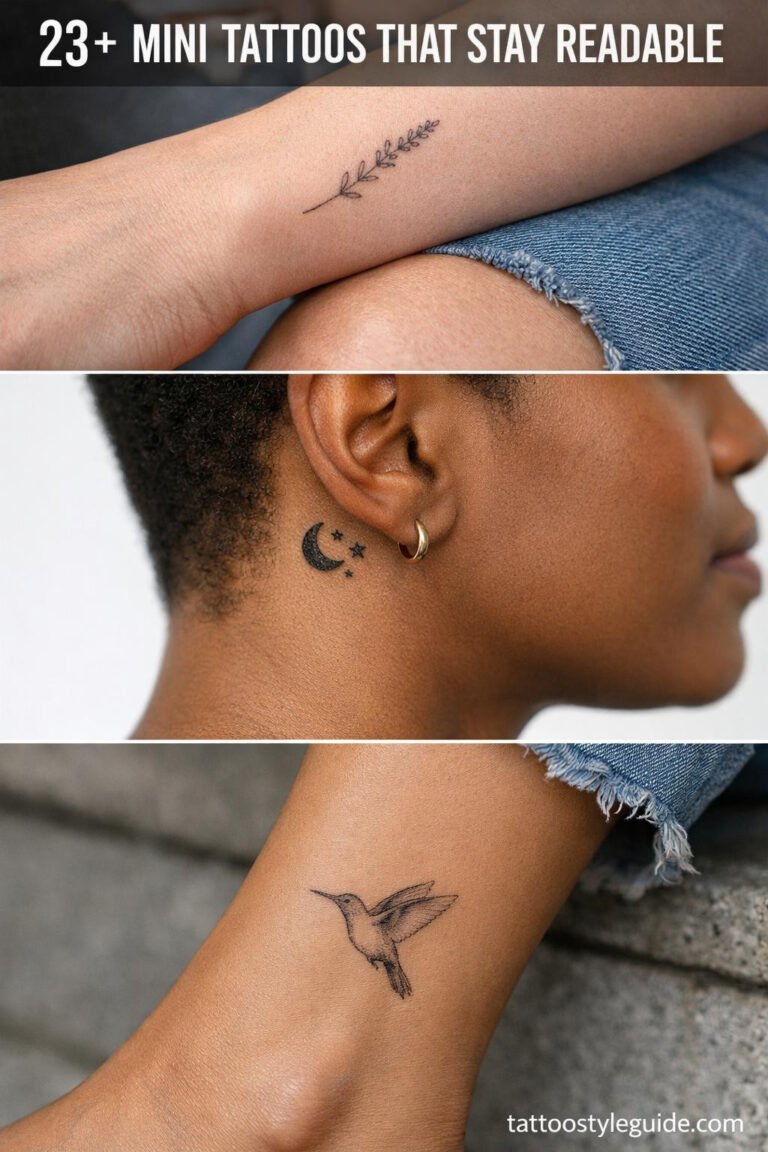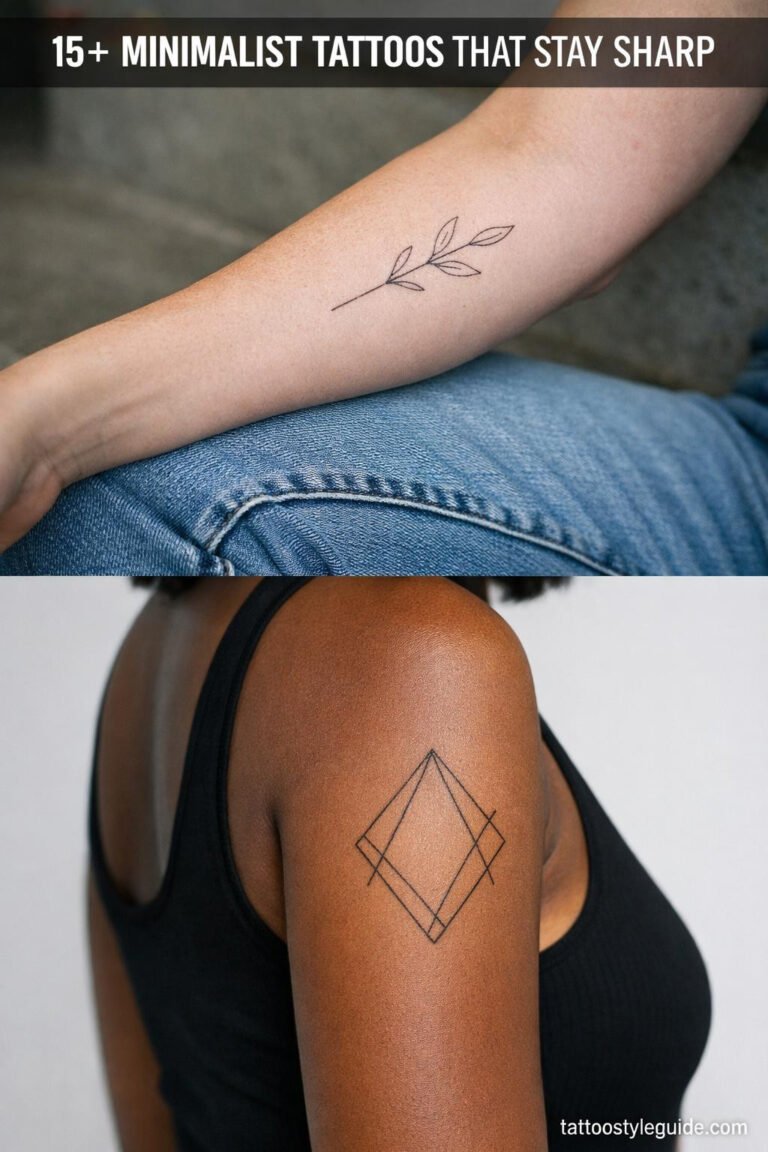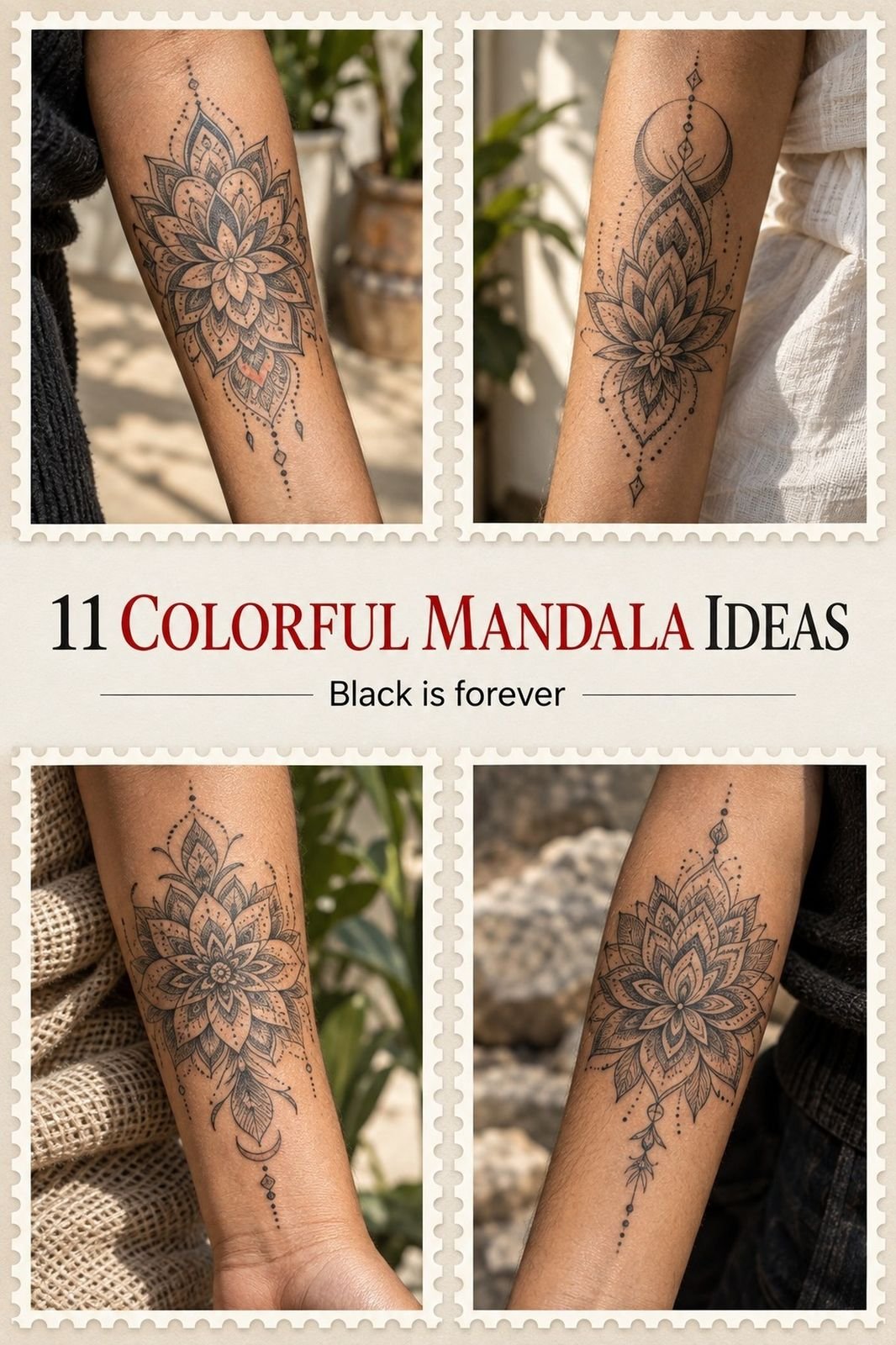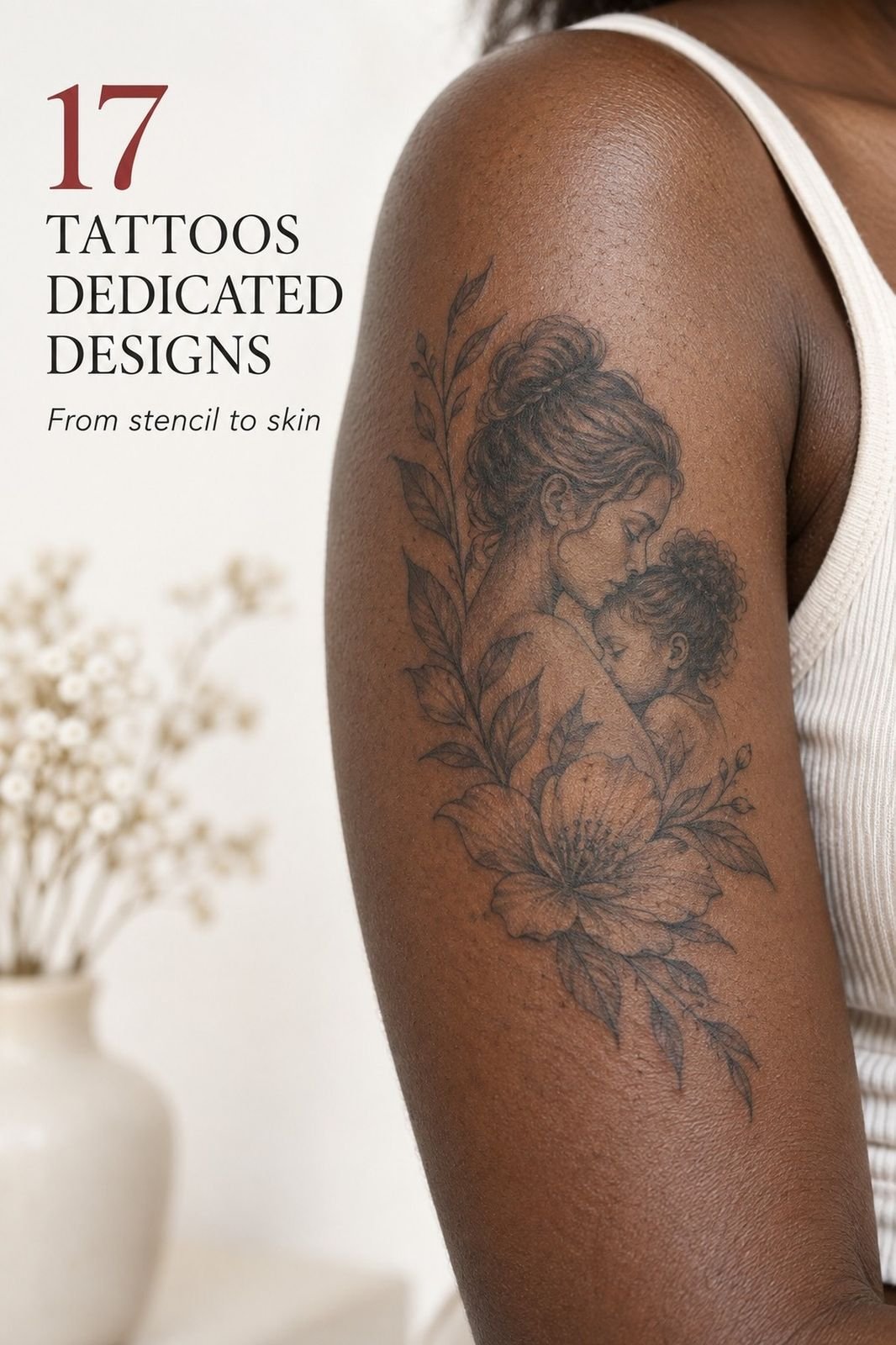
Tiny tattoos with meaning can stay crisp and personal when the symbol, placement, and line weight work together. I once chose a design because it looked striking online, then regretted how little it meant to me. Your best piece should carry a story you’ll still recognize years from now. Start small, but think deeply!
Short version: choose one symbol, one clear memory, and a size your artist can execute well. A tattoo’s value isn’t tied to complexity. The right small mark can feel more powerful than an elaborate design that says too much.
- Map a Constellation With Personal Meaning
- Which Botanical Symbol Fits Quiet Strength?
- Hide a Story in Finger Ink
- Let Roman Numerals Mark a Life Milestone
- Choose an Animal That Carries Your Story
- Can Matching Tattoos Stay Personal?
- Break the Heart Symbol Into Something Unexpected
- Where Do Coordinates Hold Meaning?
- Shape a Dainty Script Tattoo Around Your Voice
- Why Sacred Symbols Need Extra Care
- Follow a Wave Through Change
1Map a Constellation With Personal Meaning
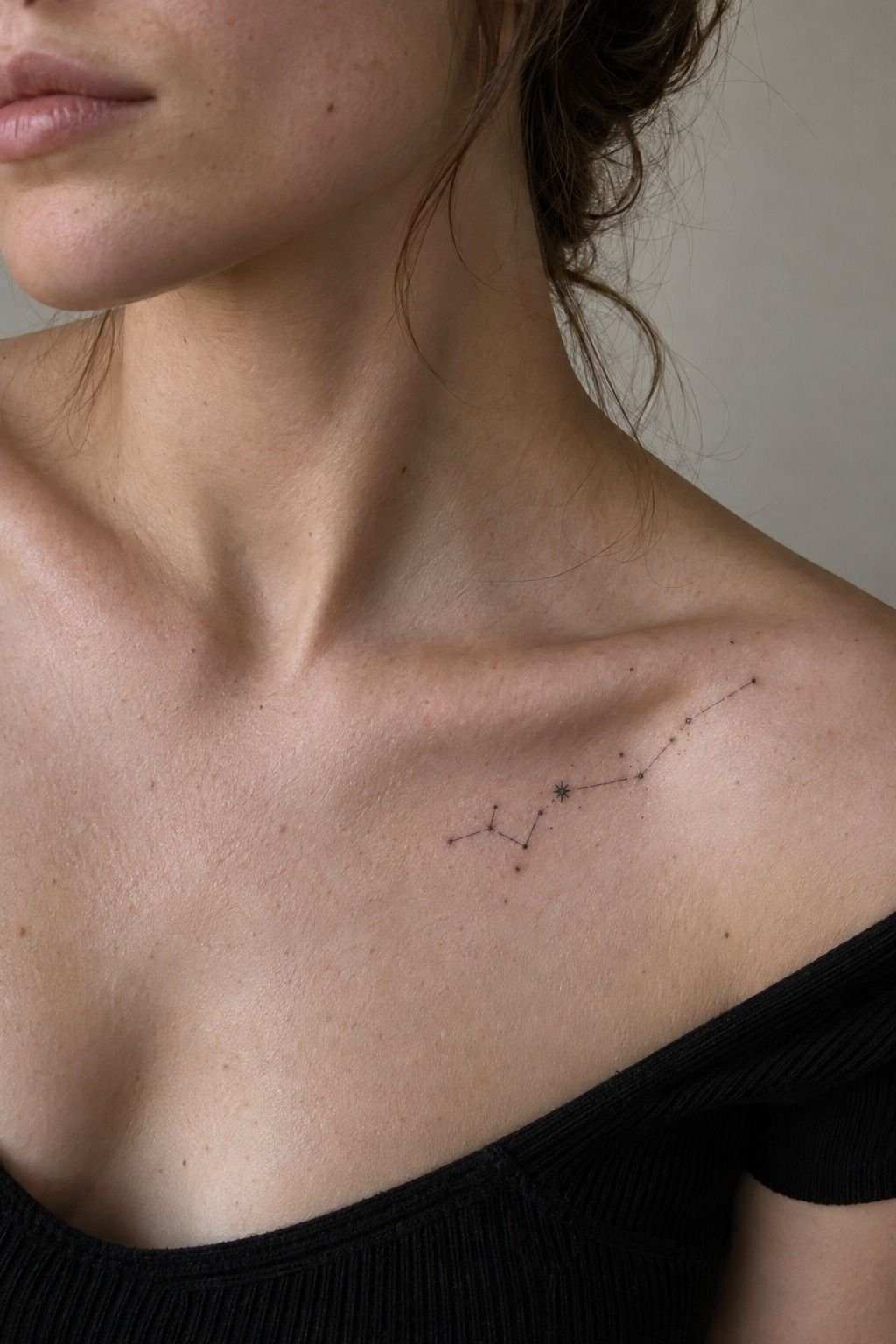
A constellation on the collarbone gives you a delicate way to mark a person, place, or season without spelling everything out. For your design, choose three to five stars connected by fine-line black ink. The spacing should feel intentional, not crowded.
You might map the stars from a birth month, a shared night sky, or a private set of initials. I’d skip copying a famous constellation unless it means something to you, because the emotional detail matters more than astronomical accuracy. Your personal pattern will feel more meaningful when you know why every point is there.
Keep the lines crisp and restrained. A single-needle tattoo can look elegant at first, but extremely thin marks may soften as your skin ages, especially with regular sun exposure. Ask your artist whether a slightly stronger line would keep the constellation readable without losing its minimal shape.
The collarbone is visible, expressive, and somewhat bony, so you’ll notice the session more than you might on an upper arm. Still, it’s an intimate placement that can look understated beneath a shirt. If you want more ideas with emotional weight, browse these unique tattoos with meaning before you commit.
I’d make the brightest star represent the person or decision that changed your direction. The rest can stand for the smaller moments that helped you get there. That uneven balance is what makes the design personal, rather than merely pretty.
2Which Botanical Symbol Fits Quiet Strength?
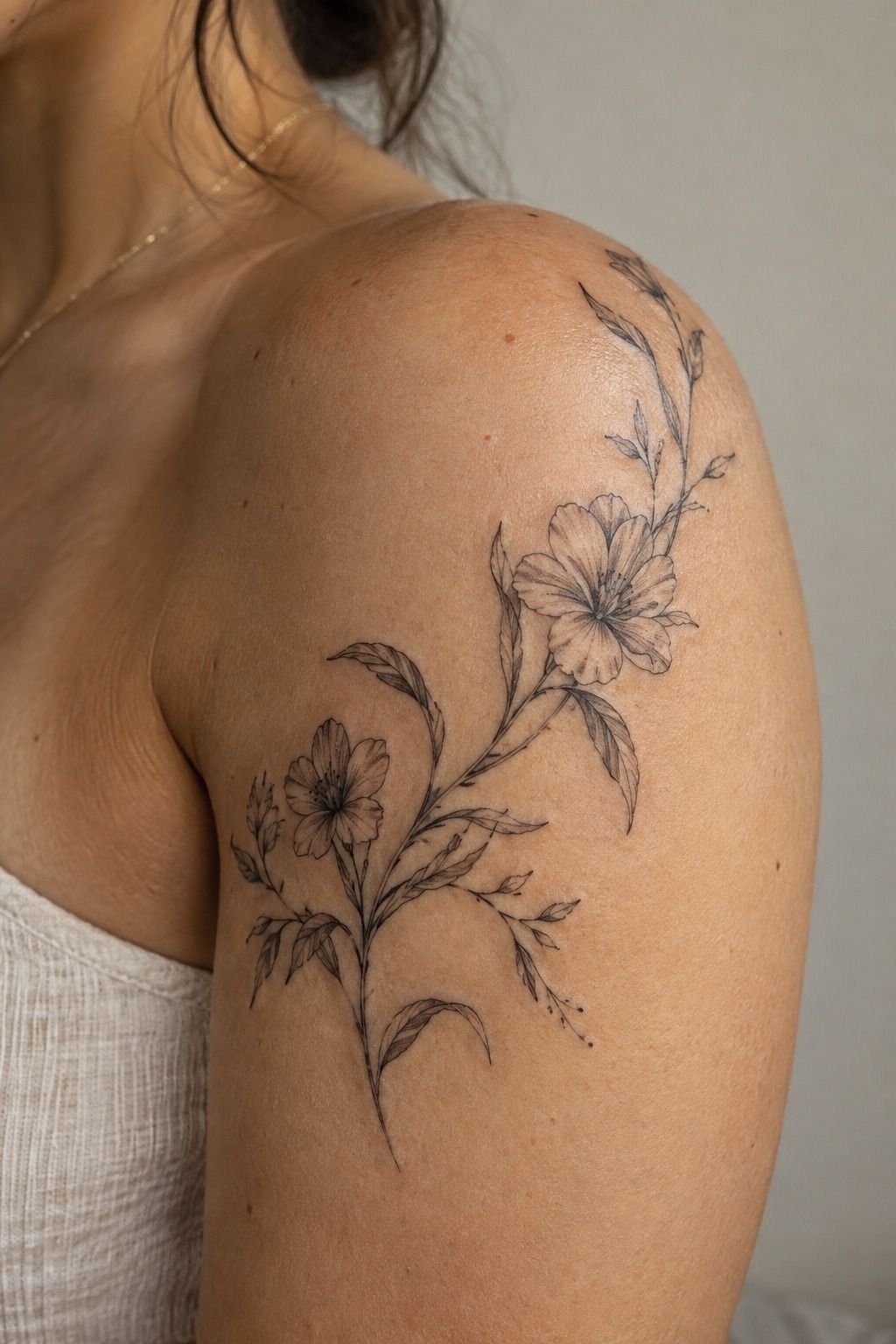
A small botanical tattoo can express resilience without using a literal phrase. A shoulder placement suits an organic black line, with a slender stem and a few carefully spaced leaves. Choose a plant connected to memory, family, or a place you return to in your mind.
You could use a fern for persistence, an olive branch for peace, or a wildflower that grew near your childhood home. The meaning doesn’t need to be universal. I find that the most expressive botanical tattoos are the ones with a slightly imperfect shape, because your story rarely follows a perfect curve.
Ask for delicate leaf work with enough breathing room between the stem and petals. When details are packed too tightly, they can blur as the tattoo settles. Your artist should show you a healed example, not only a fresh photograph with sharp black ink.
A shoulder tattoo is usually more tolerable than a rib, foot, hand, or sternum piece, though everyone’s experience differs. You’ll want to protect the area from direct sun while it heals. For more symbolic directions, compare it with these tattoos symbolizing meaning.
I’d choose one plant and remove everything decorative that doesn’t add meaning. That restraint creates an elegant result. A single curved stem can feel more empowering than a crowded bouquet when you want the image to remain clear and personal.
3Hide a Story in Finger Ink

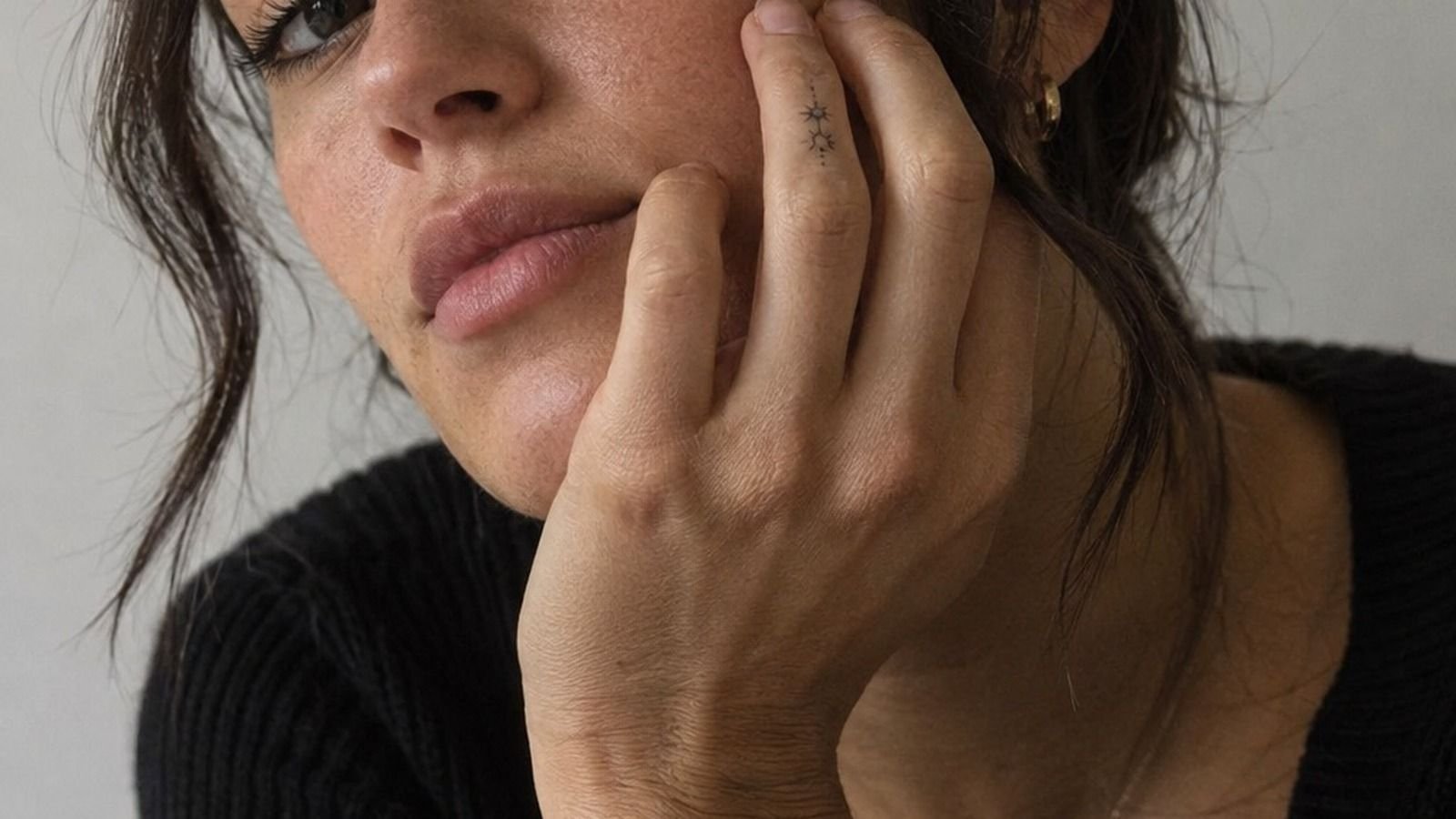
Finger tattoos work best when the design is tiny, bold enough to read, and connected to a private story.
4Let Roman Numerals Mark a Life Milestone
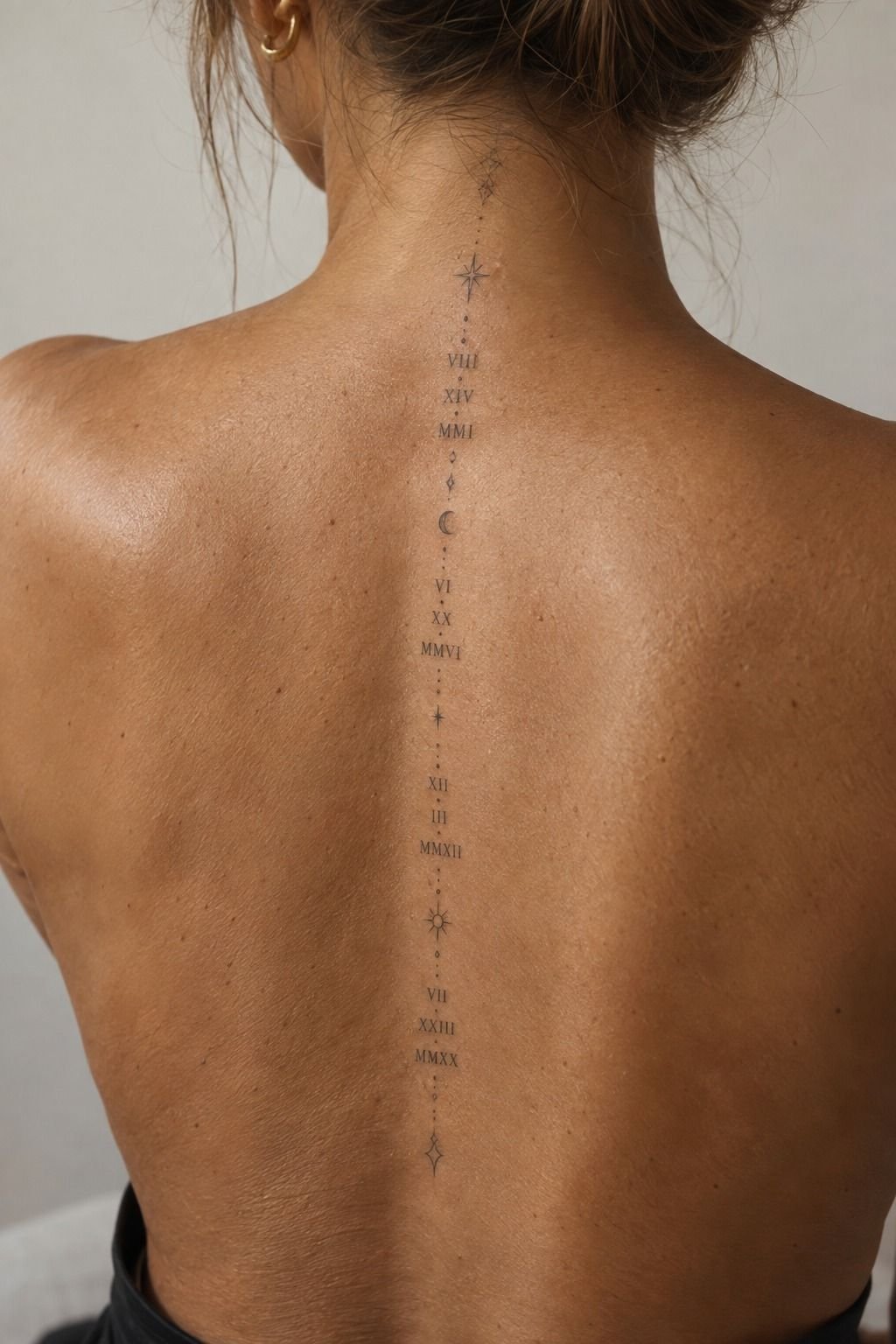
Roman numerals can preserve a date while keeping the message understated. A spine placement follows the body’s natural line and creates a sleek, meaningful mark. Your date might represent a birth, recovery, marriage, move, or moment when you chose yourself.
Use clean Roman numerals with generous spacing, especially if the tattoo wraps or follows the spine. I’d skip an overly ornate font, because decorative curls can make a short date harder to read. The goal is a crisp code, not an antique inscription.
The spine is a more sensitive placement because the skin sits close to bone. You’ll want to discuss the exact position before the stencil goes on, since a small shift can change how the numerals flow with your anatomy. Bring a reference date, but let your artist adjust the scale for clarity.
A fine-line numeral tattoo may take less time than a large piece, yet the session length depends on placement and detail. Your artist may recommend slightly stronger lines if the date is extremely small. That choice is practical, not a failure of minimal style.
If you like date-based ideas, pair this concept with little tattoos with meaning and compare placements. I’d choose a date that still matters without explanation. A private milestone gives the design an empowering edge that trends can’t take away.
5Choose an Animal That Carries Your Story
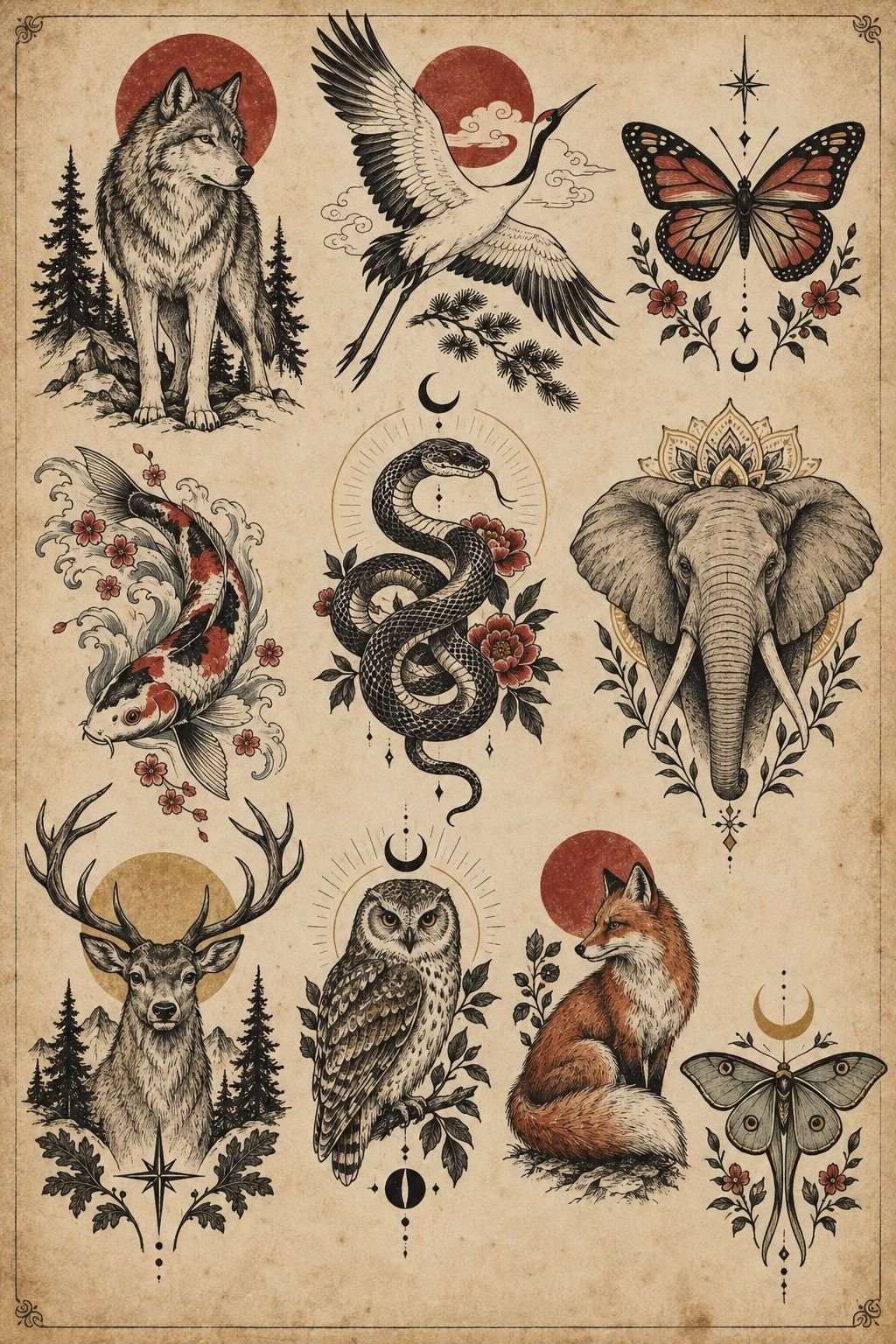
A small animal tattoo can carry instinct, loyalty, grief, freedom, or transformation in one recognizable silhouette.
6Can Matching Tattoos Stay Personal?
Matching tattoos don’t need to be identical to feel connected. You can share a symbol, split one design between two people, or choose related marks that make sense on their own. That gives each tattoo a stronger personal identity.
A paired tattoo concept might use two halves of a wave, separate stars from one constellation, or animals facing each other. I’d avoid designs that only make sense when both people are together. Your tattoo should still feel meaningful if life takes you in a different direction.
Think about the relationship before you think about the graphic. Is the connection based on family, friendship, recovery, or a shared adventure? An honest answer will help you choose a symbolic design instead of a trendy duplicate.
Placement can carry its own message. Two people might choose the wrist for visibility, the ankle for privacy, or a small area near the heart for a more intimate reminder.
Compare the likely cost and aftercare before booking together. It’s worth it when both people understand the commitment.
Matching tattoos can also be subtly different. One person might choose a crescent, while the other chooses a star.
The result feels cohesive, but neither mark loses its expressive character. Absolutely!
7Break the Heart Symbol Into Something Unexpected
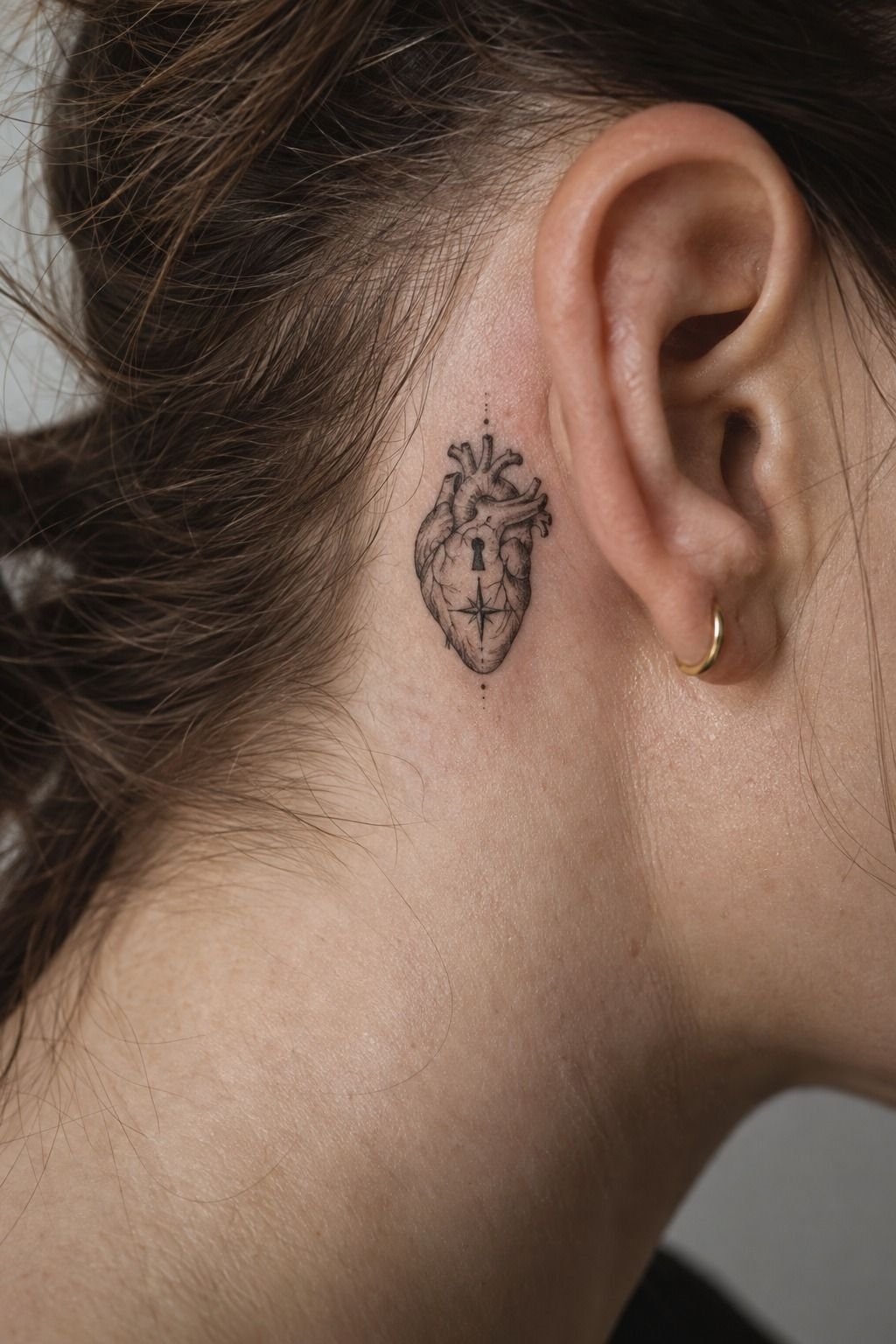
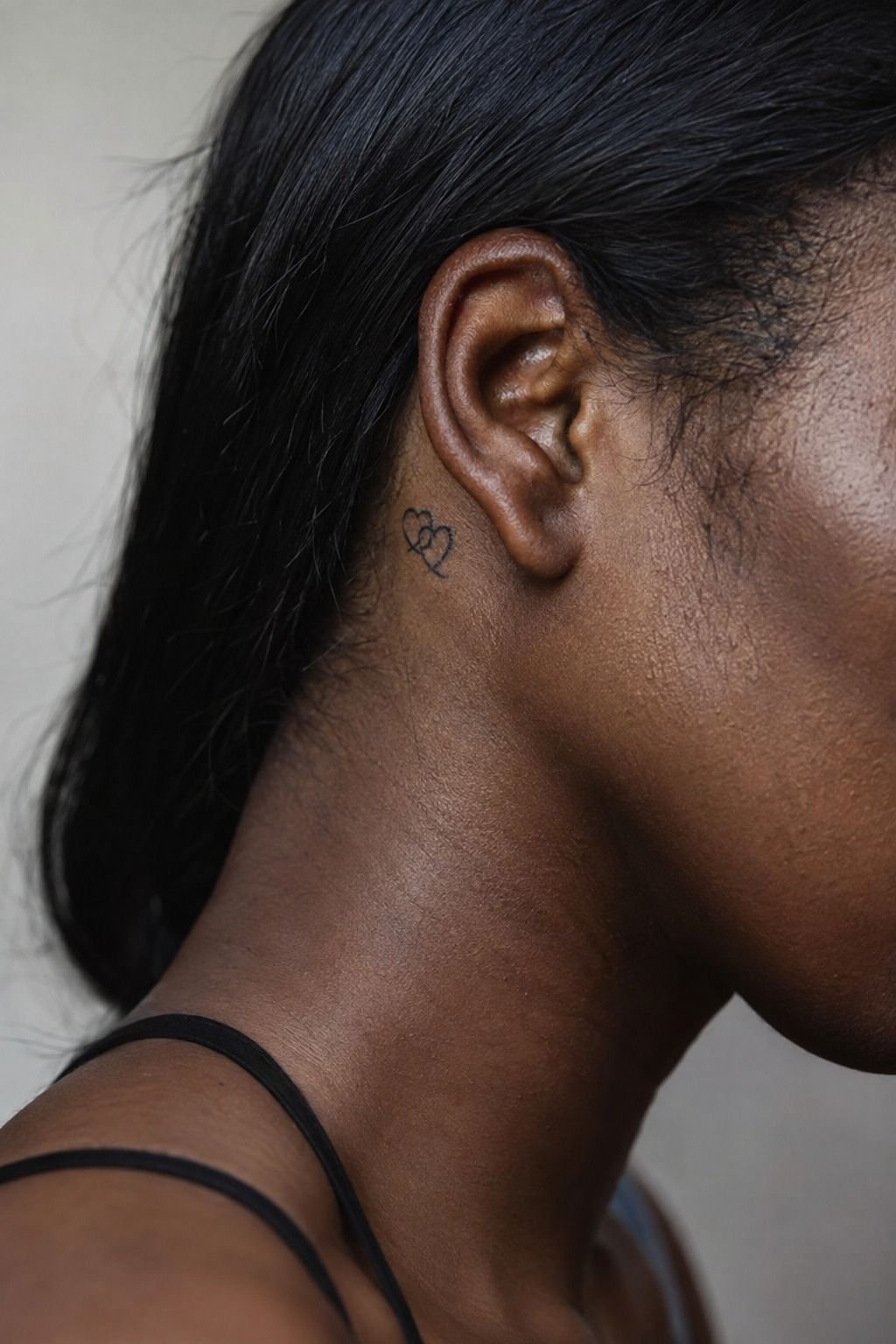
A heart can be romantic, but it doesn’t have to represent romance. A discreet placement behind the ear can make the symbol intimate and easy to cover. Your heart could honor a parent, a recovery, a private passion, or the part of yourself you’re learning to protect.
Consider a micro heart outline with one unexpected break, dot, or interior mark. A small opening can represent healing, while a second line might stand for someone who helped you through a difficult season. I’d skip a generic heart copied from a trend board unless you can attach a specific memory to it.
Behind the ear is visible when you want it to be, but easy to cover. The skin there can be sensitive, and hair or headphones may create friction during healing. You’ll want to follow your artist’s aftercare instructions closely and keep the area clean without scrubbing.
A heart doesn’t need red ink to feel vibrant. Black linework gives you a timeless base, while a tiny negative-space center can keep the design light. If you want a wider range of symbolic prompts, browse these mini tattoos with meaning unique.
I’d choose the least obvious meaning you can defend. A heart for self-trust feels more empowering to me than another love symbol. The best version should make you pause every time you see it, even if nobody else asks about it.
8Where Do Coordinates Hold Meaning?
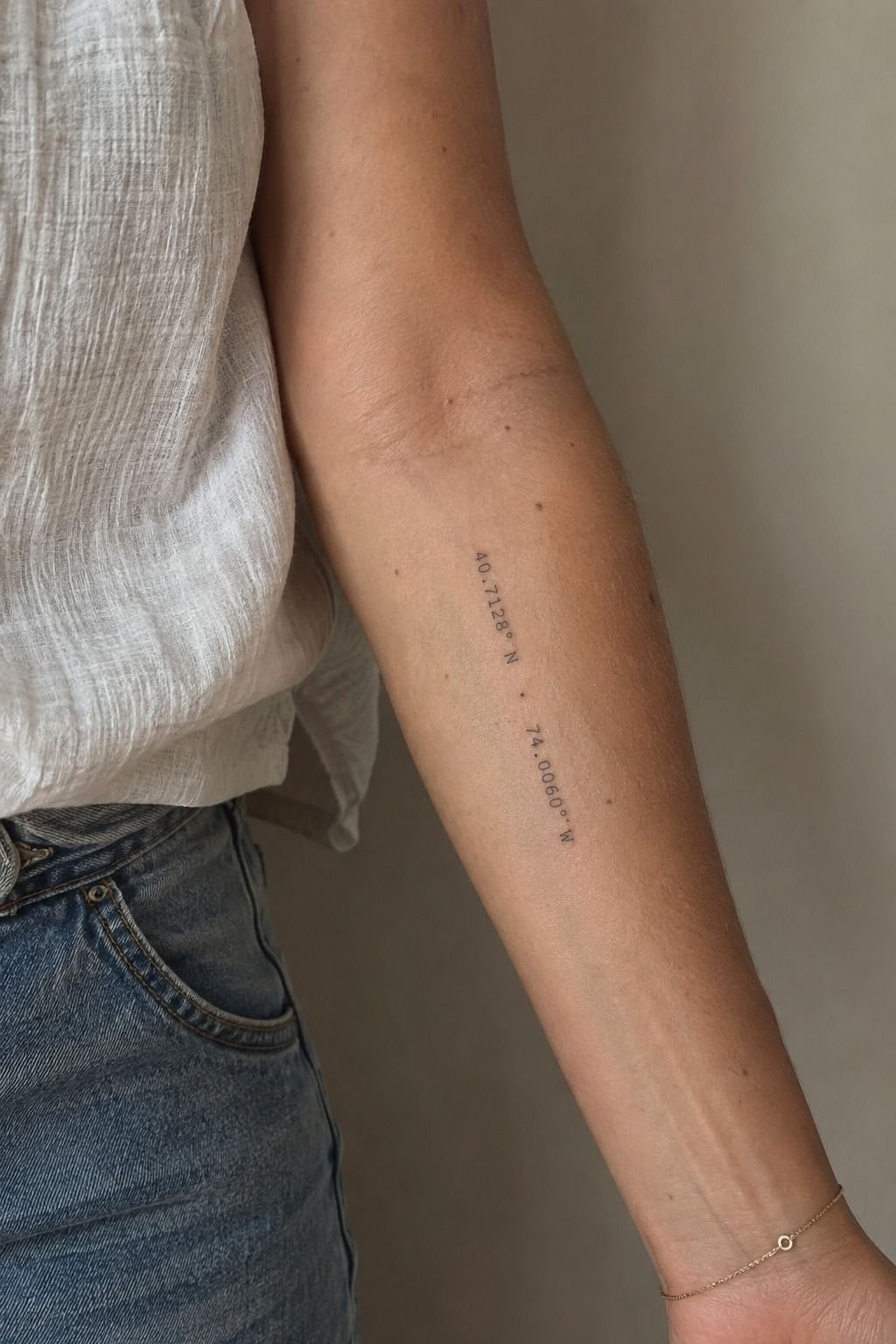
Coordinates turn a location into a private sentence. You might mark the place where you met someone, recovered from a difficult year, saw the ocean for the first time, or felt most like yourself.
Use coordinate tattoo lettering that remains readable at the final size. Long strings of numbers need enough space, so ask your artist to test the stencil before you decide. Shrinking the design too far may reduce its value and make future touch-ups harder.
The location can stay hidden on the ribs, inner arm, or upper thigh. A wrist or forearm makes the reminder easier to see. Think about your budget, pain tolerance, and how often you want the memory in front of you.
I’d verify the numbers twice and consider adding one tiny symbol, such as a dot or compass point. Don’t add a whole landscape unless the coordinates alone feel incomplete. For more personal directions, compare these unique tattoos with meaning with your chosen place.
9Shape a Dainty Script Tattoo Around Your Voice
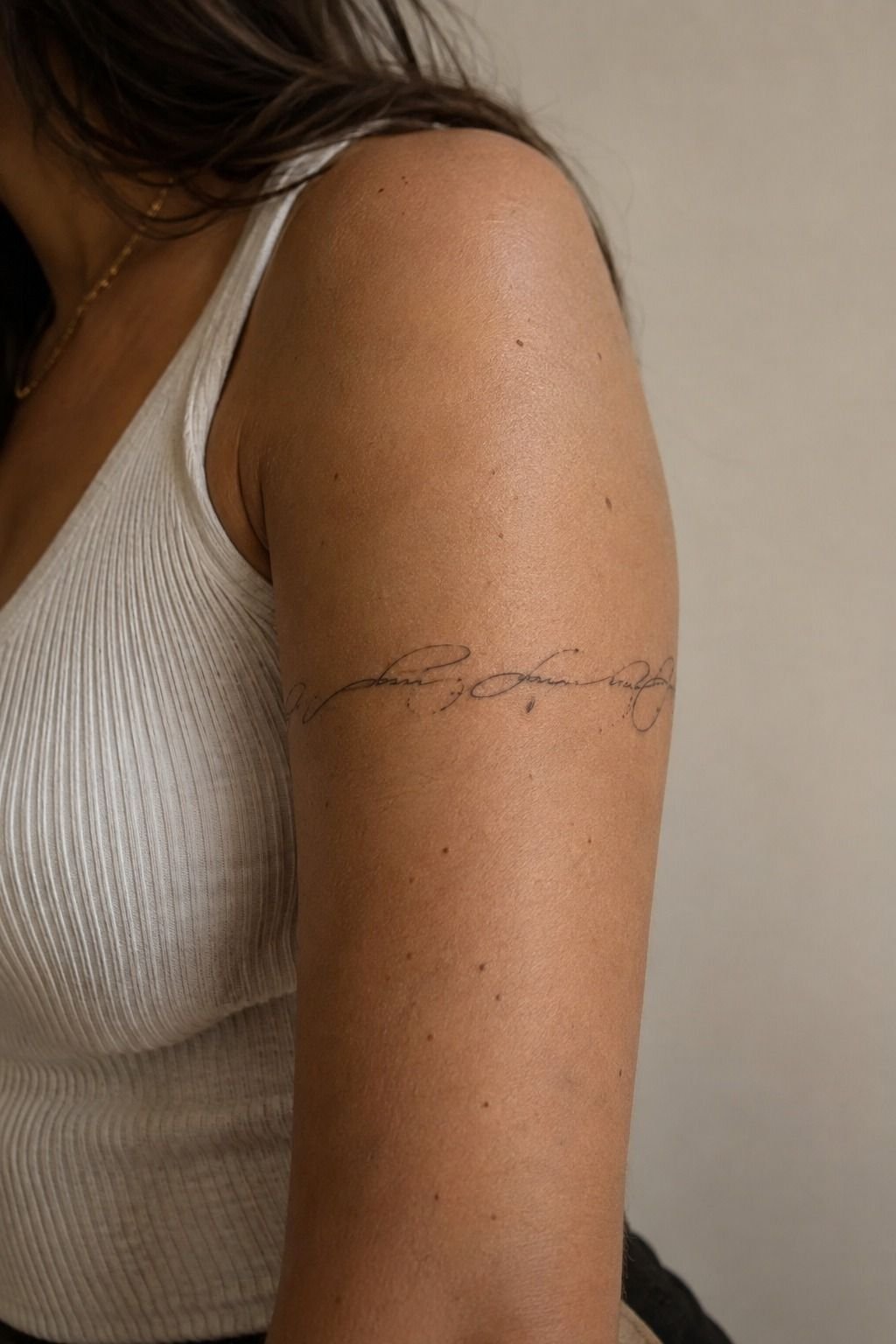
A short mantra can give you a direct reminder, but tiny script needs more planning than people expect.
10Why Sacred Symbols Need Extra Care
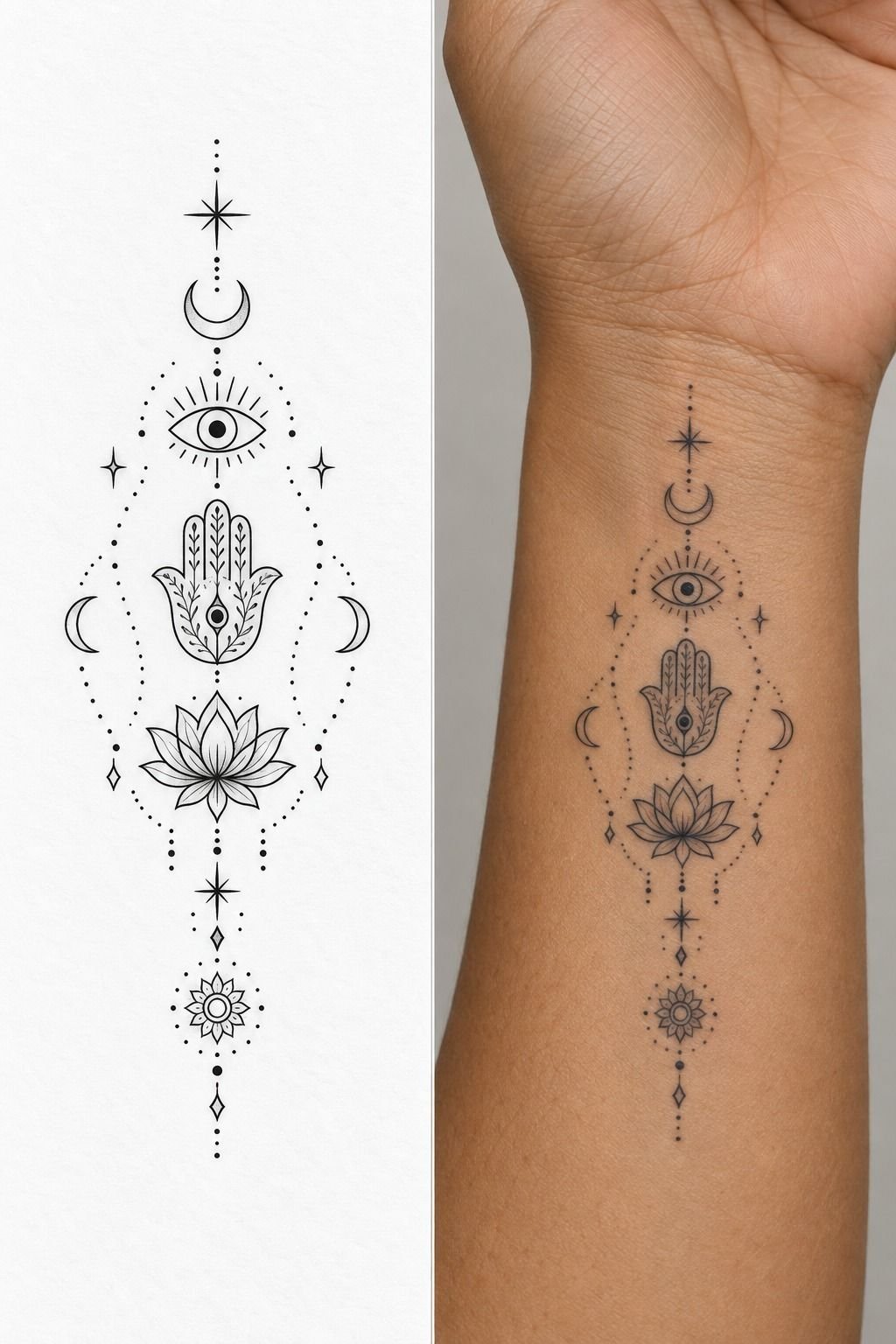
Sacred symbols require care because their meaning may belong to a living tradition, family, or community. Your symbol should come with understanding, not just visual appeal. Research first, then decide whether the design belongs on your skin.
Choose bold black sacred linework that remains recognizable at a small scale. Research the symbol’s cultural context before you book, and ask whether your intended use is respectful. I’d skip copying a design from a random trend board when you haven’t learned what it represents.
Fresh ink can look sharper and darker than settled work. You’ll want to judge the real result, especially if the design includes small points, circles, or repeated marks. A crisp, simplified version often feels more timeless than a crowded interpretation.
Sacred tattoos can sit on the forearm, upper arm, shoulder, or another location that lets you decide when to show them. Avoid placing detailed symbols where constant friction may wear them faster. For broader meaning-based references, read tattoos with deep meaning.
I’d choose one symbol and learn its history before changing its shape. That extra time makes the decision more thoughtful. A protective tattoo should feel grounded, not like a decorative shortcut borrowed from someone else’s belief system.
11Follow a Wave Through Change
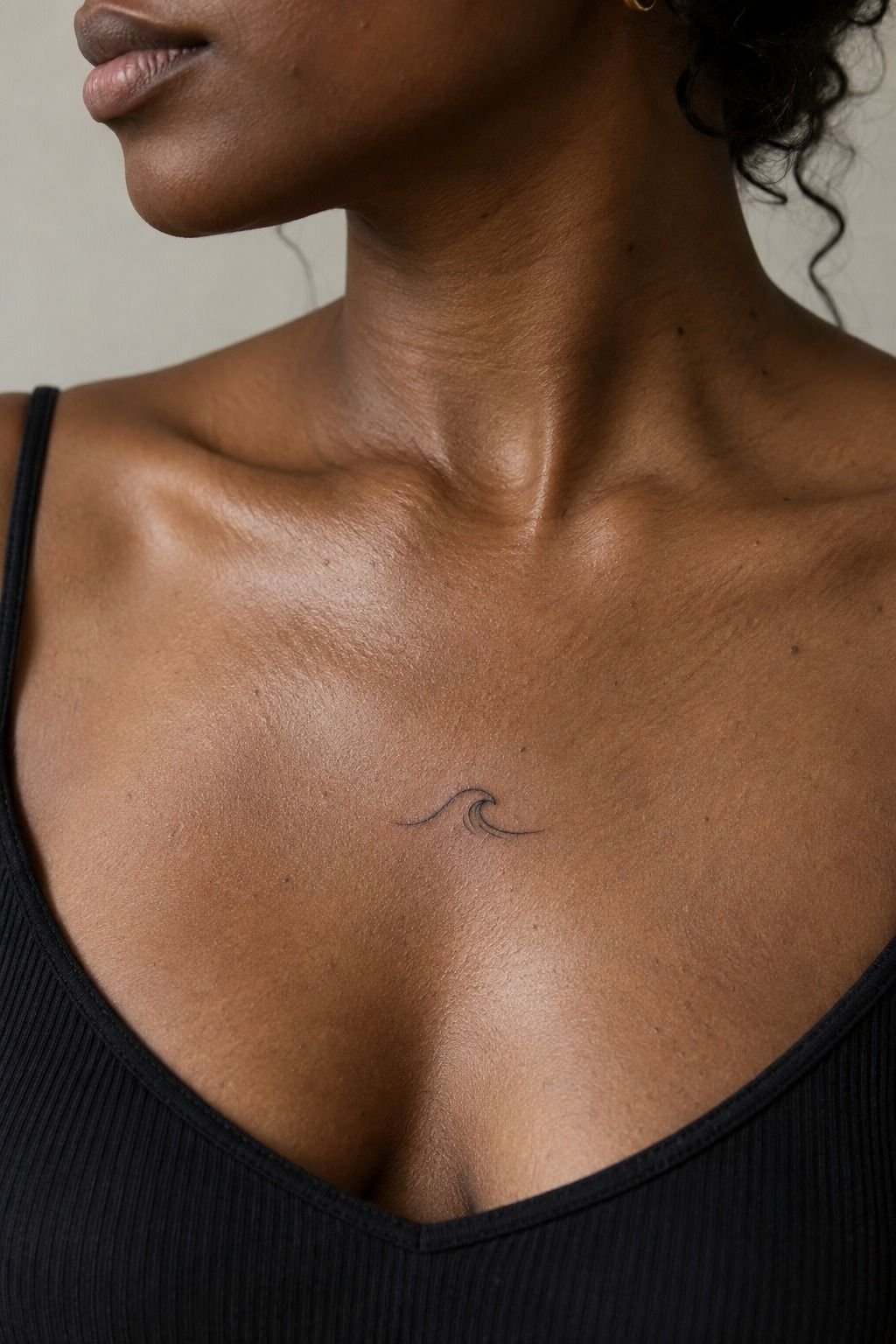
A wave can represent survival, movement, grief, travel, or the decision to keep changing. Its flowing shape works well as a tiny tattoo because a few curved lines can suggest motion without filling the skin.
Choose a small wave outline with one strong crest and a clean base. Too many interior lines may blur, especially if the design is placed on a hand, foot, or another high-friction area. A simplified mark can remain recognizable for longer.
The wave’s meaning can be private or obvious. It might recall a favorite shoreline, a difficult season, or the first time you trusted yourself again. I like that the symbol feels graceful without becoming sentimental.
If you want more compact ideas, compare this concept with tiny tattoos with meaning and meaningful symbol tattoos. I’d choose a wave when you want a vibrant reminder that change can be part of survival.
The Meaning Anchor Method: Why Tiny Tattoos Stay Personal
I’ve changed my mind about small tattoos more than once. At first, I thought a meaningful design needed an obvious symbol, a long explanation, or an unusual placement. Then I watched a tiny mark on someone’s wrist carry more emotional weight than a large, intricate piece.
The difference wasn’t size. It was the story they had chosen to keep.
My strongest advice is to separate visual attraction from personal connection. Save the designs that catch your eye, then ask what they mean to you without borrowing the caption attached to the original post.
If your answer is vague, wait. A personal symbol should survive the momentary pull of a trend, and you’ll feel the difference when you look at it years later.
I’ve also learned that placement is part of the meaning. A collarbone can feel expressive, a finger can feel private, and a sternum can feel fiercely intimate. None of those locations is automatically better.
You’re choosing how often the tattoo enters your day, how much sun it receives, and how much discomfort you’re willing to accept.
The practical side matters, too. Very fine lines can widen, and exposed tattoos need protection from UV light.
Gentle washing, light moisturizer, and avoiding pools during the early healing period aren’t glamorous, but they protect the result. A healed tattoo photograph tells you more than a fresh studio shot, so ask to see both.
If I were choosing today, I’d rather have a simple, symbolic mark with crisp structure than a crowded design that explains everything at once. The slightly understated option usually ages with you more gracefully. Your tattoo doesn’t need to perform its meaning for strangers.
It only needs to remain true when your life changes again.
What People Always Want to Know
How much do tiny tattoos with meaning usually cost?
A tiny tattoo typically costs about $100 to $300 in the United States, depending on the artist, region, placement, and detail. Some studios use a minimum of roughly $50 to $100, while hourly rates often run about $100 to $250. The artist’s experience affects the price. A simple design may be worth it, but a lower budget shouldn’t mean skipping hygiene or healed-work checks.
Are tiny tattoos with meaning a good idea for a first tattoo?
Yes, they can be a strong first choice because you can select a tolerable placement and a design that reflects your story. Forearm, thigh, and shoulder areas are often easier than ribs or sternum. A clear symbol keeps the decision focused. The best value comes from choosing a design you’ll still respect after the novelty fades.
How do I choose a tattoo artist for tiny tattoos with meaning?
Choose an artist with clean linework, healed portfolio photographs, strong hygiene practices, and experience with your preferred style. You’ll want to inspect how lines settle, not just how fresh ink looks. A healed portfolio is your best quality check. Compare the artist’s cost with their consistency, communication, and aftercare guidance.
How much do tiny tattoos with meaning hurt?
Pain varies by person and placement. Ribs, feet, hands, and sternum areas are often more sensitive, while the forearm, thigh, and shoulder may feel more tolerable. Your location matters as much as the tattoo’s size. A short session can still feel intense, so choose a placement that fits your comfort budget.
How long does a tiny tattoo with meaning take to heal?
The surface usually heals in about 2 to 3 weeks, while complete settling can take roughly 2 to 3 months. Wash gently, moisturize as directed, and avoid swimming and strong sun during early healing. Aftercare protects line clarity. Follow your artist’s instructions even when the tattoo looks finished.
What’s the best placement for tiny tattoos with meaning?
The best placement depends on visibility, pain tolerance, and how you want the design to age. The inner forearm is easy to view, while the shoulder offers more privacy and is often tolerable. Choose a location you can protect from frequent UV exposure. Think about long-term value, not just how the stencil looks on appointment day.
Where I’d Start First
If I had to pick one, I’d start with the tiny constellation. Its uneven stars can hold several memories without forcing you into one literal symbol, and the collarbone gives it quiet visibility.
Pin the constellation idea for later and compare it with these mini meaningful tattoos before booking. Start small, choose a meaning you can explain to yourself, and let the design earn its place!