You can shower after about 24 hours, but full submersion, swimming, baths, hot tubs, needs to wait roughly two to three weeks. That gap between “a little water” and “a lot of water” is where most people mess up their healing. The exact timeline depends on size, placement, your skin, and how diligently you keep the area clean and dry between exposures. This guide breaks down what actually happens during each healing phase and how to protect your investment without living in fear of your own faucet.
The First 24 Hours: Leave It Alone
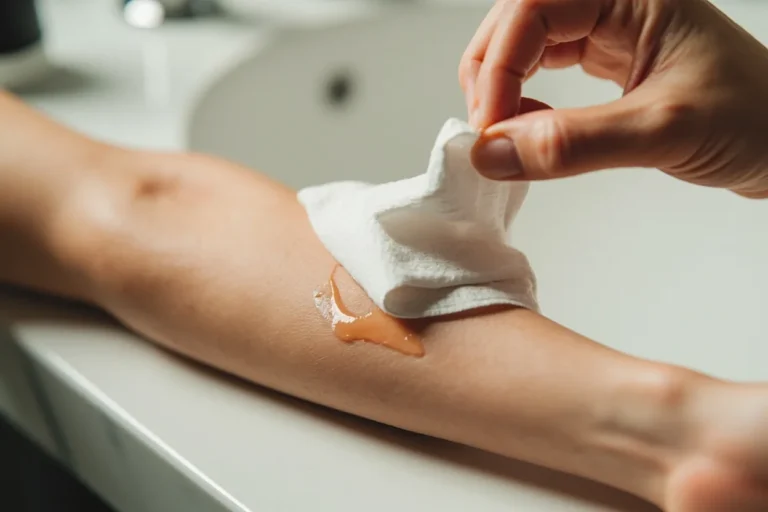
Fresh tattoos weep plasma, ink, and blood for the first several hours. Your artist will have wrapped the area in either a plastic film or a medical-grade adhesive bandage (Saniderm, Tegaderm, SecondSkin). That seal exists for a reason: it keeps bacteria out and prevents the raw surface from drying into a crust.
Showering With the Wrap On
If your artist used a plastic wrap bandage, keep it dry. Quick, lukewarm showers where you carefully avoid direct spray on the area are fine. If water seeps under the edges, pat the wrap dry immediately, trapped moisture breeds bacteria. With adhesive bandages, manufacturers typically allow brief water exposure, but prolonged soaking loosens the seal. Check what your artist specifically applied and follow their instructions over generic advice.
When to Remove the Initial Bandage
- Plastic wrap: usually 2-6 hours, never sleep in it
- Adhesive bandages: 3-5 days for the first piece, per artist guidance
- Never rewrap with plastic film after removal, your skin needs air
Days 1-3: Gentle Rinse Only
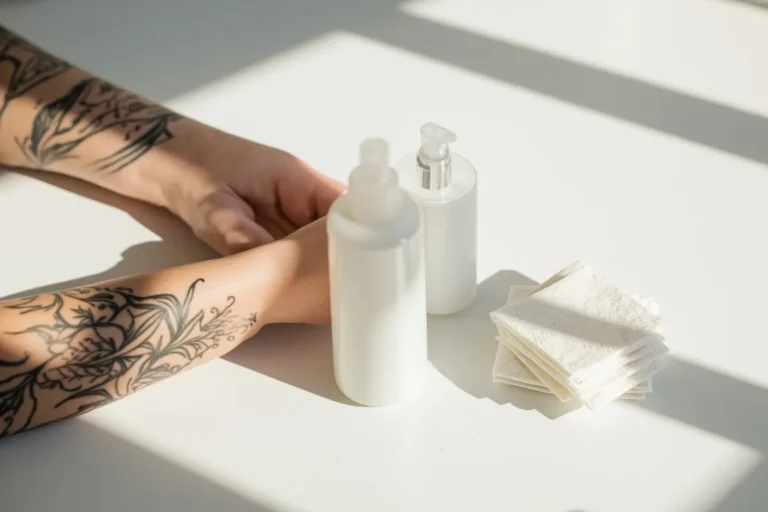
Once unwrapped, the tattoo is essentially an open abrasion. Wash it once or twice daily with unscented, dye-free soap. Use your fingertips, not a washcloth. The water should be lukewarm, hot water opens pores and can push out ink particles that haven’t settled. Rinse thoroughly. Residue soap causes irritation and can contribute to patchy healing.
Pat dry with a clean paper towel or let air-dry. Regular towels harbor bacteria, and the loops can snag on raised skin. This is also when that tight, shiny layer of plasma starts drying. Some artists recommend a paper-thin application of fragrance-free moisturizer or a specialized aftercare product; others prefer dry healing for the first couple days. The split in philosophy exists because skin types vary, oily skin often does better with less product, while dry skin cracks without some support.
Days 4-14: The Flaking Phase
Peeling begins, usually resembling sunburn. White or translucent flakes are normal. Colored flakes mean ink is lifting, usually from picking, soaking, or over-moisturizing. During this window, showers remain your only water contact.
How to Shower Without Damage
- Keep water pressure indirect, don’t blast the tattoo directly
- Limit shower time; steam softens scabs and makes them detach prematurely
- Exit the shower, pat dry immediately, and let the area breathe before applying any aftercare
- Loose clothing after showering prevents fabric from sticking to damp skin
Baths, pools, hot tubs, oceans, lakes, and rivers are absolutely off-limits. Submersion does two things: it saturates the forming scab layer, and it introduces bacteria. Warm water is particularly dangerous because it increases blood flow and can leach ink. The “it’s just a quick dip” rationalization ruins more tattoos than almost any other aftercare mistake.
Weeks 2-3: Assessing Readiness for Full Exposure
By day 14, most tattoos have finished the heavy peeling and entered the final settling phase. The surface looks matte rather than glossy, and there’s no raised texture. This is when you can typically resume normal water contact, but “typically” carries weight. A dense blackwork sleeve heals differently than a single-needle fine line behind the ear.
Signs You’re Not Ready Yet
- Any remaining scabs, no matter how small
- Shiny or waxy appearance to the skin
- Itching that intensifies rather than fades
- Areas that look “milky” or lighter than surrounding healed skin
These indicate the epidermis hasn’t fully closed. Submerging now risks both infection and uneven color saturation. Wait until the skin feels like normal skin, same texture, no sensitivity to pressure or temperature changes.
Placement and Style: Hidden Variables
Healing timelines stretch or compress based on specifics most people don’t consider until they’re staring at a scabbed line.
High-friction areas, hands, feet, inner biceps, ribs, take longer because movement prevents a stable scab from forming. A foot tattoo might need four weeks before ocean swimming. Line-dominant work heals faster than heavy shading or color packing; less trauma to the skin means faster barrier repair. White ink and pastel tones sometimes sit higher in the dermis and can appear to heal while still being structurally fragile underneath.
Older skin, compromised circulation (common in lower legs), and certain medications thin the dermis or slow cell turnover. If any of these apply, add a buffer week to standard timelines and communicate with your artist about what you’re observing.
What Happens If You Soak Too Early
The consequences aren’t always immediate. A quick pool dip on day ten might look fine initially. Then color drops out in patches during week three, or the area reddens and swells. “Tattoo infection” gets thrown around loosely, but actual infections require medical intervention. More commonly, early soakers see:
- Blown lines from softened skin shifting under pressure
- Spotty color loss requiring touch-ups
- Prolonged redness and irritation that extends total healing time
- Allergic reactions triggered by chemicals (chlorine, hot tub sanitizers) entering compromised skin
Touch-ups cost money and time. More importantly, skin can only handle so many passes before the texture becomes visibly compromised, mushy, scarred, or unable to hold additional ink cleanly.
Protecting Your Tattoo in Real Life
Life doesn’t pause for healing. You have jobs, gyms, maybe a vacation already booked. Practical workarounds exist.
For gym sessions, cover the tattoo with a clean, breathable layer and avoid exercises that stretch or abrade the area. Sweat itself isn’t the enemy, sitting in damp clothing is. Change promptly. For unavoidable water exposure (dishwashing, certain professions), nitrile gloves with a thin cotton liner underneath protect without trapping moisture against the skin.
Beach trips during healing windows require genuine restraint. Sand is abrasive, salt stings open skin, and UV exposure on a fresh tattoo causes immediate, sometimes permanent damage. If you’re planning tattoo work around a vacation, schedule it for after you return, not before.
Key Takeaways
- Showering is safe after 24 hours with proper technique; full submersion waits 2-3 weeks minimum
- Hot water, direct pressure, and steam all extend healing time or cause damage
- The tattoo must be fully peeled, matte in finish, and non-tender before pools, baths, or ocean swimming
- Placement, density, and individual skin characteristics shift timelines, larger or more complex work often needs the full three weeks or more
- When uncertain, contact your artist with a photo; they know their work and can assess healing stage accurately
Healing a tattoo is mostly patience and restraint. The ink will be there for decades. A few weeks of careful showering and skipped pool parties preserves the clarity and saturation you paid for.
Frequently Asked Questions
Can I let shower water run directly over my new tattoo?
After the first 24 hours, brief indirect contact is fine, but avoid direct high-pressure spray for at least a week. Keep showers short and lukewarm to prevent softening scabs or pushing out unsettled ink.
Why does my artist say 3 weeks but online sources say 2?
Artists buffer for variables they can’t control, your aftercare consistency, skin type, and design complexity. Following the longer timeline reduces their touch-up rate and protects their work. The extra week rarely hurts; cutting it short sometimes does.
Is salt water or chlorine worse for a healing tattoo?
Both are problematic, but for different reasons. Chlorine is chemically harsh and strips moisture; salt water stings open skin and carries bacteria. Neither is safe until the epidermis has fully closed, typically after the complete peeling phase ends.
What should I do if my tattoo accidentally gets soaked?
Pat it completely dry immediately, don’t rub. Let it air out for an hour before applying any aftercare. Monitor closely for unusual redness, swelling, or color changes over the next 48 hours, and contact your artist if anything looks off.
Related Tattoo Guides
- How Long Do Airbrush Tattoos Last? A Realistic Guide
- How Long Does a New Tattoo Itch? A Real Healing Timeline
- Jagua Tattoo Duration: What to Expect How to Extend It
- Explore more