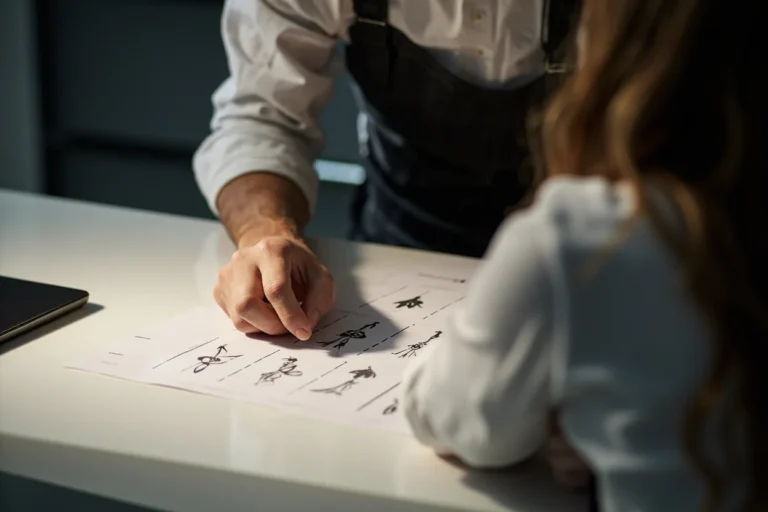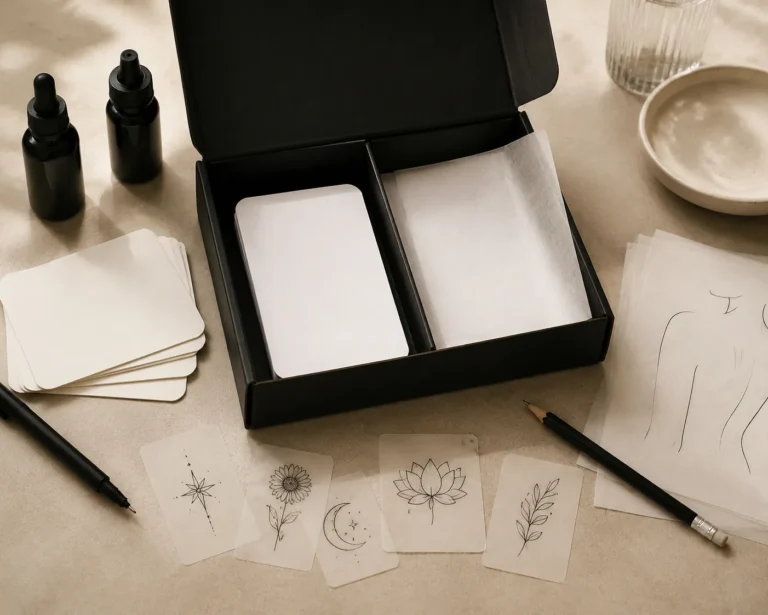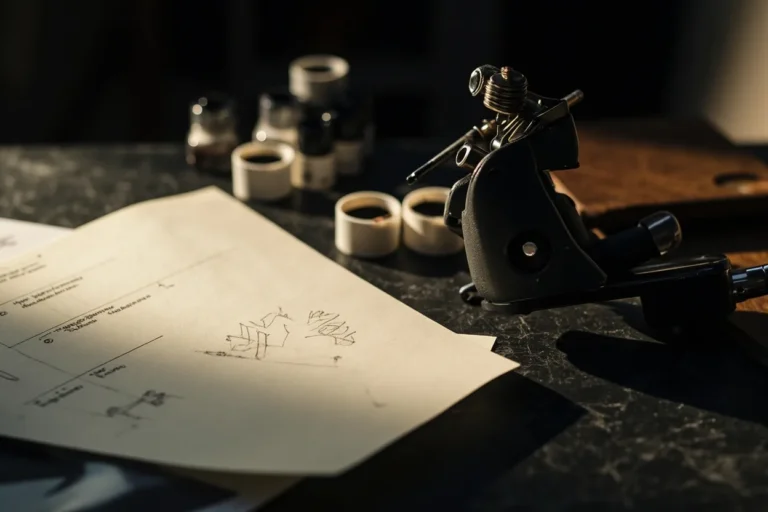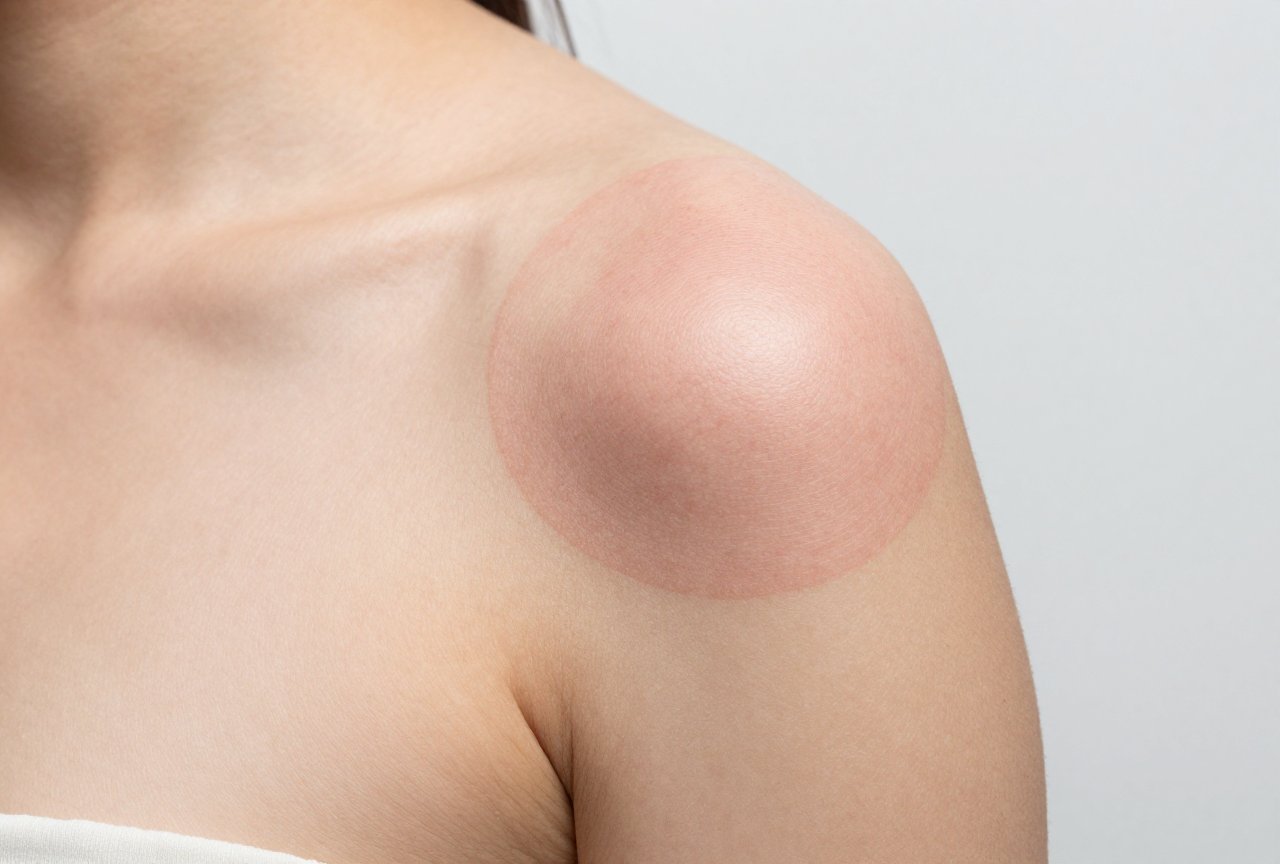
Start somewhere you can easily hide for work: the outer upper arm, the shoulder, the calf, or the upper back. These spots hurt less, heal cleaner, and give you room to learn what sitting for a tattoo actually feels like before you commit to a rib piece or a hand tattoo that the whole world sees.
Best First Tattoo Placements
I’ve tattooed thousands of first-timers, and I always start the consultation the same way: “Show me where you’re thinking, and I’ll tell you the truth about it.” Here’s what that truth usually sounds like.
The “Safe” Spots That Heal Well
Outer upper arm is the classic for a reason. The skin’s relatively flat, there’s muscle underneath to cushion the needle, and you can wear a short sleeve to cover it or show it off. Shoulder caps heal clean because they don’t rub against your waistband or your desk. Upper back between the shoulder blades works if you have a partner who can apply aftercare lotion, since you’ll need help reaching it for the first two weeks.
Calf is underrated for first tattoos. The skin’s thick, the pain’s moderate, and pants cover it completely. I’ve had clients who sat for three hours on their calf like it was nothing, then tap out in twenty minutes on their inner bicep.
Placement Mistakes I See Constantly
Foot tattoos as first tattoos are a rough introduction. The skin’s thin, the bone’s right there, and healing means no shoes for two weeks, which almost nobody actually does. Ribs are gorgeous but they’re a baptism by fire. Same with inner bicep; that ticklish, stretchy skin makes people tense up, and tension makes everything hurt more.
Hands, neck, and face as first tattoos? Most reputable shops won’t do them unless you’re already heavily tattooed. We see this a lot: someone walks in wanting a finger tattoo, no other work, and we have to have the conversation about job prospects and how finger lines blow out and fade fast. It’s not gatekeeping. It’s us trying to save you from a decision you’ll regret before the swelling goes down.
What Size and Style Works for Beginners
Small isn’t always easier. Tiny tattoos with tons of detail blur together as they age. I tell clients: go for something that reads clean from ten feet away. Bold lines hold up. Fine lines look delicate on day one but can turn into fuzzy gray threads in five years, especially on spots that get sun.
- Line work only: Heals faster, less trauma to the skin, generally less expensive
- Black and gray shading: More forgiving than color if your artist needs to adjust depth
- Color packing: Takes longer, costs more, and bright reds/yellows can fade to muddy tones on some skin tones
- Script or lettering: Make sure it’s big enough. I won’t do text smaller than my pinky nail anymore. It turns into illegible blobs
Your first tattoo should be something you can build around later. A standalone piece on your shoulder can become part of a half sleeve. A tiny random stamp on your wrist locks you into that exact placement forever.
Pain Reality: What Sitting in the Chair Actually Feels Like
There’s no getting around it: needles puncturing skin thousands of times per minute hurts. But it’s a specific, manageable kind of pain. I’ve had people cry from relief after expecting worse. I’ve had others white-knuckle the armrest for two hours straight.
The Sensation Breakdown
On bone, ribs, ankles, collarbones, it feels like a hot scratch that doesn’t stop. On fleshy spots, outer thigh, upper arm, it’s a deep, vibrating burn that dulls after the first ten minutes. Your body releases endorphins. Most people find the second hour easier than the first.
Don’t come in hungover. Don’t come in on an empty stomach. I’ve had clients pass out from low blood sugar, and it’s scary for everyone. Eat a real meal. Bring a sugary drink. Breathe normally. Holding your breath makes you tense, and tension amplifies everything.
Pain Management That Actually Helps
Numbing creams are controversial. Some artists refuse to work on numbed skin because it changes how the tissue reacts. If you’re genuinely terrified of pain, talk to your artist beforehand. Don’t spring it on them day-of. In my shop, we’ll sometimes do a small test patch to see how your skin takes ink with or without it.
Distractions help. Bring headphones. Some people chat the whole time. Others go completely internal. Both are fine. What doesn’t work is jerking away when the needle hits a sensitive spot. Sudden movement is how lines get wobbly.
Finding the Right Shop and Artist
Walk in before you book anything. The shop should smell like disinfectant, not like a gym locker. Look at the floors, the counters, the artist’s station. Is there blood on the paper towels? Are they opening new needles in front of clients? These aren’t paranoid questions. This is basic hygiene.
Red Flags vs. Green Flags
- Red flag: Artist won’t show you healed photos of their work. Fresh tattoos look perfect. Healed tattoos tell the real story
- Red flag: They pressure you to book today, right now, with a deposit you can’t afford
- Red flag: No portfolio, or only Instagram filters with no actual skin texture visible
- Green flag: They ask about your lifestyle, your job, your sun exposure, your future plans for more tattoos
- Green flag: They say no to your idea because it’s technically bad for the spot you want
- Green flag: The consultation feels like a conversation, not a sales pitch
Price matters, but don’t bargain hunt. A $50 tattoo from a scratcher in a kitchen will cost you five times that to fix or remove. Good artists charge what they’re worth. In most US cities, you’re looking at $150-250 minimum for something small from a reputable shop. Hourly rates run $150-400 depending on the artist’s demand and location.
Healing: The Two Weeks Nobody Talks About
The tattoo isn’t done when you stand up from the chair. It’s done when the last flake of dead skin falls off, usually ten to fourteen days later. During that time, your fresh ink is an open wound.
The Actual Healing Timeline
Days 1-3: Plasma and ink leak out. The tattoo looks glossy and feels like a sunburn. Wash it gently with unscented soap, pat dry, apply a thin layer of recommended aftercare ointment.
Days 4-7: Itching starts. This is the worst part. The skin tightens. Little scabs form. Do not scratch. Do not pick. I’ve seen people pull out chunks of ink with their fingernails. Sleep on clean sheets. Wear loose clothing that won’t stick.
Days 8-14: Flaking and peeling. The tattoo looks terrible, like it’s falling apart. This is normal. The color underneath is still there. Keep moisturizing lightly. By day fourteen, the surface should be smooth, though the skin underneath is still settling for a full month.
No swimming. No sunbathing. No gym if you’re sweating directly onto it. These aren’t suggestions. I’ve watched infections happen from hot tubs. I’ve watched beautiful work turn muddy from tanning beds.
Key Takeaways
Start on your outer upper arm, shoulder, calf, or upper back. Pick bold, readable artwork that won’t turn to mush as it ages. Eat before you go. Breathe through it. Find an artist whose healed work impresses you, in a shop that feels clean and professional. Budget for quality. Commit to the two weeks of aftercare like your tattoo depends on it, because it does. And remember: every heavily tattooed person you see started with exactly one. The first one teaches you how to be a collector. Make it count.
Frequently Asked Questions
How much should I expect to spend on my first tattoo?
Most reputable US shops charge a minimum of $150-250 for anything small, even a simple design. Hourly rates typically run $150-400 depending on the artist’s experience and your city. If someone offers you a full color piece for $50, that’s a red flag for quality and safety.
Can I bring my own design, or should I let the artist create something?
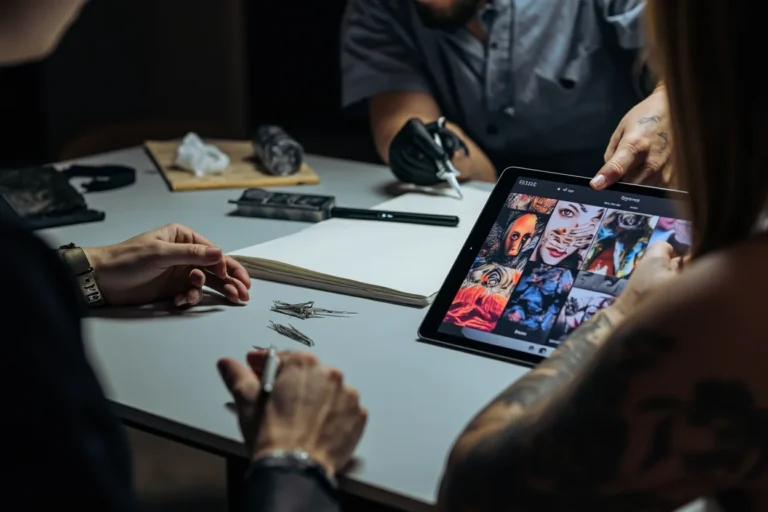
Bring reference images and ideas, but stay open to the artist’s interpretation. We know how lines flow with muscle movement and what details will hold up over time. A good artist will collaborate with you, not just copy-paste your exact image.
How do I know if a tattoo shop is actually clean and safe?
Look for an autoclave on site, single-use needles opened in front of you, artists wearing gloves, and no cross-contamination between stations. The shop should welcome your questions about their process without getting defensive.
What if I don’t like how my tattoo looks while it’s healing?
Healing tattoos look awful, scabby, flaky, sometimes shiny or dull in patches. This is almost always temporary. Wait the full four weeks before judging the final result. If you’re still unhappy after it’s fully settled, talk to your artist about a touch-up.
Related Tattoo Guides
- Why Your Tattoo Looks Faded (And What to Do)
- Does Laser Tattoo Removal Leave a Scar? A Real Tattoo Artist s Guide
- A D Ointment for Tattoo Aftercare: A Working Artist s Guide
- Explore more