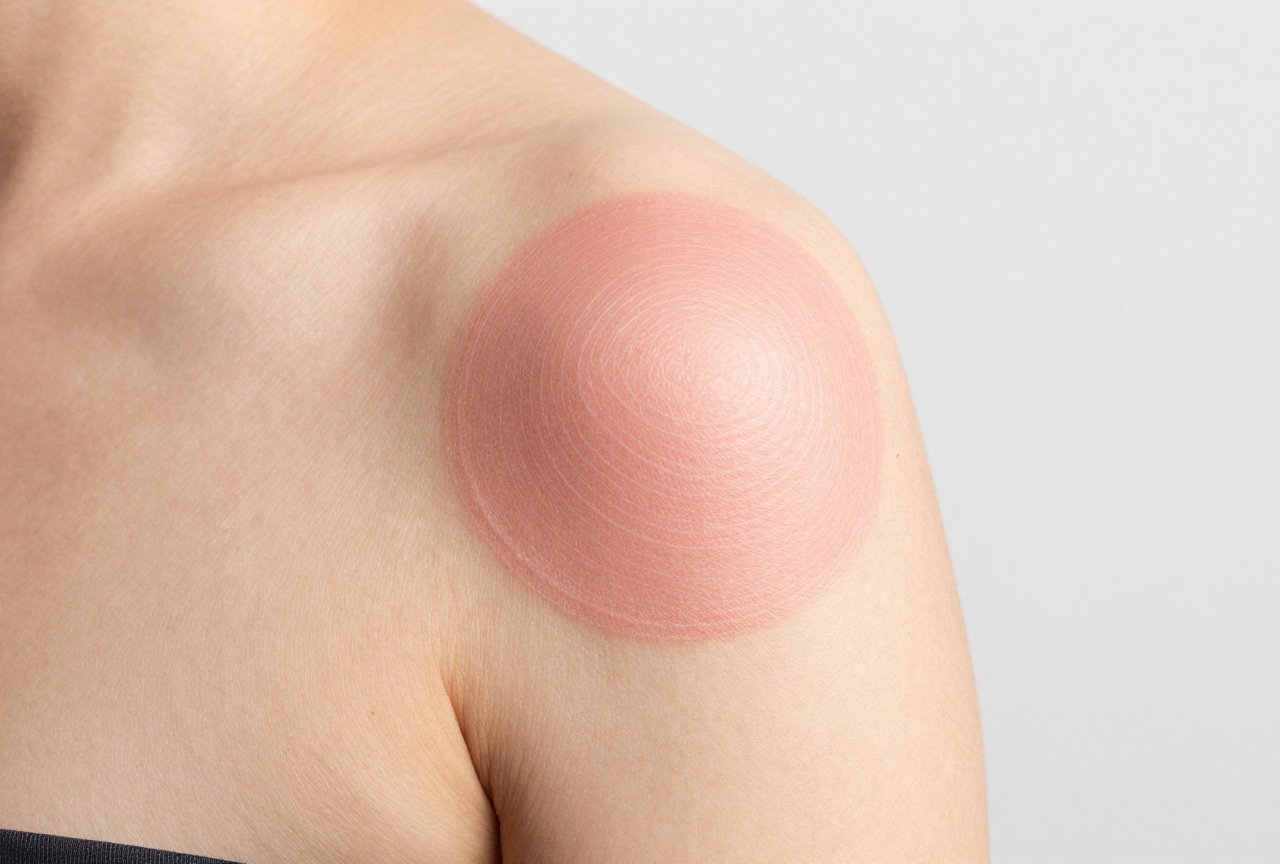
Short answer: laser tattoo removal itself shouldn’t leave a scar if the technician knows what they’re doing and you take care of it afterward. The laser targets pigment, not skin. But here’s the reality I’ve seen after years in shops, sometimes what looks like a “scar” is actually leftover pigment, texture changes from the original tattoo, or poor aftercare turning into a problem. Let’s break down what actually happens to your skin, because I’ve had clients walk back into my shop panicked about bumps, shiny patches, or discoloration that turned out to be completely normal or totally preventable.
How the Laser Actually Works on Skin
The laser fires concentrated light pulses that shatter ink particles into tiny fragments. Your lymphatic system then flushes those fragments out over weeks. The laser doesn’t burn the skin off like some people imagine, it’s more like a very precise, very fast heating and cooling that targets color specifically.
I’ve watched removal sessions on clients who wanted old work covered. The skin blanches white immediately after the pulse, then swells, sometimes blisters. That blistering freaks people out, but it’s often just the body’s inflammatory response to the heat and shattered ink. Properly managed, it resolves without issue. The problems start when people pop blisters, pick scabs, or get sunburned during healing.
What “Scarring” Actually Looks Like After Removal
True scarring from the laser itself is rare with modern Q-switched or picosecond lasers. What I see more often:
- Hypopigmentation: lighter patches where melanin got zapped along with ink. More common on darker skin tones and usually fades over months.
- Hyperpigmentation: darker patches from sun exposure during healing. I’ve had to lecture clients who hit the beach two weeks post-session.
- Textural changes: slightly raised or indented areas where the original tattoo already damaged skin structure, heavy-handed blackwork, scar tissue from the initial tattoo, or areas that keloid easily.
- “Ghost images”: faint remaining pigment that looks like a shadow, not a scar, but clients mistake it for one.
Skin Type Matters More Than Most People Think
Fitzpatrick skin types I-III generally handle laser removal with fewer pigment complications. Types IV-VI have higher risk of hypopigmentation because the laser can’t always distinguish between tattoo ink and natural melanin. I’ve referred clients to removal specialists who specifically advertise experience with darker skin, not all techs are equal here, and the wrong settings can absolutely cause lasting light spots.
Where Your Original Tattoo Factors In
The tattoo you want removed already changed your skin. That’s something removal marketing rarely admits.
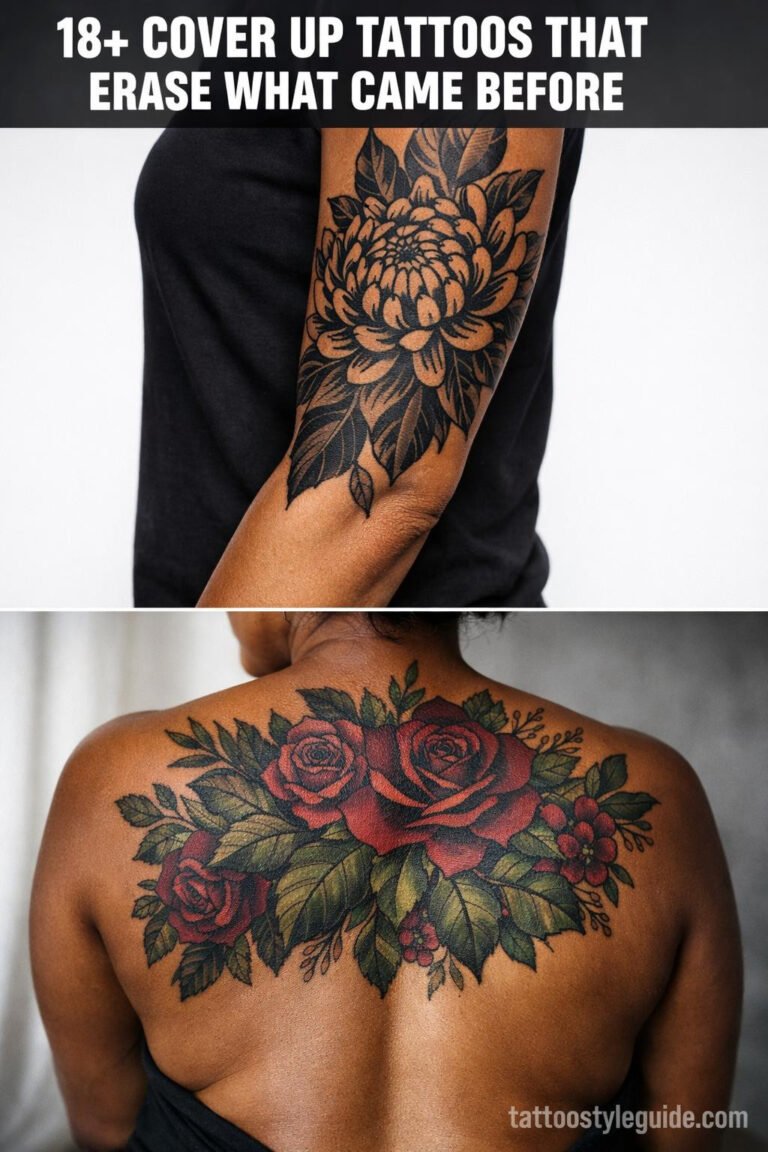
Heavy black tribal work? Deep saturation, dense packing, possible blowouts into subcutaneous tissue. That skin’s been through trauma already. Laser removal on top of that sometimes reveals texture issues that were hiding under ink. I’ve had clients come back for cover-ups after partial removal, and the skin feels different, slightly leatherier, less elastic in spots.
Older tattoos often remove cleaner because the ink has already migrated and degraded some. Fresh, bold color, especially reds and yellows, can be stubborn and require more sessions, which means more cumulative heat exposure to the same area.
Placement matters too. Ankle skin over bone? Thin, less vascular, slower healing. Inner bicep? More forgiving. I’ve seen people with chest pieces develop slightly raised texture there because chest skin keloids more readily, and the combination of tattoo trauma plus laser trauma plus genetics equals a bumpier ride.
What Proper Aftercare Actually Looks Like
This is where most “scars” come from. Not the laser. The aftercare. Or lack of it.
After a session, the area needs to be kept clean, slightly moist, and absolutely protected from sun. I tell clients the same thing I tell them about fresh tattoos: your body is doing repair work. Don’t sabotage it.
- Leave blisters alone. They protect the new skin forming underneath. Pop them and you invite infection and irregular healing.
- No picking at scabs. Ever. I don’t care how satisfying it is. You’re pulling off immature tissue and guaranteeing a textural mark.
- Keep it out of the sun for weeks, not days. UV on healing skin is a direct path to hyperpigmentation that can last years.
- Skip the gym, hot tubs, and swimming pools until fully closed. I’ve seen staph infections from pool water getting into laser-treated skin.
- Use plain, fragrance-free moisturizer. Not antibiotic ointment unless there’s actual infection, some people react to neomycin and create more problems.
The Realistic Healing Timeline
First 48 hours: swelling, redness, possible blistering. Looks angry. This is normal.
Week 1-2: scabbing, flaking, itching. The ink starts to look like it’s fading because it is, those particles are getting processed.
Weeks 3-6: continued lymphatic clearance. The real fading happens here, not immediately.
Between sessions: 6-8 weeks minimum for most areas. Rushing sessions doesn’t speed anything; it just stacks trauma on trauma.
I had a client who wanted her ex’s name gone before a wedding in three months. We did the math: minimum four sessions, eight weeks apart. She went to a discount place that promised six-week intervals. Ended up with lasting texture changes because they treated immature skin. Patience isn’t just virtue here, it’s skin preservation.
Pain, Cost, and Managing Expectations
Does it hurt? Yes. Differently than tattooing, but yes. Tattooing is a continuous abrasion; laser is a sharp, hot snap, like grease popping or a rubber band snapped hard. Some people say it’s worse. The sessions are shorter, minutes instead of hours, but intensity is higher. Numbing cream helps some, not others. I’ve had tough guys tap out and quiet clients sit through it fine. Pain is individual.
Cost runs roughly $200-$500 per session depending on size, location, and laser type. Full removal often needs 8-12 sessions, sometimes more for dense color. That’s not hype to sell more sessions, it’s physics. Ink layers, depth variation, and color chemistry all play in. Black is easiest. Greens and blues are stubborn. White and flesh-tone inks can oxidize dark and look worse before better.
Complete removal without any trace is possible but not guaranteed. I always tell clients to aim for “significantly faded” or “cover-up ready” rather than virgin skin. The most satisfied people I see are those who wanted reduction for a better cover-up, not perfect erasure. Skin isn’t paper. It remembers.
Red Flags: When to Walk Away
Not all removal techs are created equal. I’ve heard enough shop talk to know the warning signs:
- Promising complete removal in 2-3 sessions. That’s not happening with real ink.
- No consultation about your skin type, medical history, or tattoo specifics. One-size-fits-all settings cause damage.
- Using outdated equipment. Q-switched lasers are standard; picosecond (PicoSure, PicoWay) are newer and generally gentler. If they can’t tell you what laser they use, leave.
- Pressure to buy package deals before assessment. Reputable places evaluate first.
- Downplaying aftercare. If they hand you a generic sheet and rush you out, they don’t care about your outcome.
Look for someone who asks about your tattoo’s age, your healing history, whether you scar easily. They should set realistic expectations and warn you about pigment risks specific to your skin. The good ones photograph everything and track progress. The bad ones just zap and bill.
Key Takeaways
Laser tattoo removal doesn’t inherently scar, but it’s not risk-free. The biggest factors protecting your skin are: choosing an experienced technician with appropriate equipment for your skin type, committing to proper aftercare (especially sun avoidance), and allowing full healing between sessions. Your original tattoo’s quality, density, and placement already shaped your skin, removal reveals and sometimes amplifies those changes. Go in with realistic expectations: significant fading is very achievable, perfect erasure less so. The clients I’ve seen happiest with results treated removal as a process, not a magic fix, and respected their skin’s need for time and protection.
Frequently Asked Questions
Can I get a new tattoo over an area that had laser removal?
Usually yes, but wait until the skin is fully healed, typically 3-6 months after your final session. The area may hold ink differently, so discuss it with your new artist. I’ve done cover-ups over faded removal work and the skin takes color fine, though sometimes it needs extra passes for saturation.
Why does my skin look lighter where the tattoo was?
That’s hypopigmentation, and it’s common after laser, especially on darker skin tones or with aggressive settings. The laser affected your natural melanin along with the ink. Most cases improve over 6-12 months as melanin repopulates, but some lightening can be permanent. Always mention this concern in your consultation.
Does tattoo removal hurt more than getting tattooed?
Most people say it’s a different, sharper pain, like hot rubber bands snapping. Sessions are shorter than tattooing, which helps. Pain tolerance varies wildly, and some areas (over bone, thin skin) hurt more. Numbing options exist but don’t eliminate sensation entirely.
What if I only want to fade my tattoo for a cover-up, not full removal?
That’s actually the smartest approach for many people. Targeted fading, sometimes called “lightening”, requires fewer sessions and less stress on your skin. I send clients for this specifically when the old tattoo is too dark or dense for a clean cover-up. Four to six sessions often drops saturation enough for a new artist to work magic over it.
Related Tattoo Guides
- A D Ointment for Tattoo Aftercare: A Working Artist s Guide
- Do Colored Tattoos Fade? What Artists Know About Longevity
- Does Insurance Cover Tattoo Removal? What Artists Know
- Explore more