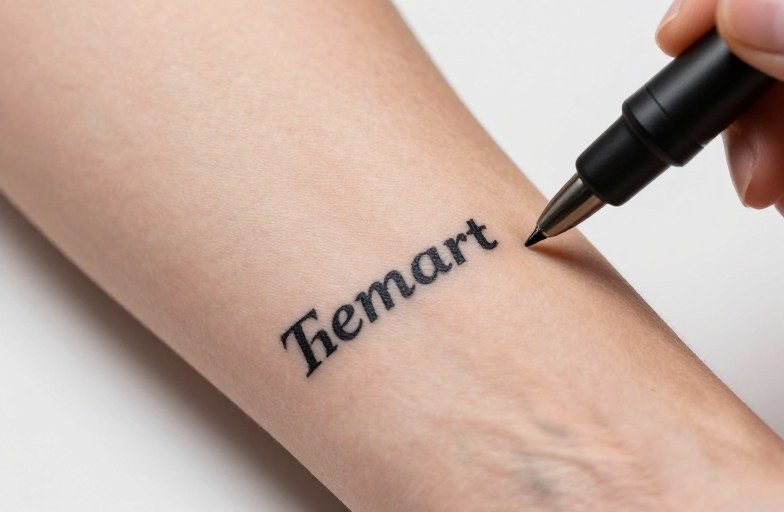
You cannot create a truly permanent tattoo using only a pen. A permanent tattoo requires ink deposited into the dermis, the second layer of skin, using needles that penetrate about 1.5 to 2 millimeters. Pens, markers, and similar tools sit ink on the epidermis, which sheds completely every few weeks. Anything you draw will fade and disappear. If you want something lasting, you need proper tattoo supplies and technique, or you need to accept that pen work is temporary body art.
Pain & Comfort
What Pen “Tattoos” Actually Feel Like
Drawing on skin with a pen causes no meaningful pain. The ballpoint or felt tip glides across the surface without breaking skin. Some people experience mild irritation from pressing too hard or from ink ingredients, but there’s no puncture, no bleeding, no nerve stimulation at tattoo depth. If you’re testing a design placement, this is actually useful, trace the outline, live with it for a week, see how it sits on your body in different lighting and clothing.
Actual hand-poked tattooing with proper needles hurts. The sensation is a sharp, repetitive prick, deeper than a finger stick but less diffuse than machine tattooing. Pain varies enormously by location: the outer forearm, thigh, and calf register as manageable for most people. Ribs, sternum, inner bicep, feet, and hands amplify discomfort significantly. Fatty, muscular areas with fewer nerve endings tolerate needle work better. Thin skin directly over bone or tendons produces a distinct, vibrating pain that many find harder to endure.
Managing Discomfort for Real Needle Work
If you progress beyond pens to actual tattooing, several factors help. Eat a solid meal beforehand, low blood sugar increases sensitivity and fainting risk. Avoid alcohol for 24 hours; it thins blood and worsens bleeding. Stay hydrated. Break the session into segments rather than pushing through hours continuously. Some people find a cold pack on the area for a few minutes beforehand slightly dulls surface sensation, though this is personal preference rather than guaranteed relief.
Realistic Expectations
How Long Pen Marks Actually Last
Ballpoint ink typically fades within days, sometimes hours if you wash aggressively. Permanent markers like Sharpies last longer, often one to three weeks, because the alcohol-based ink penetrates slightly deeper into the upper epidermis and resists immediate washing. Neither survives the complete skin renewal cycle. You’ll see ghosting, patchy fading, then nothing. Sweat, friction from clothing, and swimming accelerate disappearance.
Skin chemistry matters. Oily skin sheds faster. Areas with frequent movement, wrists, fingers, neck, slough cells more rapidly than a static upper back. Darker skin tones sometimes show marker residue longer due to visual contrast against melanin, but the actual ink particles are equally gone.
The Gap Between Pen Art and Real Tattoo Aging
Real tattoos change over decades. Black ink spreads slightly (blowout), lines blur, colors shift, blues toward green, reds toward brown. This happens in the dermis, where ink particles are too large for immune cells to remove completely but small enough to drift slowly. Pen ink never reaches this environment. It cannot age like a tattoo because it never becomes one. The permanence you want requires accepting these long-term changes, or choosing professional removal later.
The Direct Answer
What You Actually Need for Permanent Results
Professional tattooing uses a machine or hand-poke tool with sterile needles, tattoo-specific pigment, and skin preparation. Needles cluster in configurations: liners (round groupings for outlines), shaders (flat or magnum for fill), and single needles for fine detail. The needle depth targets the dermis precisely, too shallow and ink washes out in healing; too deep and you cause scarring with no better retention.
Home tattooing with proper supplies is possible and historically common in many cultures. It requires: sterile needles (single-use, autoclaved or pre-packaged), tattoo ink (not pen ink, not India ink from art stores which can contain contaminants), stencil paper or freehand drawing with skin-safe marker, petroleum jelly to wipe without removing stencil, and bandaging supplies. Gloves are non-negotiable. Reusing needles or sharing equipment transmits bloodborne pathogens regardless of how well you know someone.
Why Pens Fail at Every Level
- Ink composition: Pen ink contains solvents and pigments designed for paper, not skin. Some formulations cause contact dermatitis or allergic reactions.
- Depth: No pen mechanism reaches dermis. The stratum corneum (outermost skin layer) is already 0.1mm thick; pens don’t reliably penetrate that.
- Particle size: Tattoo ink uses specifically sized pigment particles suspended in carriers that help deposition and stability. Pen ink particles are wrong for immune system interaction.
- Regulatory status: Tattoo inks face FDA scrutiny (though limited). Pen inks have no skin safety testing.
When to See a Professional
Design Complexity That Requires Training
Portraiture, realistic color blending, script and lettering, and geometric patterns demand technical skills developed over years. Line weight variation, proper saturation without overworking skin, and understanding how different pigments behave on different skin tones, these aren’t intuitive. A professional also assesses skin texture, stretch marks, and existing scars that affect how ink holds. Home attempts at complex designs frequently result in uneven lines, patchy fill, and premature fading that requires costly cover-up or removal.
Health and Safety Boundaries
Professional shops maintain autoclaves, use barrier films on equipment, and follow bloodborne pathogen protocols. They also recognize signs of infection, allergic reaction, and improper healing. If you have diabetes, immune suppression, bleeding disorders, or a history of keloid scarring, professional consultation matters more than DIY savings. Some medications and skin conditions contraindicate tattooing entirely, this assessment is part of a professional’s role.
Common Mistakes
Material Substitutions That Cause Problems
Using sewing needles instead of tattoo needles creates larger, more ragged puncture wounds that scar and reject ink unevenly. Burning needles to “sterilize” them doesn’t achieve medical sterility and often weakens metal. India ink or pen ink can cause granulomatous reactions, your immune system walls off foreign material, creating raised, discolored bumps that persist for years. Printer ink contains entirely wrong chemistry. “Stick and poke” kits sold online vary enormously in quality; some include genuinely safe supplies, others repackage craft materials with dangerous instructions.
Technique Errors in Home Attempts
- Going too shallow: Ink sits in epidermis, falls out in days.
- Going too deep: Excessive bleeding, ink dispersion into surrounding tissue (blowout), scar formation.
- Overworking an area: Repeatedly passing through the same spot destroys skin structure, causing heavy scabbing and ink loss.
- Stretching skin inconsistently: Taut skin receives needle differently than relaxed skin; uneven stretch produces wobbly lines.
- Ignoring aftercare: Dry healing, picking scabs, or submerging fresh work in baths or pools removes ink and introduces bacteria.
Cost Factors
Professional Pricing vs. Home Setup
Professional tattoos range from $50-100 for small, simple shop minimums to several hundred for detailed palm-sized work, and thousands for large-scale pieces requiring multiple sessions. You’re paying for equipment overhead, sterile environment, artistic training, and the artist’s cumulative experience with how ink ages on human skin.
A basic safe home setup costs $50-150 for needles, ink, gloves, bandages, and stencil supplies, more if you want a modest machine rather than hand-poke. This isn’t cheaper than a small professional tattoo when you factor in risk. The real cost difference emerges with large pieces, where professional hourly rates accumulate. However, home work on large areas typically produces results that require professional correction, eliminating savings.
Hidden Costs of Poor Execution
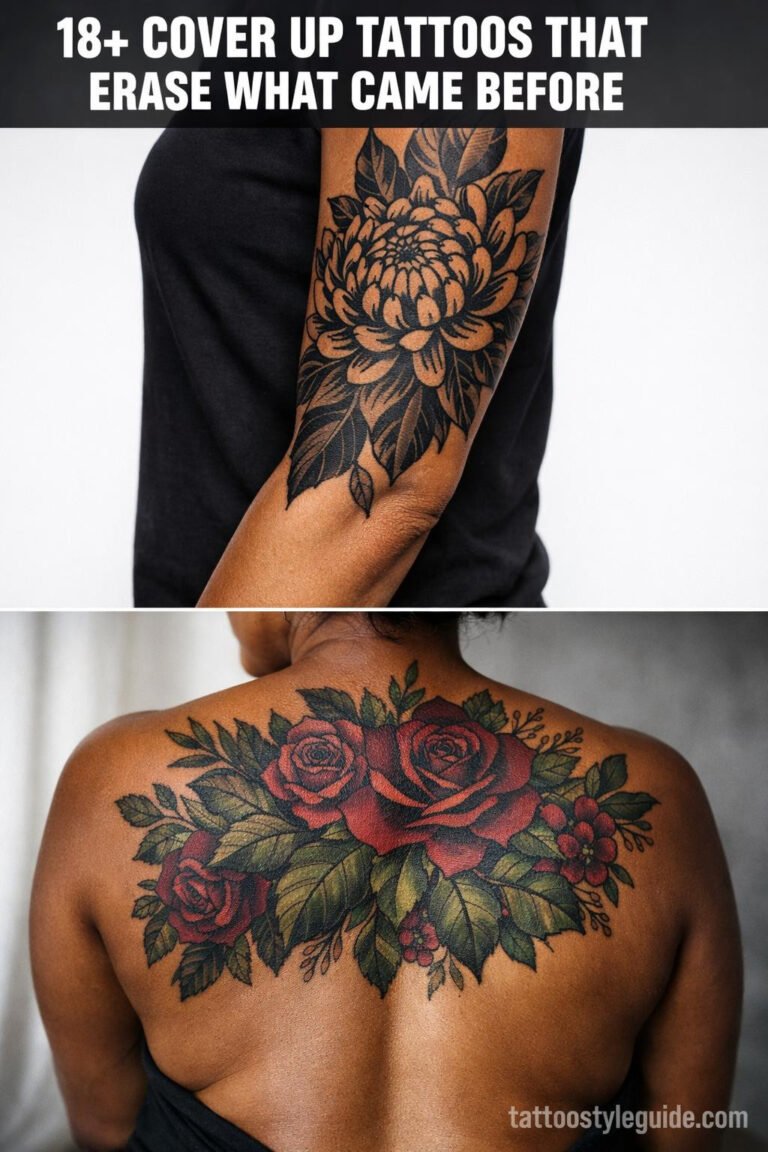
Cover-up tattoos require more ink, more sessions, and often simpler designs because dark existing work limits options. Laser removal runs $200-500 per session, with most tattoos needing 6-12 sessions. Scar revision from botched home work involves dermatology or plastic surgery consultations. These aftermath costs dwarf initial professional pricing.
The Takeaway
Pen tattoos aren’t permanent, and no technique makes them so. They’re useful for temporary design trials, not for lasting body art. If you want permanence, you need proper tools, sterile technique, and either significant practice or professional help. The gap between desire and safe execution matters, skin doesn’t forgive shortcuts. Test placements with markers, save for professional work on designs you love, and if you’re genuinely committed to learning hand-poking, invest in proper education and supplies rather than improvising with desk drawer contents. Your future skin will be the same skin you have now; treat it with that continuity in mind.
Frequently Asked Questions
Can I use a pen to trace a tattoo design before getting it done professionally?
Yes, this is actually a smart approach. Draw the design with a marker and live with it for a week to check placement, size, and visibility in your daily life before committing to permanent ink.
Is hand-poked tattooing at home safer than using a machine?
Hand-poking causes less skin trauma per pass, but safety depends entirely on sterile supplies, proper technique, and understanding depth, not the method itself. Both can be done safely or dangerously.
Why does my Sharpie tattoo fade faster on my fingers than my arm?
Fingers have thicker epidermis, more frequent friction from use, and faster cell turnover. They’re also exposed to more washing and abrasion, all of which accelerate ink loss from surface layers.
Can I get an infection from just drawing on my skin with a pen?
Infection is unlikely from pen ink alone, but broken skin from pressing too hard or allergic reactions to ink ingredients can cause problems. Don’t use pens on broken, irritated, or freshly shaved skin.
Related Tattoo Guides
- How to Manage Tattoo Pain: A Practical Guide
- How to Message a Tattoo Artist: A Complete Guide
- How to Open a Tattoo Shop: A Practical Guide
- Explore more