A new tattoo is an open wound, and how you treat it in the first two to four weeks determines how it looks for decades. Keep it clean, keep it moisturized, and keep it out of the sun. Your artist’s specific instructions always come first, these guidelines fill in the gaps they might not have time to explain.
When to See a Professional
Most healing issues resolve with basic adjustments, but some symptoms mean you need a doctor, not just advice from your artist.
Infection Warning Signs
Redness spreading outward from the tattoo, warmth that increases after day three, pus that is thick and yellow or green, or red streaks radiating from the area, these all warrant medical attention. Fever accompanying any of these symptoms is especially urgent. A tattoo that was healing normally and then suddenly worsens after a week often signals a developing infection rather than normal irritation. See also: 14 Beautiful Mehndi Design Front Hand That Hold Up.
When to Contact Your Artist First
- Heavy scabbing that cracks and bleeds
- Allergic reaction to aftercare products (intense itching, localized rash)
- Ink falling out in patches during the first week
- Excessive swelling that doesn’t improve with elevation
Experienced artists have seen hundreds of healing tattoos and can often distinguish between normal healing and problems requiring intervention. They also document their work and need to know if something went wrong for future reference.
Tips From the Chair
Working artists develop routines that aren’t always written down but make real differences in outcomes. See also: I Wanted My Fox Tattoo To Feel Clever, This Finally Worked.
The First Night
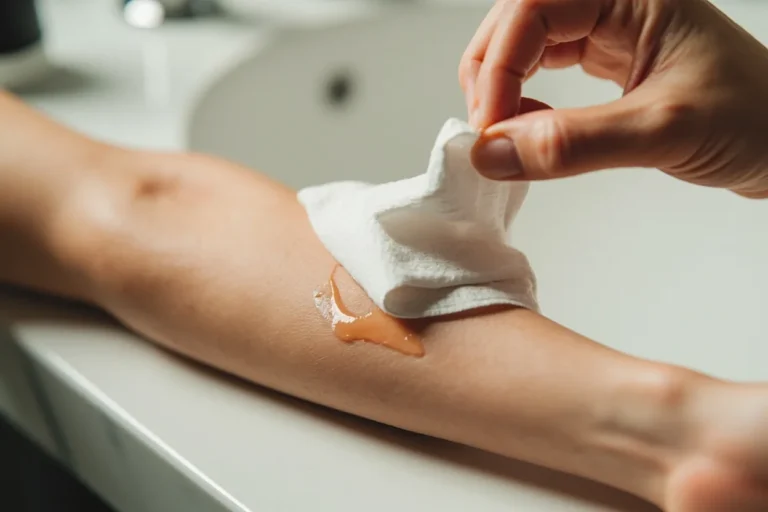
That plastic wrap or bandage your artist applied? Leave it on for the time they specified, usually two to six hours, sometimes overnight with specialized breathable dressings. When you remove it, wash gently with unscented soap and lukewarm water. Pat dry with a clean paper towel, never a bathroom towel that harbors bacteria. Apply a thin layer of recommended ointment, thin enough that the skin still breathes, not so thick that it looks glazed.
Sleeping With Fresh Work
First three nights, expect some sticking to bedsheets. Wear clean, loose cotton clothing that covers the tattoo if it’s on a limb, this prevents fabric from adhering to plasma and ink. For back pieces, sleep on your stomach; for chest work, on your back. Side sleepers with rib or hip tattoos often find a pregnancy pillow helps maintain position. Dark sheets are your friend; they hide the ink and plasma that inevitably leaks.
What to Expect Step by Step
Healing follows a predictable pattern, though individual timing varies by placement, size, and your own biology.
Days 1-3: The Open Wound Phase
Redness, tenderness, and clear plasma weeping are normal. The area may feel hot to touch, this is inflammatory response, not necessarily infection. Wash twice daily, moisturize lightly, and avoid soaking in any water. Showers are fine; baths are not. Submerging a fresh tattoo in bathwater, pools, or hot tubs introduces bacteria and leaches ink.
Days 4-14: Peeling and Itching
The top layer of skin dies and flakes off, carrying some surface ink with it. This looks alarming but is normal. The tattoo will appear dull under this peeling skin, don’t panic. Itching intensifies around day seven; this is collagen rebuilding, not healing finished. Slapping the area lightly works better than scratching. Keep moisturizing, switching from ointment to unscented lotion as the skin closes.
Weeks 3-4: Surface Healed, Still Vulnerable
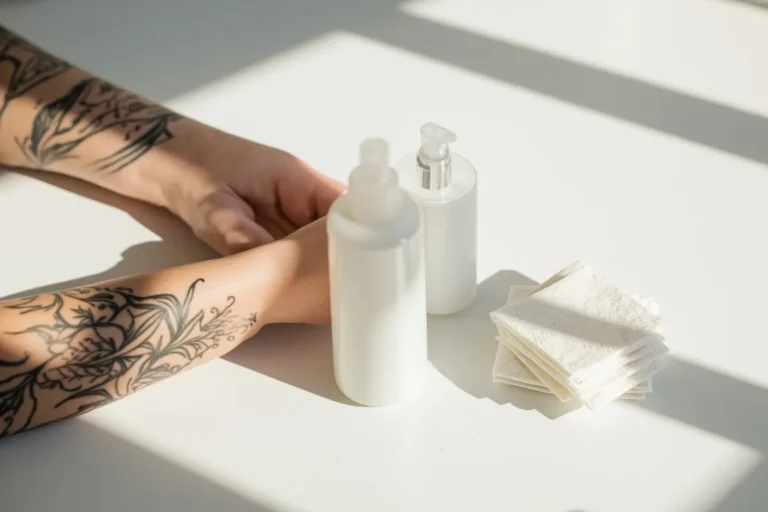
The skin looks normal but remains thinner and more sensitive to UV for several months. Sun exposure at this stage causes fading that becomes permanent. Continue moisturizing and start using mineral sunscreen (zinc oxide or titanium dioxide) once the surface is fully intact, chemical sunscreens can irritate healing skin.
Common Mistakes
Most aftercare failures come from doing too much, not too little.
- Over-moisturizing: Suffocating the skin with thick layers traps bacteria and creates pimply, raised texture that may scar
- Picking scabs: Pulls ink out with the healing tissue, leaving patchy spots that require touch-ups
- Over-washing: Antibacterial soaps used too frequently strip natural oils and delay healing
- Working out too soon: Gyms are bacterial environments; sweat and friction irritate fresh tattoos, especially inner arms and thighs
- Listening to friends over your artist: Every shop has different ink, needle configurations, and methods; their aftercare is calibrated to their process
One particularly stubborn myth: letting a tattoo “dry heal” produces better color retention. This is false. Unmoisturized skin cracks deeply, scabs heavier, and heals with more texture irregularity. The color doesn’t “set better”, it heals worse.
Cost Factors
Aftercare itself is cheap, but poor aftercare becomes expensive fast.
Touch-Up Policies
Most reputable artists include one free touch-up within six months because they know some ink loss is normal. However, touch-ups required due to clear aftercare neglect, sun exposure, picking, or soaking, often carry full price. Some artists refuse to touch up work they know was mistreated, since compromised skin heals the second application poorly too.
Long-Term Maintenance Costs
Beyond initial healing, preserving tattoo quality requires ongoing investment. Quality sunscreen costs more than generic but prevents the UV degradation that makes black ink turn blue-green and colors mute to gray. Moisturizing daily, especially on frequently washed areas like hands and forearms, slows the natural diffusion of ink particles that happens over years. These habits cost pennies daily compared to the hundreds or thousands a large piece cost to apply.
The Direct Answer
For the first three days: keep the bandage on as directed, wash gently twice daily with unscented soap, apply thin ointment, and avoid water immersion. Days 4-14: switch to lotion, expect peeling, never pick, and control itching with light slaps or cool compresses. Weeks 3-4: moisturize, protect from sun, and continue avoiding soaking until the skin feels fully normal. After that: sunscreen always, moisturizer regularly, and monitor for any changes that suggest the need for professional input.
Your artist chose specific ink, needle depth, and technique for your skin and design. Their aftercare instructions reflect that specificity. Generic internet advice, including this guide, serves as backup and elaboration, not replacement.
Final Thoughts
A healed tattoo is a collaboration between artist and collector. The artist controls application; you control everything after. The best portfolios in any shop belong to clients who took aftercare seriously, not just those who paid premium rates. Small habits, washing hands before touching fresh work, carrying travel lotion, applying sunscreen before you think you need it, compound into decades of clarity and color that aging skin doesn’t always preserve otherwise. Start with patience, continue with consistency, and the result rewards both the investment on your skin and the skill of the person who put it there.
Frequently Asked Questions
How soon can I shower after getting a tattoo?
You can shower the same day, but keep it brief and lukewarm. Let water run gently over the tattoo without direct spray pressure. Pat dry immediately with a clean paper towel and reapply ointment. Avoid baths, hot tubs, and swimming for at least two weeks, or until your artist confirms the skin has fully closed.
Why is my tattoo peeling and looking faded?
Peeling is normal between days 4-10 as the top skin layer regenerates. The ink sits deeper than this shedding layer, so the tattoo appears dull underneath. The true color returns once healing completes. Picking at flakes pulls out ink prematurely and creates permanent patchiness, so let them fall naturally.
Can I work out with a fresh tattoo?
Wait at least 48 hours for light activity, and avoid gyms for a week. Sweat contains salt that stings open skin, and gym equipment harbors bacteria. Friction from clothing and repetitive motion irritate healing tissue, especially on joints and areas that flex. Walking and gentle movement are fine; heavy sweating and contact sports are not.
What if my tattoo artist didn’t give me written aftercare instructions?
Call or visit the shop to request their specific guidance, since different inks and techniques require slightly different care. In the meantime, follow the universal basics: gentle unscented soap washing, thin moisturizer application, no soaking, and no sun. Most reputable artists welcome follow-up questions and want to ensure their work heals properly.
Related Tattoo Guides
- How to Deal With an Itchy Tattoo: A Healer s Guide
- How to Get a California Tattoo License: Complete Guide
- How to Get Rid of Tattoo Bumps: A Complete Guide
- Explore more