An itchy tattoo is almost guaranteed somewhere between day three and week three of healing. The direct answer: resist scratching, pat or slap the area lightly instead, keep it moisturized but not drowning in ointment, and let the scabs and flakes fall off on their own. Most itching resolves within two to three weeks if you don’t interfere with the process.
The Direct Answer
What Actually Works
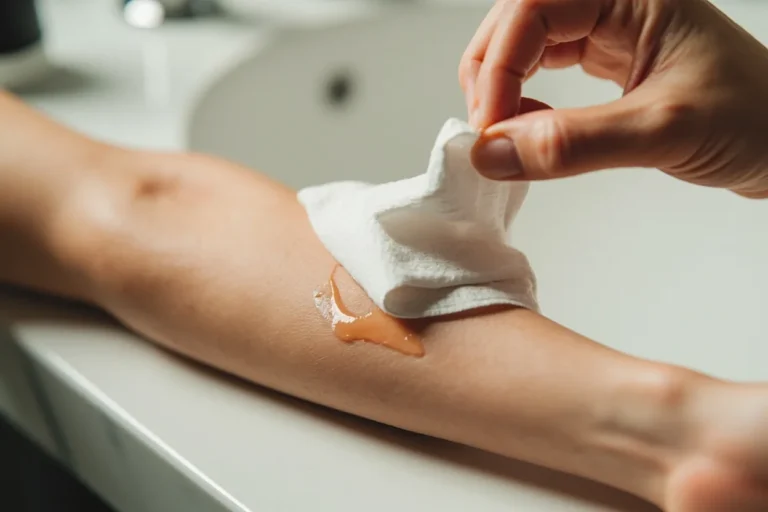
Cool water is your first defense. Run it over the tattoo in the shower, let it air dry or pat gently with a clean paper towel. The relief lasts longer than you’d expect. For sudden itches you can’t ignore, slap the skin around the tattoo, not the tattoo itself, with clean fingers. The vibration interrupts the nerve signal without dragging a fingernail across fragile healing tissue.
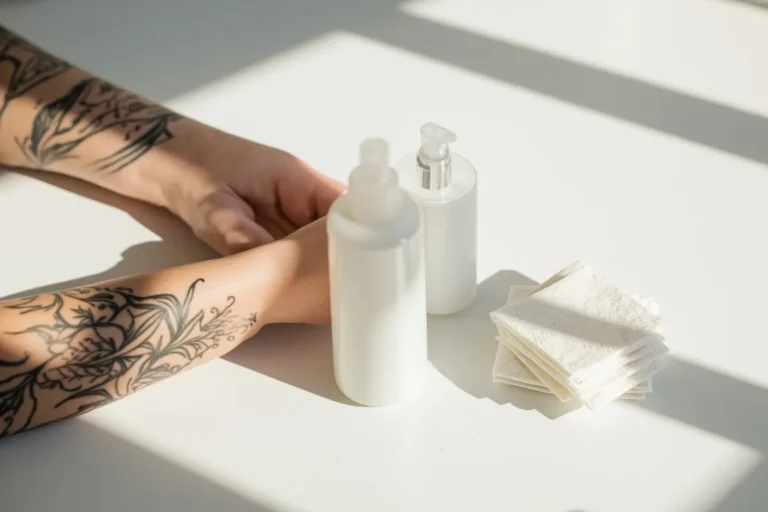
Moisturize with a thin layer of fragrance-free lotion when the skin feels tight or ashy. Too much lotion traps heat and sweat, which makes itching worse. The skin should look slightly matte, not glossy. If you’re two weeks in and the itch is maddening, a brief cool compress, clean cloth, cold water, five minutes max, can calm things down. See also: How to Care for a New Tattoo: Complete Aftercare Guide.
What to Avoid
Scratching with nails is the fastest route to patchy ink. A torn scab pulls pigment out with it, leaving light spots that need touch-ups. Hot showers feel good for thirty seconds then intensify the itch for hours. Same with direct sunlight on a healing tattoo, UV exposure inflames the skin and triggers histamine release. Loose, breathable cotton clothing beats tight synthetic fabrics that rub and trap moisture.
- Pat or slap instead of scratching
- Cool water, not hot
- Thin lotion layer, not thick
- Loose cotton, not tight synthetics
- Clean hands only, always
What to Expect Step by Step
Days 1-3: The Calm Before
Fresh tattoos rarely itch. The area feels sore, tight, maybe warm. Plasma and ink seep out; your artist wrapped it to protect from bacteria. Keep the covering on for the time they specified, usually a few hours to a full day. Wash gently with unscented soap, no scrubbing. Itching hasn’t started yet, but the foundation you lay now determines how bad it gets later. See also: How to Get Rid of Tattoo Bumps: A Complete Guide.
Days 4-14: Peak Itch
This is when the skin knits itself back together. Scabs form, then crack and flake. The itching can feel deep, almost electrical, especially at night when you’re still and warm. Color-packed areas, solid black, dense color fields, often itch worse than fine-line work because more skin trauma means more inflammatory response. White ink can itch more than other pigments in some people, though reactions vary widely.
Flaking looks alarming but is normal. Let it happen. Picking extends healing by weeks and guarantees spotty color. Sleep with clean sheets, preferably light-colored ones so you can see if any seepage happens. If you sleep on your side, a clean cotton barrier between your tattoo and the mattress helps. See also: How to Keep a Tattoo From Fading: A Real Guide.
Weeks 2-4: The Fade Out
Itching tapers but doesn’t always vanish. The top layer looks healed while deeper layers still rebuild. Continue light moisturizing even if the surface looks fine. A tattoo that stops flaking but still feels tight or dull probably needs more hydration, not less.
Pain & Comfort
Normal vs. Concerning Sensations
Itching itself isn’t pain, but the urge to scratch can feel like torture. Normal: localized itch, warmth that fades, tightness that eases with lotion. Concerning: burning that spreads, heat that increases after day five, pain that returns after improving. These patterns suggest your body is fighting something beyond normal healing.
Some areas itch worse by anatomy, not by tattoo quality. Ribs, feet, and inner arms have thinner skin and more nerve density. A rib piece will likely itch more than a thick outer forearm piece of the same size. This is placement biology, not a problem with your aftercare.
Comfort Tactics That Don’t Risk the Ink
Beyond the slap-and-pat method, distraction works better than you’d think. Keep hands busy during peak itch windows, evening TV time, post-shower warmth. Some people find brief exposure to cool air, like standing near a fan, interrupts the itch cycle. Others press a clean, cold spoon (not ice directly) against the area for ten seconds. Experiment within the bounds of not touching the healing surface with anything unsterile.
Healing Timeline
How Long the Itch Really Lasts
Most tattoos itch hardest for five to ten days. Small, simple line work might pass through this phase in four or five days. Heavy saturation, color packing, or large scale can push the intense period to two weeks. By week three, itching should be occasional, not constant. Month two and beyond, any lingering itch usually ties to dry skin or seasonal weather, not active healing.
Touch-ups happen around six to eight weeks when the skin is fully stabilized. If you scratched and caused damage, you’ll see the light spots by then. Artists typically include one touch-up in the original price, but damage from picking might cost extra, if they’ll fix it at all. Some won’t touch work the client visibly damaged.
Factors That Extend Itching
Swimming in pools or oceans before the four-week mark introduces chemicals and bacteria that irritate and prolong healing. Gym equipment pressed against fresh tattoos combines sweat, friction, and shared surfaces. Even clean gyms are risky for open skin. Sun exposure during healing deepens inflammation and can permanently alter how pigment settles. These aren’t just aftercare rules, they directly affect how long you itch and how your tattoo ages.
Common Mistakes
Over-Moisturizing
The most frequent error is treating a tattoo like a wound that needs constant wetness. A thick, greasy layer suffocates the skin, keeps it too warm, and creates a breeding ground for bacteria that make itching worse. Apply lotion when the skin looks dry or feels tight, not on a schedule. If you can see a sheen from across the room, you’ve used too much.
Wrong Products
Neosporin and similar antibiotic ointments cause allergic reactions in a significant portion of users, red, raised, intensely itchy bumps that look like infection but aren’t. Petroleum jelly traps heat and doesn’t let the skin breathe. Fragranced lotions introduce irritants to already sensitive tissue. Stick to what your artist recommends, usually a simple, unscented product. If they suggest a specific brand, there’s usually a reason based on what they’ve seen heal well in their clients.
Ignoring the Environment
Pet hair, dirty pillowcases, and gym clothes carry bacteria and allergens. Fresh tattoos are essentially open channels to the dermis. That fluffy cat sleeping on your chest piece is depositing dander and microbes. Change bedding more often than usual during healing. Wear clean, loose clothing that doesn’t require you to peel fabric off the tattoo to remove it.
When to See a Professional
Your Artist First
Contact your artist if the itch comes with thick, yellow-green discharge, spreading redness, or heat that increases after day five. They see more healing tattoos than most general practitioners and can distinguish normal plasma from infection. Photos help, send clear, well-lit images. Most reputable shops want to catch problems early; their reputation depends on healed results, not just fresh ones.
Medical Care
Doctors become necessary when symptoms include fever, red streaks radiating from the tattoo, or swelling that doesn’t improve with elevation. These signs suggest the body isn’t managing the situation alone. Urgent care or a dermatologist can assess whether antibiotics or other treatment are needed. Don’t delay if you feel systemically unwell, localized tattoo problems don’t cause fever.
Allergic reactions to specific ink colors, particularly red and sometimes white, can appear as persistent, localized itching weeks or months later. These sometimes require steroid treatment or, in rare cases, laser removal of the reactive pigment. This is uncommon but documented; don’t assume you’re imagining it if a single color stays problematic while the rest heals fine.
Key Takeaways
Itching is the price of admission for saturated, lasting tattoo pigment. The skin has to regenerate, and that process involves inflammation, flaking, and the maddening urge to scratch. Success comes from interrupting the itch without damaging the healing surface: cool water, light patting, brief cold exposure, and thin, appropriate moisturizer.
Most people emerge from the itchy phase with intact ink and no complications. The ones who don’t usually made a choice, picked a scab, soaked in a hot tub, slathered on too much ointment, ignored warning signs. The discipline is boring but brief. Two to three weeks of careful restraint buys decades of clean, settled color. Your future self, looking at the piece years from now, won’t remember the itch. They’ll notice whether you kept your hands off.
Frequently Asked Questions
Can I put hydrocortisone cream on my itchy tattoo?
No, steroid creams thin the skin and can pull fresh ink, alter healing, and cause patchy color. Wait until the tattoo is fully healed, usually six weeks, and even then consult your artist before using any steroid product near the ink.
Why does my tattoo itch more at night?
Body temperature rises slightly during sleep, and histamine release peaks in evening hours. You’re also less distracted and more aware of sensations. Keep the room cool, use light bedding, and keep moisturizer minimal before bed to reduce heat trapping.
Is it normal for only part of my tattoo to itch?
Yes. Areas with heavier ink saturation, color packing, or white highlights often itch more than fine-line sections. Different skin thickness across body parts also creates uneven healing sensations. Localized itch without spreading redness or heat is usually normal variation.
How do I know if I’m allergic to the ink versus just normal healing itch?
Ink allergies typically target one color, persist beyond the normal three-week healing window, and may cause raised bumps or localized swelling in just that pigment area. Normal itching affects the whole tattoo, fades as flaking resolves, and doesn’t favor specific colors.
Related Tattoo Guides
- How to Hide a Tattoo Without Makeup: A Practical Guide
- How to Keep Your Tattoo Clean: A Practical Healing Guide
- How to Remove Semi-Permanent Tattoo Ink Safely
- Explore more