Anime tattoos went from niche fandom pieces to one of the most requested categories in modern studios. The hard part is not finding a design you love. It is getting one that still reads as your favorite scene in ten years instead of a faded blur.
Quick answer: Anime tattoos break into four working styles: manga linework, saturated color, blackwork, and neo-traditional. Black and gray ages best, bright color fades faster and needs touch-ups, and the single biggest quality factor is picking an artist who genuinely specializes in anime instead of tracing a screenshot.
The four anime tattoo styles that actually hold up
Most anime ideas fall into one of four styles. Each one carries a different look and a different aging curve, so the choice is not only about taste. It decides how much maintenance you sign up for.
| Style | Look and use case | How it ages |
|---|---|---|
| Manga linework | Black and gray panels, outline faces, screentone shading, speed lines, quote bubbles | Excellent. Black ink is the most stable and holds legibility for decades with care |
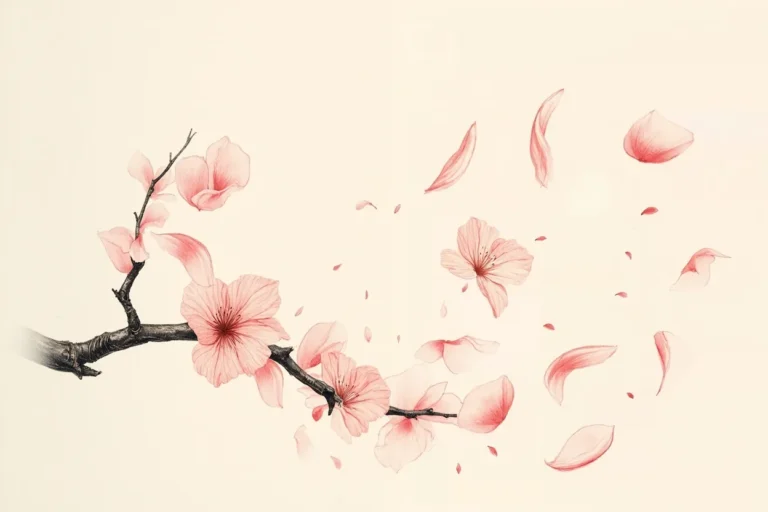
| Anime color | Saturated character portraits and scenes that match the on-screen palette | High impact but fades faster, especially pinks, yellows, and light blues |
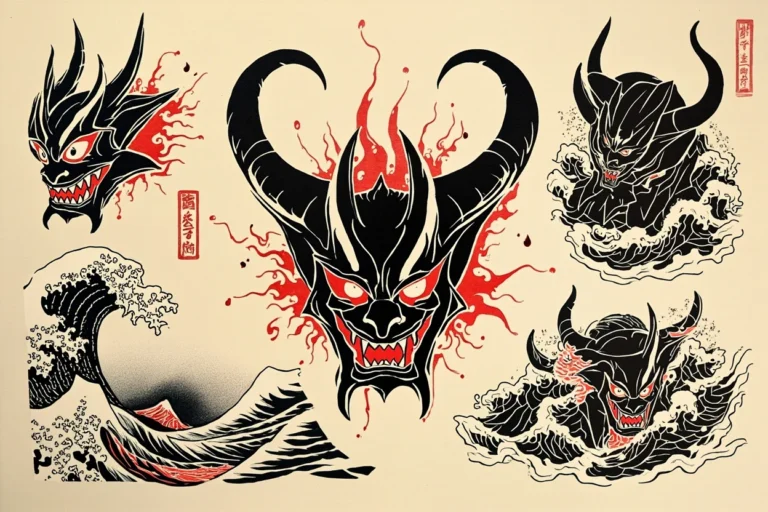
| Blackwork anime | Pure black symbols, silhouettes, and stylized characters with thick line weights | Very good. Best long-term contrast as long as lines are not too thin |
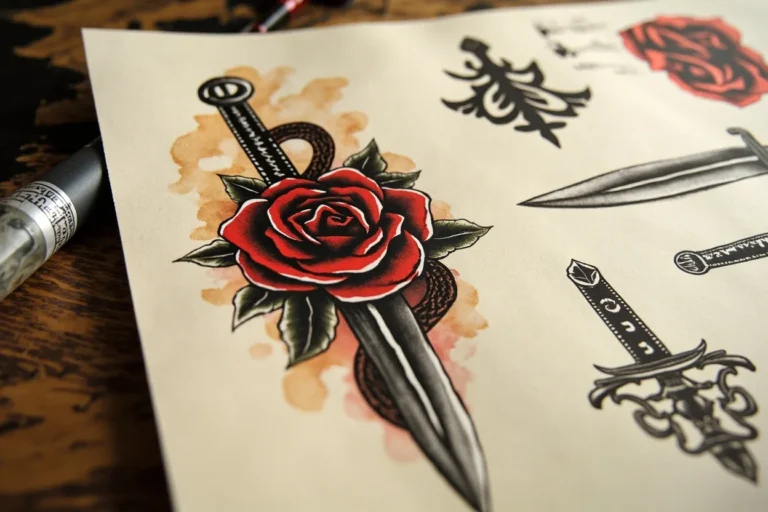
| Neo-traditional | Characters mixed with bold outlines, decorative frames, flowers, and stylized anatomy | Good if contrast stays strong, though any color fields still soften over time |
If you want the screen-accurate look with pink hair and neon highlights, anime color delivers it. Just go in knowing those tones are the first to dull. If you care most about a piece that still snaps from across a room in fifteen years, a black and gray base with color used as an accent is the safer build.
One detail most people miss: screentone dots and speed lines need a flat, stable plane of skin to read correctly. On a curved surface like the outer shoulder, those dots can distort and look like a printer error. Ask your artist to test the composition on a body-shaped template before committing.
Popular themes and how to keep them yours
Symbols that survive shrinking
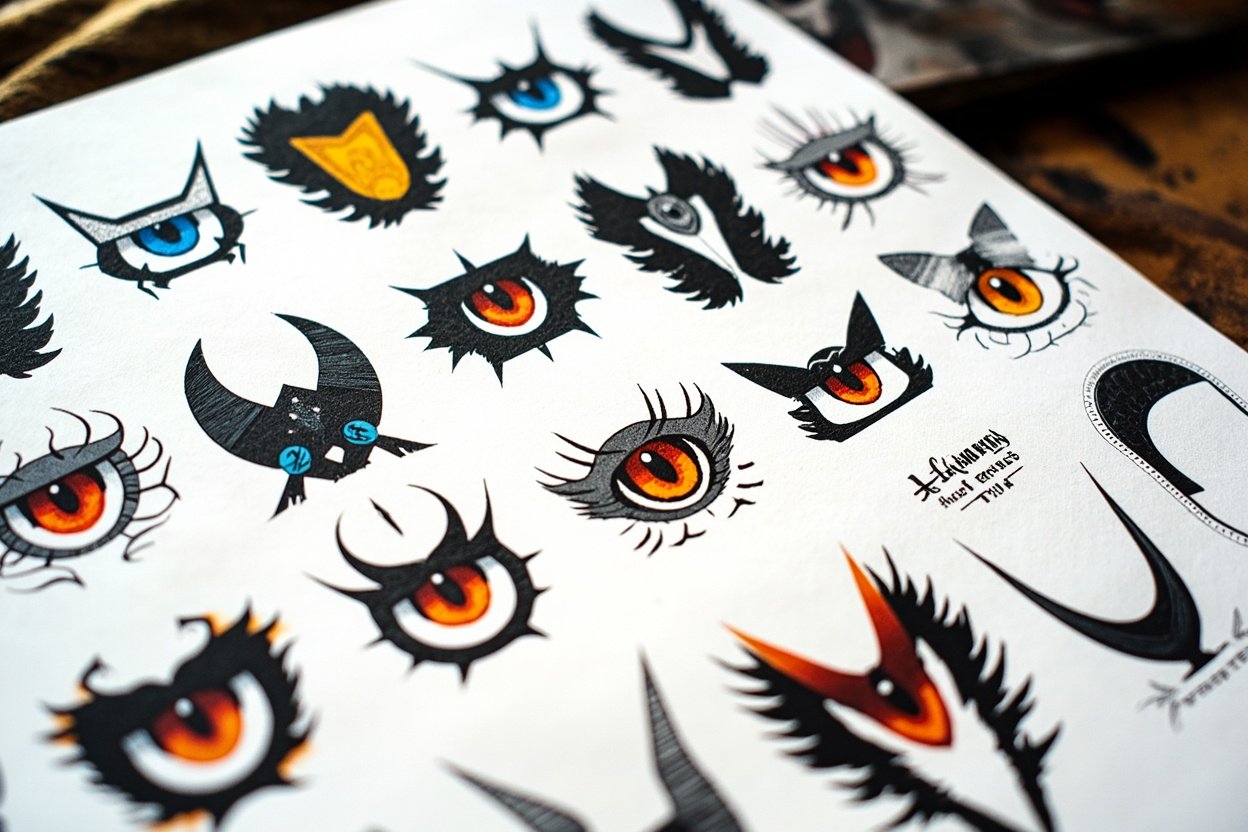
Trend reports point to a mix of big shonen franchises, nostalgic classics, and symbolic emblems rather than only full character portraits. Small emblems and sigils read clean at almost any size, which is why so many people start there. Crests, masks, celestial motifs, and stylized eyes are common because they survive shrinking better than a face packed with detail.
Themes tend to cluster around resilience, friendship, sacrifice, destiny, and transformation. A symbol tied to a series you grew up with carries the same weight as a portrait, and it ages far better. For your own design, this is also where you sidestep the messiest part of anime ink. A generic stylized eye, a custom crest, or an original silhouette inspired by a genre avoids copying a copyrighted character outline directly onto skin.
Characters without the legal gray area
Full portraits of copyrighted characters exist in a legal gray area that most reputable artists will not touch with unlicensed reference. The practical workaround is commissioning a custom piece that evokes the character through pose, color palette, and costume elements without replicating the exact promotional art. Think of it as a style study rather than a reproduction.
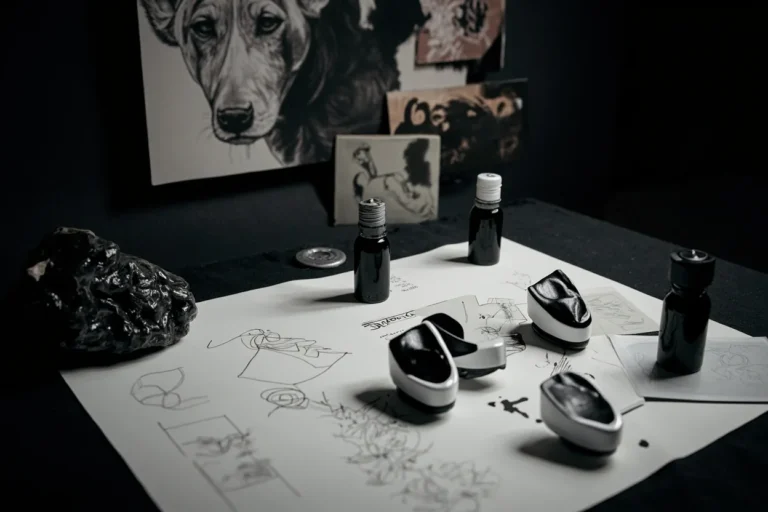
Artist brief: Bring your reference, then ask the artist to reinterpret it rather than trace it. Tell them you want line weight thick enough to survive spreading, and details simplified so nothing merges into a blob as the ink settles.
Placement that protects the detail
Where anime work stays sharpest
Anime pieces live or die on legibility, so placement matters more than with bold traditional work. The goal is stable skin, low UV exposure, and low friction so fine lines and color stay readable.
Upper arm, shoulder, and outer bicep are ideal for large portraits or multi-character scenes. Muscle mass stabilizes the skin and sleeves shield it from sun. The upper back and shoulder blades suit full scenes and group compositions because the skin is thick and relatively still. For medium designs, the forearm works for emblems and vertical panels, and the calf handles standing characters or a katana with low distortion.
The hidden spots and the danger zones
The ribcage and inner thigh are the most protected zones for detailed work you want to keep sharp long term, at the cost of more pain. Be cautious with fingers, palms, the side of the hand, the inner elbow, and the kneecap. High movement makes small anime details blur and blow out fast. The back of the neck looks great for a small symbol but takes a beating from hair products and friction.
One anime-specific placement note: manga panels with vertical reading order need a long, narrow canvas. The outer forearm or side of the calf works better than a square shoulder cap where the composition gets cropped awkwardly.
How to avoid bad fan-art
Source material that will not betray you
The most common way an anime tattoo goes wrong is copying low-resolution or off-model fan-art straight onto skin. A few habits prevent it.
- Start from high-resolution official art or clean manga panels rather than a compressed screenshot crop.
- If you love a piece of fan-art, have your artist redraw it so proportions, line weight, and composition fit tattoo constraints instead of paper or screen.
- Check that the artist’s portfolio shows original anime interpretation, not just traced stills with tattoo needles.
- Ask to see healed photos from a year or more out, not just fresh work. Fresh anime color looks almost identical to the reference. Healed work shows whether the artist understands how those tones settle.
The realism trap
Booking an artist who does great realism but has never done anime is a common mistake. Clean, deliberate linework and bold flat fills are a completely different skill set, and realism shading turns flat anime faces muddy fast. The gradients that make a portrait look lifelike destroy the cel-shaded look that makes anime read as anime. Look for artists who post process shots of their line work specifically, not just finished photos where color hides shaky foundations.
Color behavior and skin undertones
Anime color palettes are designed for backlit screens, not human skin. That saturated peach-pink of so many characters? On skin with cool undertones, it can heal toward a muddy salmon. On warm undertones, the same pink might read cleaner but blues and purples can shift toward gray. A specialist will adjust the mix to your specific skin rather than using the reference hex codes literally.
White ink for anime eye highlights is another common request that often disappoints. White fades to translucent yellow within a few years on most skin tones, and heavy white packing can scar. Most experienced anime artists use negative space for highlights instead, or pale blue that ages to a readable gray rather than disappearing entirely.
What to Remember
Anime tattoos reward patience and punish shortcuts. The style you choose sets your maintenance schedule for the next decade. Manga linework and blackwork ask for the least long-term attention; saturated color asks for the most. Placement determines whether fine details survive or blur into suggestion. The artist you choose matters more than the reference image you bring, because a good artist will tell you when your favorite screenshot will not work as skin, and a bad one will trace it anyway.
Start with symbols and emblems if you are uncertain. They age gracefully, carry personal meaning without needing exposition, and let you test an artist’s anime-specific skills before committing to a full portrait. If you do want color, build it on a black and gray foundation and use bright tones as accents rather than fields. And always ask for healed photos. The fresh piece is a promise. The healed piece is the truth.
Frequently Asked Questions
How long do anime color tattoos last before fading?
Bright anime colors begin to dull within 3 to 5 years, with pinks, yellows, and light blues fading first. Proper sun protection and occasional touch-ups can extend the vibrancy, but plan for maintenance every few years if you want the original saturation.
Can I get a tattoo of a copyrighted anime character?
Most reputable artists will not tattoo unlicensed copyrighted characters directly. The common practice is to create a custom interpretation that evokes the character through pose, palette, and costume without reproducing official promotional art. This protects both you and the artist legally.
Why do anime faces sometimes look muddy after healing?
Anime faces rely on flat color fields and clean edges. When an artist trained in realism applies their usual shading techniques, the subtle gradients blur together and lose the crisp cel-shaded look. Look for artists with specific anime portfolio work showing healed results.
Is white ink good for anime eye highlights?
White ink generally fades to translucent yellow within a few years and can scar if overpacked. Experienced anime artists typically use negative space for highlights or pale blue that ages to a readable gray instead.
What is the best placement for a manga panel tattoo?
Long, narrow compositions like vertical manga panels work best on the outer forearm or side of the calf. Square areas like shoulder caps crop the composition awkwardly and distort screentone dots on curved surfaces.