Best friend tattoos represent an unbreakable bond between two people who choose to make their connection visible and permanent. These matching or complementary designs serve as lifelong reminders of loyalty, shared experiences, and the unique understanding that defines true friendship. Unlike romantic tattoos, they celebrate a chosen family relationship built on trust, laughter, and mutual support through life’s changes.
Symbolism & History
The tradition of friendship markings stretches across cultures and centuries. Ancient Celtic warriors wore matching symbols to signify blood brotherhood, while sailors inked identical anchors to mark crew loyalty. The modern best friend tattoo emerged from the 20th-century practice of couples getting matching designs, expanding to celebrate platonic bonds as tattoo culture mainstreamed in the 1990s and 2000s.
Core symbolic elements include:
- Infinity symbols representing endless connection without beginning or end
- Puzzle pieces showing how two individuals complete each other
- Lock and key motifs symbolizing trust and exclusive access to one’s true self
- Split designs (half hearts, quotes) that require both people to form the whole image
- Coordinates or dates marking where or when the friendship transformed into something unshakable
Many designs incorporate personal imagery: inside jokes rendered in symbolic form, references to shared hardships overcome together, or tributes to friends who have passed away but remain spiritually connected.
Common Variations & Styles
Best friend tattoos range from minimalist to elaborate. The most enduring styles include:
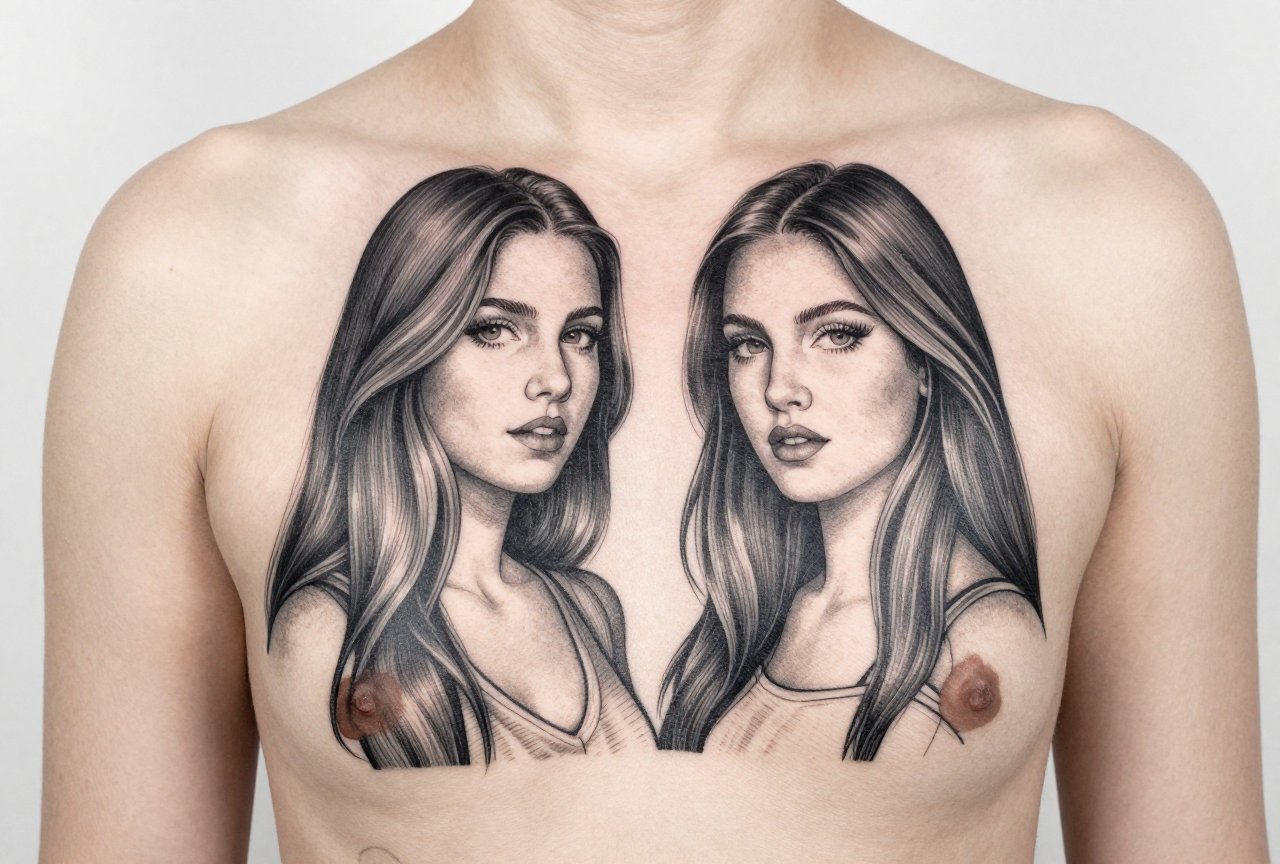
- Matching identical designs – same image, same placement, creating visual symmetry when together
- Complementary pairs – sun and moon, salt and pepper, two halves of a quote that reads complete side by side
- Sequential or number-based – “1” and “2,” “Big” and “Little,” “Partner in Crime” split across two bodies
- Minimalist line art – simple hearts, arrows, or abstract symbols for subtle, professional-friendly placement
- Watercolor or illustrative – shared favorite animals, flowers with personal significance, or custom artwork representing a shared passion
Script-based designs remain popular, with quotes from beloved books, songs, or original phrases that encapsulate the friendship’s essence. Some friends choose symbols from fictional worlds they both cherish, creating secret language tattoos meaningful only to those who share the reference.
Best Placements
Placement carries its own meaning in friendship tattoos. Visible locations declare the bond openly, while hidden spots create intimate secrets between two people.
- Wrist or forearm – easily visible for daily reminder, works well for matching designs that align when holding hands
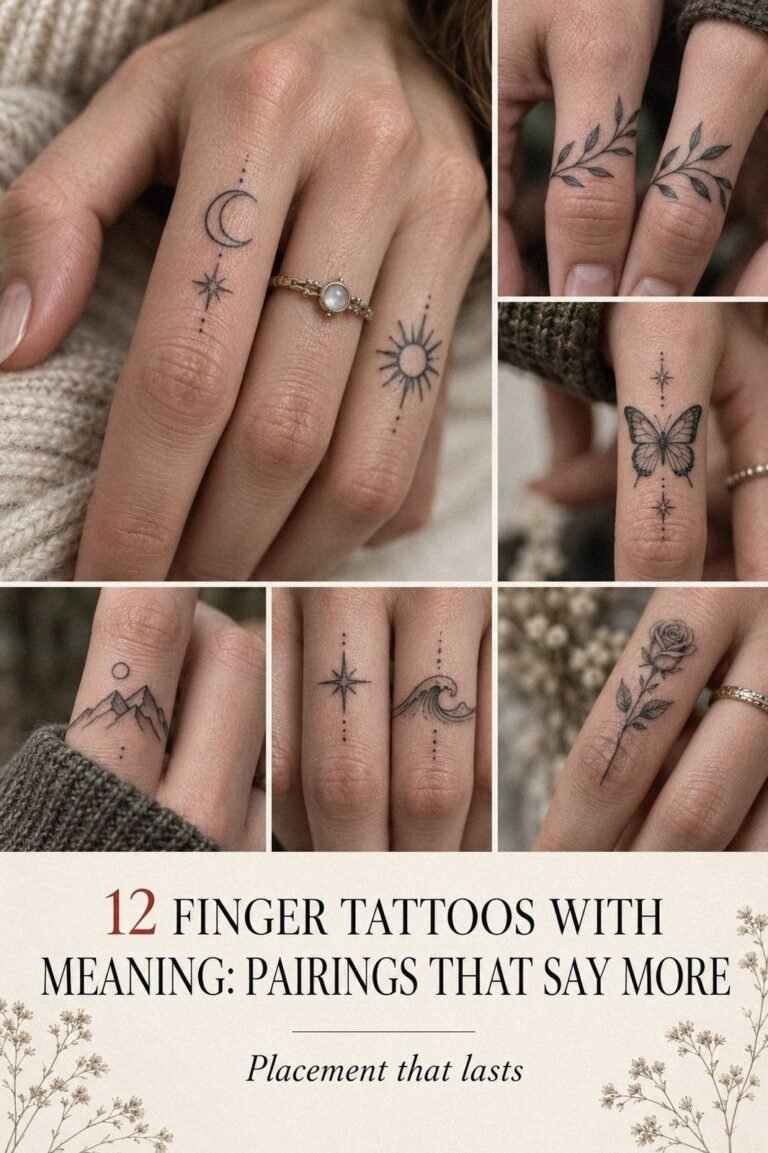
- Finger or hand – small, simple symbols; the “pinky promise” placement has surged in popularity
- Ribcage or side – private but meaningful, often chosen for more personal or vulnerable designs
- Ankle or foot – subtle, easily concealed; popular for friends in professional environments
- Behind the ear – discreet, feminine-coded placement for small matching symbols
- Shoulder or upper arm – accommodates larger, more detailed artwork with room for future additions
Some friends choose placements that mirror each other exactly, while others select locations that suit individual body preferences while maintaining design cohesion.
Who Chooses This Tattoo / Personal Meanings
Best friend tattoos appeal across demographics, though they cluster around life transition moments: high school or college graduation, moving to different cities, surviving shared trauma, or marking decades of friendship. The decision often follows a pivotal experience that revealed the friendship’s depth.
Personal meanings vary profoundly:
- Long-distance friends use tattoos as tangible proof that physical separation does not diminish connection
- Childhood friends commemorate the rare gift of knowing someone through multiple life stages
- Recovery companions mark friendships that sustained mental health journeys or sobriety
- Chosen family – LGBTQ+ individuals especially use these tattoos to honor friends who provided acceptance when biological family did not
- Parent-child friendships – mothers and daughters, fathers and sons who relate as peers as well as family
The tattoo often serves as a commitment ceremony without formal ritual, a private vow more binding than any spoken promise.
Similar Symbols
Related tattoo categories share thematic DNA with best friend designs:
- Sibling tattoos – blood relation rather than chosen bond, often incorporating family crests or birth order
- Couple tattoos – romantic rather than platonic, though the visual vocabulary overlaps significantly
- Memorial tattoos – honoring deceased friends, sometimes incorporating elements from planned matching designs never completed
- Group tattoos – three or more matching designs for friend circles, sororities, or military units
- Pet memorial tattoos – the friendship between human and animal, using paw prints or portraits
- Self-love tattoos – the foundational friendship with oneself, sometimes using matching imagery to represent integration of different self-aspects
Many collectors evolve best friend tattoos into larger friendship-themed pieces as their circle expands, creating constellation-like collections of meaningful relationships.
Final Thoughts
Best friend tattoos carry weight beyond their visual simplicity. They represent a rare human choice: to permanently mark one body as connected to another, with no guarantee the relationship will endure as permanently as the ink itself. This vulnerability is precisely the point. The tattoo becomes not just celebration but commitment, a daily decision to honor a bond that transcends convenience or circumstance. Whether minimalist punctuation or elaborate custom art, these designs speak to one of life’s most undervalued treasures: someone who sees you completely and chooses to stay. In a world of transient connections, best friend tattoos remain defiant declarations that some relationships deserve to be etched in skin, visible proof that we do not walk through life alone.
Related Tattoo Meanings
- Machine Tattoo Meaning: Power, Craft Rebellion
- Smile Now Cry Later Tattoo Meaning: Duality of Life
- Sailing Tattoo Meaning: Navigating Life s Journey
- Explore more