
I got my small owl tattoo the week I turned 30, after months of saving the same sketch on my phone. My worry was simple: would a tiny design still feel meaningful, or would it blur into a smudge? I chose clean black linework, a tolerable placement, and a patient artist. The result still feels personal!
The final symbolic owl design doesn’t announce its meaning to everyone who sees it. I spent more time on scale, spacing, and expression than I expected, but that extra work made the tattoo feel timeless rather than rushed.
Here’s what it looked like before:
The patch of skin on my upper-back placement had been blank for years. I’d kept it open for the right idea, but every design I considered felt too loud, too trendy, or disconnected from my own story. I wanted an owl that felt personal without looking like copied flash.
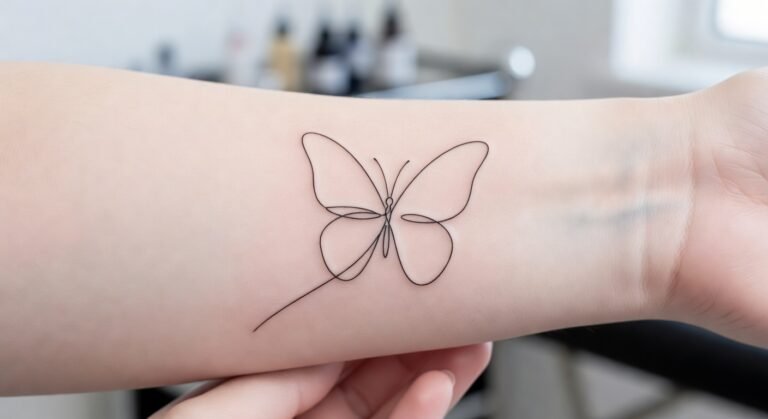
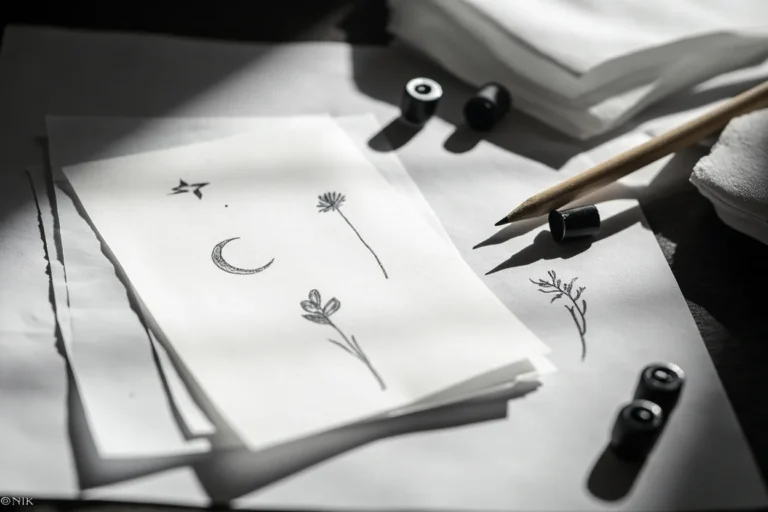
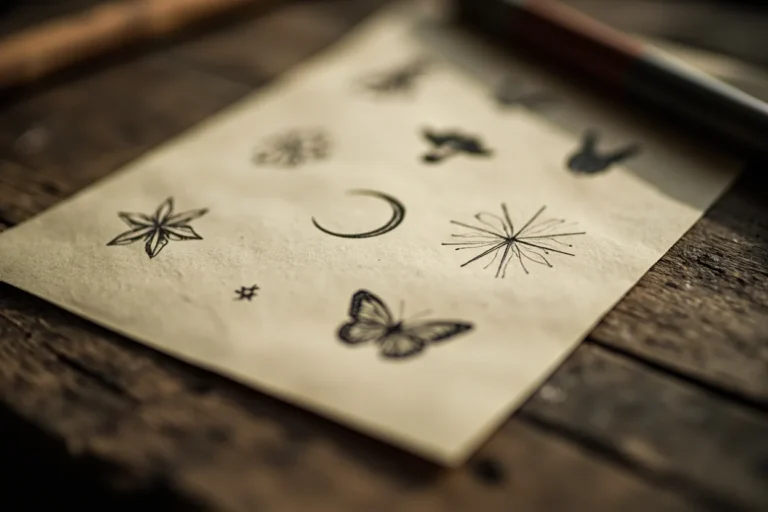
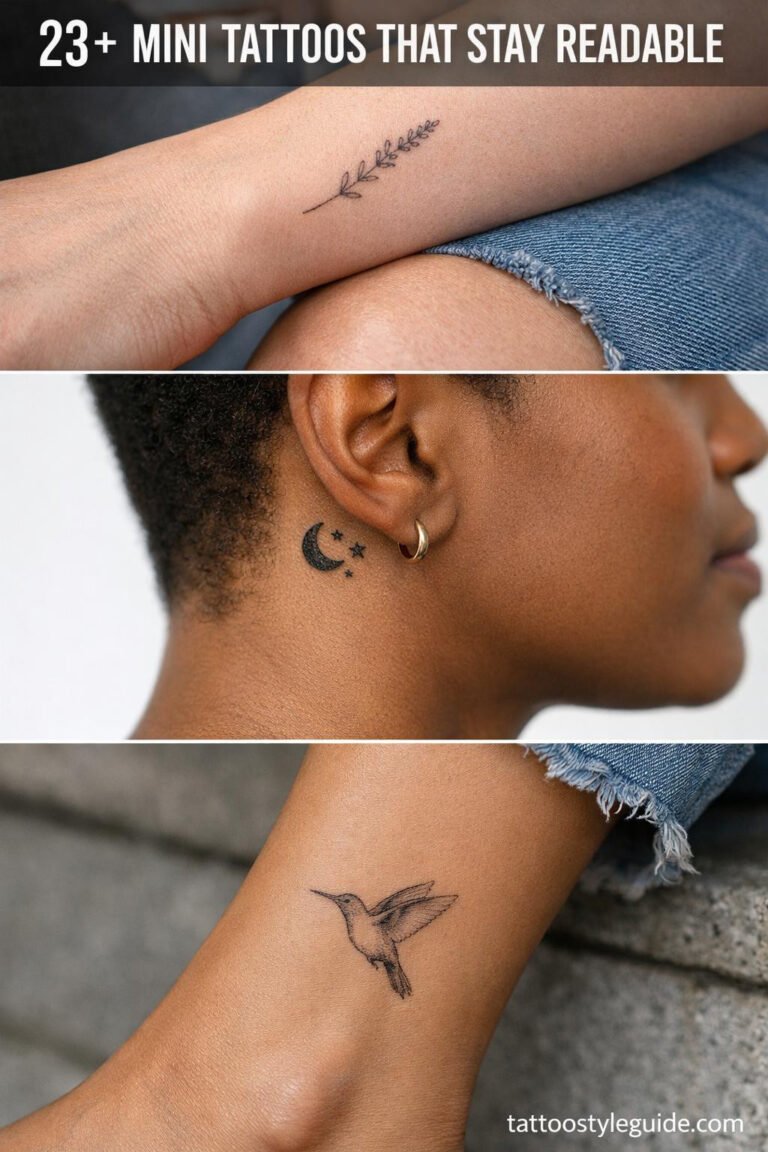
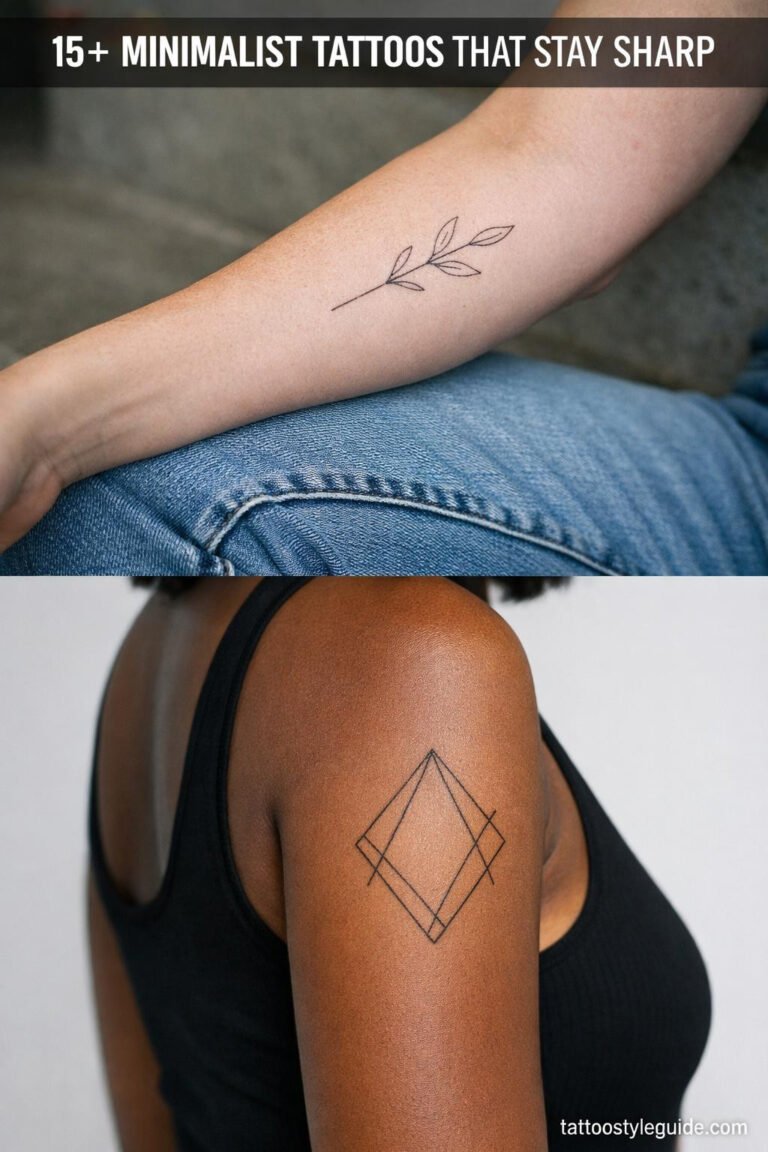
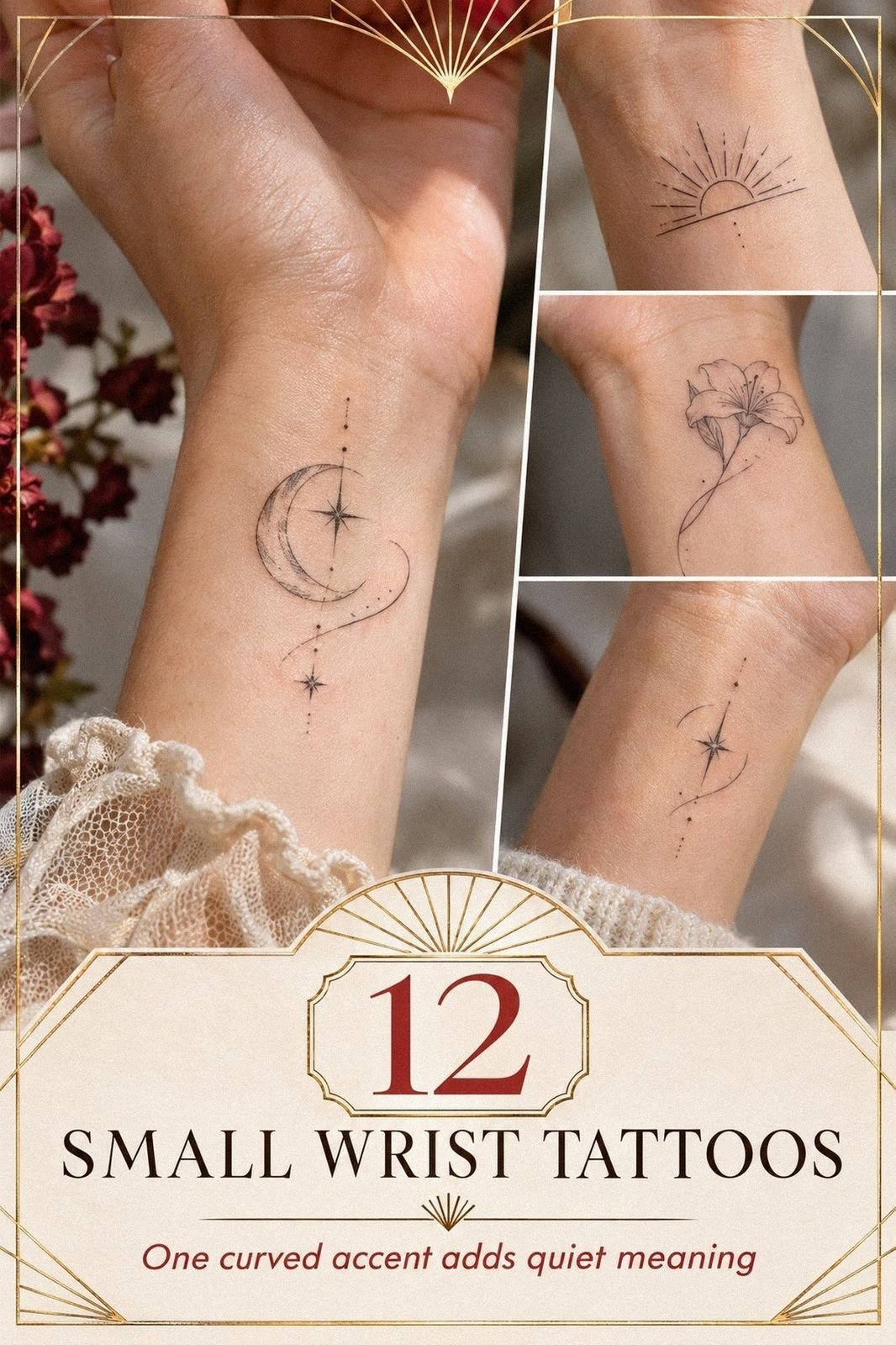
My reference folder was messy. A fine-line owl design sat beside a tiny butterfly, a moon, and several botanical sketches. I didn’t want heavy shading or a large silhouette, so I narrowed the search to fine lines, clear eyes, and a shape that could still read from a few feet away.
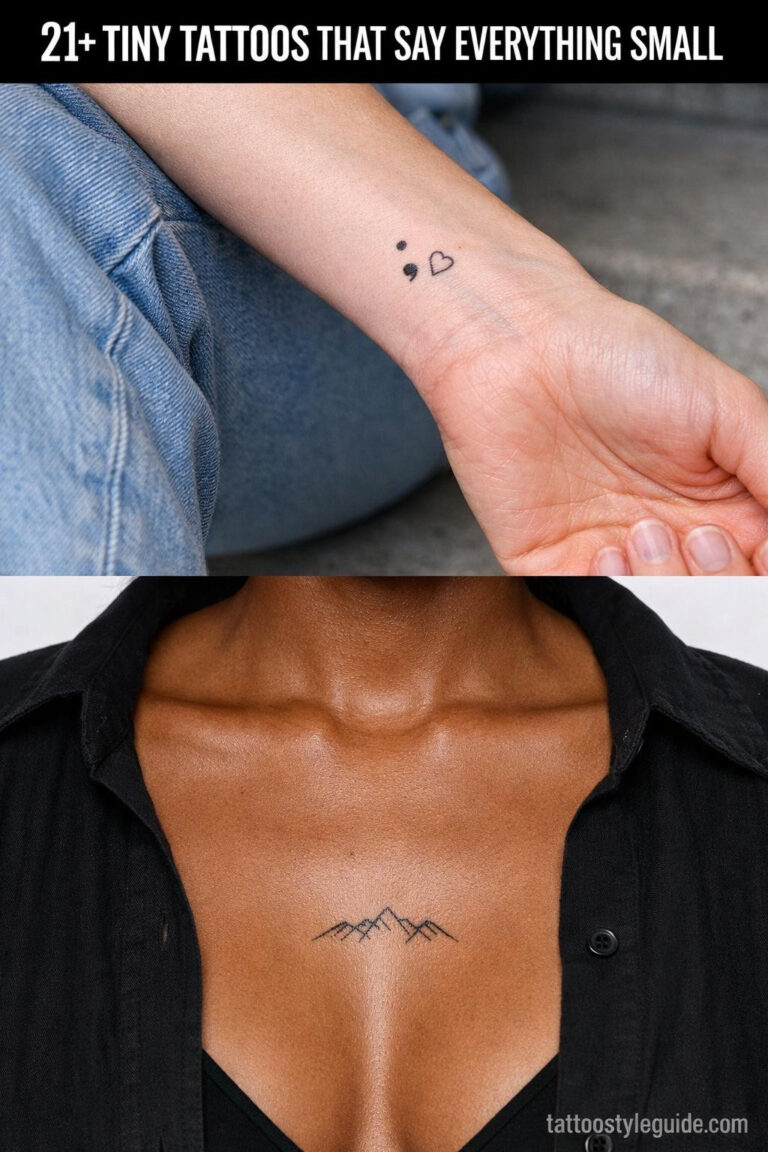
I also saved a few small tattoo ideas for women to compare proportions. Those references helped me decide what felt elegant and what felt overly busy.
- I Chose a Meaningful Little Owl Sketch
- Fine-Line Owl References: Which Details Held Up?
- I Sized the Tiny Owl Tattoo
- I Compared Cute Owl Tattoo Expressions
- Wrist or Upper Back? I Tested the Placement
- I Approved the Intricate Eye Details
- Delicate Linework Pain: What I Expected
- I Sat Through the Sharpest Passes
- I Protected the Fresh Owl Ink
- What Changed as the Symbolic Design Healed?
- My Personal Small Owl Tattoo Was Worth It
1I Chose a Meaningful Little Owl Sketch

I started with a compact owl sketch that had a small body, alert eyes, and wings tucked close to its sides. The reference showed clean, confident lines, and I liked how the design looked expressive without being aggressive. It felt symbolic and personal.
The first sketch I rejected had huge eyes and a cartoon expression. Cute can work, but that version looked temporary to me. I wanted something meaningful, with a quiet gaze and a slightly mysterious expression that wouldn’t depend on a trend to stay interesting.
My artist redrew the face three times. I asked for a narrow beak, small feather marks, and enough open skin around the wings to keep the image readable. You’ll want to print the sketch at its intended size before approving it, because details that look intricate on a screen can disappear when they’re tiny.
I also compared a few small dotwork tattoo ideas before deciding against a textured finish. Dotwork can add atmosphere, but I wanted the owl’s gaze and silhouette to carry the meaning.
2Fine-Line Owl References: Which Details Held Up?

I tested several fine-line owl references before booking the appointment. The strongest examples used hair-thin lines, restrained shading, and a calm silhouette. The work looked delicate, but it didn’t look weak because the artist used confident curves around the head and shoulders.
One reference had too many loose feather strokes. It was ornate, but the details merged when I viewed it from several feet away.
I skipped it. Your tattoo should still read as an owl when you’re standing away from the mirror, not only when every mark is enlarged.
I asked to see healed tattoo examples, not only fresh work. Fresh lines can look crisp and dark, while healed lines soften as the skin settles. My artist showed me work from several months later, and the best example still had a sharp eye, a clean beak, and open space between the feathers.
If you’re comparing styles, small watercolor tattoo references can show how color changes the visual weight of a small subject. I liked the expressive quality, but black linework suited my idea better.
3I Sized the Tiny Owl Tattoo

Sizing the tiny owl tattoo took more thought than I expected. My first reference used very fine lines, and the design looked minimal without looking unfinished. I asked my artist to show the stencil at several sizes before we settled on one.
The smallest option was under one inch tall, and I rejected it because the eye and beak were too close together. The final stencil was closer to two inches, which gave every line a little breathing space. You don’t need a large piece for impact, but you do need enough room for the design to remain legible.
I also considered how fine lines may soften or widen over time. A small tattoo can age well, but no line stays frozen forever. My artist kept the feather marks light, used a solid-black pupil, and avoided packing detail into the narrowest parts of the body.
That decision made the design feel sleek and polished. If you’re unsure about scale, compare the stencil in a mirror and take a photo from several steps away. I found the small watercolor tattoo ideas useful for judging how much visual space a small design needs, even without color.
4I Compared Cute Owl Tattoo Expressions

I compared cute owl tattoo expressions on a thigh placement, where the skin gave the design more space. The first face was round and cheerful.
The second had raised brows and a slightly fierce stare. I chose the second because it felt playful without looking childish.
Expression comes from tiny changes. A lower brow can make an owl seem fierce, while larger circular eyes create a softer mood. I asked my artist to keep the gaze direct, then softened the wings so the face wouldn’t feel too severe.
My favorite version had no tiny smile, no heart, and no extra stars. Those details can be charming, but they weren’t part of my story. You’ll want to ask which marks are carrying the personality before you add decoration, because one unnecessary line can change the whole expression.
I went back and forth for an afternoon, and my artist was patient. In the end, the bold owl eye made the little face readable, while the rest stayed light. If you like a softer direction, small butterfly tattoo references show graceful curves without copying the subject.

5Wrist or Upper Back? I Tested the Placement

I first considered my wrist placement because it would be easy to see every day.
The stencil looked more balanced on my upper back. The position gave the wings enough space and kept the owl private under most clothing. I liked that practical detail, but I also liked how the placement made the tattoo feel personal rather than performative.
I asked to compare the stencil while standing, sitting, and moving my shoulders. The upper-back stencil stayed readable in each position, while the wrist version felt more exposed and cramped.
Sun exposure and daily movement mattered too. I chose the upper back because it offered a more forgiving location for fine lines and made aftercare easier during the first few days.
6I Approved the Intricate Eye Details

The eye details mattered most on a small owl face. The fine-line owl looked striking because the artist used strong contrast without filling the entire design with heavy black. I asked for one solid dark pupil, a small catchlight, and a clean outer curve.
The first draft used three tiny circles inside each eye. That felt too busy.
My artist replaced them with one dark point and a narrow open gap, which gave the expression more focus. You’ll want to discuss contrast directly, especially if you’re choosing a small design with minimal shading.
Skin tone doesn’t change the need for thoughtful contrast, but it does affect how a tattoo appears during healing. My artist tested the stencil carefully and kept the black areas intentional. The result looked classic, not overworked.
I also approved a few short feather marks around the brow. Those lines gave the owl an intricate face without turning it into a miniature illustration. For texture comparisons, I checked small trad tattoo ideas and removed every detail that didn’t serve the expression.
7Delicate Linework Pain: What I Expected

I prepared for delicate linework pain because the rib placement felt more vulnerable than the wrist. The owl was small, and the ribs are among the more sensitive areas for many people. I expected a sharp sensation, not a dramatic ordeal.
My artist explained that ribs, feet, hands, and sternum often feel tougher than the forearm, thigh, or shoulder. Pain varies with placement, sleep, stress, and your own threshold. I ate beforehand, drank water, and wore clothing that wouldn’t rub the area.
The first pass felt like a hot scratch. The longer the session went, the more my body adapted.
I wouldn’t call it relaxing, but it was manageable, and the small design kept the appointment moving. You don’t need to prove anything by staying silent, so speak up if you need a pause.
I chose a gritty little owl rather than a soft decorative one, and the sharper linework suited the rib placement. If you’re considering another small animal, small bumble bee tattoo examples show how a compact design can stay readable in a sensitive placement.
8I Sat Through the Sharpest Passes

I sat through the sharpest passes on a spine placement, where the owl’s hair-thin lines followed the center of the body. The location looked dramatic, but the design itself stayed restrained. I liked that contrast: a quiet image in a position that naturally draws attention.
The artist worked slowly around the spine and paused before each longer curve. The sensation was strongest where the needle crossed bone, then softened on the surrounding skin. You’ll want to keep your muscles loose if you can.
Tensing your shoulders only made the appointment feel longer.
I asked whether a thicker outline would make the owl last longer. Sometimes stronger black can help a design remain readable, but thicker isn’t always better for a tiny subject.
My artist kept the main contour firm and left the inner feathers lighter. That balance looked refined rather than heavy.
For me, the spine won’t be the first placement I recommend to someone nervous about pain. The thigh or forearm is usually more tolerable.
Still, the centered position felt iconic, and I understood why someone would choose it. Would it be worth the extra discomfort?
For some people, absolutely!
9I Protected the Fresh Owl Ink

I protected the fresh owl ink on a calf placement by treating aftercare as part of the tattoo, not an afterthought. The black linework looked vibrant at first, but the skin was tender and slightly swollen. My artist gave me simple instructions: wash gently, pat dry, moisturize lightly, and avoid picking.
I kept clothing loose around the area and avoided soaking it in pools, baths, or open water. Sun exposure can affect tattoo longevity, so I covered the calf and used sunscreen only after the skin had closed enough for it. Your artist’s instructions should come first if they differ.
The design didn’t need a thick layer of product. Too much moisture can leave the skin sticky and uncomfortable, and it won’t make healing faster. I used a small amount of fragrance-free moisturizer and watched for changes without touching the lines every five minutes.
A careful healing routine helped the owl settle without unnecessary irritation. If you’re planning another small piece, compare small dragonfly tattoo ideas, since fine details need the same patience. Don’t rush back into swimming just because the skin looks better!
10What Changed as the Symbolic Design Healed?

I watched the symbolic design heal through a split reference, with a fresh stencil on one side and a healed owl tattoo on the other. The fresh version looked sharp, while the healed version appeared softer and more natural. That change didn’t scare me, but it did make the final result easier to judge.
During the first week, the skin felt tight and mildly itchy. I didn’t scratch it.
The surface typically settles in about two to three weeks, while complete healing can take roughly two to three months. Those timelines vary, so you shouldn’t judge the final look too early.
The eye remained the strongest detail after healing. The feather marks softened, but they didn’t disappear because the artist had left enough open feather spacing between them.
You’ll want to protect that spacing from the start. Crowded fine lines are harder to read once the skin has fully settled.
The finished owl looked graceful and a little more haunting than it had on paper. I liked that.
It didn’t look brand-new forever, and it didn’t need to. The meaning stayed intact because the silhouette and gaze were doing the important work.
For more comparisons about softened pigment and small designs, I revisited small watercolor tattoo examples. The color wasn’t relevant to my tattoo, but the healed-versus-fresh contrast was useful.
11My Personal Small Owl Tattoo Was Worth It

I celebrated my personal small owl tattoo after the upper-back placement healed. The lines had softened slightly, but the eye, beak, and wings still read clearly. That was the result I wanted from the beginning.
The tattoo felt understated rather than plain. It carried a private meaning, looked graceful from a distance, and still had enough personality to feel like mine.
How Much Did It Cost?
I planned for a typical US small tattoo budget of $250, but I didn’t treat that as a guaranteed quote. Small tattoos often have a shop minimum, and the artist’s experience, region, placement, and consultation time can change the total. My goal was to avoid choosing an artist based only on the lowest cost.
A boutique minimum often lands around $50 to $100. Hourly rates commonly sit near $100 to $250, though artists may quote a flat amount for a compact design. You’ll want to ask what’s included before you book, especially if the sketch needs several revisions.
I’d spend more on a clean portfolio and healed examples than on decorative extras. That’s where the value sits. A professional tattoo artist who understands fine-line spacing can protect the design’s future readability, and you won’t be able to fix a rushed decision with a cheaper appointment later.
Before booking, I’d compare the total cost, the artist’s healed work, the consultation process, and the expected session length. A low quote isn’t automatically a good deal if the design needs correction later.
What I Learned From Choosing a Small Owl Tattoo
I used to think the hardest part would be tolerating the tattoo needle. It wasn’t.
The harder decision was accepting that a small tattoo can’t hold every detail from a reference image. You have to choose what matters most, then let the empty skin do some of the work.
I chose the eye, silhouette, and wing shape. I dropped the stars, the branch, and the tiny decorative dots.
That made the design more understated, but it also made it more recognizable. I’ve seen small tattoos become muddy because the owner wanted a full illustration at a size that could only support a symbol.
Placement changed the conversation, too. A wrist placement is visible and easy to check, but it faces daily sun and movement.
A rib tattoo can feel more private and intimate, but the appointment may be harder. A thigh or upper arm often gives you a more tolerable first experience.
There’s no universal winner, and anyone claiming there is hasn’t listened to enough bodies.
I also learned that “fine line” isn’t a magic label. You still need confident technique, sensible spacing, proper aftercare, and realistic expectations about aging. My owl feels understated and timeless because it wasn’t overloaded with trendy marks.
If I had chased every reference I liked, I’d have ended up with a busier tattoo and less of myself in it.
Before You Book a Small Owl Tattoo
Start with the meaning, then decide how visible you want the design to be. A symbolic owl can represent wisdom, protection, independence, memory, or simply a private fascination. You don’t need a long explanation ready for everyone who asks.
Next, test the stencil at the size you can realistically afford. A larger design may cost more, but it can preserve the eye, beak, and feather spacing more comfortably. A smaller design may fit your budget, but it needs stronger editing.
Look for healed tattoo work, not only fresh examples. Ask how the artist handles redraws, how much the consultation costs, and whether the quote changes if you adjust the size. Those questions can prevent an awkward surprise later.
If you’re still comparing animal motifs, small bumble bee tattoo ideas and small dragonfly tattoo ideas can help you judge how different silhouettes behave at a compact scale.
The Details I Would Keep
I’d keep the single dark pupil, the open wing shape, and the two-inch height. Those choices made the owl readable without forcing it to become an overworked illustration.
I’d also keep the upper-back placement. It gave me privacy, enough breathing space, and a more relaxed appointment. The choice was practical, but it still felt empowering.
I wouldn’t add stars, a branch, extra shading, or a second animal. The temptation to add more is real, especially when you’re looking at references late at night. But the strongest version was the one with fewer competing marks.
For another edit-friendly reference set, I checked small trad tattoo ideas and small dotwork tattoo ideas. I borrowed the lesson about readability, not the visual style.
The Questions Worth Answering First
How much does a Small Owl Tattoo usually cost?
A small owl tattoo typically costs about $100 to $300 in the US, but a shop minimum may be around $50 to $100 and hourly rates can reach $100 to $250. A clear tattoo quote depends on the artist, region, size, and detail.
Ask whether the consultation and redraws are included. You’ll want the final price before booking, not a vague estimate after the stencil is ready. That makes it easier to decide whether the design is worth it for your budget.
Are Small Owl Tattoos a good idea for a first tattoo?
Yes, a small owl tattoo can suit a first appointment because you can choose a more tolerable placement and keep the session focused. A readable owl design can feel personal without requiring a long sitting.
Forearm, thigh, and shoulder placements are often easier for beginners than ribs, feet, hands, or sternum. Your artist can help match the design to your comfort level and budget.
How do I choose a tattoo artist for a Small Owl Tattoo?
Choose an artist whose portfolio shows clean linework, healed photos, and consistent small designs. A strong tattoo portfolio matters more than a polished social feed, so look closely at eyes, curves, spacing, and skin texture.
You should also check studio hygiene and ask how the artist handles revisions. If you want a softer subject, compare watercolor tattoo work, but don’t hire someone for a style they rarely tattoo.
How much do Small Owl Tattoos hurt?
Pain depends on your body and placement. Ribs, feet, hands, and sternum are often more painful, while forearm, thigh, and shoulder placements are usually more tolerable. A shorter tattoo session can make a small design easier to manage.
The sensation may feel like a hot scratch or repeated vibration. You’ll do better if you eat, hydrate, breathe steadily, and tell your artist when you need a brief pause.
How long does a Small Owl Tattoo take to heal?
The surface usually settles in about two to three weeks, while complete healing can take roughly two to three months. Patient tattoo aftercare means washing gently, moisturizing lightly, avoiding sun, and staying out of pools until the skin is ready.
Don’t pick flakes or judge the final color during the first few days. Your artist’s instructions should guide the routine if they differ from general advice.
What’s the best placement for a Small Owl Tattoo?
Forearm and thigh placements are practical choices because they’re often more tolerable and give fine lines space to remain readable. Flexible tattoo placement also makes it easier to protect the tattoo from friction and direct sun.
The wrist is more visible, while the upper back, ribs, and calf offer different levels of privacy. You’ll want to weigh visibility, pain, movement, and long-term sun exposure before choosing.
For more compact placement comparisons, I’d also look at small butterfly tattoo and small tattoo ideas for women references.
Where I’d Start First
If I had to pick one, I’d start with the two-inch upper-back owl. It gives fine lines enough space to stay readable, feels more tolerable than ribs or sternum, and still feels private.
Save the sketch, ask for healed examples, compare the full cost, and let the eye carry the meaning. That balance made my small owl tattoo feel daring, feminine, and completely mine. Worth it!