I chose a small watercolor tattoo the week I turned 30, and it still reads clean because I gave the color enough room to breathe. I wanted soft florals, not a blurry pastel smudge. So I picked a simple motif, let black linework do its job, and stopped treating my wrist like unlimited canvas.
Here’s what it looked like before
The patch of skin I’d been saving was blank, pale, and easy to overthink. I had screenshots full of tiny painted flowers, loose splashes, and details that looked great zoomed in but would turn to soup at wrist size.
I brought references for vibe, not a Pinterest-exact copy. Your skin isn’t paper, and your artist shouldn’t trace someone else’s tattoo onto you. I knew I wanted something airy and personal, but it had to survive real life too: handwashing, sun, sleeves, and the occasional bad decision at the beach.
- Chose a Small Watercolor Tattoo Motif
- Sketched a Tiny Botanical Watercolor Tattoo
- Matched Watercolor Florals With Fine Linework
- Tested Color Blends On Tattoo Paper
- Selected Meaningful Colors For My Tattoo
- Scaled the Design For My Wrist
- Compared Ankle And Forearm Placement Options
- Checked Visibility Against My Skin Tone
- Reviewed Small Watercolor Tattoo References
- Asked My Artist About Pigment Fading
- Confirmed Linework Would Anchor The Color
- Planned a Tiny Watercolor Wildflower Tattoo
- Adjusted Details For Long-Term Clarity
- Prepared for Mild Wrist Tattoo Pain
- Followed My Artist’s Small Tattoo Aftercare
- Protected the Tattoo During Early Healing
- Watched the Watercolor Pigments Settle
- Scheduled a Careful Color Touch-Up
- Kept My Small Watercolor Tattoo Crisp
1Chose a Small Watercolor Tattoo Motif
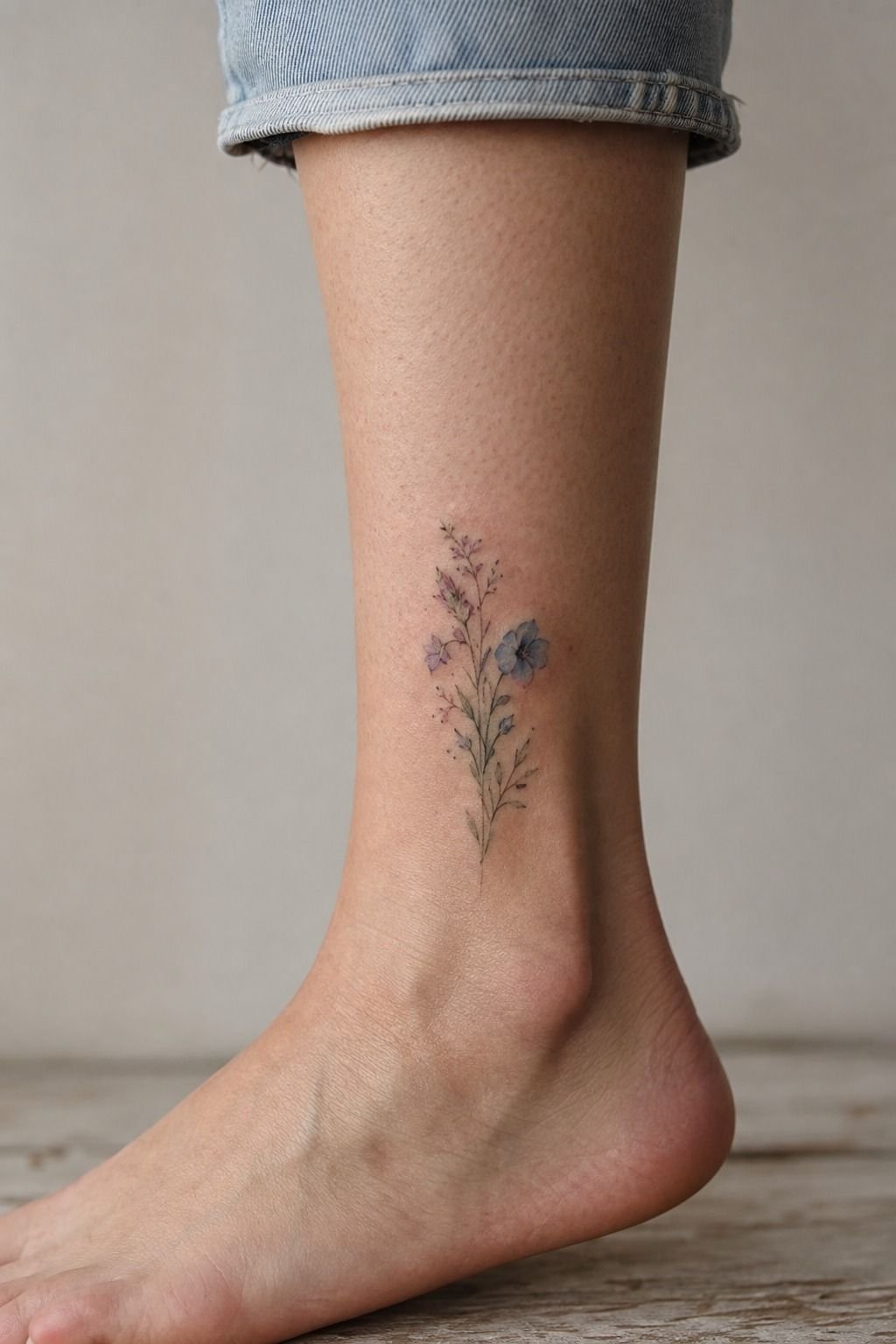
I started with one wildflower stem on my outer ankle, then built the watercolor around it. That placement has enough low-wear skin that the soft blue and pink wash can stay readable without getting chewed up by daily friction.
For your first small watercolor tattoo, pick one object that still makes sense in black ink alone. A flower, tiny bird, fruit slice, or abstract brushstroke works.
I’d skip a whole mini bouquet with six species crammed into 2 inches. It’s charming on a screen; on skin, it becomes visual noise.
The ankle is mildly spicy near the bone, but manageable. You’ll get a soft, organic mark that looks intentional from across the room. More watercolor tattoo ideas help if you’re still deciding what deserves the spot.
2Sketched a Tiny Botanical Watercolor Tattoo
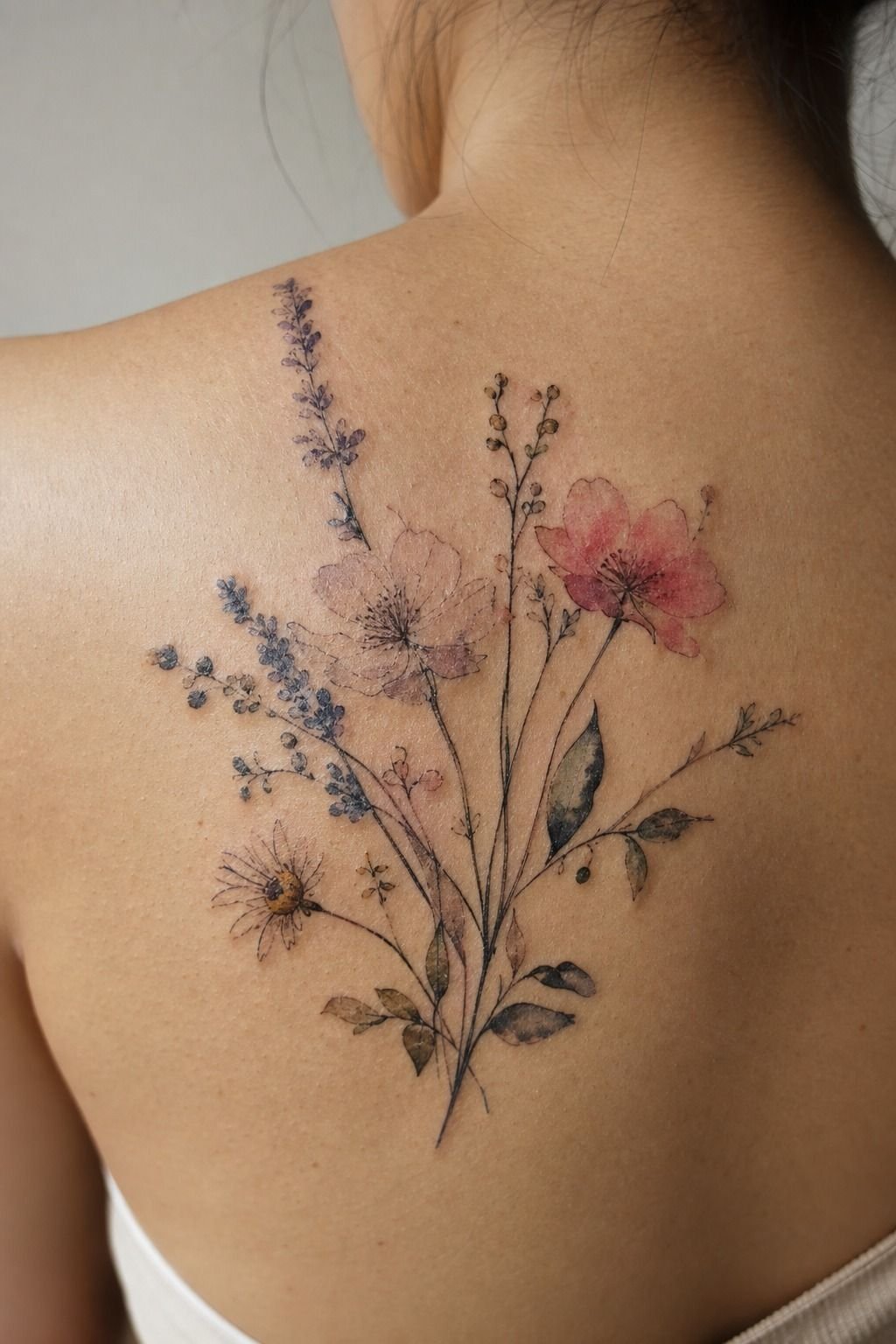
Before the machine came out, I drew the botanical shape at its final size.
3Matched Watercolor Florals With Fine Linework
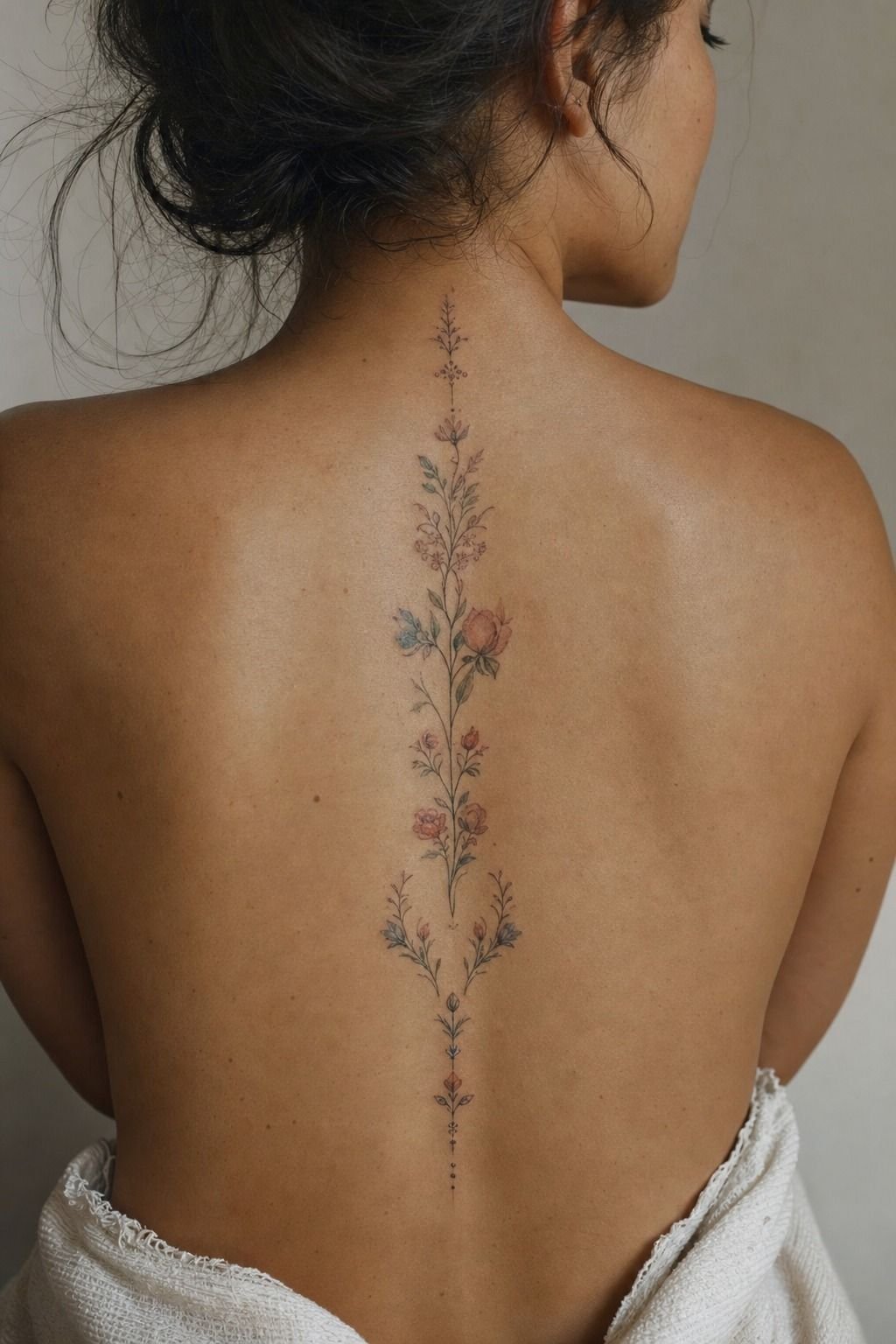
The best decision I made was pairing the soft wash with black-and-grey linework. Watercolor without an anchor can fade gentle, then heal flat. A few crispy stems and confident petal edges give your color somewhere to live.
For a spine piece, I’d keep the floral tattoo narrow and let the leaves climb with your body’s centerline. You want flow, not a row of clip-art flowers parked down your back.
I used a muted violet, dusty blue, and one warm pink note. Soft, yes. Weak, no.
Your artist should use one clean pull for the fine lines, not ten fuzzy passes. Ask to see healed work, especially on different skin tones. The watercolor tattoo artist guide is a good place to learn what clean healed color looks like.
4Tested Color Blends On Tattoo Paper
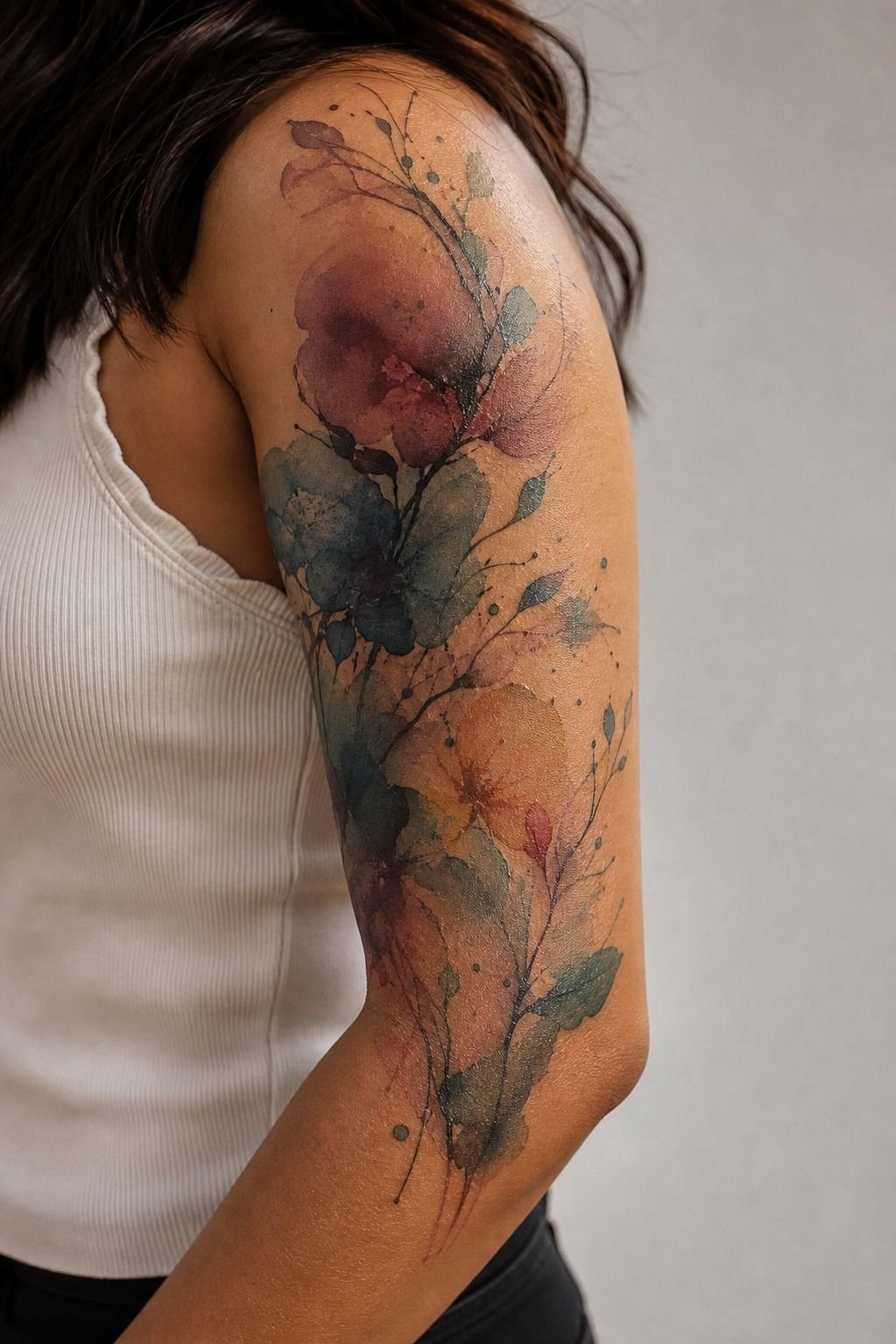
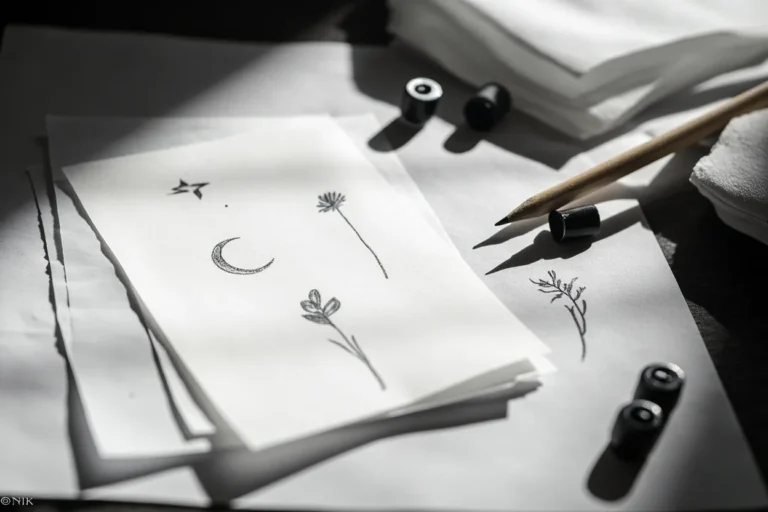
I tested the palette as a painted sketch first, not because tattoo paper predicts healed skin exactly, but because it showed me where the colors were fighting.
5Selected Meaningful Colors For My Tattoo
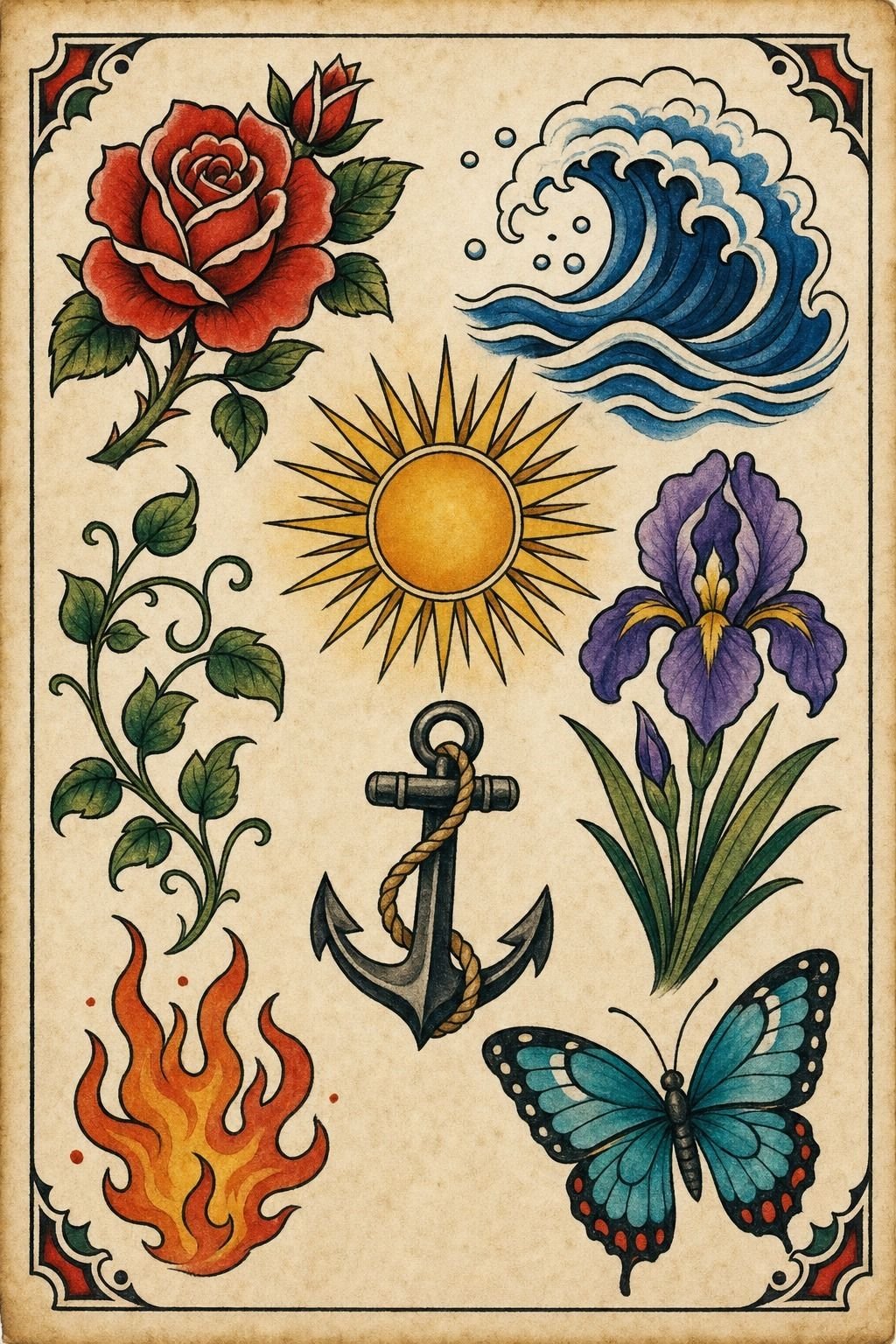
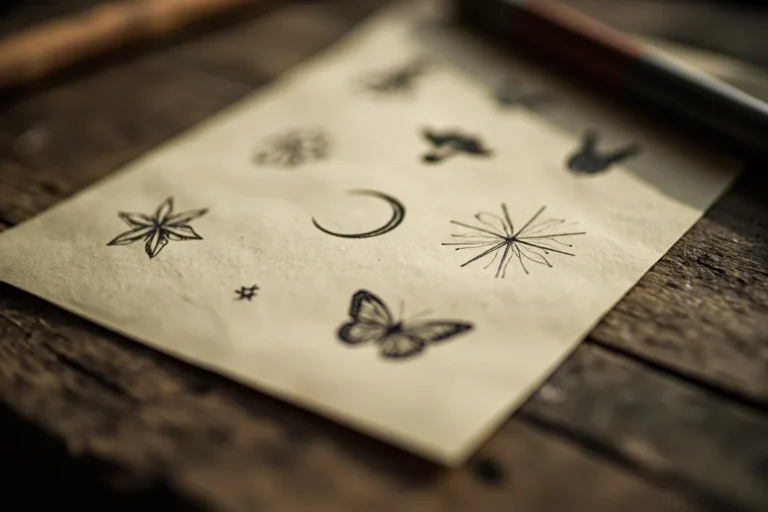
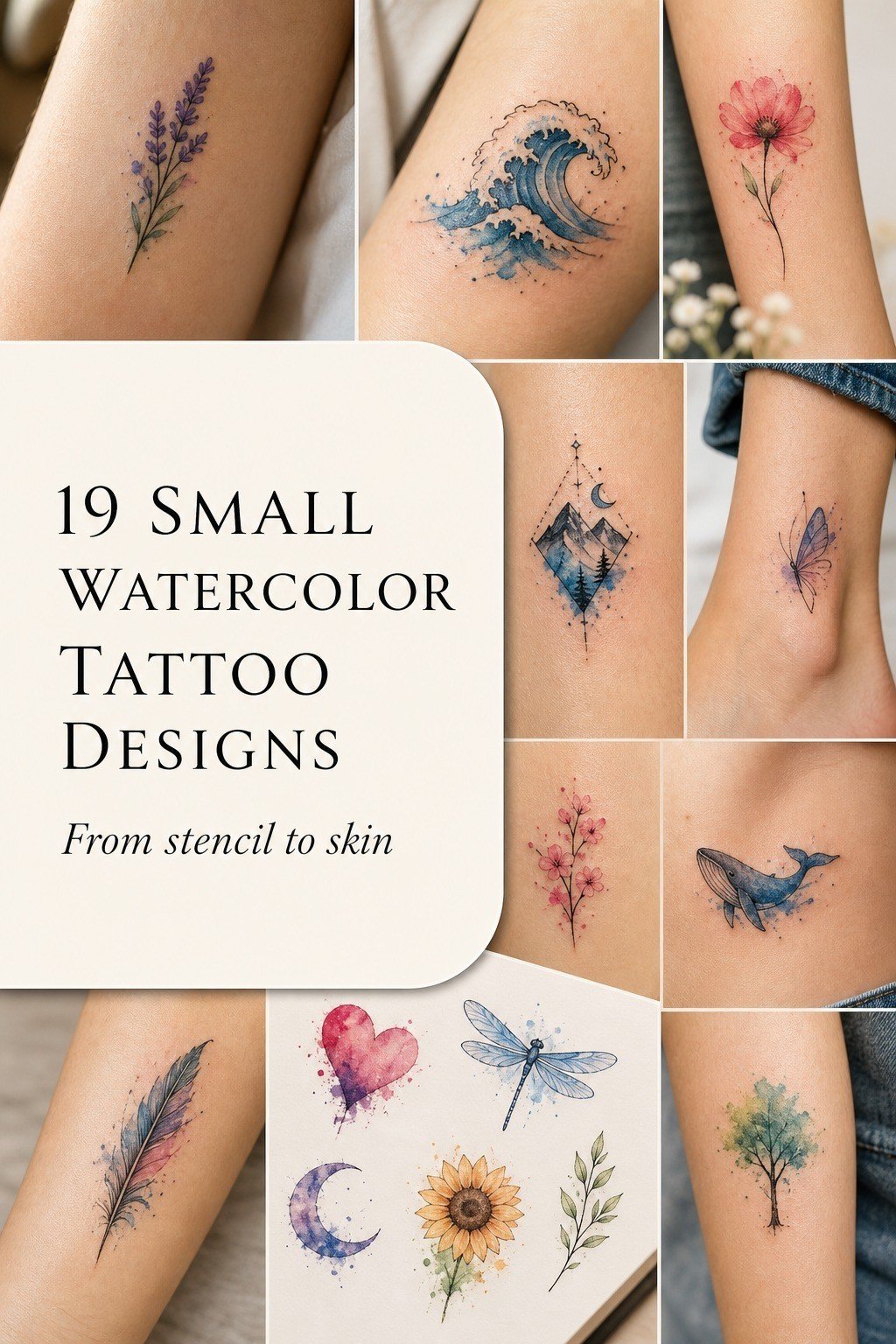
I chose blue for calm, pink for a family memory, and black because black is your best friend for longevity. The flash-sheet version looked almost like a tiny painted field study: black botanical outlines, diluted washes, open paper around the shapes.
Meaning is useful when it keeps you from piling on random symbols. Your tattoo doesn’t need a paragraph of explanation, but it should still feel like yours after the trend cycle moves on. I’d skip assigning a meaning to every dot and drip.
That starts reading like homework.
For a watercolor floral tattoo, limit yourself to two or three pigments plus black. You’ll get a refined color story that heals more clearly.
Bright color is spice. The structure is what lasts!
6Scaled the Design For My Wrist
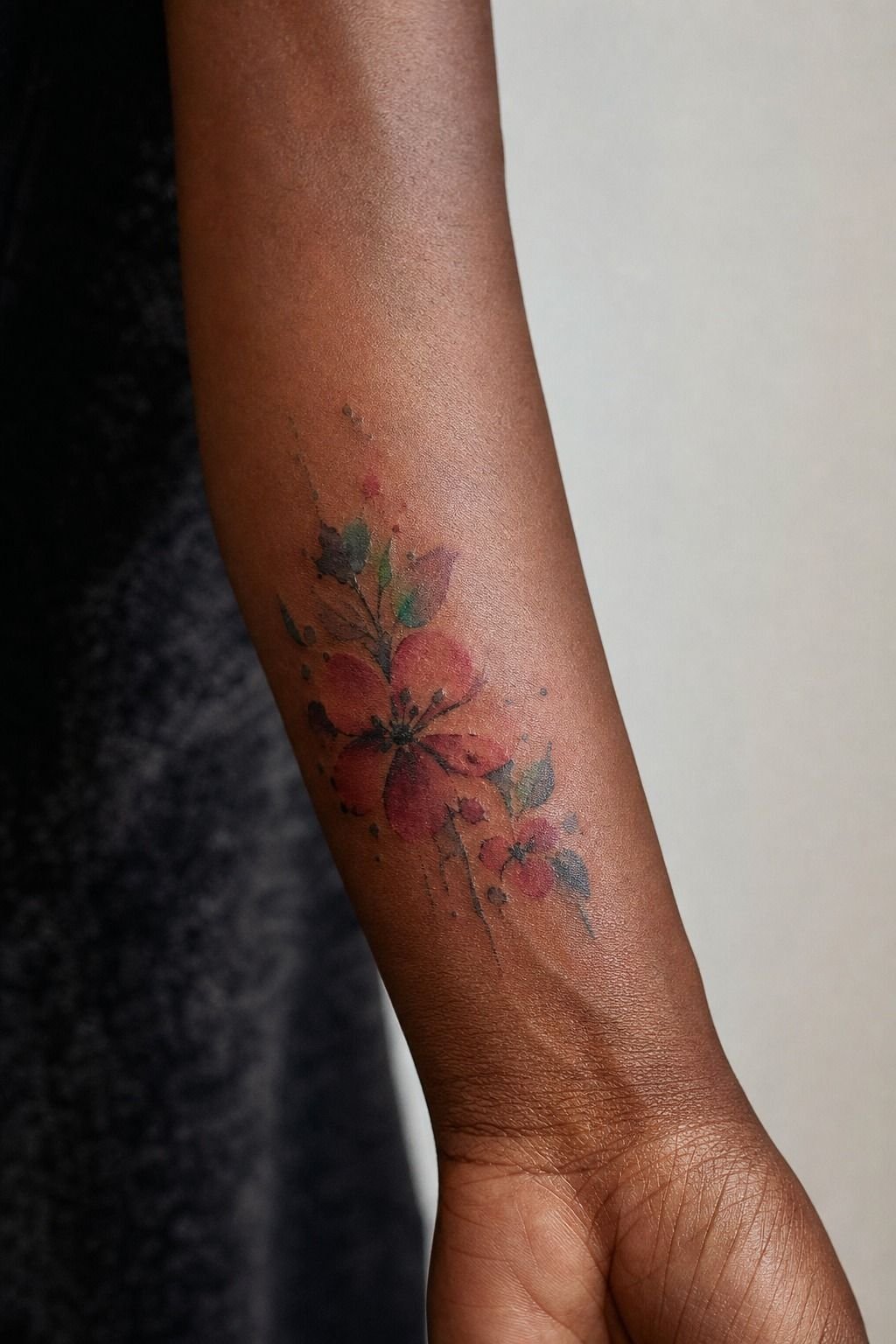
My first wrist version was too small. Real talk: that size on a wrist was gonna mush out, so I bumped it onto the lower forearm where it could breathe and age nicer.
I kept the final design about 2.5 inches long, with the stem running diagonally instead of straight across the wrist crease. Your wrist bends, rubs cuffs, gets washed constantly, and catches sun. A deep ebony skin tone can wear bright watercolor beautifully, but you still need contrast, especially with pale yellow or diluted lavender.
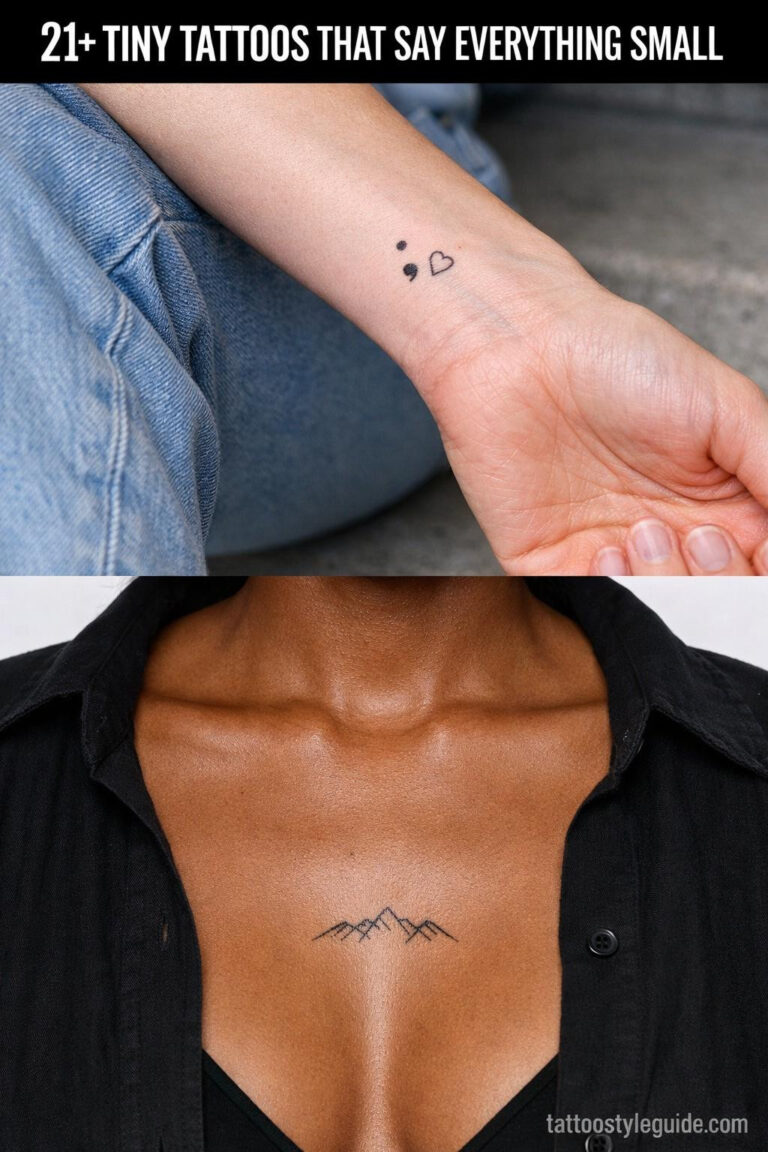
The fine-line stem did the heavy lifting here. If you’re drawn to that visible, delicate placement, look through these small wrist tattoo ideas before you commit to a design that’s too tiny.
7Compared Ankle And Forearm Placement Options
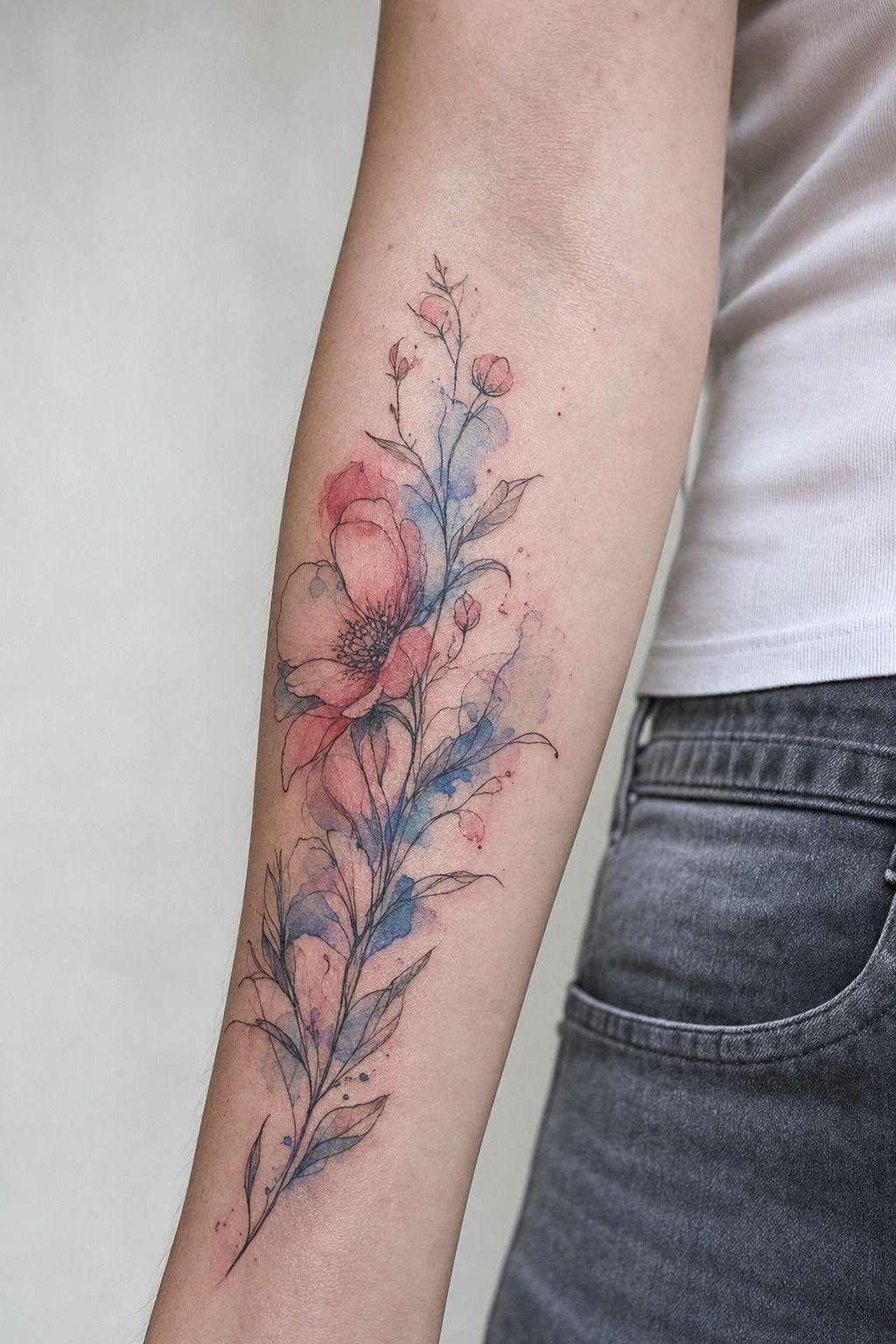
I went back and forth between ankle and forearm because they tell different stories. The ankle feels intimate and a little hidden. The forearm gives you a clean, daily view of the piece and more usable surface.
For your watercolor art tattoo, choose forearm if you want the colors to read from a few feet away. Choose outer ankle if you want a smaller, softer reveal with shoes and socks doing some of the hiding.
I’d skip the side of the finger for this style. High-wear zones fade faster, and watercolor needs every bit of pigment it can keep.
But placement isn’t just pain. Your body movement matters. A forearm wash can follow the arm’s length; a tiny ankle splash needs a quieter shape.
8Checked Visibility Against My Skin Tone
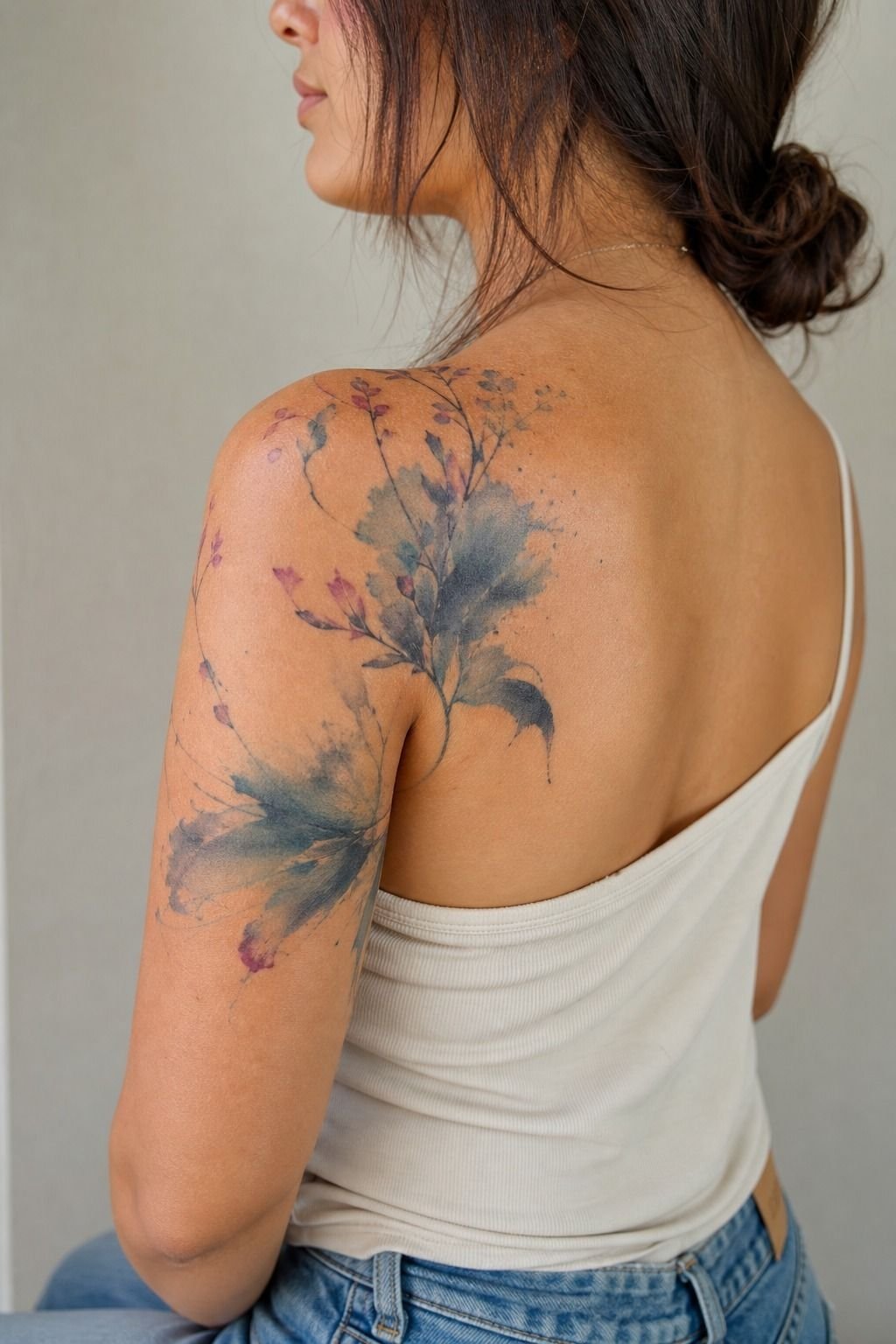
I checked the color plan in natural daylight, because studio lighting can lie to you.
9Reviewed Small Watercolor Tattoo References
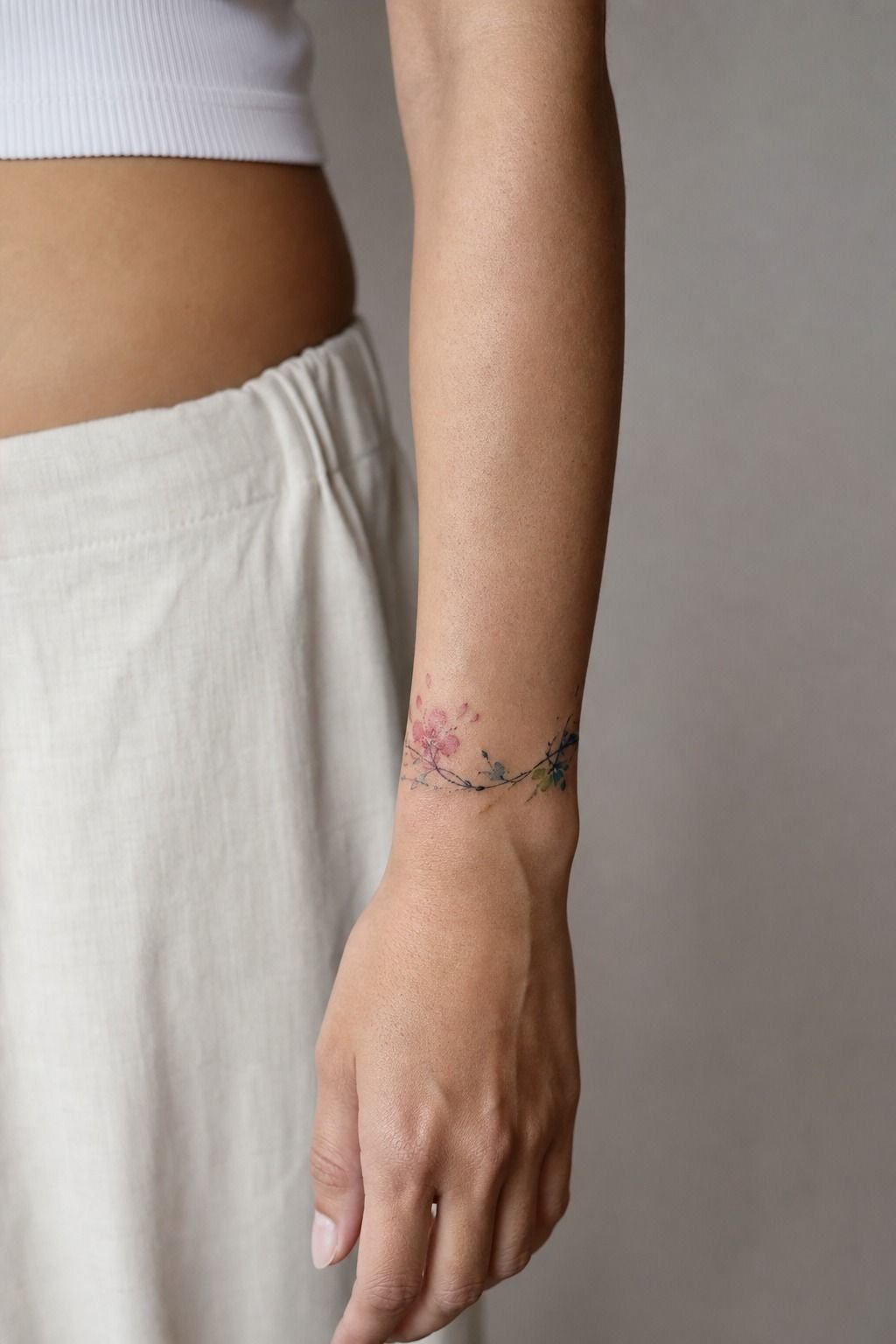
I brought a short folder of references: one for petal shape, one for the amount of splash, one for line weight. Three images.
Not thirty-seven. Your artist can work with that.
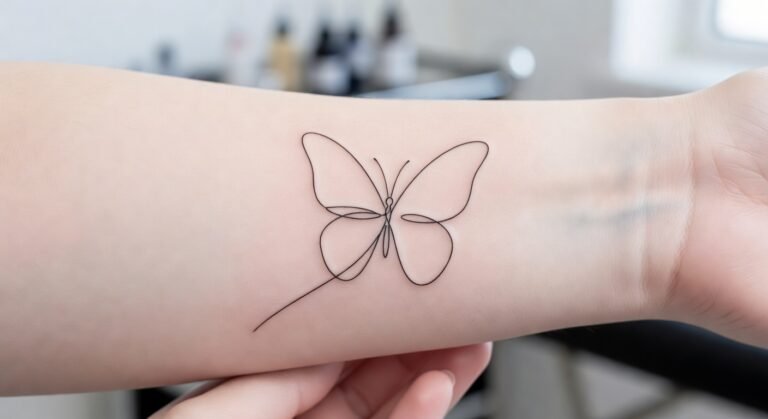
The wrist placement guide image helped me see how a wraparound leaf could follow the joint without cutting directly through the crease. I wanted a peaceful little branch, not a bracelet tattoo that would distort every time I flexed. The final layout left open skin around the watercolor, which makes the color feel brighter.
I told my artist, “references for vibe only.” That’s the right energy. If you want a Pinterest-exact duplicate, I’m not your artist. Start with a watercolor tattoo design that gives you a personal direction instead.
10Asked My Artist About Pigment Fading
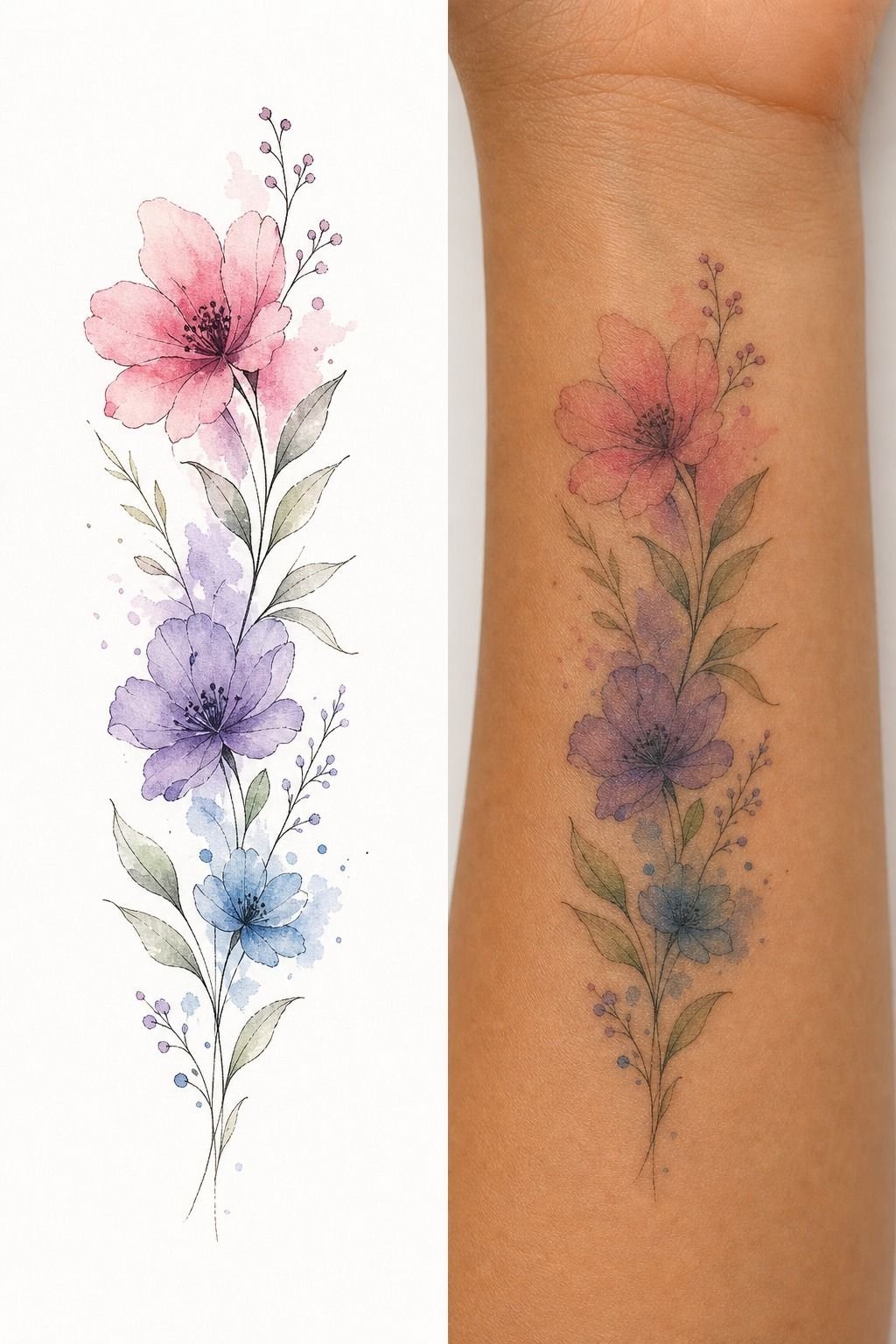
I asked the uncomfortable question before booking: would the color still look good later? My artist said yes, with a condition. The tattoo needed enough contrast, sun protection, and a design that didn’t rely on faint pastel mist alone.
The stencil on paper looked more saturated than the healed wrist example beside it. That comparison mattered.
Fresh tattoos are bright, a little swollen, and shiny. Healed tattoos settle.
Your small watercolor tattoo should still have readable black structure after the newness wears off.
Here’s the honest part: all tattoos soften over time. Fine lines can widen, and light color can fade faster than black. But a solid black outline plus a well-placed wash ages far better than a tiny detailed color cloud.
That’s worth hearing before you sit down.
11Confirmed Linework Would Anchor The Color
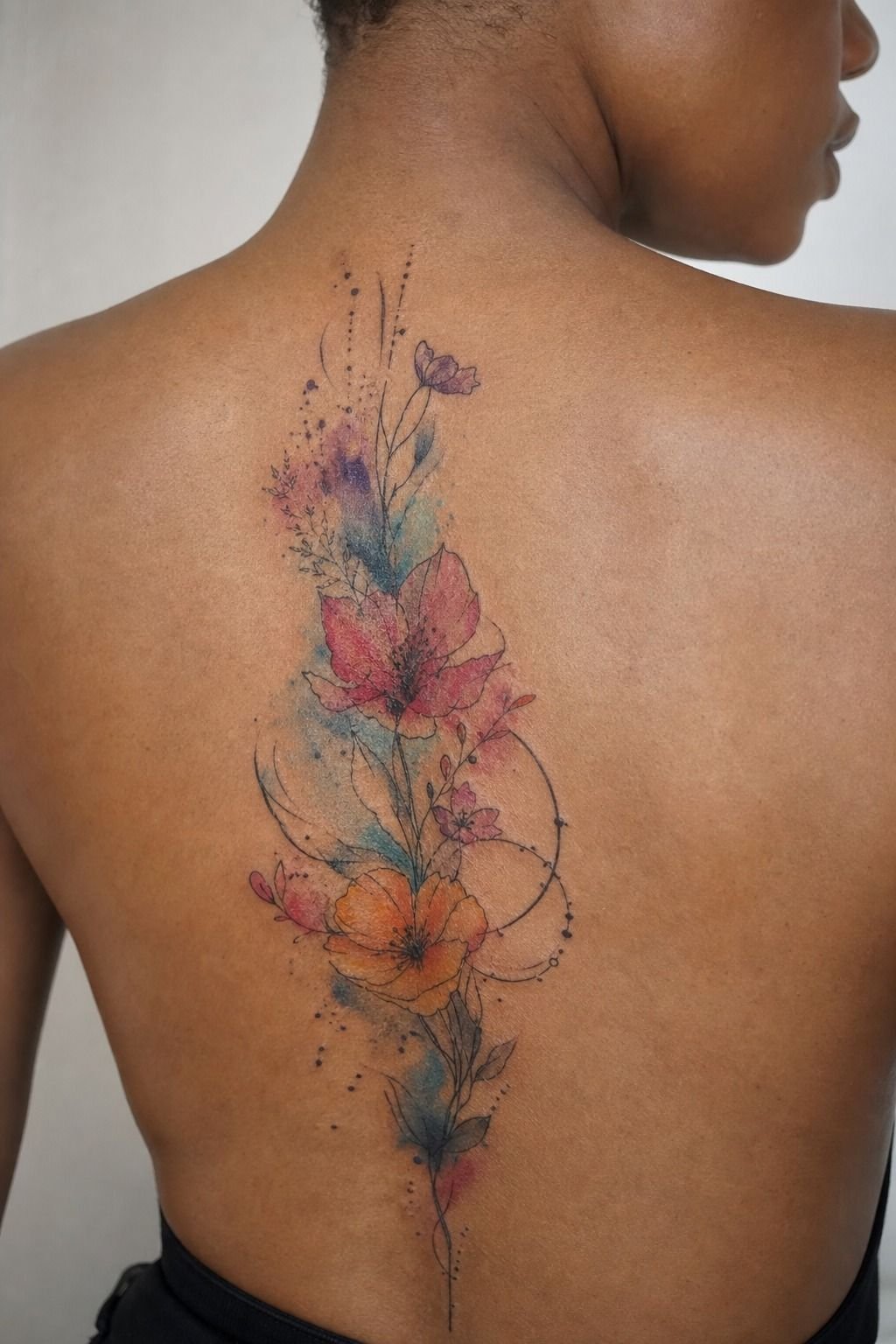
I confirmed the linework plan before we started. My artist used Kuro Sumi black for the botanical details, then laid the color around the lines instead of burying them beneath it.
On an upper-back tattoo, you can let the watercolor wash feel a little more expansive because the skin is broad and low wear. Still, I kept the central flower simple.
One flower, two leaves, a few loose marks. The contrast gave it a modern look without turning it into a giant painted sticker.
And I’d choose anchored watercolor over pure color every time. Pure splashes can look captivating fresh, but linework gives your eye a place to land once the pigment softens. Bold will hold.
That’s not a slogan, it’s skin physics.
12Planned a Tiny Watercolor Wildflower Tattoo
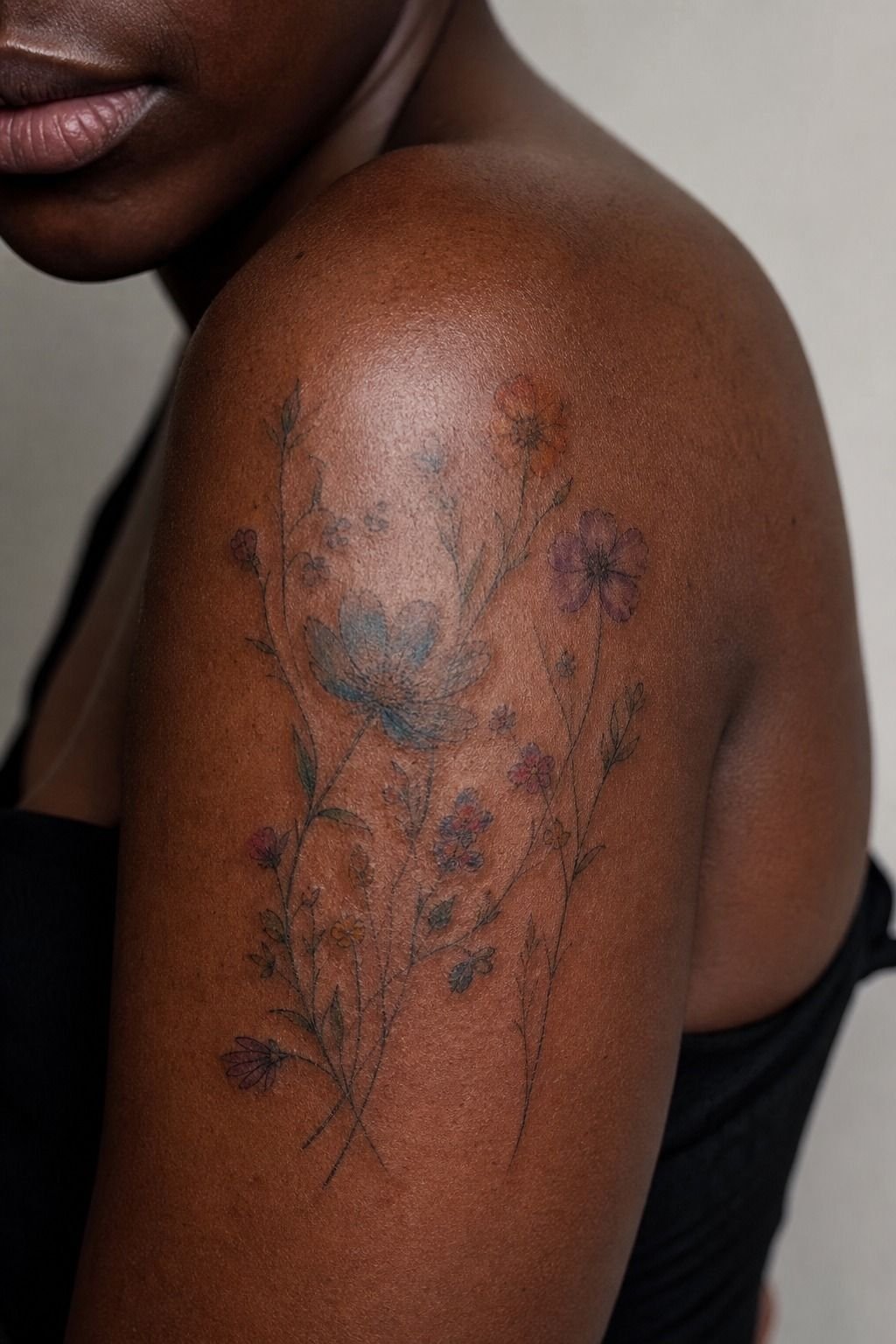
For my tiny watercolor wildflower tattoo, I picked a stem with five petals instead of a whole meadow.
13Adjusted Details For Long-Term Clarity
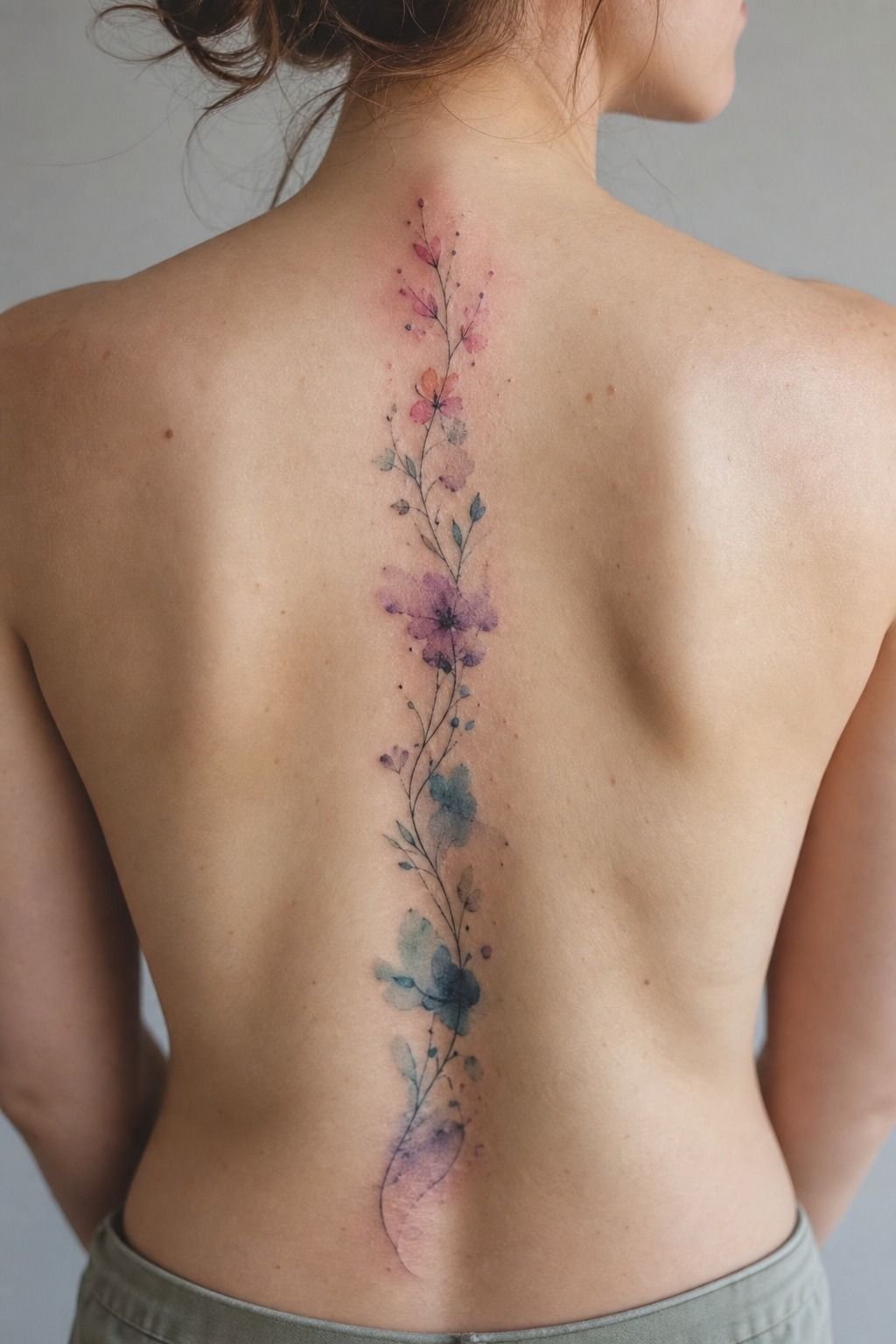
I removed two tiny buds at the last minute. Painful decision, good decision. The spine photo showed how much cleaner a narrow watercolor flowers tattoo looks when each mark has its own pocket of skin.
For your own design, make the leaves slightly larger than you think you need. Let the gaps stay open.
A 1-inch flower with ten micro petals might look intricate today, then turn to soup as the lines spread. I’d rather give you four clear petals than ten anxious ones.
My artist pushed the contrast in the center and faded the outer wash. That means your eye reads the flower first, even after the soft pigment settles. Clean, elegant, and far less likely to blur into a watercolor bruise.
14Prepared for Mild Wrist Tattoo Pain
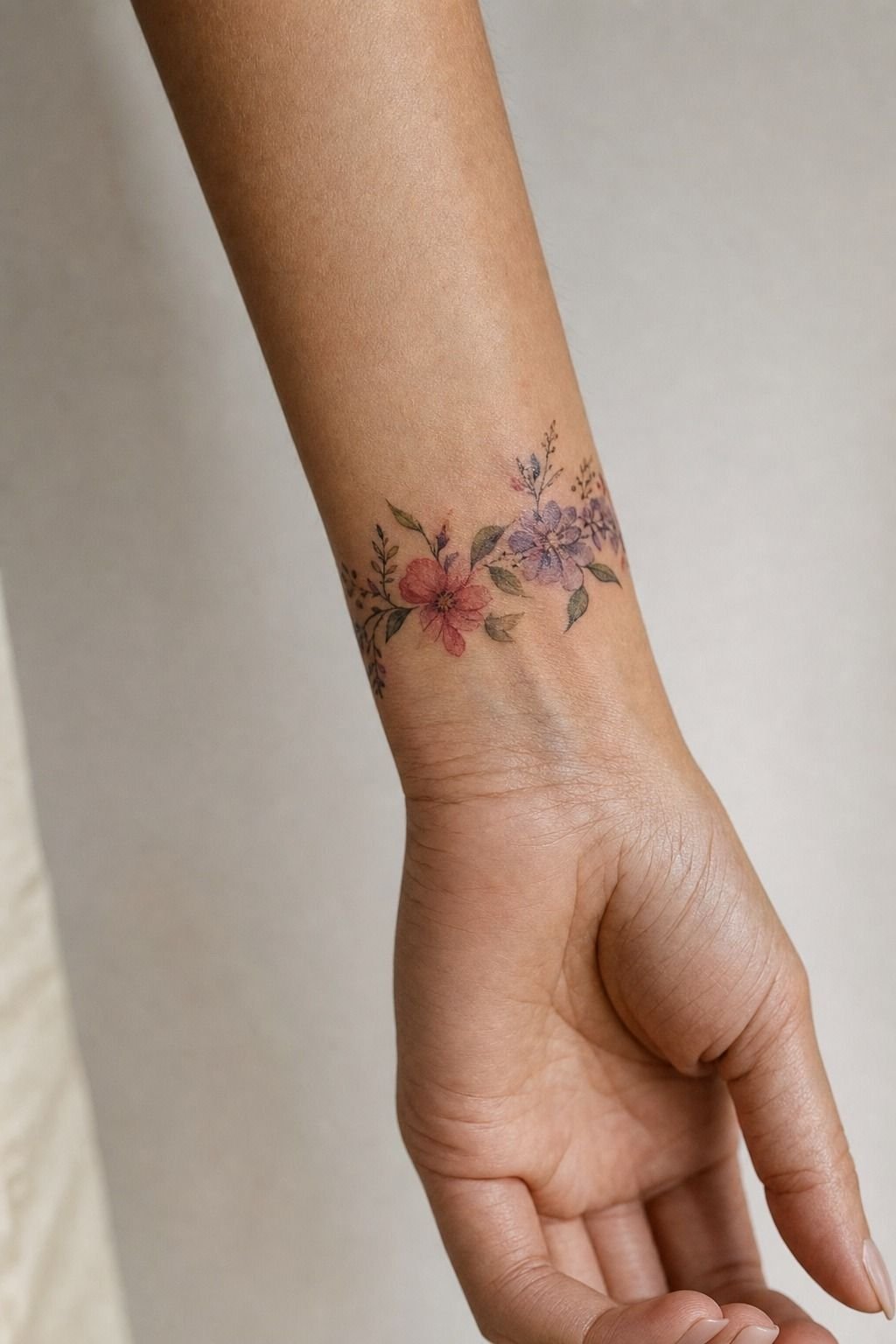
The wrist was spicy, but not impossible. Lines felt sharper near the bone; the color packing felt like a duller burn. I ate first, brought water, wore a loose sleeve, and told myself I could tap out for five rather than pass out on my artist.
Your pain level depends on your body, but forearm, shoulder, and thigh are usually more chill than ribs, feet, hands, sternum, or the inner wrist crease. The wraparound watercolor wrist tattoo in the placement guide looked soft, but the joint area still takes a beating.
Don’t show up dehydrated and pretend you’re fine. Your artist needs you steady, fed, and honest. A short session is easier when you’re not trying to win a pain contest.
15Followed My Artist’s Small Tattoo Aftercare
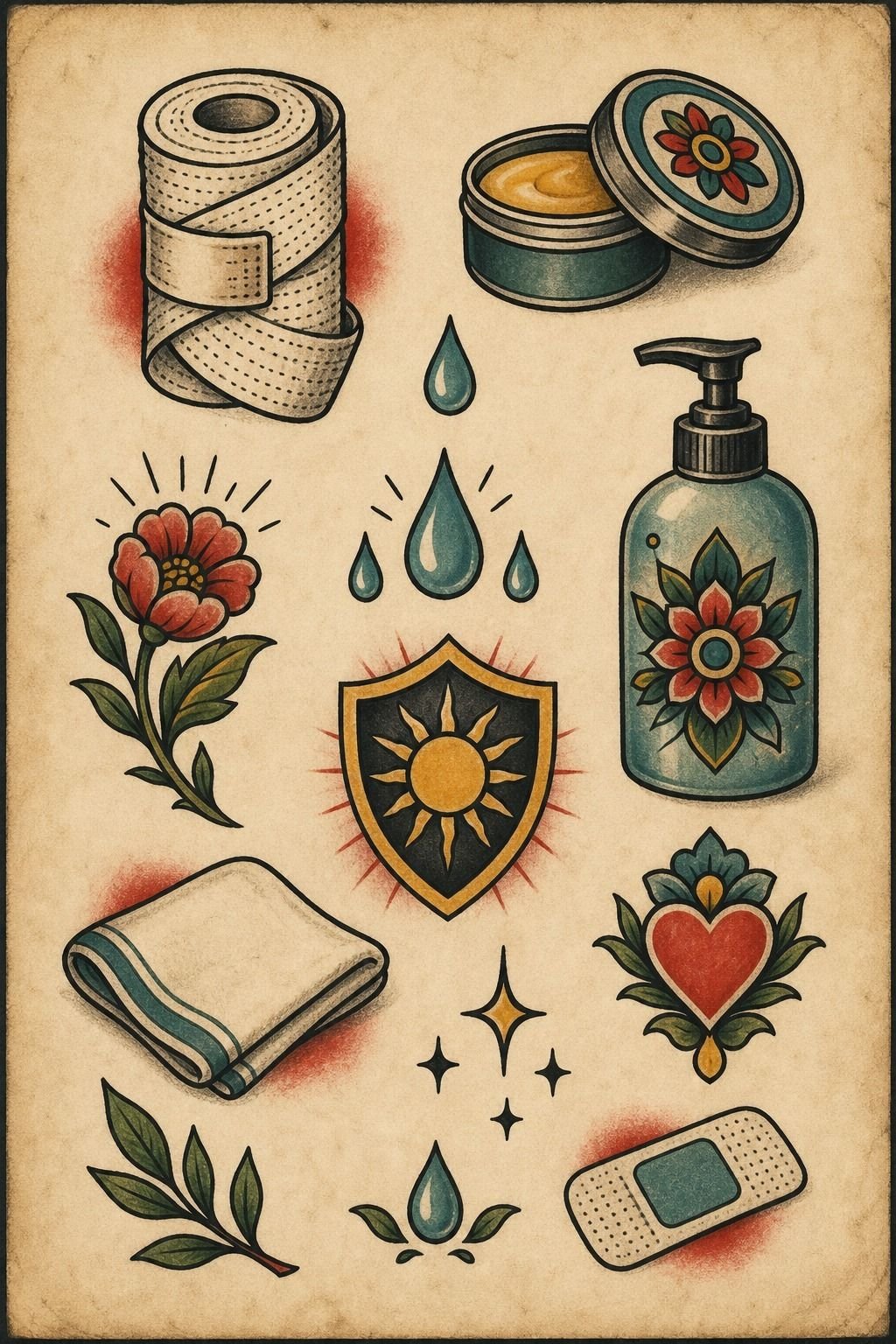
I followed the boring instructions because boring aftercare saves tattoos. For the first few days, it’s an open wound. I washed it with gentle unscented soap, patted it dry with a clean paper towel, and used a thin layer of Aquaphor Healing Ointment only when it felt tight.
Your tattoo doesn’t need to be smothered. Too much ointment can make it soggy, and soggy skin doesn’t heal nice.
After the first stage, a fragrance-free lotion worked better for me. The flash-sheet reference made the design look delicate, but aftercare is not delicate.
It’s basic wound care.
But don’t pick the flakes. It’ll peel like a sunburn, and pulling them can pull color out with them. Keep your hands off!
16Protected the Tattoo During Early Healing
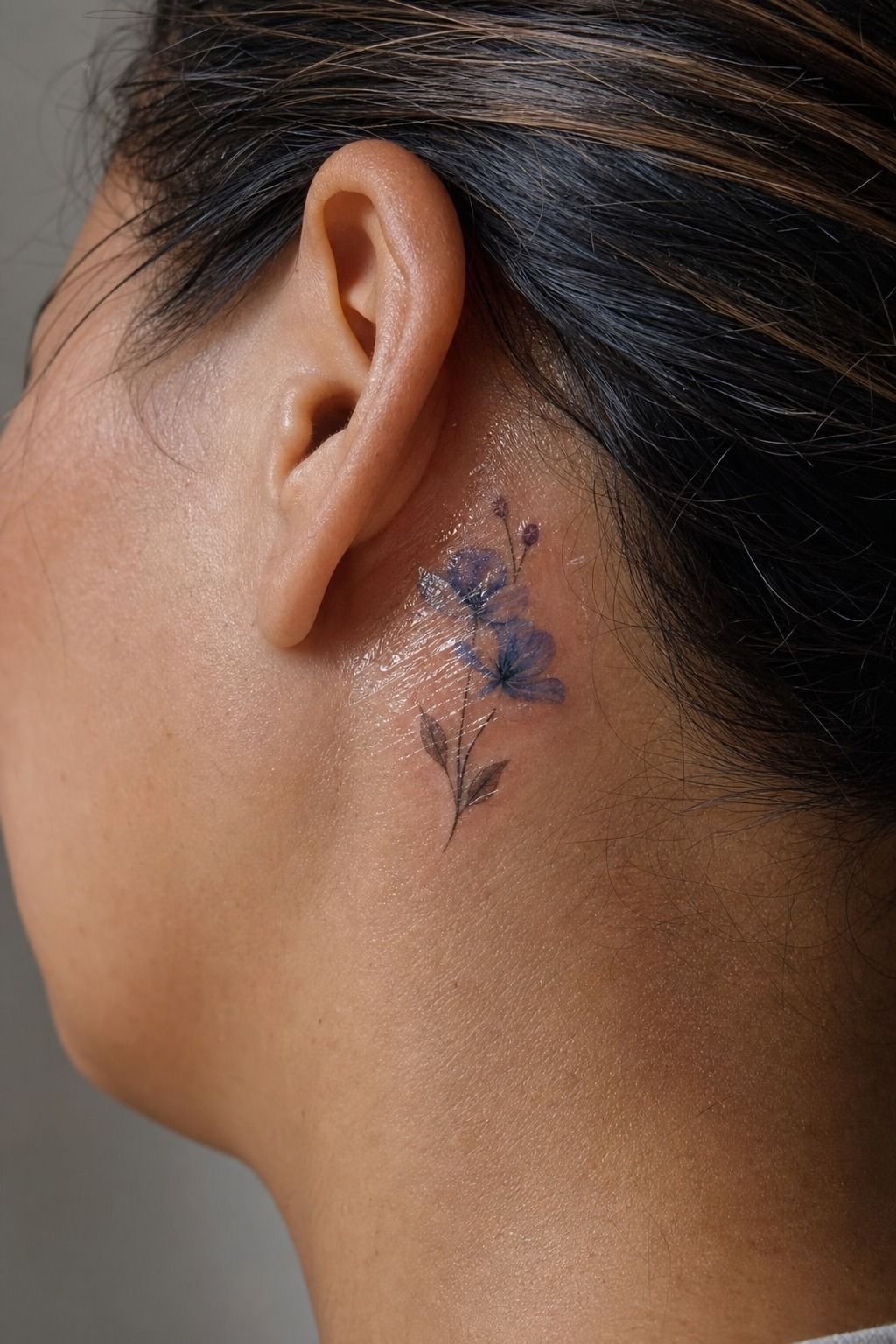
I protected the behind-the-ear version in the reference the same way I protected mine: clean hair, no perfume sprayed near it, and no rubbing it with headphones or shirt collars.
17Watched the Watercolor Pigments Settle
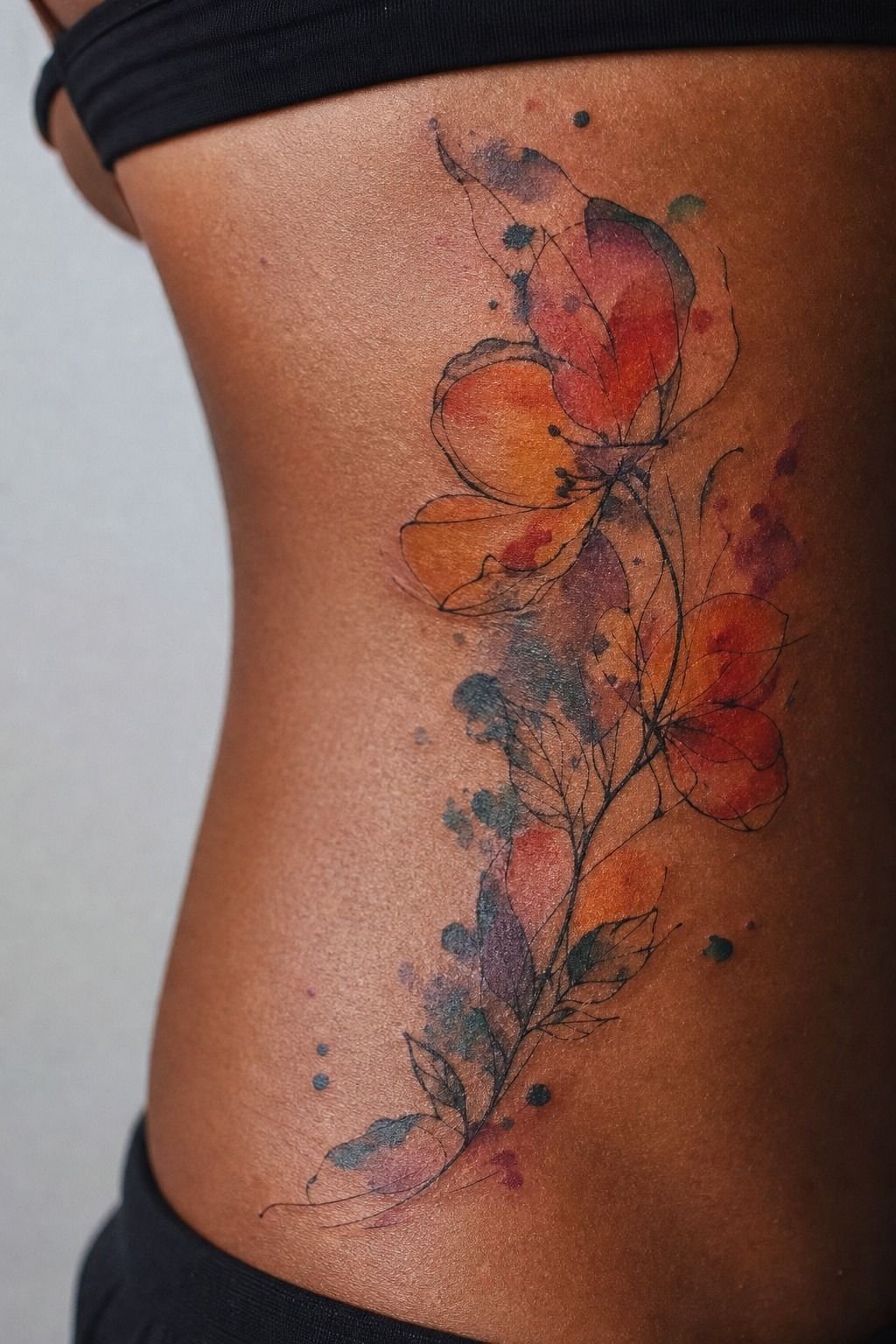
Around the peeling stage, my tattoo looked duller than it had on day one. That freaks people out. Under the surface, the skin can look shiny and a little silver for a while, even though the pigment is still there.
The rib tattoo photo is a good reminder that color settles differently across bodies and placements. Your healed result needs patience.
Surface healing takes roughly 2 to 3 weeks, while deeper healing can take 2 to 3 months. Don’t judge the final color while your skin is still rebuilding.
I watched the pink come back first, then the blue looked less intense but more natural. Soft doesn’t mean faded.
It means healed. Give it time before you decide it needs fixing.
18Scheduled a Careful Color Touch-Up
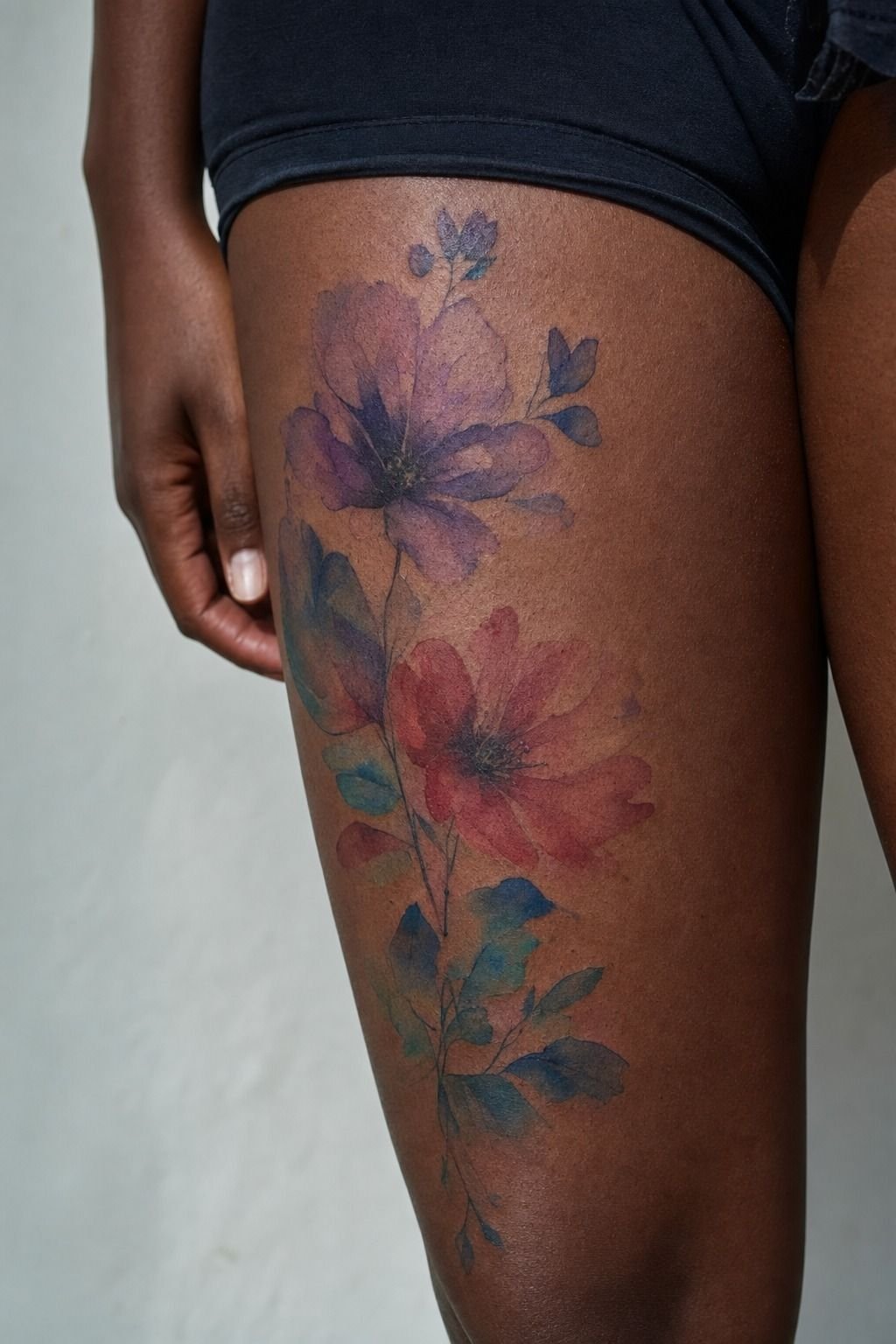
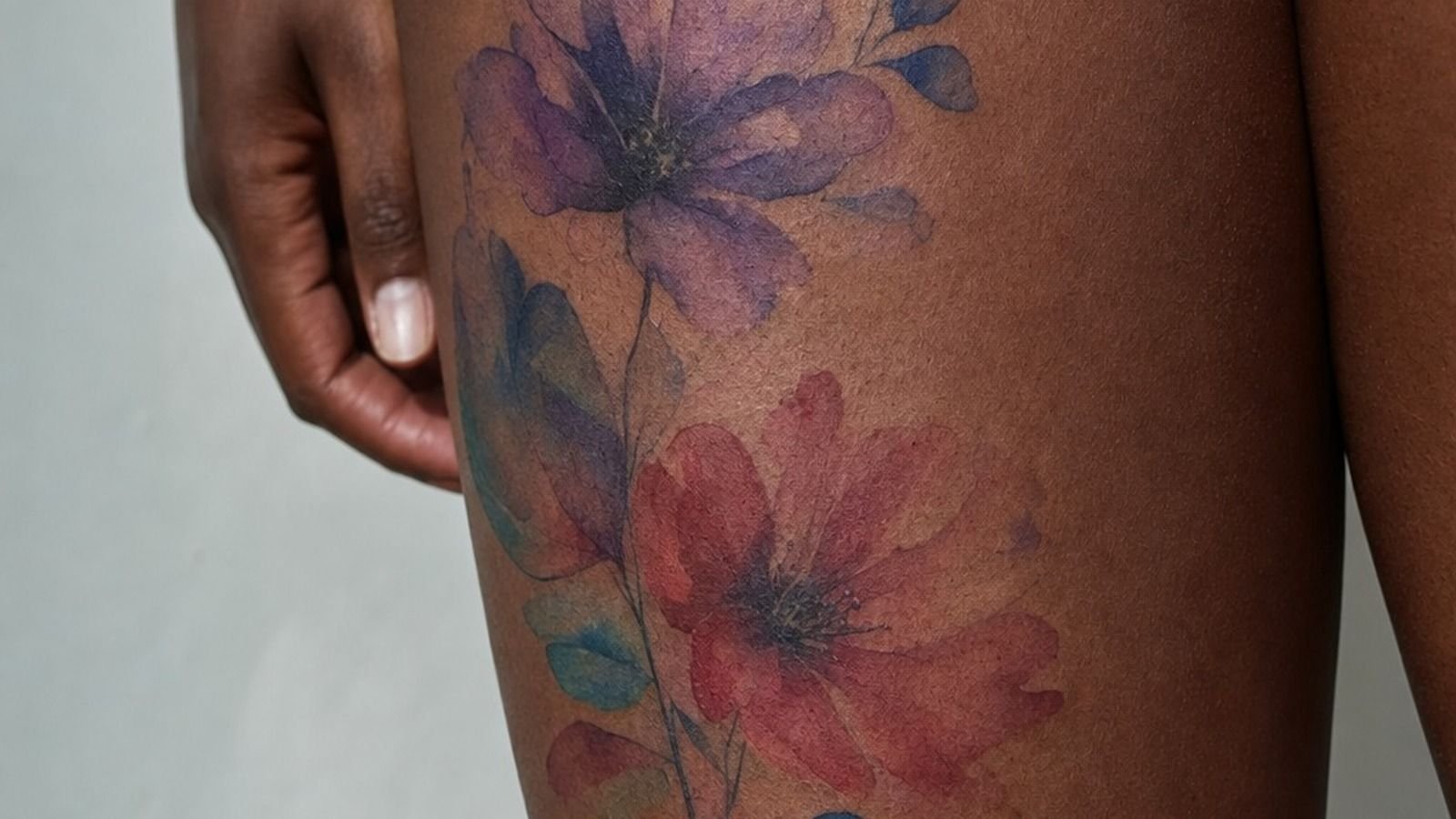
I scheduled a check-in instead of demanding a touch-up immediately. On the thigh, a watercolor tattoo has more generous skin and usually holds color nicely, but your artist still needs to see it fully healed before judging any gaps.
A careful touch-up can refresh one light area or sharpen a line. It shouldn’t mean reworking the whole tattoo because the original design was too tiny. I’d rather spend one short follow-up appointment on a settled piece than keep overworking fresh skin.
Your artist may charge differently for touch-ups, so ask before booking. Typical US shop minimums run about $50 to $100, while many artists charge around $100 to $250 per hour.
Good work costs money. Bad coverage-up work costs more.
19Kept My Small Watercolor Tattoo Crisp
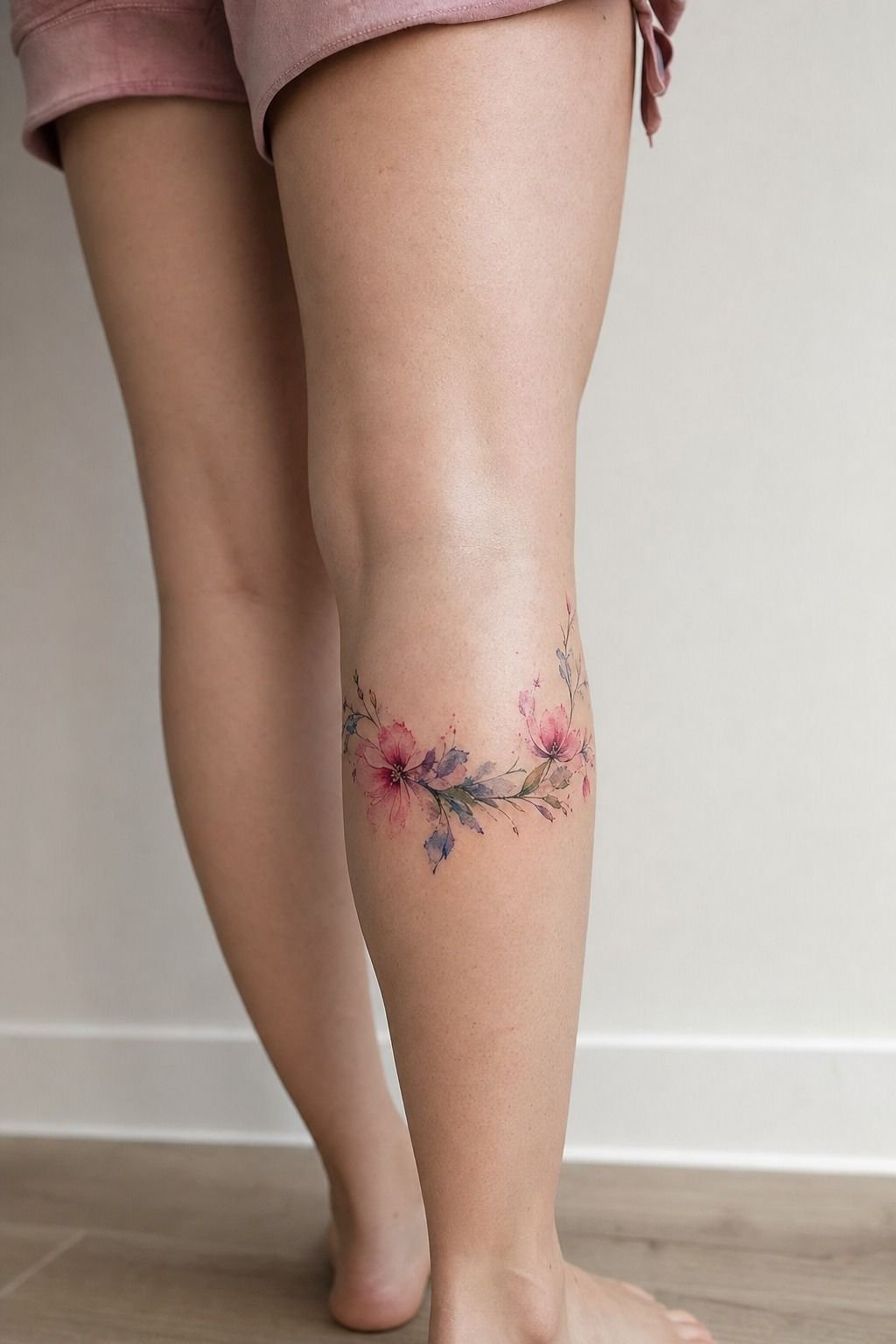
Keeping it crisp came down to boring habits: sunscreen, no picking, and accepting that hands, feet, and high-friction spots need more maintenance.
How much it cost
My piece sat in the small-session range, but your total depends on the artist, city, placement, and whether the design needs a consultation. I’d budget for skill before size. A cheap watercolor tattoo that heals patchy is not a bargain.
I’d skip bargain shopping for this style. You need an artist who can make a single clean pull, pack color without chewing up the skin, and show you healed photos. That’s where the value is.
Why I Stopped Chasing a Pinterest-Exact Tattoo
I’ve tattooed enough small floral pieces to know the image that gets saved isn’t always the tattoo that heals best. A reference photo is frozen at its prettiest moment: perfect lighting, fresh pigment, no peeling, no sunscreen conversation, no awkward wrist bend.
Your tattoo has to live after the photo. It has to move with you, take a shower with you, catch sun through a car window, and still feel good when you’re fifty.
That’s why I’ll push back on a design sometimes. I’m not trying to kill the dreamy part.
I’m protecting it. If you bring me a 1-inch watercolor garden with eight colors and no outline, I’m going to say it needs editing.
Maybe that means a bigger forearm placement. Maybe it means one flower instead of five. Maybe we trade pale yellow for a darker berry wash that your skin can hold.
I made that edit on mine. I wanted more petals, more drips, more meaning packed into every millimeter.
Then I saw the stencil on my wrist and knew it was too much. I cut it back, and now the design has air around it.
It looks like a small painted moment, not an accidental stain.
Your artist should be honest enough to say no when a design won’t age cute on you. And you should want that.
Clean lines, thoughtful color, decent scale. That’s the whole move.
The Questions Worth Answering First
How much does a Small Watercolor Tattoo usually cost?
A small watercolor tattoo usually costs about $100 to $300 in the US, depending on detail and placement. A solid shop minimum matters because sterile setup and good pigment are not optional.
– Shop minimums, roughly $50 to $100 – Artist rates, roughly $100 to $250 hourly – Watercolor tattoo artists with healed portfolio photos
Are Small Watercolor Tattoo a good idea for a first tattoo?
Yes, if you choose a simple design and a placement you can handle. A clean outlined motif ages better than a tiny, detail-heavy wash. Your outer forearm, thigh, or shoulder will usually be easier than ribs or feet.
How do I choose a tattoo artist for Small Watercolor Tattoo?
Choose an artist with crisp healed linework and healed color photos, not only fresh work. Healed portfolio proof is the filter. You want clean studio practices, consistent saturation, and an artist who’ll edit a design before it turns to soup.
How much do Small Watercolor Tattoo hurt?
They can be mild to spicy depending on placement. Outer arm, shoulder, and thigh are usually more tolerable; ribs, feet, hands, sternum, and bony wrist areas hit harder. Lines feel sharp, while color packing feels like a dull burn.
How long does a Small Watercolor Tattoo take to heal?
Surface healing usually takes 2 to 3 weeks, while full healing can take 2 to 3 months. Gentle care protects the color. Wash with unscented soap, use a thin layer of moisturizer, and avoid pools and direct sun.
What’s the best placement for Small Watercolor Tattoo?
Outer forearm and calf are strong choices because they offer room and lower wear. More skin gives watercolor breathing room. If you prefer a wrist tattoo, scale it up slightly and avoid putting key details directly on the crease. See small wrist tattoo ideas first.
Where I’d Start First
If I had to pick one, I’d start with the black anchor line. Watercolor without structure can heal into a pale blur, while one clean botanical outline keeps every soft color readable. Pin your favorite motif, then find an artist whose healed work proves they can hold it.