A bear claw tattoo is not just a cool-looking design. It carries real weight, and most people who get one know exactly why. Strength, protection, raw power, a connection to nature. Those are the core ideas, and they’ve been consistent across cultures and centuries.
If you’re pulling from Indigenous American tradition, Norse symbolism, or just a personal connection to the animal itself, the bear claw delivers. It’s also a design that translates well across styles, from bold traditional to fine line, which makes it a solid choice for a lot of different clients.
Core Symbolism: What a Bear Claw Tattoo Actually Means
A bear claw represents strength, courage, and protection. Bears are apex predators, and the claw is the most direct symbol of their power. People getting this tattoo usually want to express that they can handle pressure, face hardship, or protect the people they care about. It’s not subtle symbolism. It’s direct and physical.
A secondary meaning is leadership. Bears are solitary animals that don’t follow, they lead. That resonates with a lot of clients who see themselves as self-reliant, stubborn in the good way, or protective figures in their family or community. The claw also signals that you’re not someone to mess with, which, honestly, some people just want on their body.
Indigenous American Traditions: The Real Cultural Background
You're not wearing a claw, you're carrying what the bear stood for.
In many Indigenous North American cultures, the bear is a sacred animal. Tribes including the Lakota, Cherokee, Ojibwe, and Haida have deep traditions around bear symbolism, often connecting the animal to healing, spiritual power, and warrior strength. The claw specifically was worn as a physical talisman, a mark of honor for hunters and warriors who had faced a bear directly.
If you’re not Indigenous and you’re considering this design, that context matters. Many people still get bear claw tattoos without any tribal affiliation, and that’s a personal call. But knowing the real history means you’re making an informed choice, not just copying an aesthetic. If you want to honor that tradition specifically, working with an Indigenous artist or incorporating traditional design elements from a specific nation is the more respectful path.
Other Cultural Connections Worth Knowing
Beyond North America, bears carry power across multiple traditions. In Norse mythology, the bear was associated with Odin and with berserkers, warriors known for their ferocity in battle. Wearing bear symbols was tied to channeling that animalistic strength. Celtic traditions also held the bear as a symbol of warrior courage and protection of the tribe.
In modern Western tattoo culture, the bear claw often gets used outside any specific cultural frame. People connect to the personal meaning, strength, survival, protecting family, overcoming something hard. That’s a legitimate reason to get it too. You don’t need an ancestral connection to wear a symbol that speaks to who you are or what you’ve been through.
Design Variations: From Traditional Bold to Fine Line
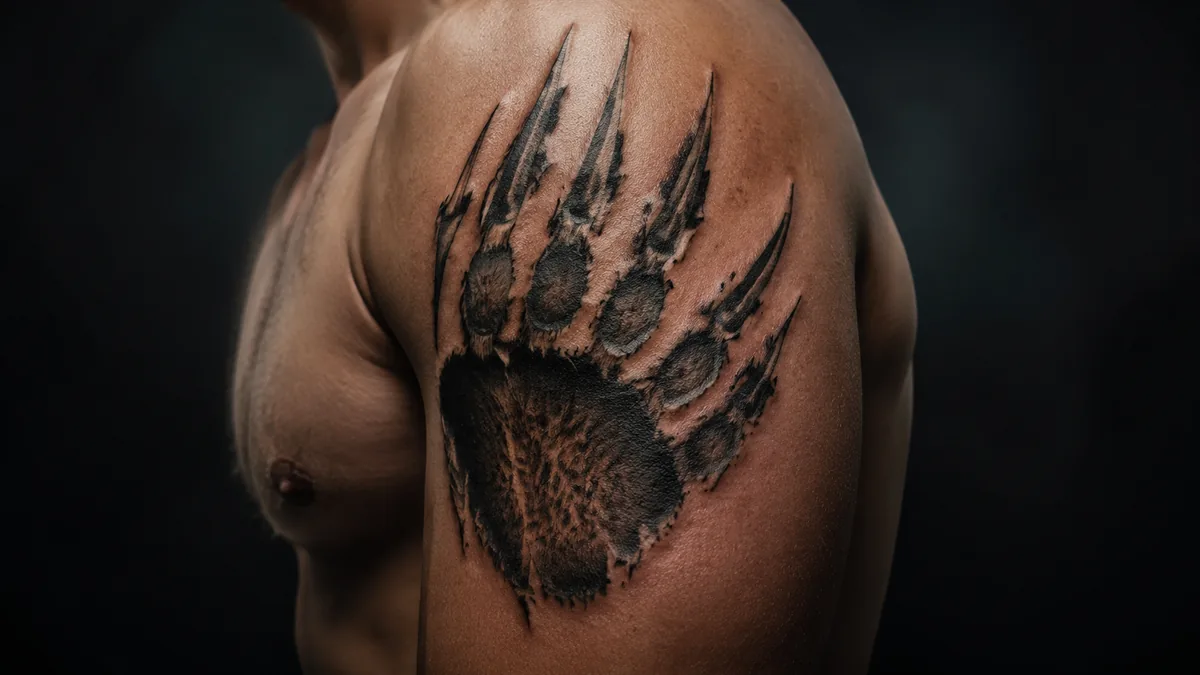
The most common version is three to five curved, tapered claws, sometimes shown with the paw pad attached, sometimes just the claws alone. Traditional American style renders them thick with bold outlines and solid black fills or limited color. That version reads from across the room and ages like a rock. Neo-traditional adds depth, shading, and stylized linework without losing the boldness.
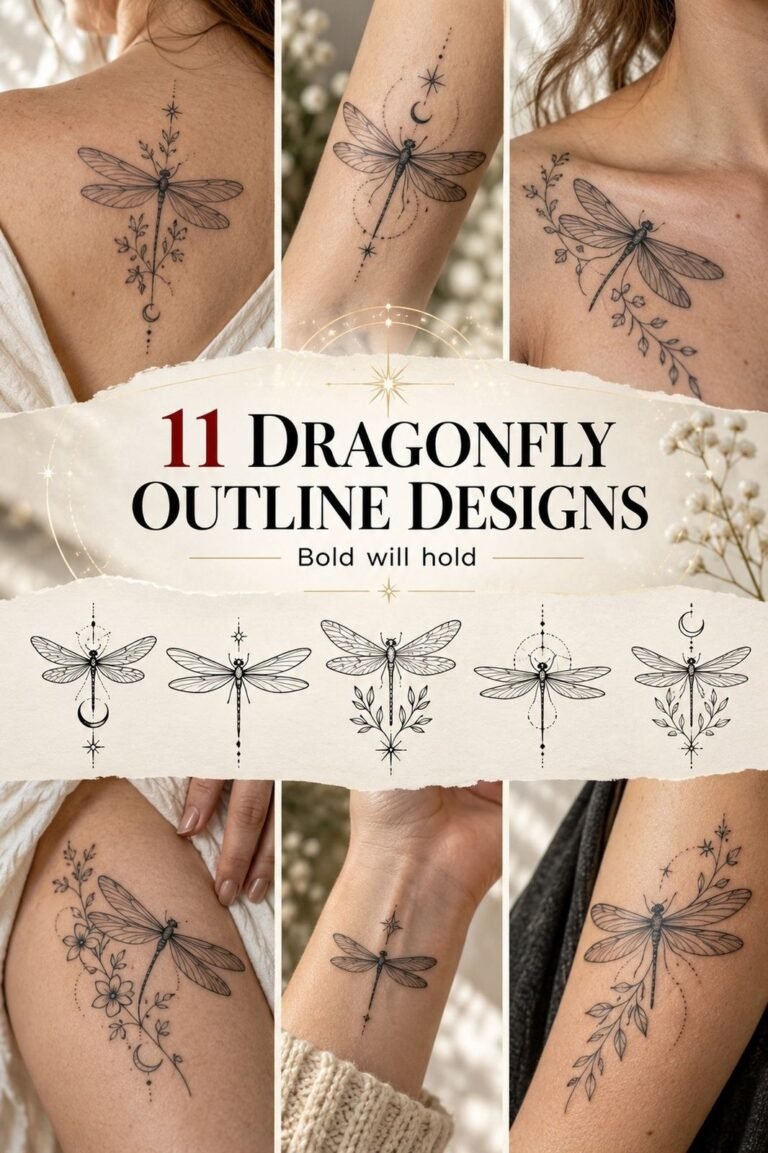
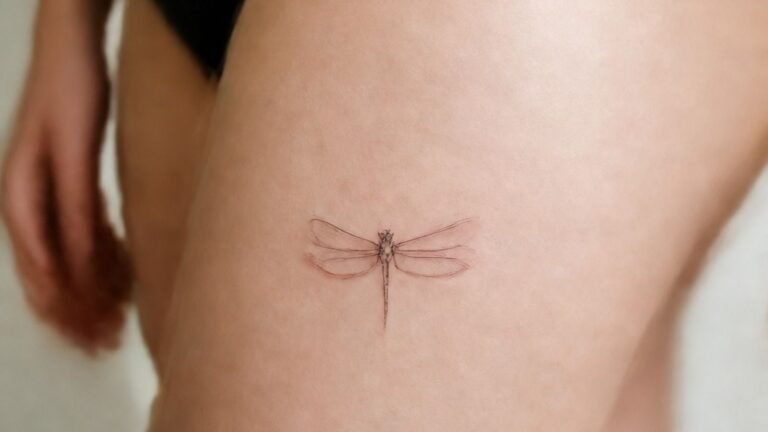
Fine line bear claws are trending, especially on forearms and wrists. They look crispy fresh but need to be done by someone who knows fine line heals. Thin lines in high-wear zones or on skin with larger pores can blur over time, so placement matters a lot with that style. Geometric and dotwork interpretations are also popular, giving the claw a more abstract feel without copying specific cultural patterns.
Color vs. Black and Grey
Black and grey is the workhorse choice for bear claws. It gives you depth, realistic texture, and longevity. A good black and grey bear claw with solid whip shading looks natural and holds up well as it ages. The high contrast version with heavy blacks is especially clean for bold or traditional styles.
Color opens up other directions. Earth tones like brown, amber, and ochre give it a naturalistic feel. Some clients go for dramatic reds on the tips for a more aggressive look. Saturated color tattoos require solid commitment to sun protection and eventual touch-ups, especially in direct sun areas. Either way, make sure your artist is confident in the style you’re choosing. A bear claw done in the wrong hands will show every mistake.
Placement and How It Ages on Skin
Upper arm, forearm, chest, and shoulder blade are the most common placements. These zones have stable skin and give the design room to breathe. A bear claw on the outer forearm reads clean, is easy to show off, and heals nice on most clients. The chest placement works well for larger, more detailed pieces and holds ink solidly over time.
High-wear zones like the hands and fingers will fade faster and may need touch-ups. Ribs and sternum are spicy for pain but give a large canvas and age relatively well. Whatever placement you choose, bold lines will hold better long-term than thin fine line work, especially in areas that see daily sun or friction.
Who Gets Bear Claw Tattoos and How to Make Yours Personal
Athletes, veterans, hunters, outdoor workers, and people who’ve gone through something physically or emotionally brutal are the most common clients for this piece. It’s a tattoo about endurance, and the people drawn to it usually have something to back it up. That said, anyone with a genuine personal connection to what the symbol means has a real reason to wear it.
To make it personal, think about what specific meaning you’re locking in. Adding initials, a birth date, or coordinates inside or beneath the claw connects it to a specific person or place. Incorporating it into a larger bear portrait or nature scene, mountains, forest, paw print trail, makes it into a story. The claw alone is strong. Give it context and it becomes yours specifically.