A depression tattoo typically symbolizes survival through mental illness, ongoing struggle, or solidarity with others who battle dark periods. These designs rarely announce themselves loudly; instead they operate as private markers, visible reminders of endurance, or quiet signals to those who recognize the imagery. The meaning hinges on the specific symbol chosen and where the wearer places it.
Symbolism & Core Meaning
Depression tattoos carry layered symbolism that shifts based on the specific image. Unlike decorative tattoos, these designs usually encode personal history into visual shorthand. The core tension runs between acknowledging pain and asserting continued existence.
Common Visual Motifs
- Semicolons: The most recognized symbol, drawn from the Project Semicolon movement, where the author could have ended a sentence but chose to continue. Works as tiny wrist or finger tattoos, or integrated into larger compositions.
- Broken chains or shackles: Represent release from depressive episodes or the weight of diagnosis. Often rendered with heavy black linework that holds up well over time.
- Weather imagery: Storm clouds parting to reveal sun, rain falling on figures, or barren trees. These translate emotional states into landscape.
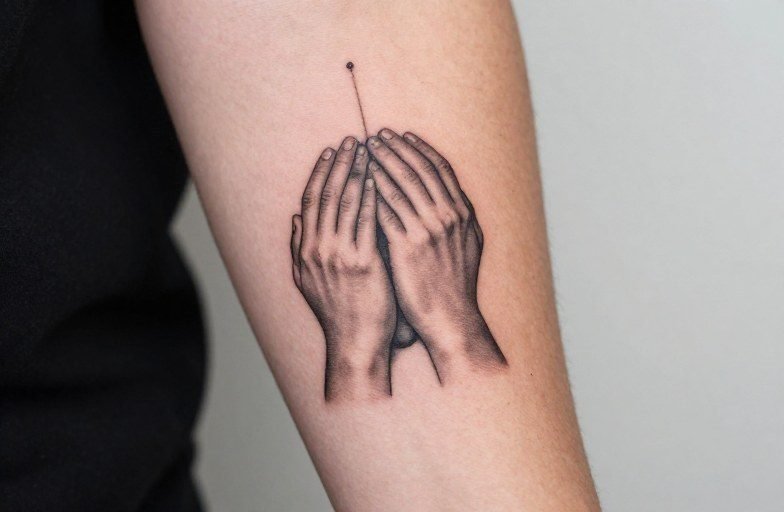
- Empty or hollow figures: Silhouettes with missing pieces, cracked porcelain faces, or shadowed eyes. Risk becoming visually muddy if over-shaded.
- Coordinates or dates: Specific to personal turning points, hospital discharge, first therapy session, a day survived. The meaning stays locked to the wearer.
What the Symbols Actually Communicate
Most depression tattoos function on two levels: personal reminder and social signal. A semicolon behind the ear might serve as a private morning affirmation. The same symbol on a forearm becomes a conversation starter, a way to find others with similar experience. Neither use is more legitimate, but the placement choice reveals intent.
Some designs reject the narrative of overcoming entirely. A static storm cloud, an unbroken chain, a figure curled inward, these refuse the pressure of redemption arcs. They mark depression as ongoing, chronic, part of identity rather than obstacle defeated. This honesty carries its own weight in a culture that demands recovery stories.
Personal & Modern Meanings
Contemporary depression tattoos have absorbed internet culture, meme aesthetics, and the flattening effect of mass recognition. A symbol that once signaled intimate understanding now risks generic visibility. The response has been increasingly personalized, hybrid imagery.
How Meanings Have Shifted
Early semicolon tattoos (mid-2010s) functioned as insider recognition among those affected by suicide loss or attempt. As the symbol proliferated across social media and retail merchandise, some wearers moved toward less immediately legible designs: prescription pill bottles rendered as still lifes, ECG lines flattening then resuming, specific song lyrics in the artist’s handwriting. The trend bends toward obscurity as protection against co-optation.
Matching or related tattoos between friends, partners, or family members have grown common. These differ from generic friendship ink by incorporating specific references to shared crisis, dates of intervention, inside phrases from hospital visits, animals that appeared during recovery. The meaning lives in specificity, not the category of “support tattoo.”
Integration with Other Identities
Depression imagery increasingly merges with religious doubt, chronic illness markers, or addiction recovery symbols. A rosary with broken beads. A phoenix with ash still clinging. These combinations resist the isolation of mental illness as separate category, acknowledging how depression intersects with other life conditions.
Best Placements
Where you put a depression tattoo determines who sees it, when you see it, and how the design ages. These decisions matter more than with decorative work because the tattoo carries functional weight as reminder or signal.
Visible vs. Concealed Sites
- Wrist and forearm: High visibility for social signaling, easy self-viewing for affirmation. Linework here must be bold; fine detail blurs with sun exposure and movement.
- Ribcage and torso: Concealed under most clothing, revealed selectively. Larger designs possible, but stretching with weight fluctuation and significant pain during application.
- Behind ear and neck: Semi-private; seen by hairdressers, intimate partners, yourself in mirrors. Small symbols only; limited space for complexity.
- Thigh and upper arm: Middle ground, visible in shorts or sleeveless, hidden professionally. Good real estate for medium-sized integrated designs.
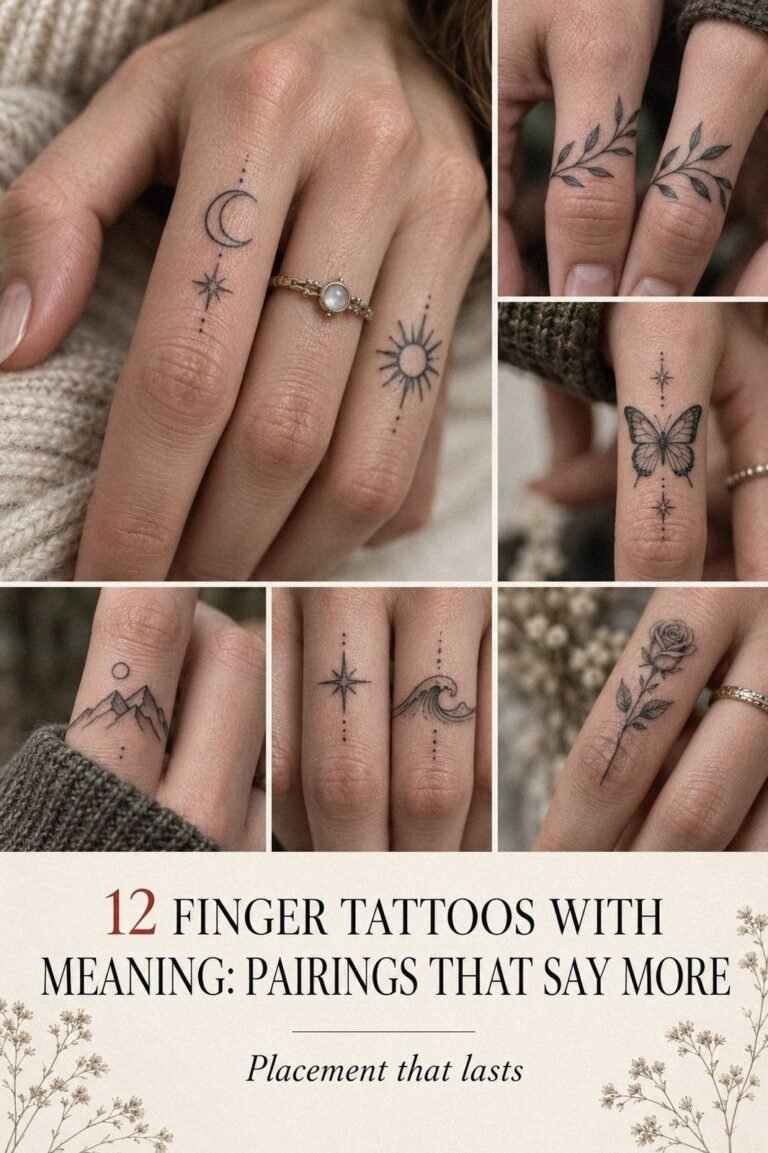
- Fingers and hands: Maximum visibility, maximum professional friction. Ink fades fastest here due to constant use, washing, and sun. Touch-ups become maintenance, not option.
Practical Considerations
Depression tattoos placed for daily self-viewing should account for actual sight lines. A ribcage piece requires deliberate mirror-checking; a forearm piece enters peripheral vision constantly. Some wearers want the intrusive reminder; others find it oppressive. Consider honestly which category you inhabit.
How It Ages on Skin
Depression tattoos face the same aging realities as all ink, with added stakes because of their emotional function. A blurred reminder of survival becomes ironically painful.
Design Choices That Last
Line-based symbols (semicolons, simple chains, text) age more predictably than shaded figurative work. A clean semicolon on the wrist, properly saturated, remains legible for years. Storm clouds with subtle gray gradation soften into blue-gray smudges within five to seven years. Heavy black silhouettes hold but can expand slightly, turning crisp edges into fuzzy borders.
Text tattoos in depression contexts require particular care. Small font sizes blur; script fonts lose distinction. All-caps sans-serif, 10pt equivalent or larger, maintains readability. Words packed with meaning deserve the space to remain legible.
Touch-Up Reality
Plan for maintenance, especially on high-friction placements. Finger tattoos need refreshment every two to four years. Wrist and forearm work lasts longer but still benefits from reinforcement at the decade mark. The emotional weight of these tattoos can make touch-ups feel like reliving the original impulse; budget for this possibility financially and psychologically.
Mythology & Folklore
Depression as named condition lacks ancient direct equivalents, but symbols now used in depression tattoos draw from older traditions of darkness, descent, and return.
Precedents in Older Symbol Systems
The koi fish swimming upward, often used in broader perseverance tattooing, connects to Chinese legend of transformation through struggle. Some trace the semicolon’s conceptual ancestor to medieval punctuation marks indicating pause and continuation, though this lineage remains speculative. Celtic knotwork’s endless loops occasionally appear in depression contexts, representing unbroken continuation despite complexity.
Norse imagery of Yggdrasil or world-serpent sometimes appears in depression tattoos among Scandinavian-descended wearers, drawing on cultural narratives of endurance through cosmic darkness. The association is modern projection rather than historical practice, but no less meaningful for that.
Contemporary Folk Practices
Informal traditions have emerged: the “depression tattoo” as post-hospitalization ritual, the matching semicolon among support group members, the anniversary refreshment of original ink. These practices lack institutional backing but carry community weight. They’re worth understanding as social phenomena, not just individual choices.
Who Chooses This Tattoo
No single demographic dominates depression tattooing, though patterns emerge. Young adults who came of age with Project Semicolon’s visibility show highest semicolon adoption. Older wearers often prefer less recognizable imagery, having developed their symbolism before mass movements. Men frequently choose abstract or geometric representations over the figurative or floral options more common among women, though these gendered patterns are shifting.
People with multiple mental health diagnoses sometimes accumulate related tattoos over years, creating unintended narrative sequences on their bodies. Therapists occasionally report clients using tattoo planning as stabilization activity during acute periods, neither inherently therapeutic nor harmful, but worth recognizing as function the tattoo may serve.
Before You Decide
Depression tattoos carry the permanence of all ink plus the volatility of emotional association. Today’s meaningful symbol may tomorrow feel like a brand from a period you want distance from. The most resilient designs allow for reinterpretation: a semicolon can become a butterfly, a chain can become a bracelet, coordinates remain coordinates regardless of emotional weather.
Consider waiting through at least one full seasonal cycle after the impulse crystallizes. Good tattoo ideas survive delay; urgent emotional impulses sometimes don’t. The tattoo that marks survival should not itself become a regret requiring survival.
Choose an artist who takes the subject seriously without performative solemnity. Someone who asks what the symbol means to you, then focuses on making it technically sound. The meaning is yours; the execution is theirs. Both matter.
Frequently Asked Questions
Will a depression tattoo trigger difficult memories every time I see it?
Some people find daily visibility grounding; others experience intrusive recall. Test the placement by wearing a temporary version for several weeks before committing. You can also place the tattoo where you control when it enters your sight line.
Can employers legally ask about a semicolon or mental health tattoo?
In the U.S., visible tattoos generally aren’t protected under disability law unless you’ve disclosed a related condition. Forearm and hand placements may require professional coverage depending on your industry. Consider placement strategically if you’re not in a position to be fully open.
Do depression tattoos actually help with recovery?
There’s no clinical evidence that tattoos treat depression. Some people report the ritual of getting tattooed or the ongoing visibility provides comfort or accountability, but this is individual and anecdotal, not medical. Don’t substitute tattooing for professional care.
What if I regret a depression tattoo later?
Cover-up and removal options exist but are costly and imperfect. Design choices that allow reinterpretation, simple geometry, text that works in multiple contexts, placement that accommodates larger future work, preserve options. The best prevention is patience during the decision phase.
Related Tattoo Meanings
- Dopamine Tattoo Meaning: Chemistry, Motivation Mental Health
- Ellipsis Tattoo Meaning: The Pause, The Unfinished, The What-Comes-Nex
- Happy Face Tattoo Meaning: Smiles, Irony, and Ink
- Explore more