I’ve watched thousands of people sit in the chair, nervous energy vibrating off them, not sure what they actually want. The ones who walk away happiest? They came in with something specific to their life, not just a Pinterest screenshot. Here’s the truth about finding different tattoo ideas that won’t make you wince at family photos in 2035.
Popular Styles That Hold Up
American Traditional
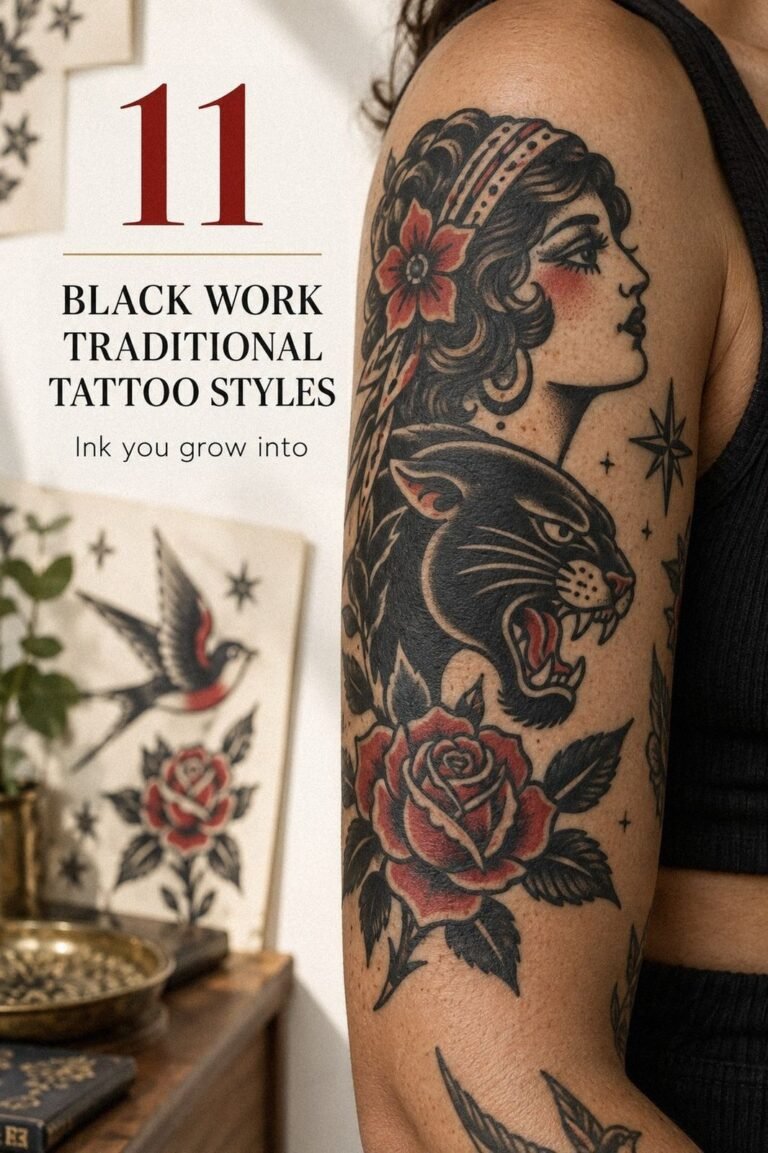
Thick black outlines. Limited color palette. Bold and readable from across a room. This is the style that looked good on sailors in 1945 and still looks good on bartenders in 2025. The heavy linework means it ages like a leather jacket, better with time, not worse. I’ve touched up trad pieces that are thirty years old and they still read clean. The roses, eagles, and pin-up girls might feel familiar, but there’s a reason shops from Brooklyn to Portland keep flash sheets of this stuff on the walls. It works.
Japanese (Irezumi)
Full sleeves. Back pieces. Dragons that wrap around thighs with proper scale direction. This isn’t a weekend decision. The commitment level is serious, and the storytelling is built into the imagery. Koi swimming upstream. Cherry blossoms falling. Tigers in bamboo. The shading technique here, tebori hand-poking or machine work mimicking it, creates depth that photographs terribly but looks incredible in person. Skin glows differently with this much saturated ink. Fair warning: good irezumi artists are booked months out. The ones who aren’t? Keep walking.
Blackwork and Dotwork
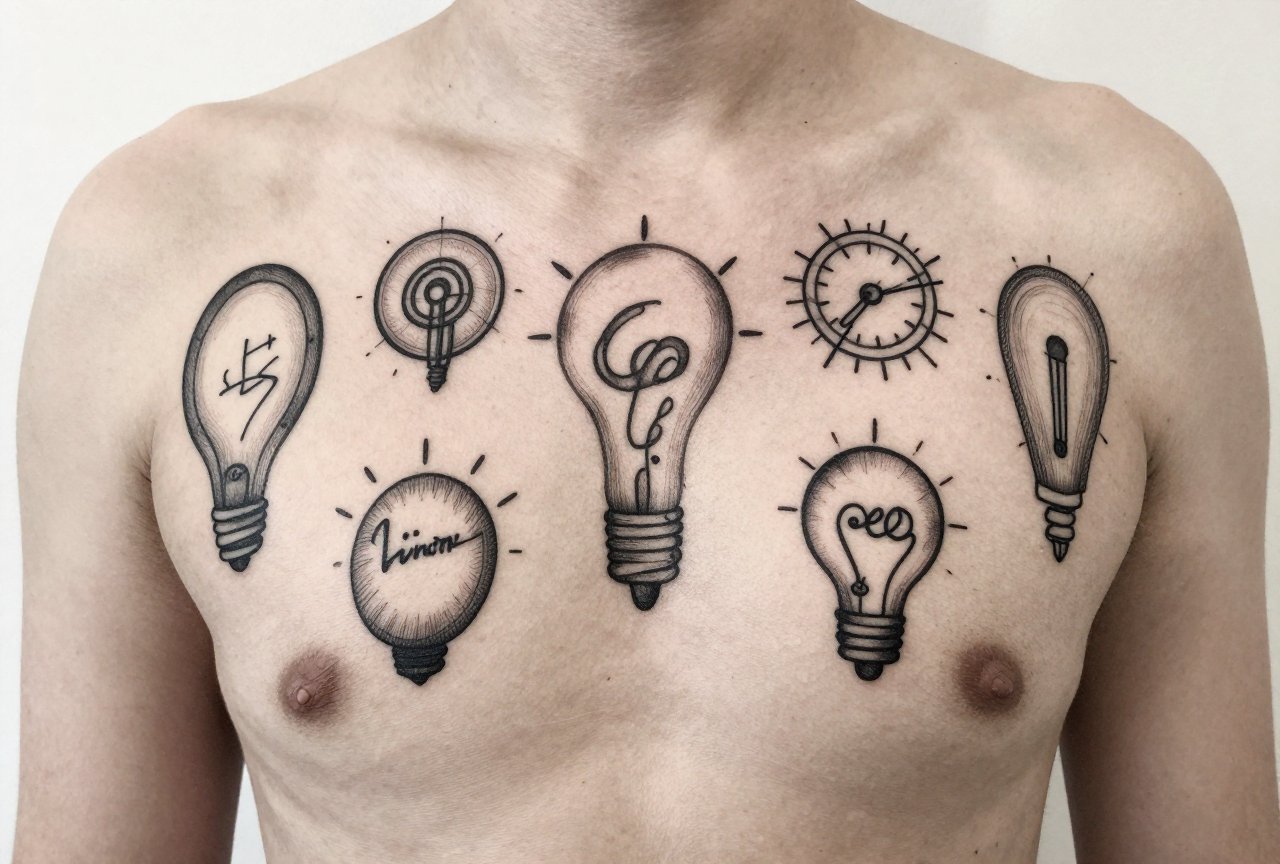
Geometric mandalas that follow muscle structure. Sacred geometry that makes your arm look engineered. Dotwork builds tone through patience, thousands of tiny points creating gradients. It takes forever in the chair. Your artist’s hand cramps. You both earn it. The healing on these can be tricky; dense black areas scab thicker. But once settled, blackwork tattoos have a graphic quality that color can’t touch. They look intentional. Designed, not decorated.
Design Ideas With Actual Meaning
Here’s what I tell people when they ask for something “different”: the idea isn’t different. Your reason for it is.
- Coordinates. Not the coffee shop where you met. The exact spot on a hiking trail where you decided to stay alive. Numbers that mean something when you explain them, nothing when you don’t.
- Botanicals from your actual life. The rosemary your grandmother grew. Not “a rose.” Her rose. Reference photos matter. I’ve drawn from dried plants pressed in books, from iPhone shots of backyard gardens.
- Handwritten text. Actual handwriting from letters. The shaky signature of someone who’s gone. We can scan it, clean it up, tattoo it exactly. Better than any font.
- Abstracted scars or marks. Turning stretch marks into lightning. Covering surgery scars with imagery that acknowledges what happened without hiding it. This work is some of the most meaningful I’ve done.
- Pet portraits that don’t suck. The key is finding an artist who specializes in them. Not every shop does. A bad pet portrait looks like a different species. A good one catches the weird angle they tilted their head.
What to Skip
Infinity symbols with feathers. Roman numerals of obvious dates. The word “breathe” in cursive. I’m not judging your taste, I’m telling you I’ve seen these thousands of times and so has every other artist. They blur together. They age poorly because they’re small and thin. If it matters to you, make it bigger. Make it stranger. Make it yours.
Best Placements for Different Ideas
Placement changes everything. A design that sings on a forearm dies on a ribcage. Here’s the reality from the chair:
- Forearms. The showroom. Everyone sees it. Good for pieces you want to talk about, bad for anything you’re not ready to explain at job interviews. Linework stays crisp here. Skin moves less than you’d think.
- Ribs and sternum. Painful. Really painful. The skin stretches, breathes, shifts. Designs need to flow with movement. Vertical compositions work better than horizontal. Healing is annoying, your shirt rubs constantly.
- Thighs. Hidden when you want, shown when you don’t. Large canvas. The meat of the thigh takes color beautifully. Inner thigh? Different story. More sensitive, more swelling, more awkward positioning in the chair.
- Hands and fingers. High maintenance. Fast fading. The skin here regenerates quickly, and ink doesn’t settle deep. Touch-ups are basically guaranteed. Some artists won’t do finger work on first-timers because they know the regret statistics from experience, not studies.
- Back of the neck / behind the ear. Delicate. Trendy. Hard to see yourself. I’ve had clients forget they have tattoos here. That’s either perfect or pointless depending on your personality.
Thinking About Aging
Your skin changes. Sun happens. Weight shifts. A tattoo on a bicep at twenty-five looks different at fifty. Plan for it. Bolder lines. Simpler compositions in areas that will stretch. I’ve seen beautiful detailed work on pregnant bellies that returned to abstraction afterward. Not ruined, just different. The body keeps living after the needle stops.
Color Choices: What Lasts
Black and grey never goes wrong. It’s the denim of tattooing. Versatile. Ages gracefully. Shows texture and depth through shading alone.
Color is where it gets interesting and risky. Yellows fade fastest. Light blues turn muddy. Reds can look infected when they’re actually fine, panic-inducing for new collectors. The colors that hold: deep blues, forest greens, true black. Purple does okay. Orange struggles.
White ink? Controversial. Some artists love it for highlights. Others refuse. It yellows on most skin tones. It disappears. I’ve seen white ink look like scar tissue, which is either the goal or a problem.
Watercolor style, those splashy, painterly pieces, looks incredible fresh. Five years later? The “drip” effects often look like blowouts. The soft edges blur. If you want color that lasts, build it in solid blocks with defined edges. Let the artist suggest how to get the painterly effect structurally.
Tips for Choosing Your Artist
This matters more than the design. A mediocre idea executed brilliantly beats a brilliant idea executed poorly. Every time.
- Look at healed work, not just fresh photos. Instagram is fresh. Ask to see pieces that are a year old. Good shops have this. The real portfolio is walking around in the world.
- Specialization is real. The artist who crushes black and grey realism might struggle with traditional color. The person doing delicate single-needle work isn’t your person for a solid tribal cover-up. Respect the lane.
- Consultations are free. Use them. Bring references. Bring garbage references too, “I like the composition here but hate the subject.” This helps. Be honest about budget. Size adjusts to reality.
- Don’t haggle. You wouldn’t negotiate with a dentist. This is permanent and involves blood. Pay for the skill. Save longer if you need to.
- Shop vibe matters. Clean, sure. But also: do you feel comfortable asking questions? Does the artist listen more than they talk? The best sessions I’ve had were with clients who felt safe enough to say when they needed a break.
The Booking Reality
Good artists are booked. That’s the system working. Someone with immediate availability might be talented and building, or they might be available for a reason. Do your homework. Read reviews that mention the healed result, not just the experience. Check if people return for more work, that’s the real endorsement.
Final Thoughts
There’s no such thing as a truly original tattoo idea. Every image connects to something that came before. What makes yours different is the life behind it. The specific memory. The actual person. The real place.
I’ve tattooed matching lemons on sisters who grew up stealing them from a neighbor’s tree. A single line drawing of a radiator from someone’s first apartment in New York. A botanically accurate weed that grew through concrete outside a rehab facility. None of these were “different” in a Google search sense. They were specific. That’s the whole game.
Take your time. Sit with the idea. If it still feels right in six months, start looking for the person who should put it on your body. The best tattoos aren’t impulsive. They’re inevitable.
More Tattoo Ideas
- Biblical Tattoo Ideas That Actually Work on Skin
- Crescent Moon Detailed Design Tattoo Ideas
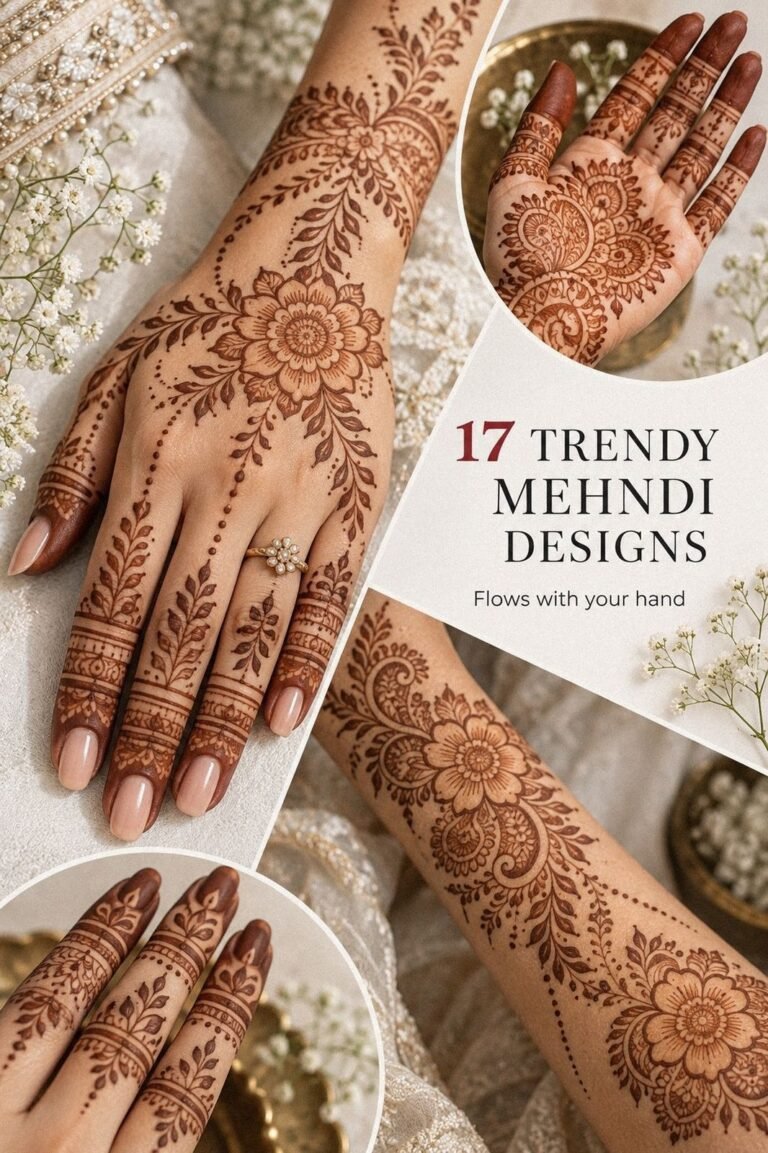
- I Tried Very Simple Mehndi, The Wrist Flow Finally Felt Clean
- Explore more
Frequently Asked Questions
What tattoo styles age well over time?
Bold line work and traditional American or Japanese styles tend to hold up best because the thick outlines and strong contrast remain readable even as ink naturally spreads slightly. Fine line and watercolor tattoos often fade faster and require more frequent touch-ups to maintain their original appearance.
Are small tattoos a good idea or do they blur together?
Small tattoos work well when placed on areas with minimal skin movement and when designed with enough spacing and simplicity to stay distinct. Overcrowding tiny pieces or placing them on hands and feet where skin regenerates quickly often leads to premature fading and blurring.
How do I choose a tattoo that I will not regret later?
Select imagery that holds personal meaning beyond current trends and avoid copying celebrity designs or viral Pinterest pieces that thousands already have. Living with a temporary henna version for several weeks before committing can reveal whether you genuinely connect with the design long-term.
Do cover-up tattoos actually work or should I just get removal?
Cover-ups work effectively when the new design is larger, darker, and strategically designed to incorporate and disguise the old tattoo rather than simply layering ink over it. Laser removal or fading sessions often create better results for cover-ups with very dark or dense existing ink, giving the artist more flexibility.