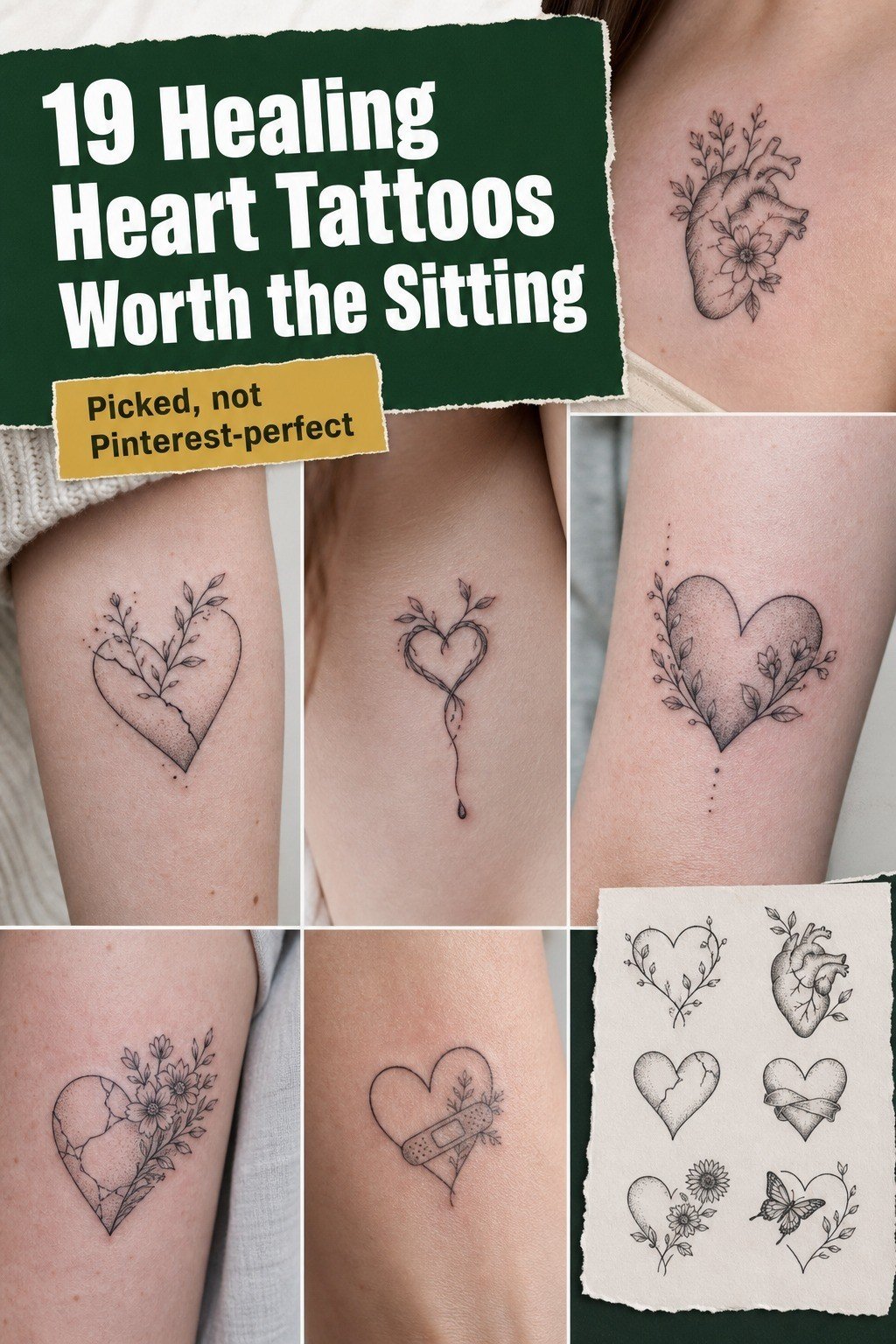
A Healing Heart Tattoo should read clean now and still make sense to you years from now. I’ve seen people rush a tiny Pinterest reference, then realize the bandage, script, and petals have nowhere to breathe. Start with your story, give the lines enough skin, and let your artist build something that heals nice.
- Start With A Healing Heart Tattoo Meaning
- Pick Heart Shaped Tattoos With Visible Bandages
- Choose Cool Heart Tattoos In Fine Linework
- Sketch Heart Tattoo Ideas Around Scarred Edges
- Match Healing Heart Tattoos To Your Story
- Place A Healing Heart Tattoo Near Your Wrist
- Try Unique Heart Tattoos With Botanical Details
- Select Red Ink For A Tender Heart Design
- Add Anatomical Lines To Your Healing Heart Tattoo
- Keep Heart Shaped Tattoos Small And Precise
- Plan A Black And Grey Healing Heart Tattoo
- Balance Script And Symbols Inside The Heart
- Compare Cool Heart Tattoos For Painful Placements
- Mark Recovery With A Broken Heart Motif
- Frame Heart Tattoo Ideas With Protective Hands
- Ask Your Artist About Healing Fine Linework
- Follow Aftercare For A Fresh Heart Tattoo
- Photograph Your Healing Heart Tattoo Progress
- Schedule A Touch Up After Complete Healing
1Start With A Healing Heart Tattoo Meaning
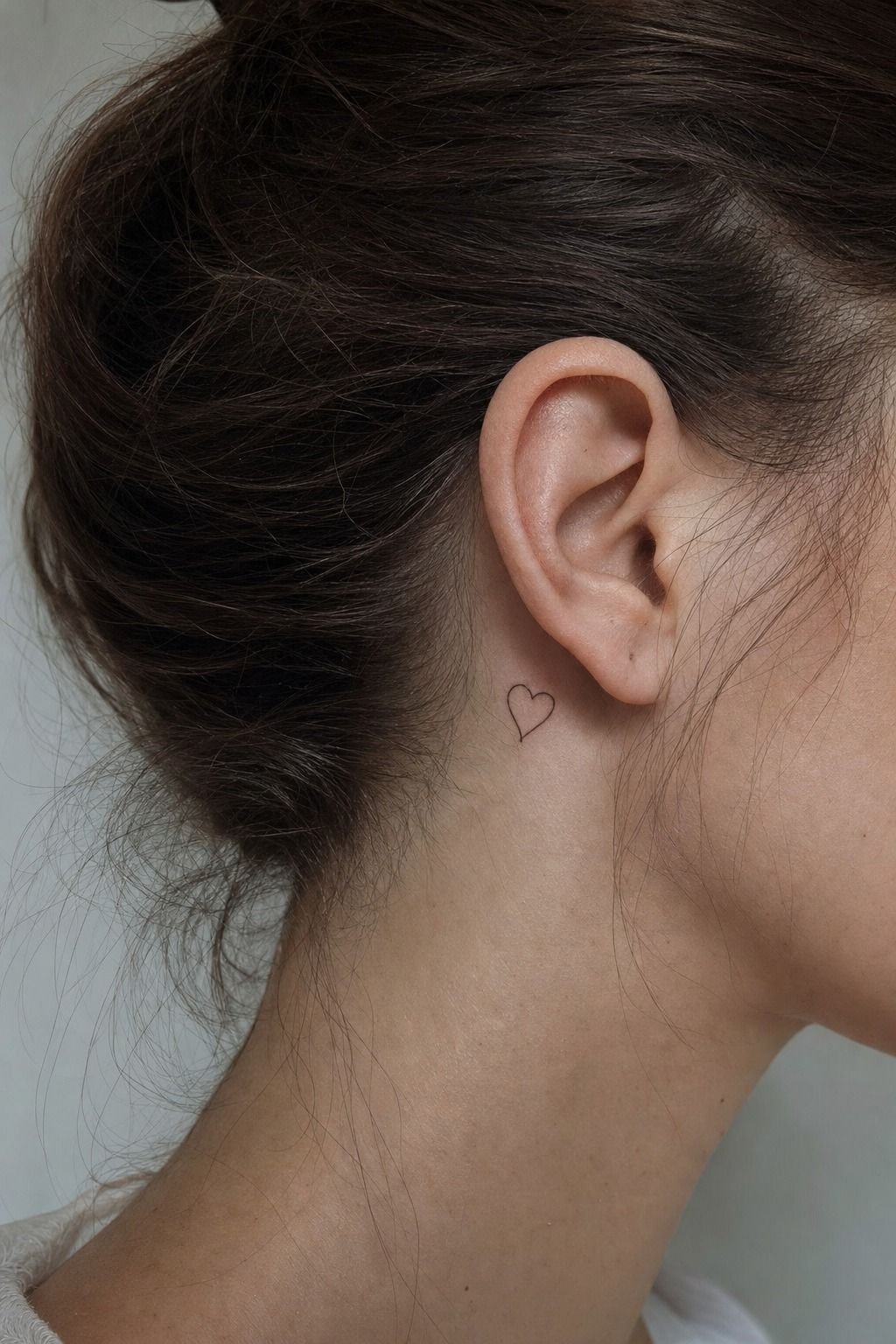
Pick the feeling before you pick the drawing. Your healing heart can mark grief, recovery, a breakup, sobriety, family, or simply the point where you decided you weren’t done yet. Write three words you want your tattoo to hold, then bring those words to your consult.
I’d skip copying a stranger’s exact tattoo. Fine line black ink can look intimate and soft, but your version needs a reason beyond “it was cute online.” You’ll make better choices about symbols, placement, and size once you know what your heart is carrying.
2Pick Heart Shaped Tattoos With Visible Bandages
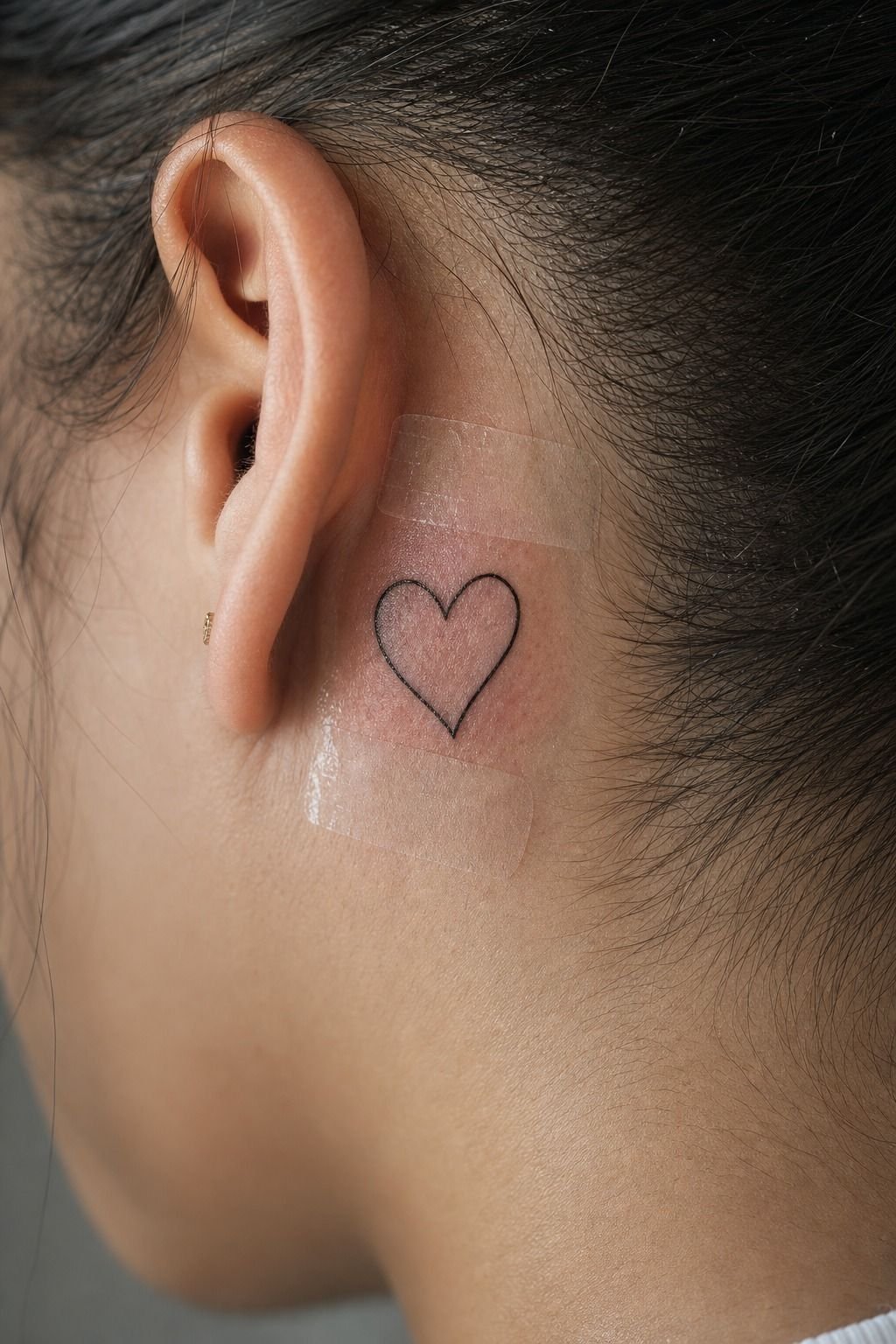
A bandage tells the story fast: hurt happened, but healing is underway. Keep the wrap simple, with two or three clean overlaps and enough negative space between the strips. If you make every gauze thread visible, it’ll turn to soup.
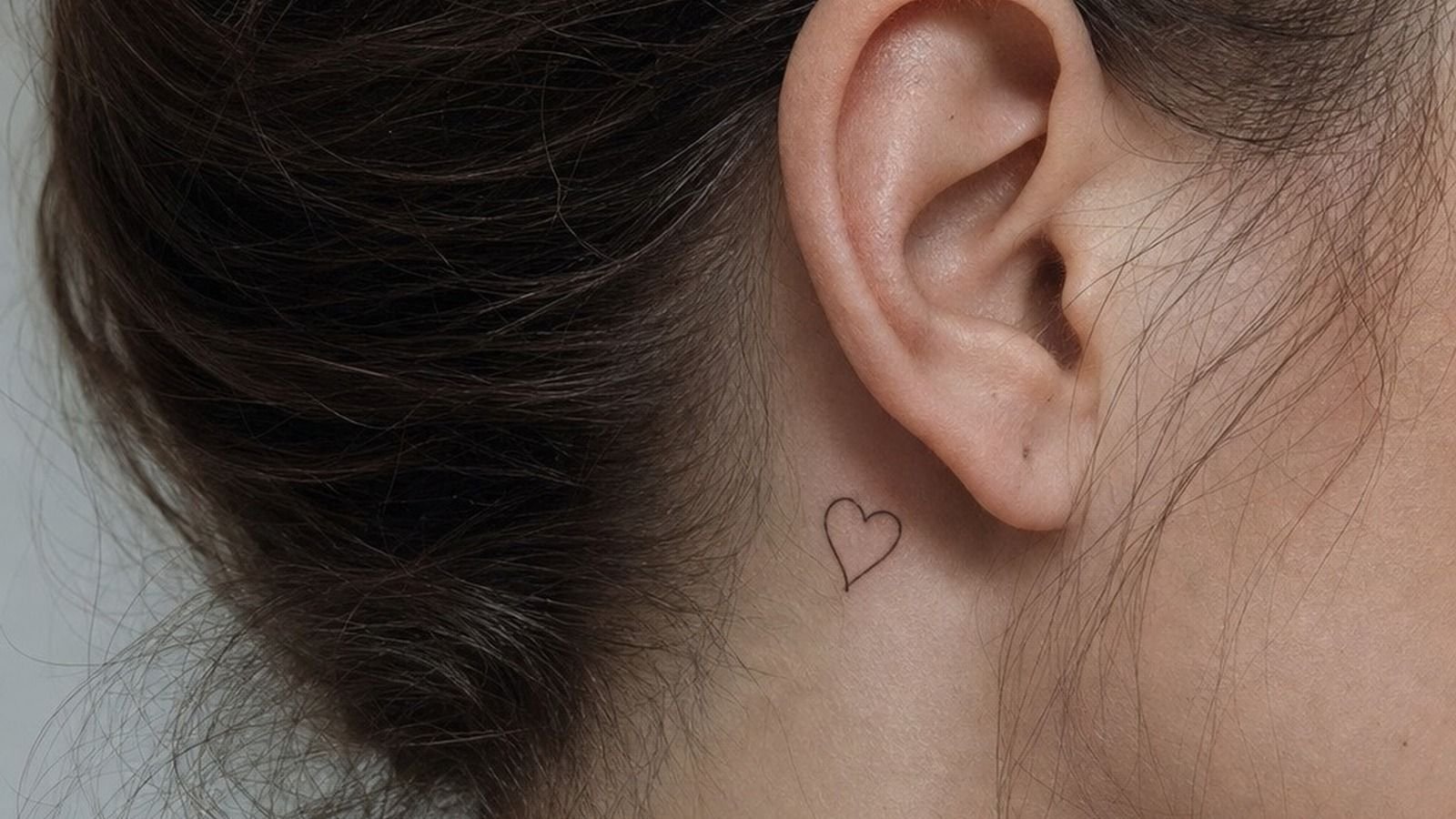
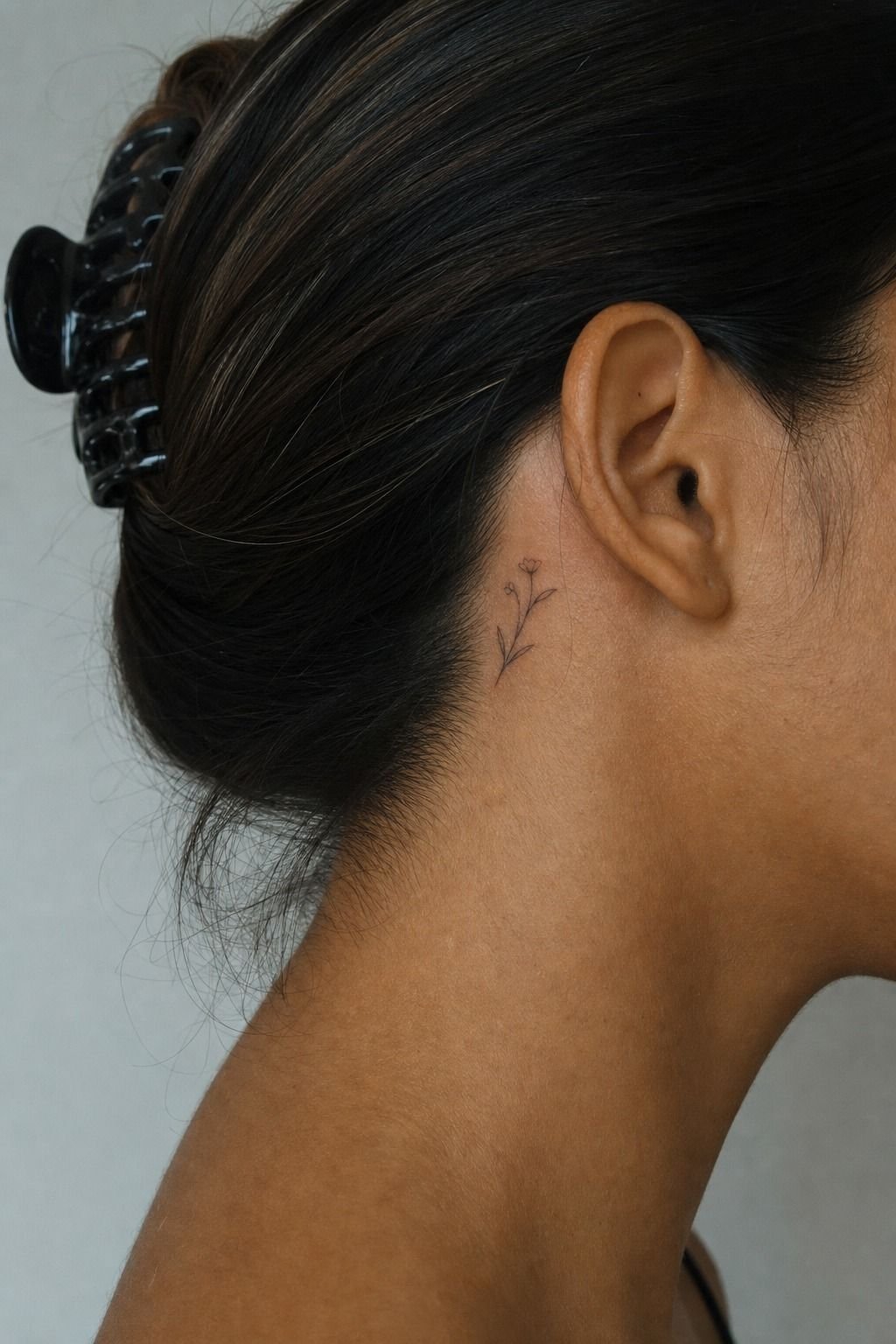
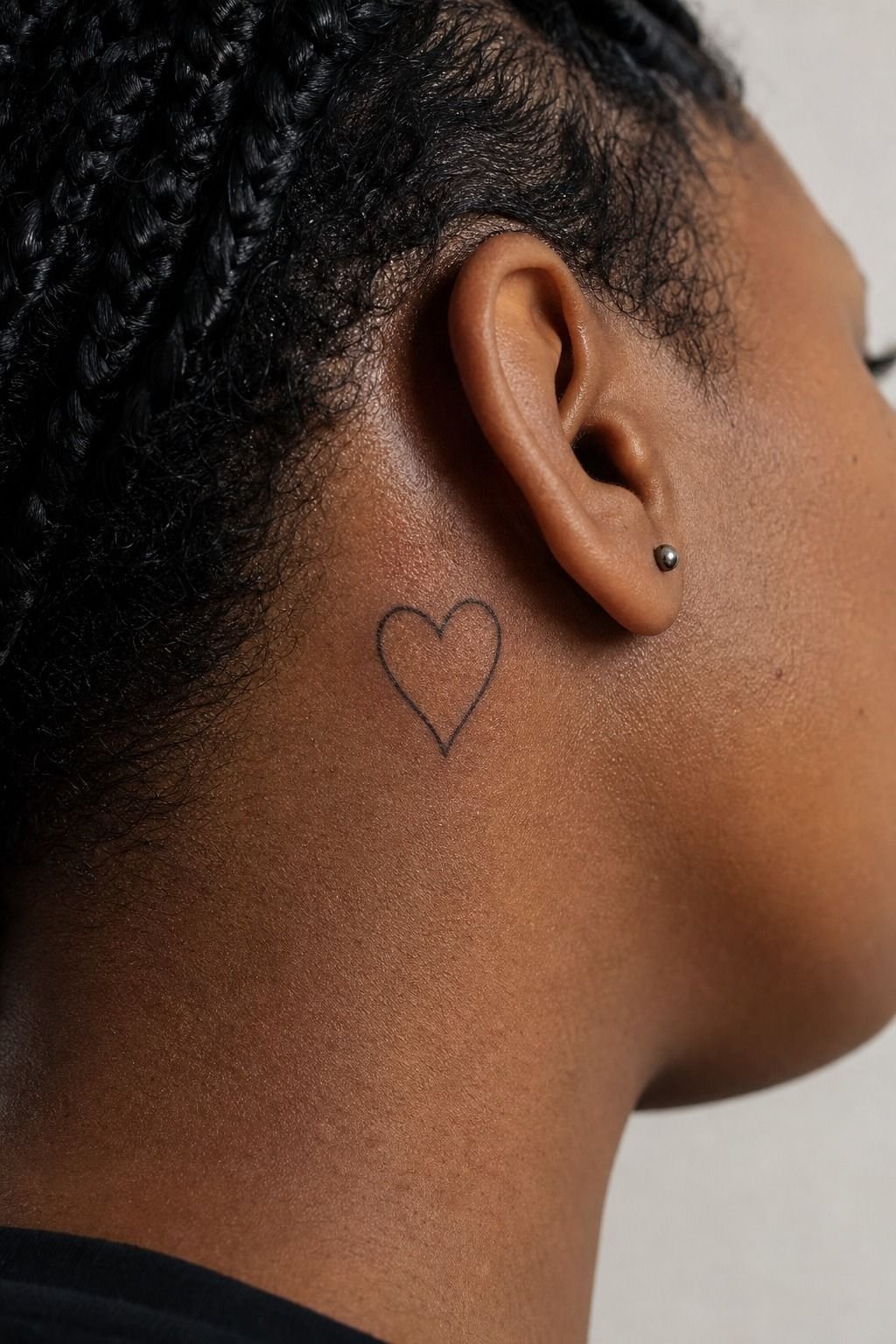
For a behind-the-ear piece, I’d ask for a heart around 1 to 1.5 inches tall. That gives single-needle linework room to stay crispy. Your artist can soften the bandage edges with light pepper shading, but don’t pack that tiny area until the skin gets chewed up.
3Choose Cool Heart Tattoos In Fine Linework
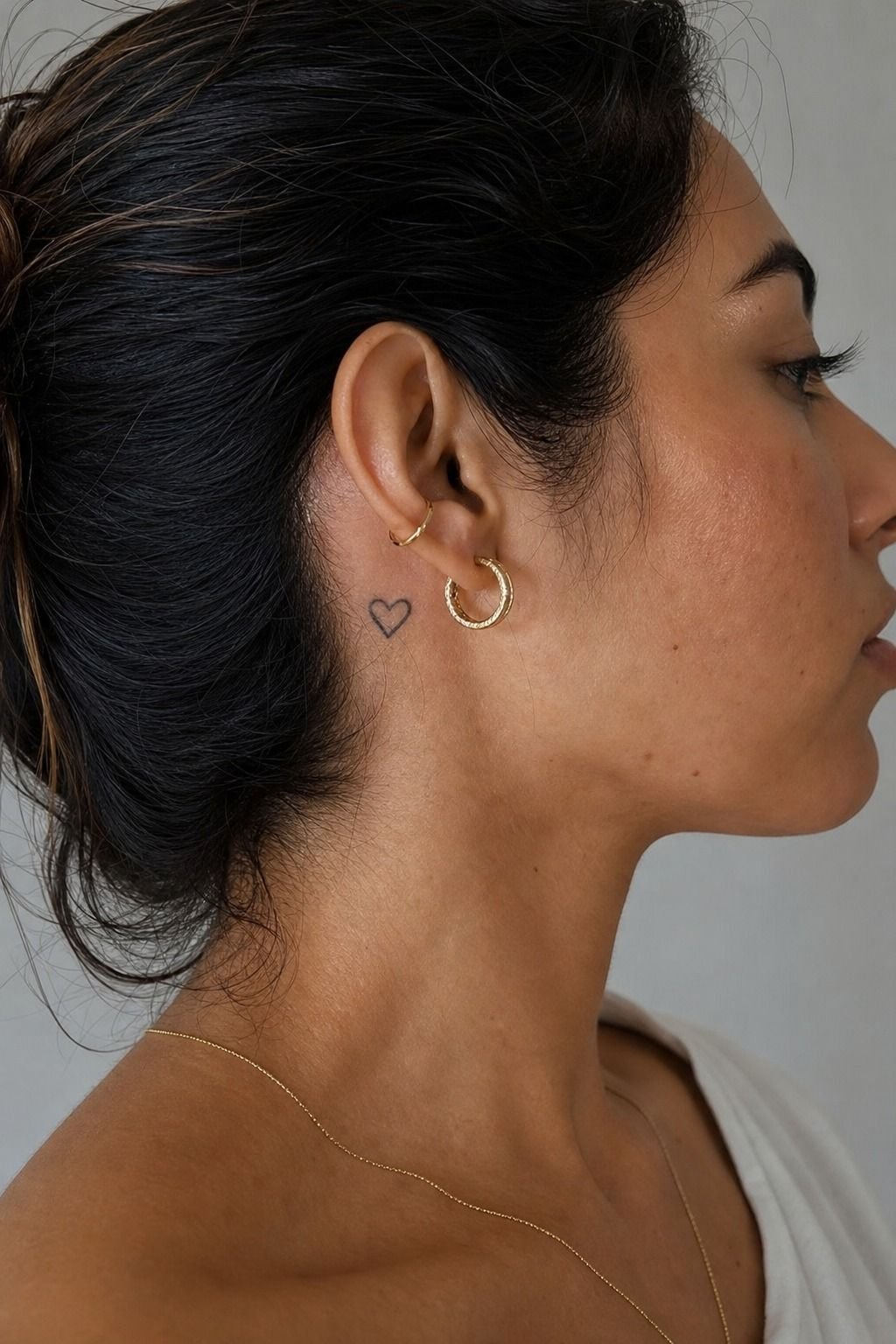
Fine line works when the design has a clear silhouette. A broken outline, small bandage, and one tiny sparkle can look refined and still read from across the room. You don’t need fifteen details to make your tattoo emotional.
Ask to see healed work, not just fresh studio photos. Your artist’s fresh lines may look bright and sharp, but healed photos tell you whether their black-and-grey ink stays even after the skin settles. If you’re worried about fading, compare it with this guide on what fading looks like while a tattoo heals.
4Sketch Heart Tattoo Ideas Around Scarred Edges
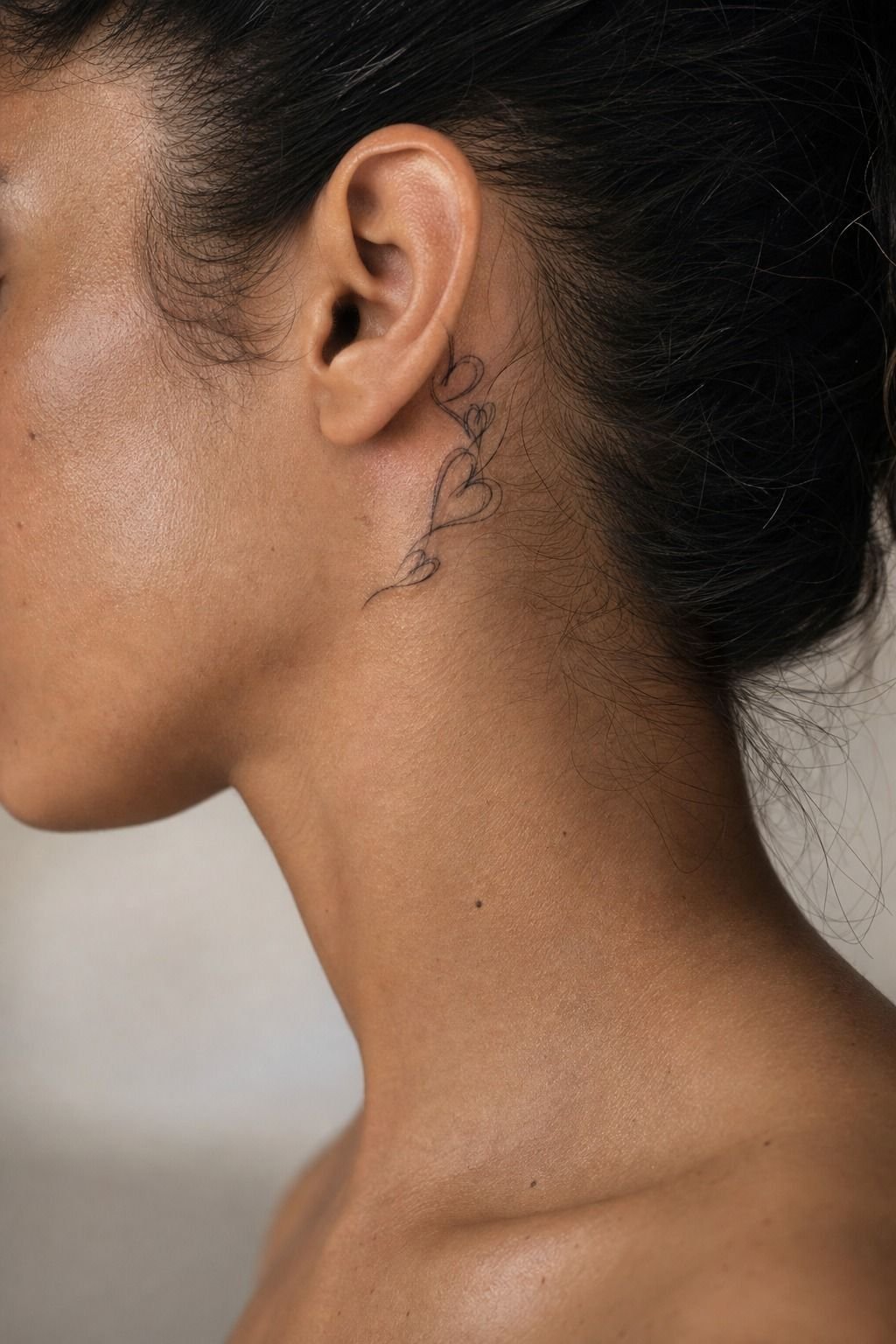
Let the shape follow your body instead of forcing a flat sticker onto curved skin.
5Match Healing Heart Tattoos To Your Story
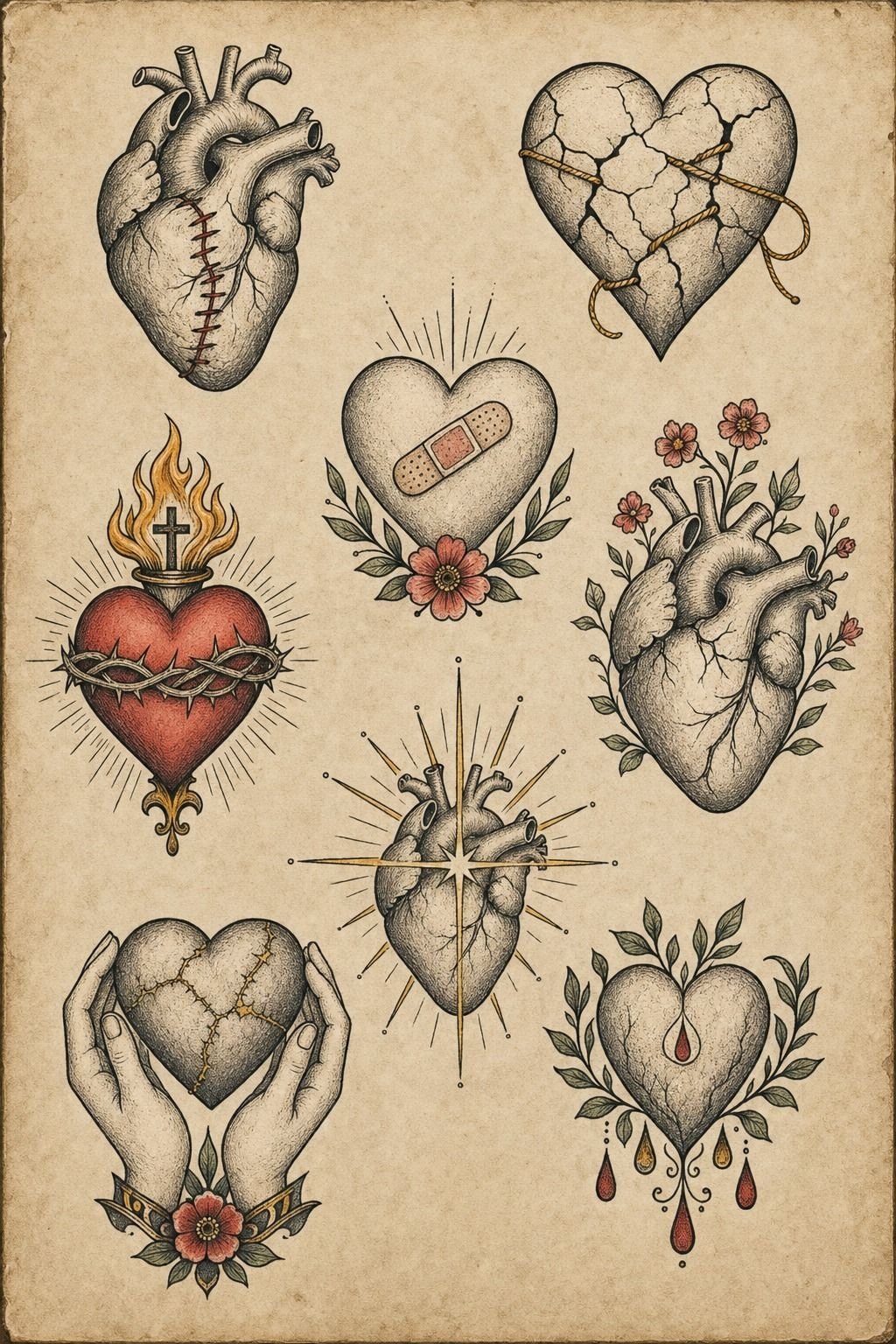
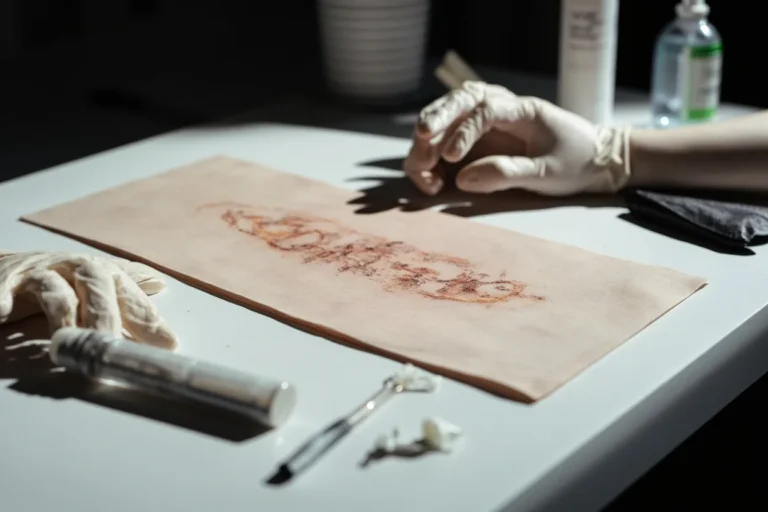
Make a small flash sheet with three directions: bandaged heart, cracked anatomical heart, and heart with a bloom. Your artist can pull the best parts into one custom drawing. Flash is fine if you love it as-is, but references are for vibe, not a Pinterest-exact order.
A clean aged-paper flash sheet also helps you compare what your eye keeps returning to. Maybe you thought you wanted delicate flowers, then realize the protective hands hit harder.
Trust that reaction. Your tattoo doesn’t need to explain itself to everybody.
6Place A Healing Heart Tattoo Near Your Wrist
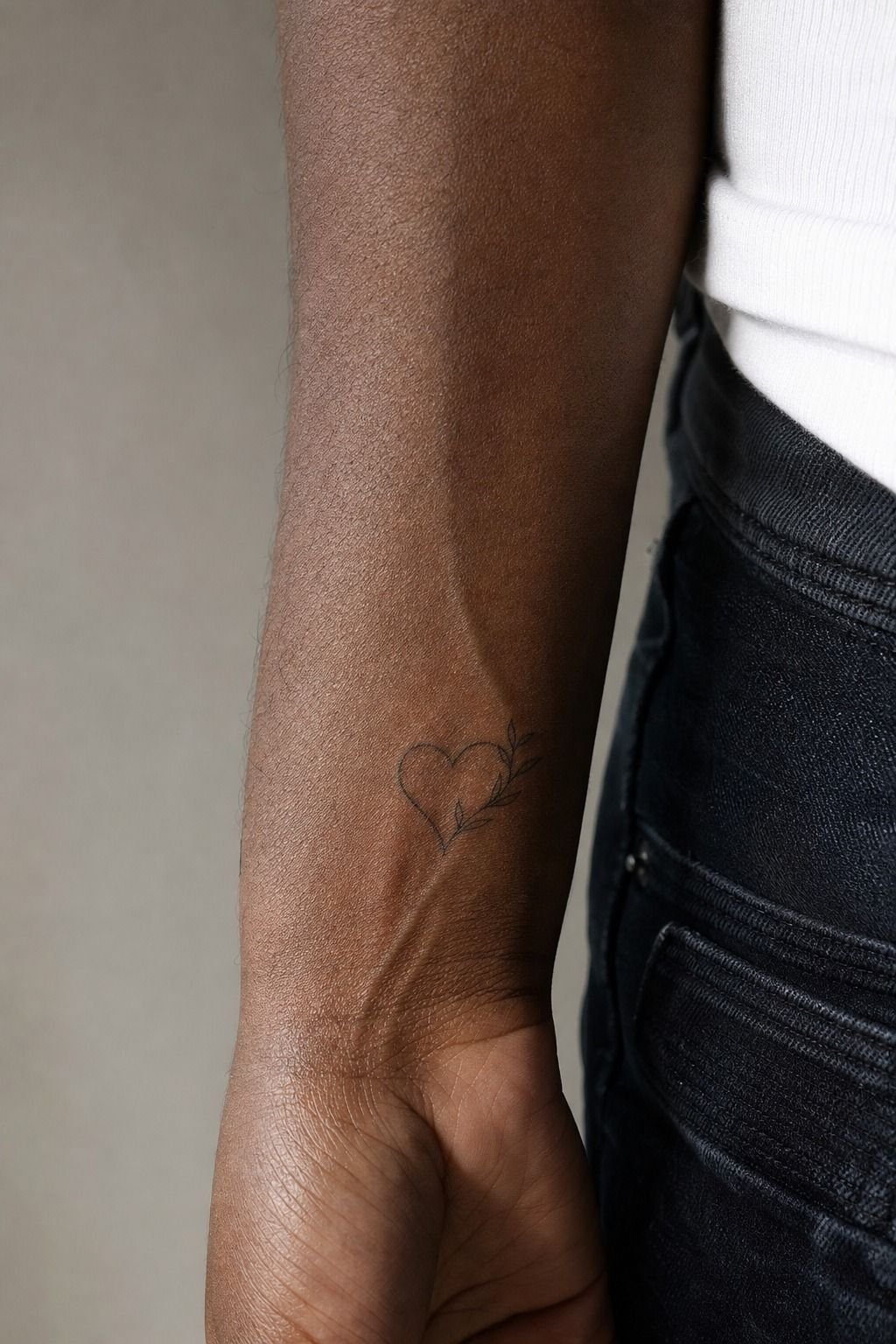
The outer wrist is visible, personal, and manageable for many first-timers. Keep the tattoo off the wrist crease by about a finger width if you can. Constant bending, watches, and sleeves make that edge a high-wear zone.
A 1.5- to 2-inch fine line heart on the lower forearm usually ages better than a tiny symbol jammed into the wrist. That size on a wrist is gonna mush out, so bump it up the forearm so it breathes and ages nicer. You’ll get a calmer tattoo and less maintenance.
7Try Unique Heart Tattoos With Botanical Details
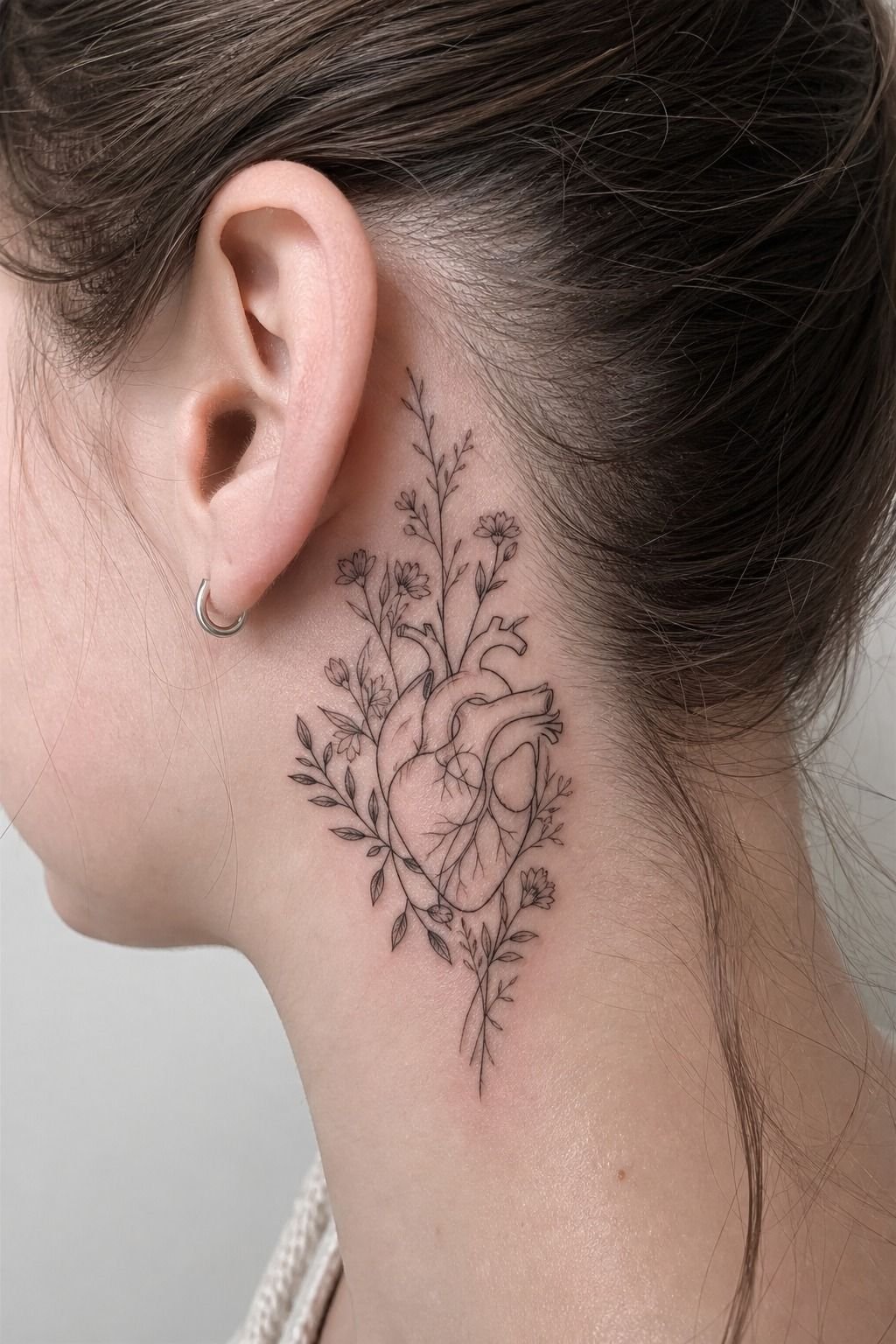
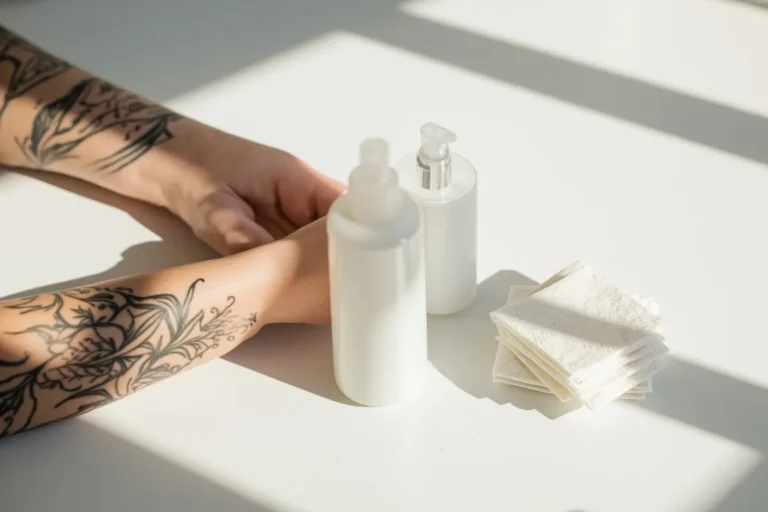
One botanical detail can make the heart feel like yours. Think a small olive stem for peace, thorny rose for resilience, or a sprig of lavender for a person you miss. Keep the leaves broad enough that they won’t blur into fuzzy crumbs.
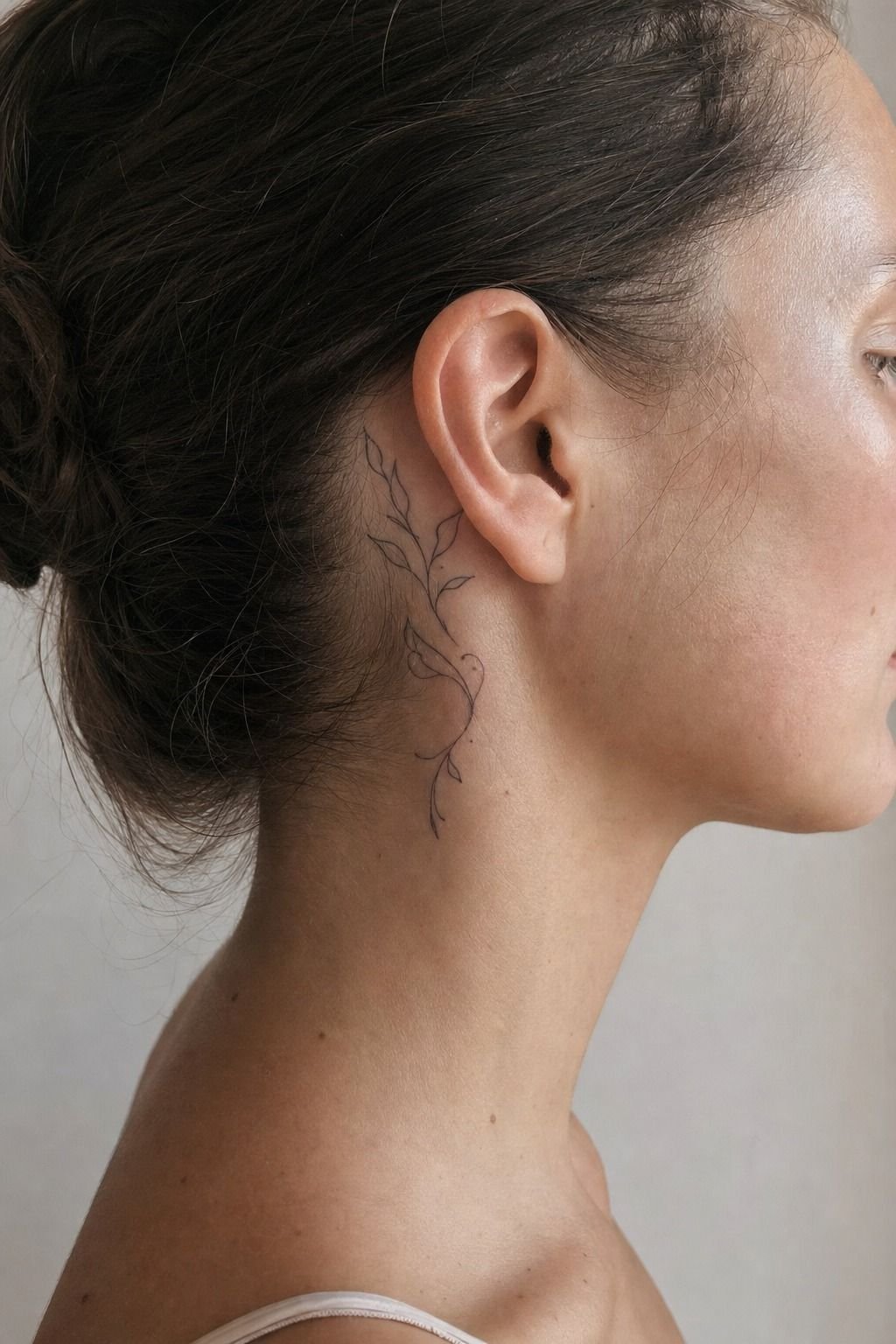
I like botanical fine line around a bandaged heart because it gives the design a soft frame without losing contrast. But don’t add vines everywhere. Your skin needs open gaps between leaf clusters, especially behind the ear where the tattoo already has tight real estate.
8Select Red Ink For A Tender Heart Design
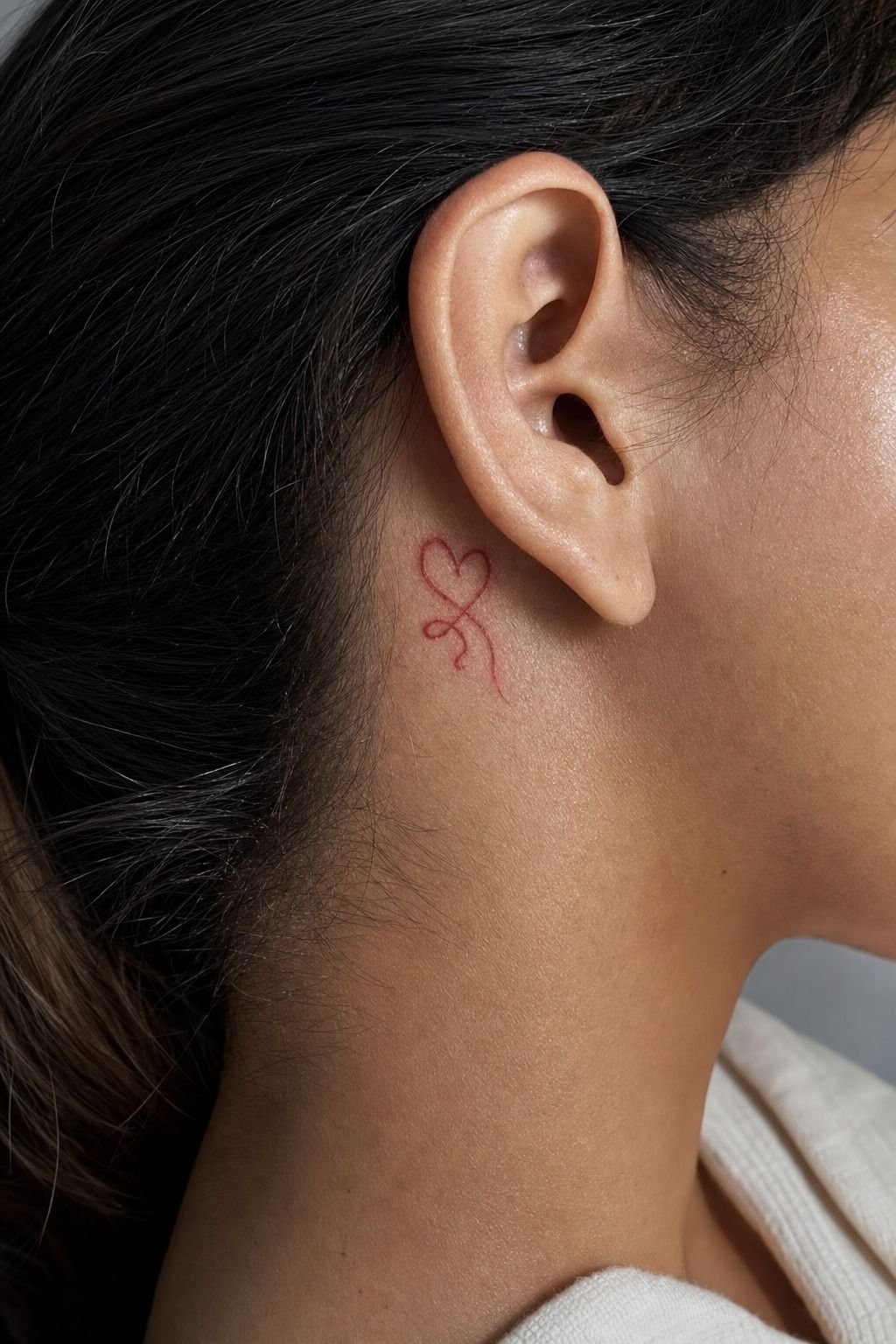
Red ink can make a healing heart feel tender, raw, and a little more intimate. It’s spice, not the whole meal. Use it for a small thread, a tiny drop, or a second outline while black holds the structure.
Ask your artist what red tattoo pigment they use and request healed examples on skin tones close to yours. Your skin can react differently, and a red-only micro tattoo may need touch-ups sooner than black. A black anchor with restrained red usually gives you the more timeless result.
9Add Anatomical Lines To Your Healing Heart Tattoo
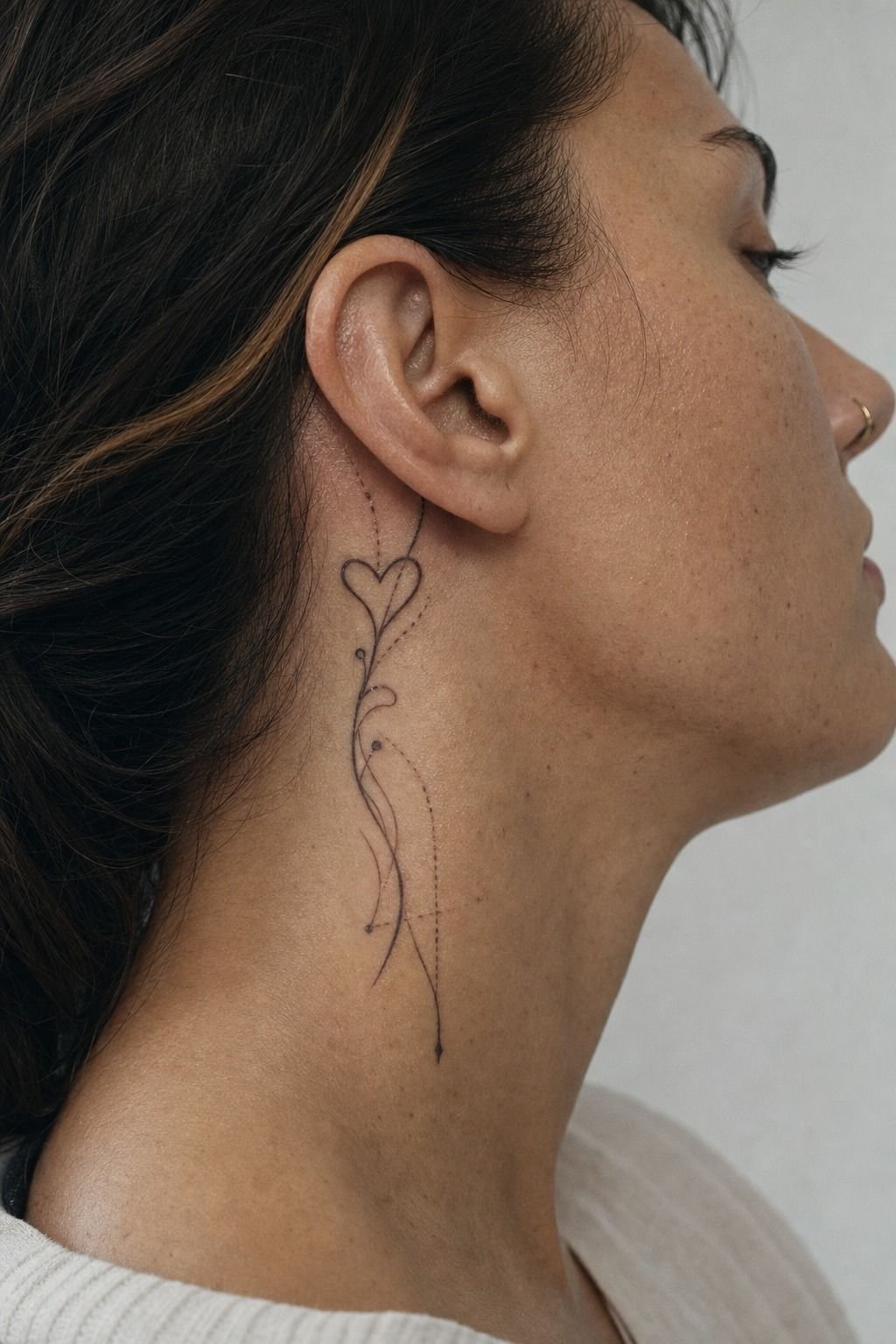
An anatomical heart has more meaning when you simplify it.
10Keep Heart Shaped Tattoos Small And Precise
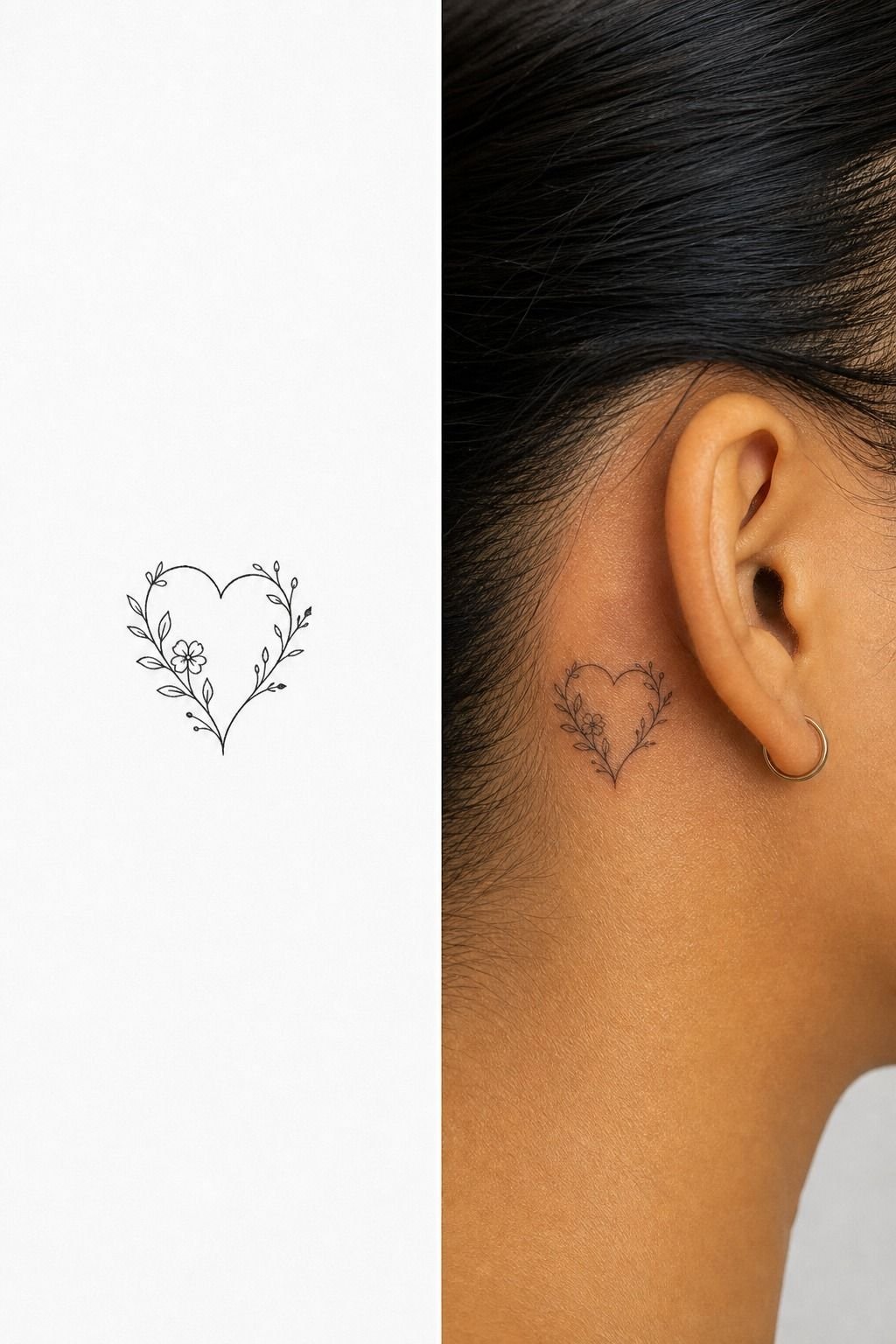
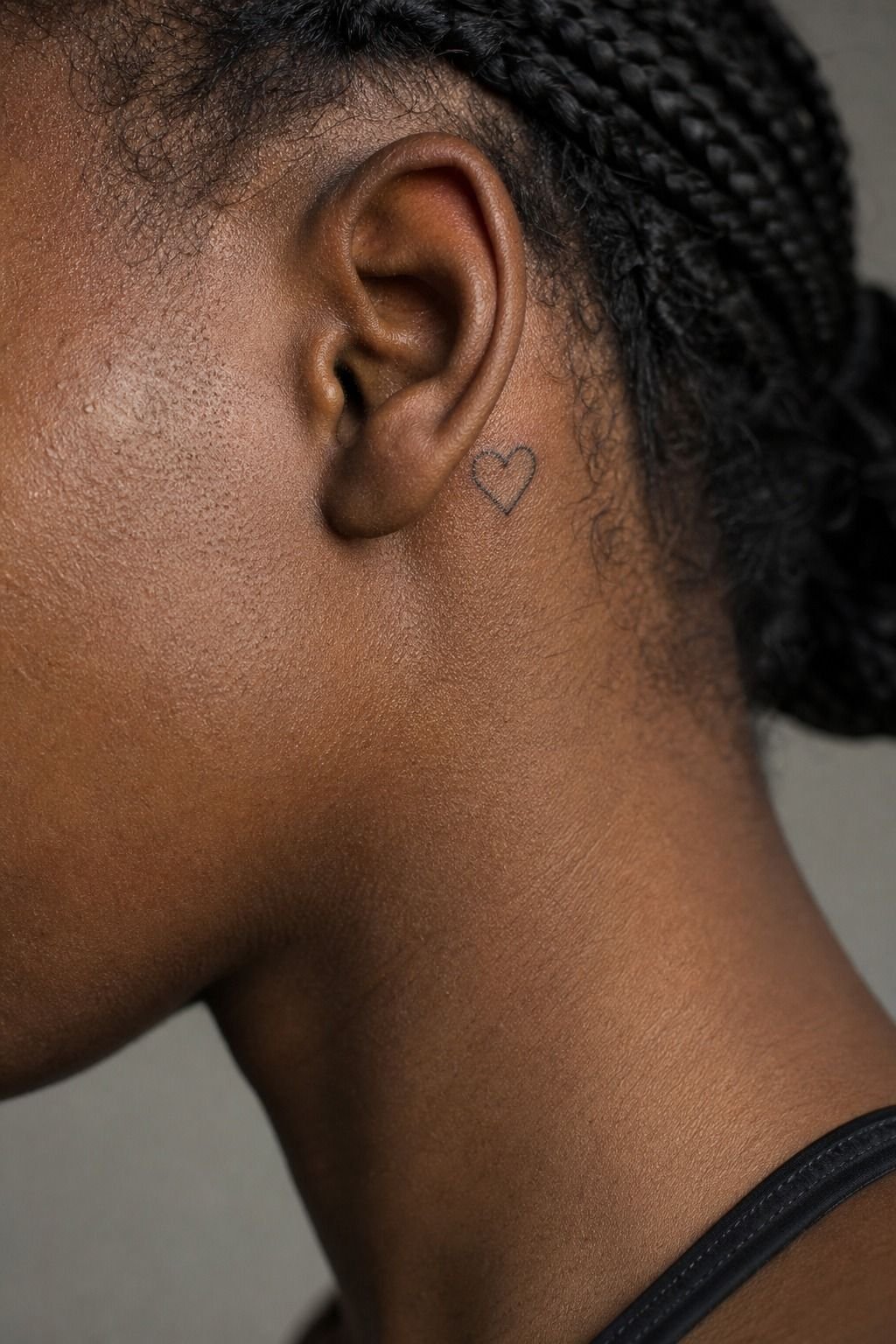
Small doesn’t mean microscopic. A tattoo under 1 inch can still work if it’s one strong heart, one bandage, and no miniature handwriting.
The split between a fresh stencil and a healed result should look almost boringly clear. That’s the point.
Your artist should make one clean pull, not ten fuzzy ones. Single-pass outlines heal more softly than repeatedly scratched lines, and your skin will thank you. If a detail can’t be read from arm’s length, you probably don’t need it in the final design.
11Plan A Black And Grey Healing Heart Tattoo
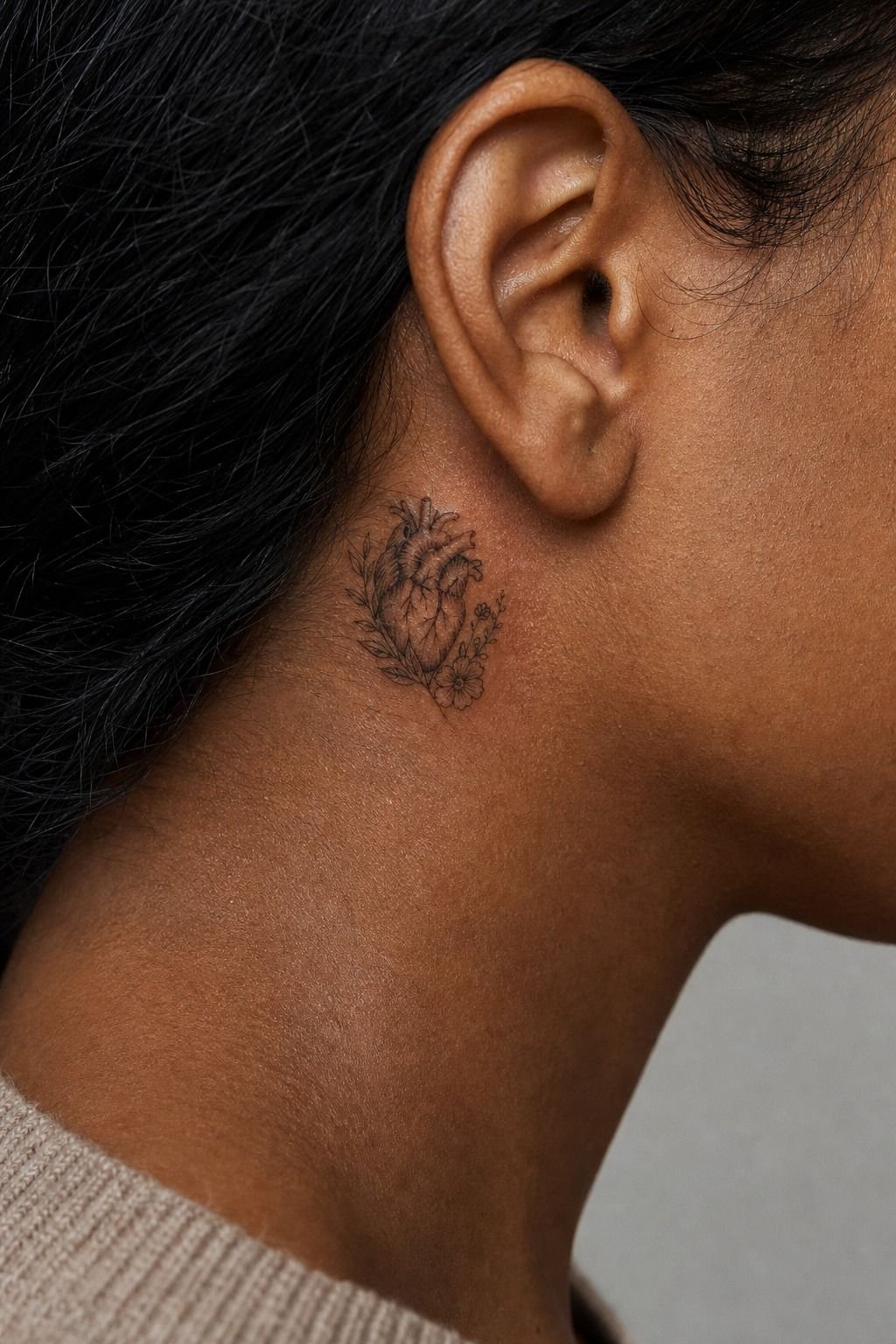
Black and grey is your safest longevity choice.
12Balance Script And Symbols Inside The Heart
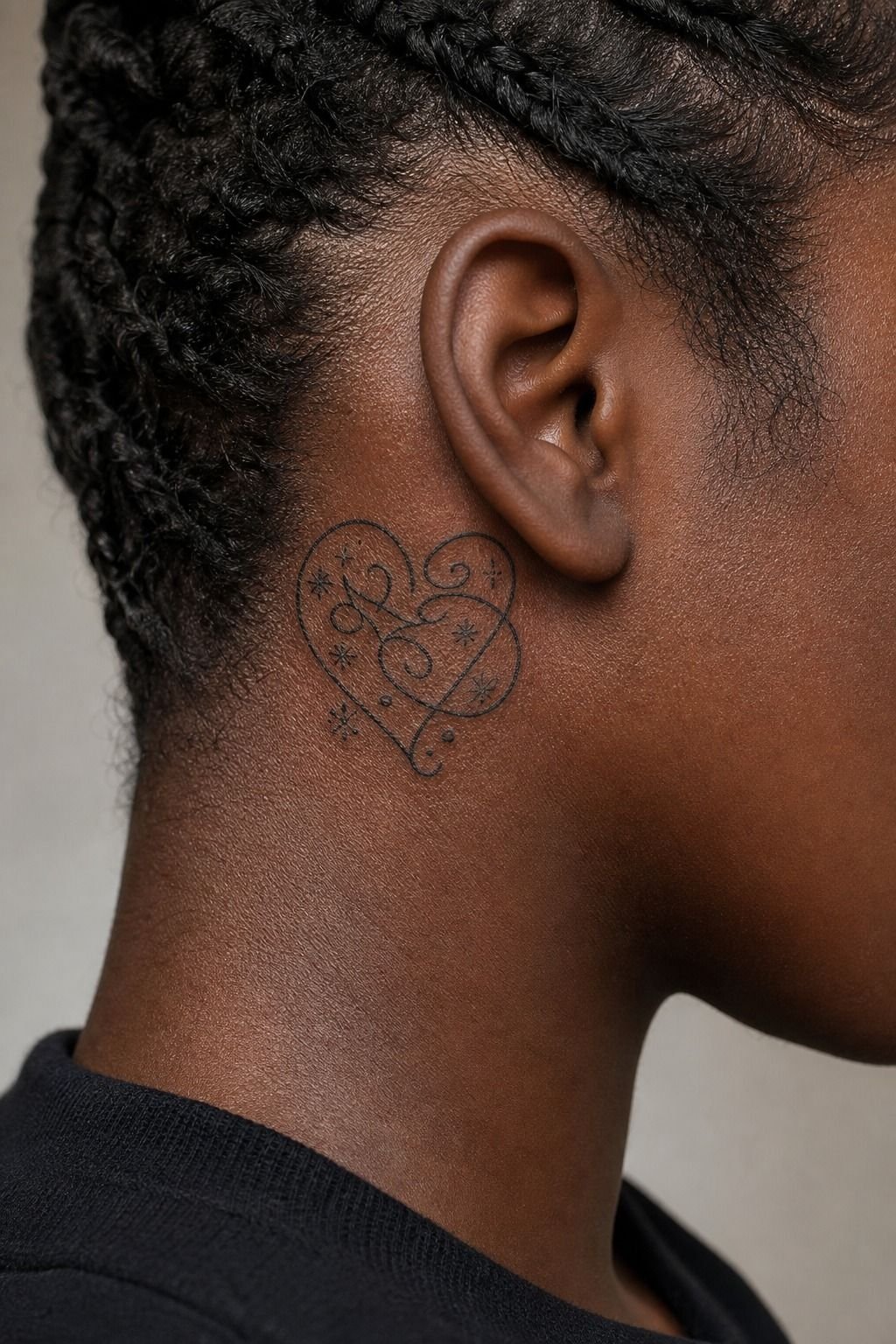
Use script sparingly. One word like “breathe,” “still,” or a date can sit inside a heart, but a full sentence will crowd the design fast. Tiny lettering is where sweet ideas go bad, because letters close up as lines naturally widen.
Ask for custom lettering that matches the heart’s line weight. Your artist can place the word on a gentle curve, then show you a second version without it.
You’ll know which one is stronger. Usually, the version with more empty skin wins.
13Compare Cool Heart Tattoos For Painful Placements
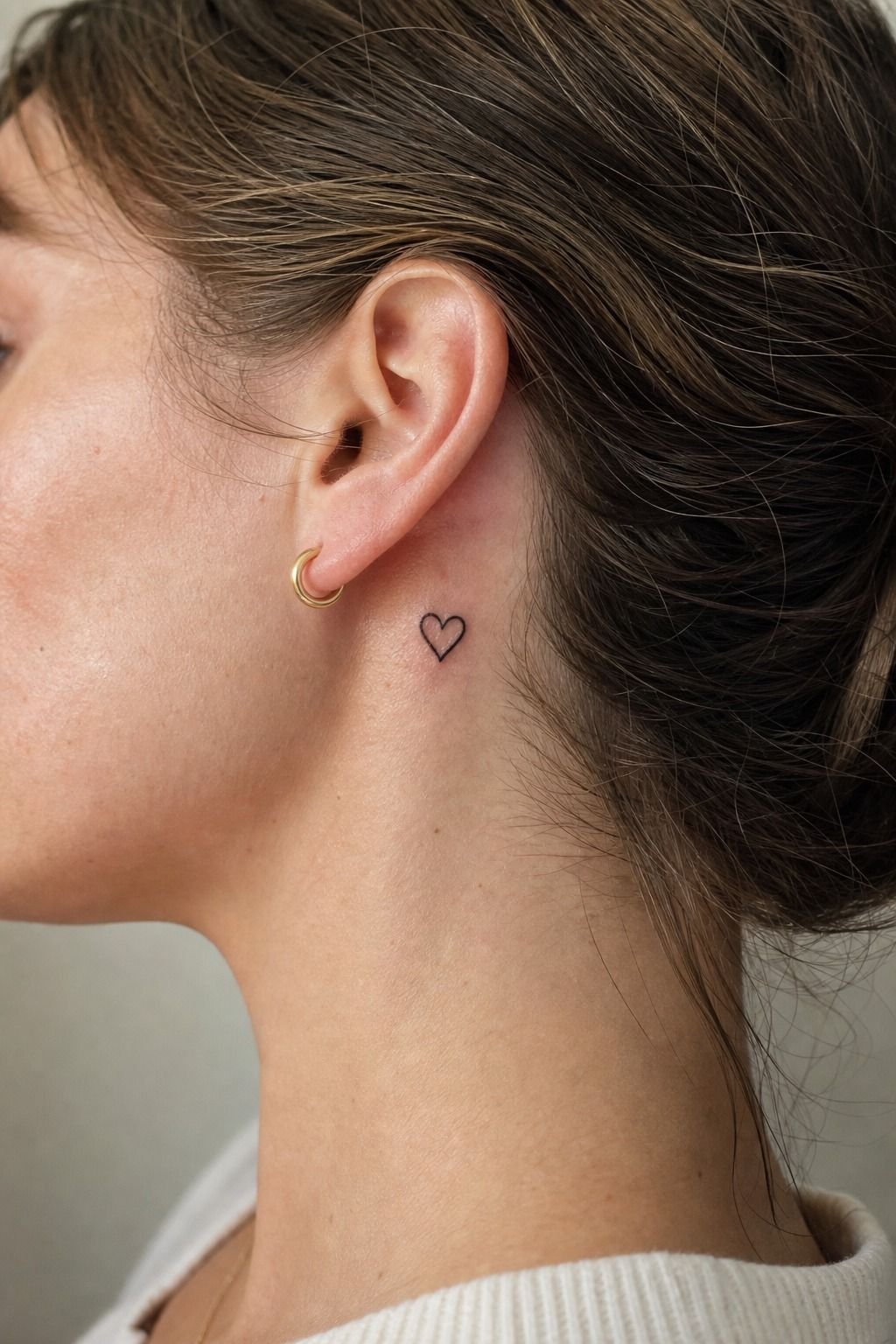
Want the honest pain ranking? Ribs, sternum, feet, hands, and fingers are spicy. Outer arm, calf, thigh, and upper shoulder tend to be more tolerable.
Behind the ear is quick but sharp because you’re close to bone.
You don’t get extra points for suffering through a placement you hate. Pick a low-wear area if you want your delicate linework to stay readable, then save hands and feet for when you accept touch-ups. Tap out for five rather than pass out on me.
14Mark Recovery With A Broken Heart Motif
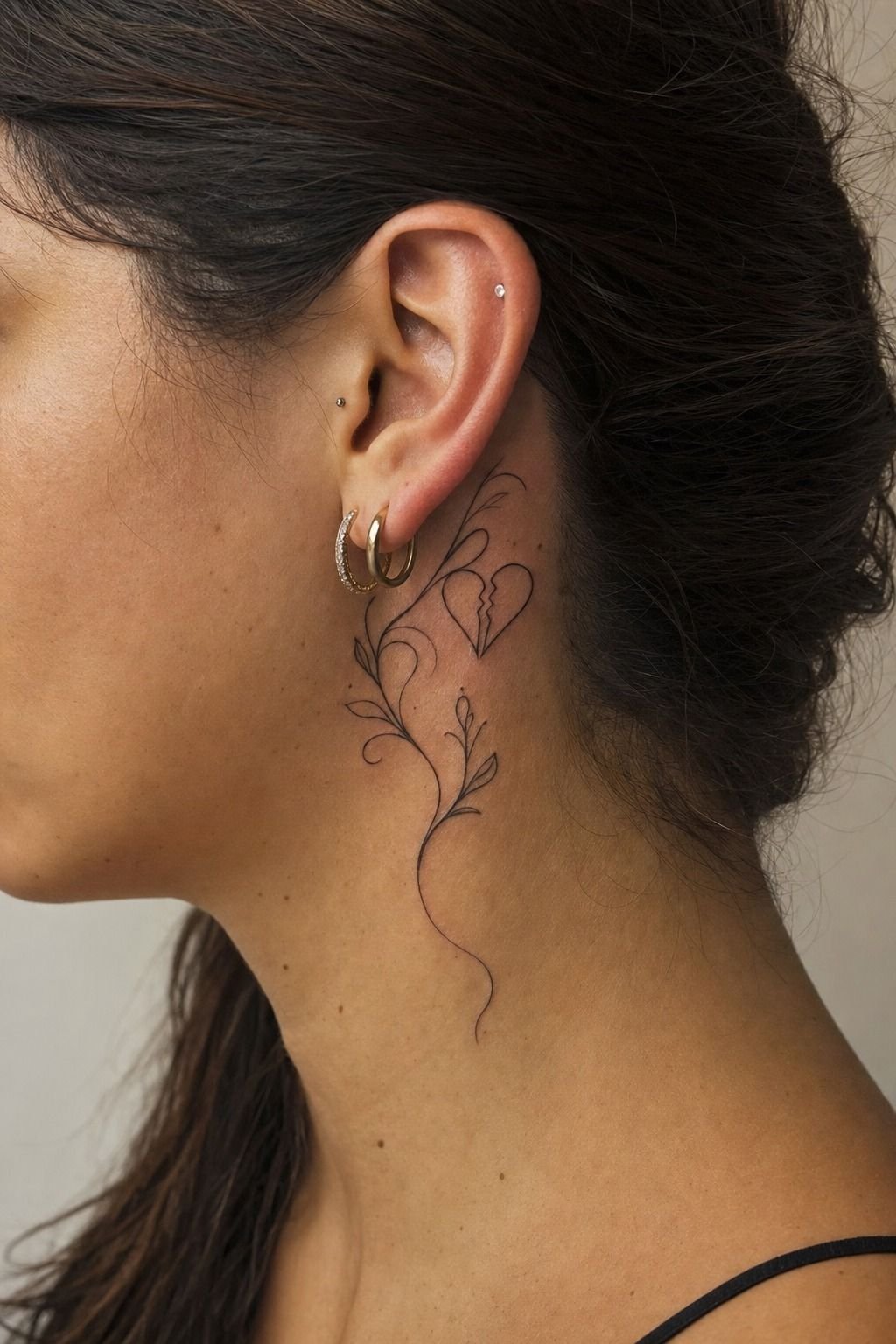
A broken heart doesn’t have to look defeated. Make the split intentional: a jagged crack, a visible stitch, or two halves held close by a bandage. That gives your tattoo movement and makes the recovery part feel earned.
I’d choose a broken-heart outline over a heavily shaded fracture for a first tattoo. The simple version heals more gently and gives you room to add a date or botanical element later. You’re not locking yourself into a crowded little symbol.
15Frame Heart Tattoo Ideas With Protective Hands
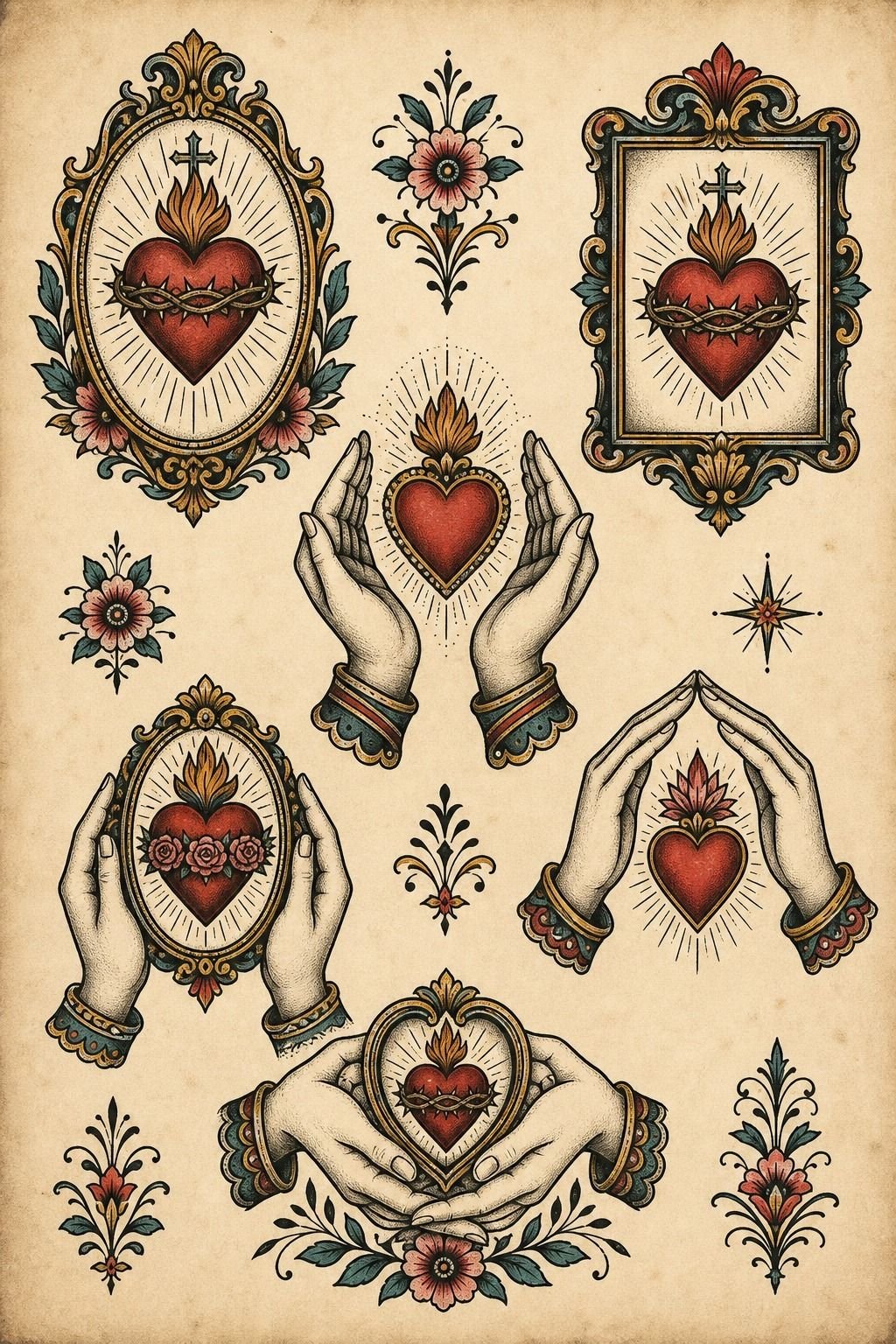
Protective hands can turn a basic heart into a whole story.
16Ask Your Artist About Healing Fine Linework
Ask direct questions before you book: How does this line weight heal? What size do you recommend? Can I see a healed tattoo on similar skin?
A solid artist won’t get defensive. They’ll explain where the design needs more room.
You should also ask whether your artist uses single needle needles, curved mags for soft shading, and a stencil placement check. I’m blunt about this with clients: a pretty reference doesn’t matter if it won’t hold. Read our day-by-day tattoo healing guide before your appointment so you know what’s normal.
17Follow Aftercare For A Fresh Heart Tattoo
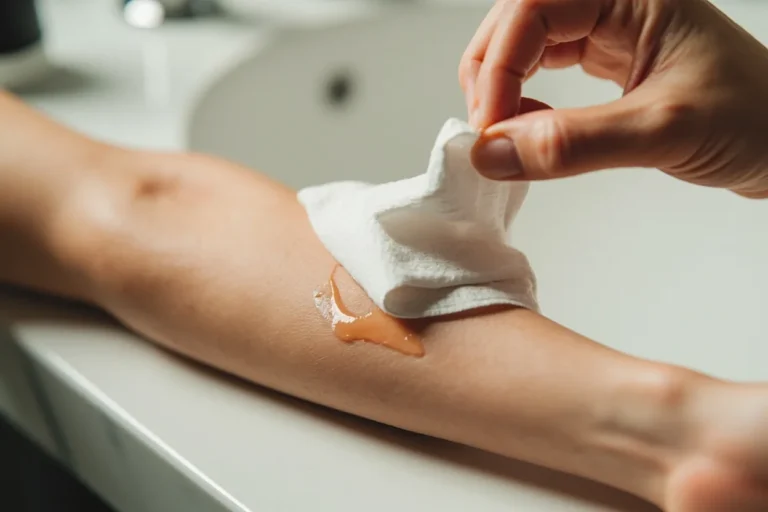
For the first few days, it’s an open wound. Wash your tattoo gently with unscented soap, pat it dry with a clean paper towel, and use a thin layer of fragrance-free ointment or lotion your artist recommends. Don’t suffocate it under heavy product.
It’ll peel like a sunburn, and you can’t pick the flakes without risking patchy pigment. Skip pools, hot tubs, and lake water until the surface has healed, usually about 2 to 3 weeks. Use this practical guide for swimming after tattoo healing time, because fresh ink and pool water don’t mix.
18Photograph Your Healing Heart Tattoo Progress
Take one photo the day you get it, one during peeling, and one after the silver-skin stage clears.
19Schedule A Touch Up After Complete Healing
Wait until the tattoo has completed its deeper healing before judging it. Surface healing usually takes 2 to 3 weeks, while the full settling process can take around 2 to 3 months. A touch-up too early can overwork skin that’s still recovering.
Ask your artist to assess any light spots after that window. Black ink touch-ups are common on fine line pieces, especially in high-wear spots, but they shouldn’t be automatic. You’ll get a cleaner result by letting the skin fully settle first.
The Skin-First Rule I Use With Clients
I tell clients this all the time: the best healing heart tattoo is not the one with the most symbolism packed into it. It’s the one that gives the symbolism room to live.
A heart with a bandage, a short word, a botanical stem, a red accent, protective hands, a crack, a date. Every one of those choices can mean something real.
Put all of them into a one-inch heart and the skin has to do impossible work.
I’ve watched people change their minds during stencil placement, and that’s not indecision. That’s good judgment.
The drawing may look balanced on an iPad, then you see it on the curve behind your ear or the moving skin of your wrist and suddenly one part feels crowded. Listen to that feeling.
Your body is part of the design.
Fine line isn’t fragile, but it does ask for discipline. You need clean spacing, confident lines, and an artist who knows when to stop. I’d rather give you a simple heart that stays soft and readable for years than a busy little illustration that heals flat.
Bold will hold, yes, but subtle can hold too when it’s built with enough contrast.
And sun changes everything. Use sunscreen once the tattoo is healed, don’t bake fresh ink at the beach, and accept that fingers, hands, feet, elbows, and knees live a rougher life. You can choose those placements, of course.
Just choose them with your eyes open. That’s the whole rule.
The Questions I Get Asked Most
How much does a Healing Heart Tattoo usually cost?
A Healing Heart Tattoo usually costs about $100 to $300 for a small custom fine line design. A clear quote protects your budget.
– Shop minimums: roughly $50 to $100 – US hourly rates: roughly $100 to $250 – Extra detail: longer appointment time
Are Healing Heart Tattoo a good idea for a first tattoo?
Yes, a Healing Heart Tattoo can be a good first tattoo if you keep it clean and place it well. A simple outline ages more reliably.
– Outer forearm placement – Upper arm placement – One strong symbol – Healed portfolio review
How do I choose a tattoo artist for Healing Heart Tattoo?
Choose an artist whose healed fine line work looks clean, even, and intentional. Healed photos matter more than fresh photos.
– Crispy linework – Similar skin tones – Licensed clean studio – Custom stencil process
How much do Healing Heart Tattoo hurt?
Pain depends on placement, but outer arm and calf are usually more tolerable than ribs, feet, hands, or sternum. A smart placement keeps the session manageable.
– Outer arm: chill – Wrist: sharper – Ribs: spicy – Feet: high-wear
How long does a Healing Heart Tattoo take to heal?
The surface usually heals in about 2 to 3 weeks, while complete healing can take 2 to 3 months. Gentle aftercare helps lines settle evenly.
– Unscented soap – Thin lotion layer – No picking – No swimming early
What’s the best placement for Healing Heart Tattoo?
The outer forearm and upper arm are two of my favorite placements because they offer smoother skin, clear visibility, and better wear. Low-wear placement helps fine lines last.
– Outer forearm: visible – Upper arm: relaxed skin – Calf: good space – Behind ear: quick but sharper
Where I’d Start First
If I had to pick one step, I’d start with the bandaged black fine line heart. It says recovery without turning your skin into a crowded diary entry. Pin that direction for later, then bring your story and your artist a few strong references.