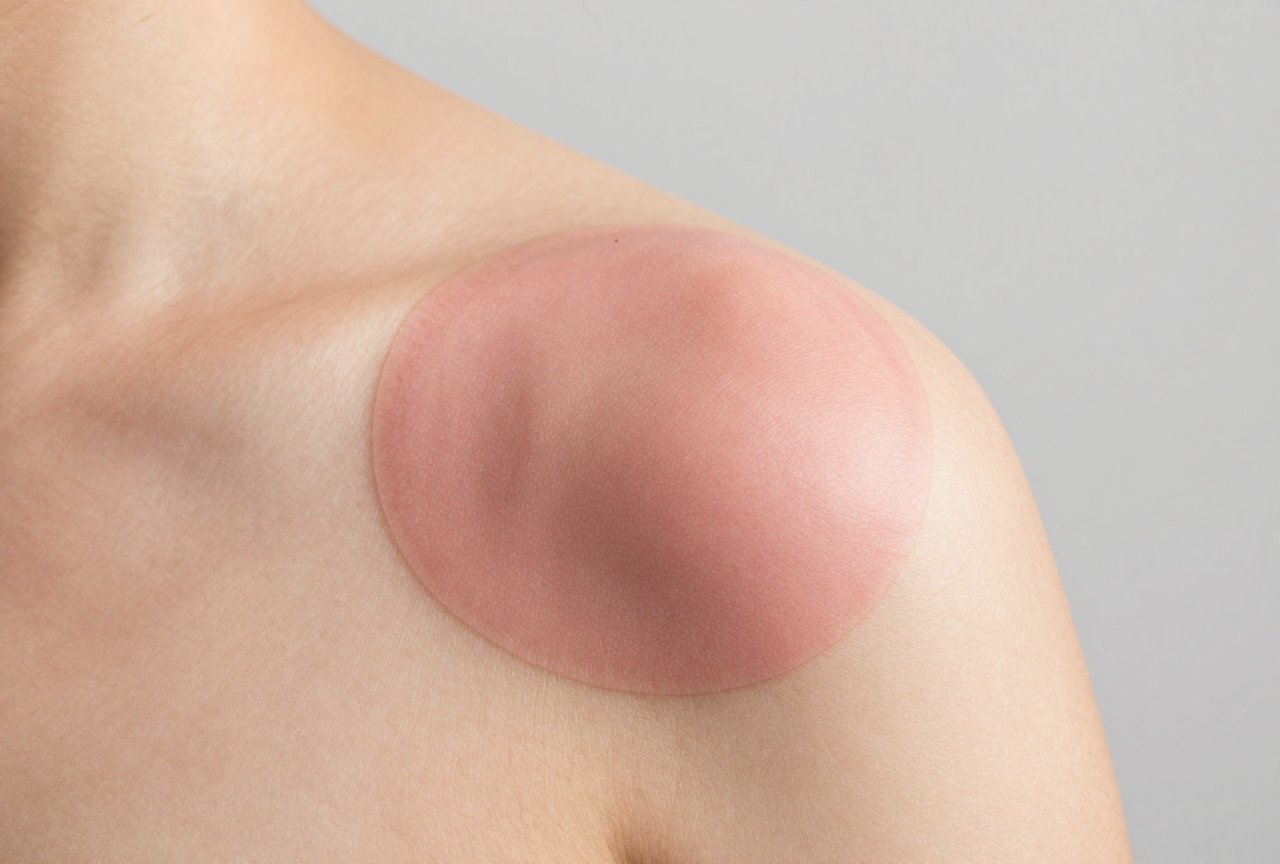
A tattoo typically peels for 3 to 7 days, starting around day 4 or 5 after you get it. The whole healing process runs about 2-3 weeks for the surface, longer for the deeper layers. That flaky, itchy, sometimes alarming skin shedding? It’s normal. Your body is basically shedding the damaged top layer and pushing fresh ink-trapped skin to the surface. But here’s the thing: how long and how intensely you peel depends on your body, the tattoo’s location, how heavy the saturation was, and if you’re actually following aftercare or just winging it.
What Peeling Actually Looks Like Day by Day
Every tattoo heals differently, but there’s a general rhythm most follow. I’ve watched thousands of pieces go through this in shop, and the pattern holds pretty steady.
Days 1-3: The Calm Before the Flakes
Fresh tattoo. Red, swollen, maybe a little plasma weeping. You’re washing it gently, patting dry, applying a thin layer of whatever aftercare your artist recommended. No peeling yet. The skin feels tight, almost like a sunburn. Some people panic here, is it supposed to be this shiny? Yes. That’s the healing film forming. Don’t pick at it. Don’t over-moisturize and suffocate it.
Days 4-7: The Peeling Begins
This is when it gets ugly. The top layer starts to crack and flake. White, translucent, sometimes slightly colored pieces come off. It looks like dandruff. It looks like your tattoo is falling out. It’s not. The ink sits in the dermis, below this shedding epidermis. What you’re seeing is essentially dead skin carrying some surface pigment with it.
- Heavy blackwork and solid color packing? More peeling, more visible flakes.
- Fine line work or delicate shading? Often lighter, less dramatic shedding.
- Areas that move a lot, wrists, inner elbows, knees, peel more because the skin flexes constantly.
The itch hits hardest here too. That tight, pulling sensation? That’s new skin forming. Scratching is the fastest way to pull ink out and leave patchy spots. I’ve had clients come back two weeks later with obvious finger-nail-shaped scars in their fresh tattoos. Don’t be that person.
Days 8-14: Tapering Off
Most people are done with the heavy peeling by now. You might get some light flaking, maybe a little dry patchiness. The tattoo starts looking more settled, less “fresh wound.” Color tattoos often look dull or cloudy during this phase, totally normal. That vibrancy comes back over the next month as the skin fully regenerates its top layers.
Why Some Tattoos Peel Longer Than Others
Not all peeling is created equal. Here’s what actually makes the difference based on what I’ve seen walk through shop doors.
Placement matters more than people think. A tattoo on your thigh, where skin is relatively thick and stable? Clean, predictable healing. Same design on your ribs or foot? Constant movement, friction from clothing, more moisture exposure. That skin works harder and peels longer. I’ve seen rib pieces peel for 10 days easy. Ditto anything near joints that bend all day.
Style and saturation. A delicate single-needle fineline piece with lots of negative space? Minimal trauma, minimal peel. A traditional Japanese back piece with solid black backgrounds and dense color packing? Your skin just took a beating. It needs more time. The body sends more repair resources to that area, and the visible shedding lasts longer.
Your aftercare routine. This is where people sabotage themselves. Over-washing dries the skin and extends peeling. Over-moisturizing traps bacteria and softens scabs that should naturally flake. Picking at anything, scabs, loose skin, “just this one piece”, extends healing by days or weeks and risks infection. The artists I know who’ve been in the game 15+ years all say the same thing: the best-healed tattoos come from clients who basically leave them alone.
What You Should Actually Do (And Avoid) During Peeling
The Basics That Work
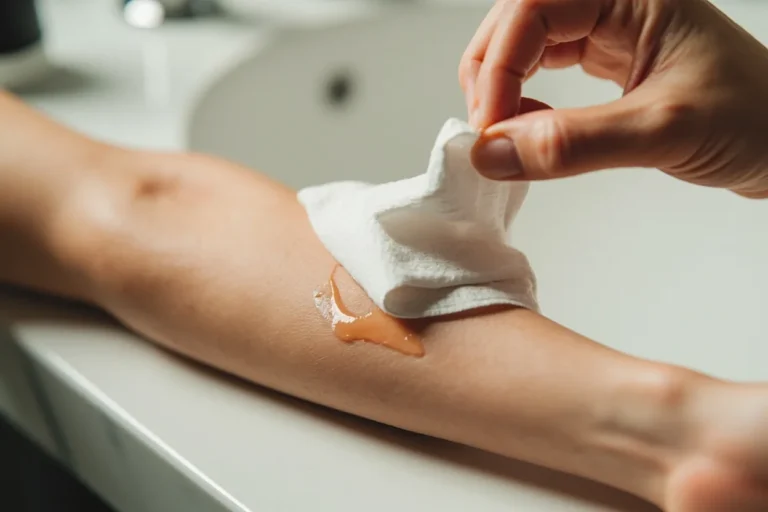
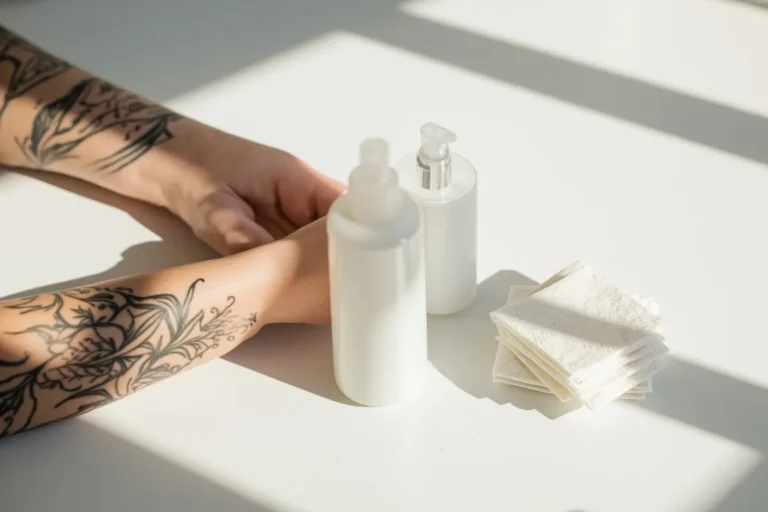
Wash twice daily with unscented soap. Warm water, not hot. Pat, don’t rub, dry with a clean paper towel. Apply a thin layer of recommended aftercare: usually something like Aquaphor for the first few days, then a plain unscented lotion. Thin layer means thin. Your skin should breathe, not swim in goop.
- Keep it clean, keep it slightly moisturized, keep it out of direct sun.
- Wear loose clothing that doesn’t rub the area constantly.
- Sleep in clean sheets, especially for the first week.
- Stay hydrated. Your skin heals faster when you’re not dehydrated.
What Seriously Messes Things Up
Submerging in water, pools, hot tubs, baths, oceans, for at least two weeks. Soaking softens the healing skin and can pull ink out. I’ve seen people lose entire sections of color from a long bath at day six. Sun exposure during peeling? Fades fresh ink fast and can cause blistering on tender skin. Gym rats, beware: sweat and friction from equipment are rough on healing tattoos. Your artist will tell you to take a few days off heavy training if the placement’s in a high-contact zone.
And please, no matter what your friend swears by, don’t use Neosporin or petroleum jelly for extended periods. Neosporin can cause allergic reactions that look like infection. Heavy petroleum jelly suffocates the tattoo and can actually cause ink to leach out. Stick with what your artist tells you. They want your tattoo to look good in six months because their reputation rides on it.
When Peeling Isn’t Normal
Most “problems” during peeling are just normal healing looking scary. But there are real red flags. Thick, raised scabs that crack and bleed? That’s usually from going too deep or overworking an area, sometimes combined with poor aftercare. Pus, spreading redness, heat that doesn’t improve after day three? Get it checked. Not by me, I’m not a doctor. By an actual medical professional.
Allergic reactions to ink happen, especially with reds and yellows. They look like prolonged irritation, sometimes small bumps, sometimes more dramatic. Again, medical professional. Your artist can tell you if it looks like a typical healing issue, but they can’t diagnose.
One thing I do see confused a lot: milky or cloudy skin during peeling is normal. That’s new epidermis forming over your ink. It clears up. Patience.
The Cost of Rushing Healing
Touch-ups exist for a reason, but they’re not free passes to ignore aftercare. Most decent artists include one touch-up in the original price because they know some ink loss happens. But if you come back with a patchy mess from picking, swimming, or using weird internet remedies? That’s on you, and shops often charge for “negligence touch-ups.” I’ve seen rates from $50 to half the original price.
More importantly, rushed or damaged healing leaves permanent texture issues. Scarring in a tattoo doesn’t hold ink the same way. You can always darken color, but you can’t smooth out raised, shiny scar tissue underneath. That stays.
Key Takeaways
- Tattoo peeling typically lasts 3-7 days, starting around day 4-5.
- Heavy saturation, joint placement, and poor aftercare extend peeling time.
- Don’t pick, don’t scratch, don’t soak. Let the flakes fall naturally.
- Wash gently, moisturize thinly, keep it clean and protected from sun.
- Cloudy or dull appearance during peeling is normal; vibrancy returns over weeks.
- See a medical professional for signs of infection, not just your tattoo artist.
- How you treat your tattoo in the first two weeks affects how it looks forever.
Healing a tattoo is boring. It’s inconvenient. The peeling phase is genuinely unattractive, and you’ll probably convince yourself you’ve ruined it at least once. You haven’t. Follow the basics, trust the process, and in a month you’ll have settled ink that looks like it belongs on your body. The artists who put that work in want it to last as much as you do. Do your part.
Related Tattoo Guides
- How to Take Off a Tattoo at Home: What Actually Works
- How to Treat a New Tattoo: A Real-World Aftercare Guide
- Does Getting a Tattoo Hurt? A Real Talk Guide
- Explore more
Frequently Asked Questions
Is it normal for my tattoo to peel after 5 days?
Yes, peeling typically begins around days 5 to 7 and is a completely normal part of the healing process. Your skin is shedding the damaged top layer as new skin forms underneath. Let the flakes fall off naturally and avoid picking at them to prevent scarring or ink loss.
How long does the peeling stage last for a tattoo?
The peeling stage usually lasts about 3 to 7 days, though this varies by person and tattoo size. Most people finish peeling by the end of the second week. Proper aftercare during this window directly impacts how well your tattoo heals and retains its color.
Why does my tattoo look faded while it is peeling?
The peeling skin creates a cloudy, dull layer over the fresh ink beneath, which makes the tattoo appear faded temporarily. Once the peeling stops and the new skin settles, your tattoo’s true vibrancy will return. This optical effect is normal and not a sign that the ink is falling out.
Should I moisturize my tattoo while it is peeling?
Yes, you should apply a thin layer of fragrance-free moisturizer or recommended aftercare product to keep the skin hydrated and reduce itching. However, do not over-moisturize, as this can suffocate the skin and prolong peeling. A light application once or twice daily is typically sufficient.