
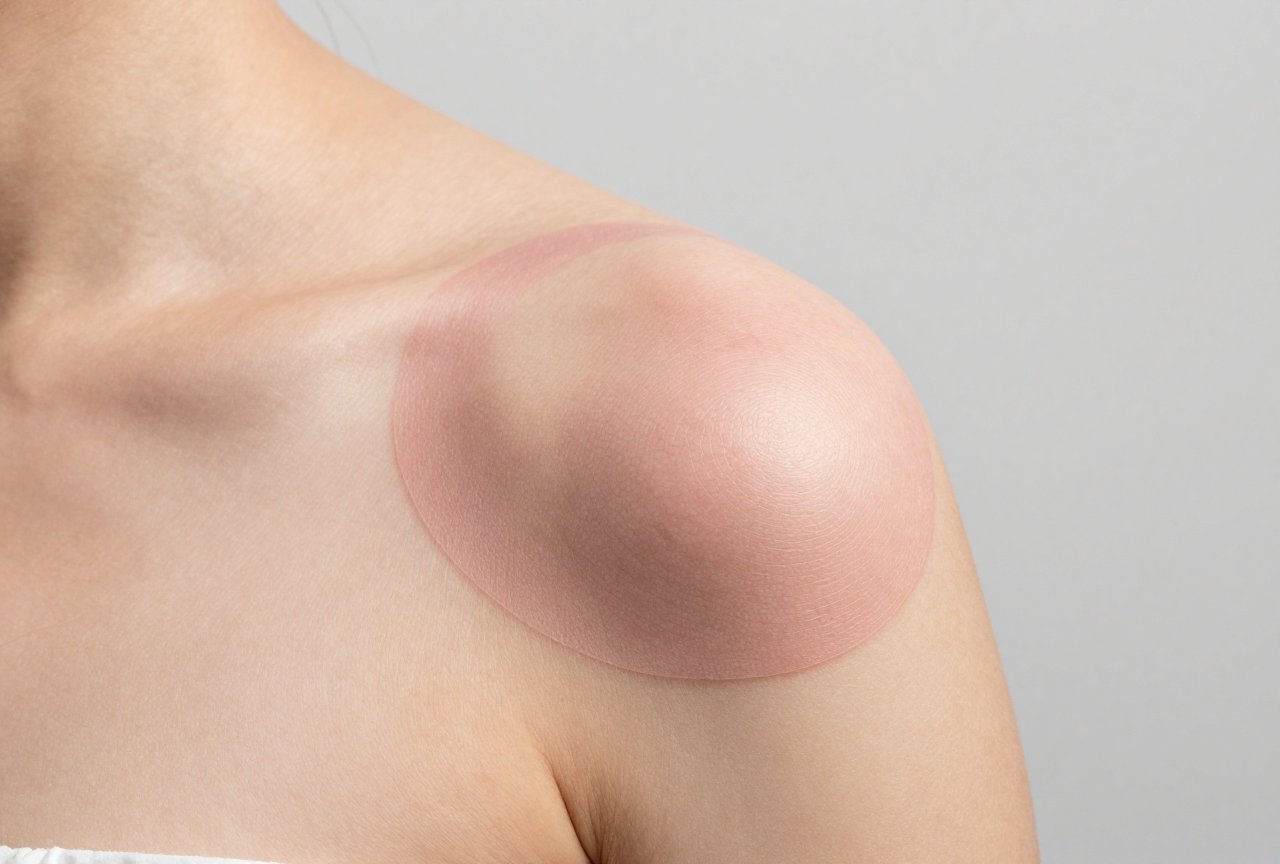
Keep it completely out of the sun for at least two to four weeks, and honestly, I’m happier when clients push that to six. That’s the straight answer I give everyone who climbs into my chair. After that, you still need to baby it, SPF 50, reapply every two hours, no exceptions. A fresh tattoo is basically an open wound with pigment suspended in it. UV light breaks down that pigment, causes blistering, and can permanently settle a muddy tone into what should have been crisp black or saturated color. I’ve watched too many beautiful pieces turn ashy because someone thought a “quick tan” wouldn’t matter.
Why the Sun Is Your Fresh Tattoo’s Worst Enemy
Your new tattoo isn’t sitting pretty on top of your skin like a sticker. The needle pushed ink through the epidermis into the dermis, that second layer where UV radiation penetrates most aggressively. While healing, your skin is actively rebuilding, forming a new epidermal layer over that ink. Sun exposure during this window does double damage: it triggers inflammation that can push ink out, and it kickstarts melanin production that darkens the surrounding skin, creating contrast that makes the tattoo look blown out or faded before it ever had a chance.
I’ve tattooed people who work construction, landscape, fish commercially. I get the reality. But I’ve also done cover-ups on pieces that looked five years old at six months because of sun exposure during healing. The damage isn’t always dramatic blistering, sometimes it’s just a gradual dulling that you don’t notice until you’re standing next to the original reference photo.
What UV Actually Does to Healing Ink
UVB rays burn the surface. UVA rays penetrate deeper and break down tattoo pigment molecules through photodegradation. Black ink absorbs all wavelengths, so it heats up fastest. Reds and yellows fade fastest because their molecular structures are less stable. During healing, that breakdown happens while your skin is still knitting together, so the damage gets locked in rather than shed with normal skin turnover.
The Peeling Phase Is Especially Vulnerable
Days three through fourteen, your tattoo is flaking and peeling like a bad sunburn itself. That thin, new skin underneath has almost zero melanin protection. Ten minutes of direct midday sun during this phase can cause damage that would take an hour to inflict on normal skin. I’ve had clients call me panicked because their tattoo “suddenly looked blurry” after a beach day, what happened was the new epithelium got burned, fluid accumulated, and the healing process restarted with compromised pigment retention.
Timeline: What Protection Looks Like Week by Week
Here’s how I break it down for people in my chair. This isn’t rigid dogma, adjust for your skin type, your climate, your life, but it’s the framework I wish every client followed.
- Days 1-3: Keep the wrap on per your artist’s instructions. No sun exposure at all. If you must go outside, loose clothing that doesn’t rub, nothing abrasive against the fresh piece.
- Days 4-14: The tattoo is breathing, peeling, vulnerable. No direct sun. No tanning beds. No “I’ll just keep it covered with a towel at the beach”, towels shift, sand gets in, heat builds up. Stay inside during peak hours if you can.
- Weeks 3-4: Surface looks healed. It’s not. The deeper layers are still remodeling. Continue full coverage or stay out of direct sun. This is when people get cocky and I see the consequences six months later.
- Month 2 onward: You can start limited exposure with SPF 50, but the tattoo is still settling for a full three months. I tell color realism clients to treat it like a vampire for six months if they want those gradients to stay true.
When You Absolutely Must Be Outside
Life doesn’t stop. I tattooed a mail carrier last year, upper arm, short sleeves all summer. We planned it for fall specifically. If timing’s not flexible, UPF 50+ clothing is your friend. Not cotton, not “thick enough probably.” Actual rated sun-protective fabric. Dark, tight weave. I’ve seen people use clean athletic sleeves, the kind basketball players wear, pulled up over fresh forearm work. Works in a pinch. Reusable, breathable, no adhesive to irritate.
SPF and Fresh Tattoos: The Real Talk
Don’t put sunscreen on a healing tattoo. I say this constantly and still get the question. Until the skin is fully closed, no scabs, no flaking, no shiny new skin, sunscreen chemicals can irritate, clog, or introduce infection. The active ingredients aren’t meant for compromised barriers. Wait until you’re at least three weeks out, preferably four, then patch test a small area first.
Once you’re cleared for SPF, here’s what we actually use in shops and recommend:
- Mineral zinc oxide formulas, SPF 50 or higher. The physical barrier reflects UV rather than absorbing it, which is gentler on tattooed skin long-term.
- Fragrance-free everything. Dyes and perfumes cause reactions you don’t want to interpret on a fresh tattoo.
- Reapply every two hours of sun exposure, more if swimming or sweating. “Waterproof” doesn’t mean all-day protection.
- Don’t trust spray sunscreens for precision. You miss spots, you overspray, the propellants can irritate. Rub in cream where you can see it.
I’ve had clients bring me their “tattoo-specific” sunscreen products. Some are fine, some are overpriced marketing. Read ingredients. Zinc oxide. That’s the active ingredient that matters. Everything else is packaging.
Clothing Strategies That Actually Work
Loose, dark, breathable. Tight clothes rub and trap heat. Light colors reflect UV but let more through the fabric weave than you’d think. I learned this the hard way with a thigh piece years ago, white linen dress, thought I was covered. Red outline by evening, faded where the sun came through.
For placement-specific advice I give regularly:
- Hands and fingers: Nearly impossible to keep covered and functional. I try to talk people out of hand tattoos unless they can genuinely avoid sun for a month. The constant washing, the unavoidable exposure, hands heal poorly and fade fast anyway. Sun makes it worse.
- Feet and ankles: Sandals are the enemy. If you must wear them, wrap with clean gauze and breathable medical tape, not tight enough to restrict blood flow.
- Neck and chest: Collar lines shift, necklaces catch. I suggest high-neck shirts, scarves in cooler weather. The décolletage sunburns fast and shows damage dramatically.
- Upper arms and shoulders: Easiest to cover with UPF sleeves or loose long sleeves. The most common placement I see sun-damaged because people think a t-shirt is enough. It’s not. Hold a white tee up to light, see through it? So does UV.
The Swimming Problem
Clients always ask about pools, oceans, lakes. My answer: wait two weeks minimum for submerged swimming, longer for hot tubs or salt water. But the sun exposure while swimming is equally damaging. Water reflects UV, increasing exposure. You’re distracted, you’re not reapplying. I’ve seen beautiful back pieces ruined by one “healed enough probably” ocean afternoon. If you’re serious about your tattoo, skip the swim season for that first summer or plan accordingly.
What Sun Damage Actually Looks Like on Healed Tattoos
Not just fading. That’s the thing people don’t understand. Sun damage on tattoos shows up as:
- Blurred edges where crisp lines soften prematurely
- Color shifts, blues go greenish, reds go orange or brown, blacks go ashy blue-gray
- Raised, bumpy texture from repeated burning and healing
- Patchy pigment loss that looks like poor application but was actually poor aftercare
- Accelerated aging of the surrounding skin, making the tattoo look older than it is
I’ve done touch-ups on pieces that needed them at two years instead of ten because of sun exposure. Touch-ups cost money, hurt more on scarred skin, and never quite match the original saturation. Prevention is cheaper, easier, and preserves the artist’s intent.
Long-Term Sun Habits for Tattoo Longevity
After that initial healing window, your tattoo isn’t bulletproof. UV exposure is cumulative. The piece you love at twenty-five will look different at forty-five regardless, but sun-smart habits slow that dramatically.
I tell my regular clients: moisturize daily, SPF on tattooed areas whenever they’ll see sun, check your ink seasonally for changes. If colors start looking dull, increase protection before you need a touch-up. Black and grey holds better but still shifts toward blue-green over time with sun. Color work, especially watercolor styles with light washes, is most vulnerable.
Some of the best-preserved older tattoos I’ve seen belong to people who treat sunscreen like brushing teeth, automatic, non-negotiable, daily. Not just beach days. Walking to the car, sitting near windows, overcast afternoons. UV penetrates clouds. Your tattoo doesn’t care that it’s not “sunny enough to burn.”
Key Takeaways
Stay completely out of the sun for two to four weeks, ideally six. No sunscreen on healing skin, cover with clothing or stay inside. Once healed, mineral SPF 50, reapply religiously, never trust a single application for all day. UPF clothing beats regular fabric significantly. Plan your tattoo timing with sun exposure in mind if possible. The money and pain you invest in getting tattooed deserve the minor inconvenience of protection. I’ve watched too many beautiful pieces age badly from preventable sun damage. Don’t let yours be one of them.
Your artist put hours of precision into your skin. The sun doesn’t care. You have to be the one who does.
Frequently Asked Questions
Can I use tanning bed lotion on my healing tattoo if I’m not actually tanning?
No. Tanning bed lotions contain ingredients meant to accelerate melanin production and often include bronzers or tingling agents that irritate open skin. Even without UV exposure, these products aren’t formulated for compromised barriers. Wait until your tattoo is fully healed, then honestly, avoid tanning beds entirely if you want your ink to last.
My tattoo is two weeks old and looks totally healed, can I just use regular sunscreen now?
It probably looks healed on the surface, but the deeper dermal layers are still remodeling. Wait at least another week, preferably two. When you do start sunscreen, choose a gentle mineral formula and patch test a small area first. If you feel any stinging or see redness, wait longer.
Will one accidental sunburn ruin my tattoo forever?
One bad burn can cause noticeable damage, but it doesn’t always ruin a piece permanently. What matters is how you handle it, cool compresses, keeping it moisturized with plain unscented lotion, and staying out of the sun completely while it recovers. I’ve seen tattoos survive a single mistake mostly intact; I’ve also seen repeated “just once” exposures accumulate into real degradation.
Is it safe to get tattooed during summer if I work an outdoor job?
It’s doable but requires serious planning. Get tattooed on a Friday, take Monday off if possible, and arrange for modified duties or full coverage for the healing weeks. Some clients shift to night shifts temporarily. I’ve had outdoor workers plan large pieces for fall or winter specifically. The timing inconvenience beats the regret of a sun-damaged tattoo you’ll wear forever.
Related Tattoo Guides
- How Long to Wash a New Tattoo: A Complete Guide
- How Long Does a Tattoo Hurt? A Realistic Pain Timeline
- How to Deal With Tattoo Pain: A Real Artist s Guide
- Explore more









